
Main Courses
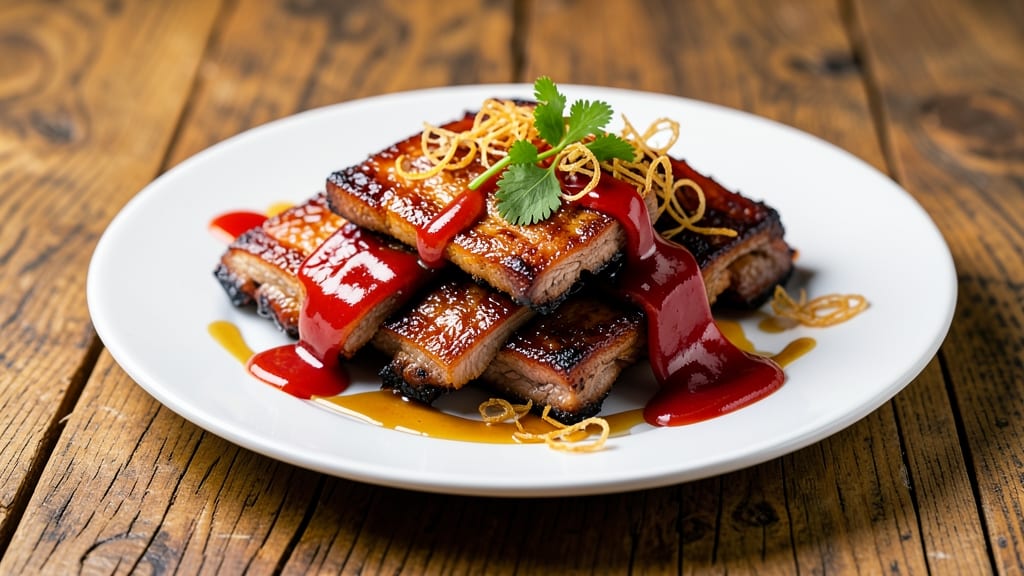
Chinese barbecue pork spare ribs deliver that perfect balance of crispy edges and tender meat, all blanketed in a sticky five-spice glaze that's impossible to resist. 🔥 I've perfected this recipe after years of experimenting with both traditional Cantonese techniques and my own pitmaster twists—what you get is restaurant-quality ribs without the fuss. The secret lies in a slow marinade that tenderizes the meat while building deep flavor, followed by a quick sear that locks in juices and creates that signature char.
The process starts with a marinade of soy sauce, Shaoxing wine, and five-spice powder—this blend infuses the ribs overnight, breaking down connective tissue while creating layers of aromatic complexity.
Then comes the cooking: ribs are first braised to render fat and begin tenderizing, then finished with a wok toss for that coveted crispy exterior. Every bite combines smoky char, tender meat, and a glossy glaze that's sweet, savory, and just slightly spicy.
What makes these ribs truly special is how they transform a simple weeknight dinner into an experience—imagine the sizzle of the wok, the aroma filling your kitchen, and that first bite of perfectly balanced flavors.
The five-spice glaze isn't just sweet; it's complex, with hints of cinnamon, star anise, and clove that linger on your palate. This is the kind of dish that pairs beautifully with steamed jasmine rice and quick-pickled vegetables, creating a complete meal that feels both comforting and sophisticated.
Whether you're hosting a dinner party or treating yourself to a special meal, these ribs deliver professional-quality results at home. The technique is straightforward once you understand the key steps—marinate, braise, sear—but the payoff is worth every minute. Let's get cooking!
Ingredients for chinese barbecue pork spare ribs
Four pounds of meat, a handful of spices, and a wok—this is your shortcut to restaurant-style Chinese barbecue ribs.
| Ingredient | Amount | Notes |
|---|---|---|
| Pork Spare Ribs 🍖 | 3 lb | Bone-in, meaty ends preferred |
| Soy Sauce 🥢 | ½ cup | Kikkoman preferred for balance |
| Shaoxing Wine 🍷 | ¼ cup | Dry Chinese cooking wine |
| Five-Spice Powder 🌶️ | 2 tbsp | Freshly ground for best flavor |
| Brown Sugar 🍚 | ½ cup | Light or dark, packed |
| Hoisin Sauce 🍶 | 2 tbsp | For depth of flavor |
| Garlic Cloves 🧄 | 6 cloves | Minced, fresh preferred |
| Ginger Root 🌿 | 1 tbsp | Freshly grated, aromatic |
| Sesame Oil 🫒 | 1 tbsp | Toasted, for aroma |
| Neutral Oil 🫐 | ¼ cup | Peanut or vegetable oil |
| Star Anise 🌟 | 1 whole | For glaze complexity |
| Cinnamon Stick 🌿 | 1 whole | Optional, for warmth |
| Salt 🧂 | 1 tsp | Kosher or sea salt |
| Black Pepper 🌶️ | ½ tsp | Freshly cracked |
The ribs are non-negotiable—meaty ends are key for that signature char. Costco or your local butcher usually have the best cuts, but any pork spare ribs will work if they're fresh and meaty. For the five-spice powder, Penzeys or bulk bins at Asian markets have the freshest blends—look for whole spices you can grind yourself if you're serious about flavor. Shaoxing wine isn't just any cooking wine; it's the backbone of the marinade. Trader Joe's carries a decent version, but if you're near a Chinese grocery, their selection is unbeatable. The brown sugar should be packed—light or dark works, but don't tap it down. For the hoisin sauce, Lee Kum Kee is the gold standard, though any quality brand will do.
No Shaoxing wine? Dry sherry at half the amount works in a pinch, but the flavor won't be identical. Fresh ginger and garlic are ideal, but dried powdered works at one-third the amount if you're in a hurry. Star anise and cinnamon sticks can be swapped for ground versions at double the amount, but the whole spices add that professional touch. Sesame oil is non-negotiable for aroma—toasted sesame oil from the Asian aisle is worth the splurge. The neutral oil for searing? Peanut oil has the highest smoke point, but vegetable oil is fine if that's what you've got. If you're missing hoisin sauce, soy sauce plus a dash of molasses gets you close, though it won't be as complex.
Marinate the ribs overnight for maximum tenderness—24 hours is ideal, but even 4 hours helps. The glaze keeps for 1 week in the fridge, so make extra. Store ribs in a sealed container with the marinade to keep them moist. For reheating, a 400°F oven for 15 minutes brings back that crispy texture. The five-spice powder loses potency after 3 months, so buy small batches if you won't use it often. Freeze the ribs in the marinade for up to 3 months—thaw in the fridge overnight before cooking.
Why You'll Love This Recipe
- One-Pan Magic: Honestly, I swear by this recipe because it’s that simple—just ribs, a sheet pan, and 20 minutes of hands-off time. You don’t even need to trim the fat; the high heat crisps it up perfectly while the five-spice powder and Shaoxing wine do all the flavor work for you.
- Sweet-Savory Bomb: That balance of sticky brown sugar and salty soy sauce? It’s dangerously addictive. The ribs get this glossy, caramelized crust that cracks like glass when you bite in, but inside? Still juicy and tender enough to melt. (Yes, even my picky husband goes back for seconds.)
- Weeknight & Party Star: Between us, this is my go-to for lazy Mondays and when I’m hosting. Serve it with steamed rice for a quick dinner, or pile it high on buns with pickled veggies for a crowd-pleasing spread. The leftovers? Just as good reheated—better, even, because the flavors deepen overnight.
- Budget-Friendly Feast: I buy ribs in bulk, and this recipe stretches them far—easily feeds four for under $15. The Shaoxing wine and five-spice powder might sound fancy, but a little goes a long way, and you’ll use them again. Not the prettiest dish, but the taste makes up for it every time.
Step-by-step instructions for Chinese barbecue pork spare ribs
Here's how to transform tough ribs into wok-tossed perfection with a sticky, aromatic glaze.
🔥 Step 1: Parboil and Parchment the Ribs
Fill a large stockpot with enough water to submerge the ribs and bring to a rolling boil. Add the 3 lb pork spare ribs, 1 whole star anise, 1 whole cinnamon stick, 1 tsp salt, and 0.5 tsp black pepper. Return to a boil, then immediately reduce to a gentle simmer for 30 minutes. This pre-cooking step tenderizes the meat while infusing it with subtle aromatic notes.
After parboiling, drain the ribs and rinse them under cold water to stop the cooking process. Pat them completely dry with paper towels—this step is critical for achieving that coveted crispy exterior later. Line a baking sheet with parchment paper and arrange the ribs in a single layer. Cover with another sheet of parchment and weigh them down with a heavy pan for 15 minutes. This pressing step helps flatten the ribs slightly, ensuring even cooking when we toss them in the wok.
🍳 Step 2: Create the Five-Spice Glaze
In a small saucepan, combine 0.5 cup brown sugar, 0.5 cup soy sauce, 0.25 cup shaoxing wine, 2 tbsp hoisin sauce, 2 tbsp five-spice powder, 6 cloves minced garlic, and 1 tbsp freshly grated ginger root. Bring to a gentle simmer over medium heat and cook for 10-12 minutes, stirring frequently, until the mixture reduces by about half and becomes syrupy. You're aiming for a thick, glossy consistency that will cling beautifully to the ribs.
Remove from heat and stir in the 1 tbsp toasted sesame oil. This final addition adds a nutty aroma that complements the sweet-savory glaze. Let the glaze cool slightly while you prepare the ribs for cooking. Here's the thing—this glaze is the soul of your dish, so don't rush the reduction. The longer it simmers, the more complex the flavors become.
🔥 Step 3: Wok-Toss for Crispy Perfection
Heat a large wok or skillet over high heat until smoking hot. Add 0.25 cup neutral oil and swirl to coat the bottom evenly. Working in batches if needed, add the pressed ribs and sear for 2-3 minutes per side until they develop a deep golden-brown crust. Don't crowd the pan—this prevents proper browning and crisping. You'll know they're ready when the edges start to crisp and the ribs release easily from the pan.
Immediately pour the cooled five-spice glaze over the ribs and toss vigorously with tongs for 1-2 minutes until everything is evenly coated. The high heat will cause the glaze to bubble and caramelize slightly, creating that signature sticky exterior. If the glaze seems too thick, add 1-2 tablespoons of water to loosen it. The ribs should be thoroughly coated but not swimming in sauce.
⏰ Step 4: Finish with a Sticky Crust
Continue tossing the ribs for an additional 30-45 seconds until the glaze forms a glossy, sticky crust on the meat. The aroma should be intoxicating—sweet, smoky, with hints of cinnamon and star anise. Transfer the ribs to a serving platter and let them rest for 5 minutes before serving. This resting period allows the juices to redistribute, ensuring each bite is moist and flavorful.
For an extra touch, drizzle any remaining glaze from the wok over the top of the ribs. Serve immediately with steamed jasmine rice or crusty bread to soak up that delicious sticky sauce. The contrast between the crispy exterior and tender interior makes every bite worth the effort. Real talk: these ribs are so good you'll want to make them weekly.
Pro Tips For Making Chinese Barbecue Pork Spare Ribs
- Trim the Fat First: Cut the thin membrane off the ribs before marinating—it’s the thin, papery layer under the fat. I learned this the hard way when my ribs stayed chewy; that membrane traps moisture and never breaks down. Use a butter knife or your thumb to scrape it off cleanly.
- Marinate Overnight (No Excuses): The Shaoxing wine and five-spice powder need time to penetrate. Toss the ribs in the marinade (soy, wine, spices, sugar) and let them sit at least 6 hours—overnight is ideal. I used to rush it, and the flavor was half as deep.
- Char the Ribs First: Sear the ribs over high heat before braising—this locks in the five-spice aroma and gives them that smoky crust. Work in batches, skin-side down, until deeply browned. Skip this, and your ribs taste like they missed the wok.
- Deglaze with Wine: After searing, splash in the remaining Shaoxing wine from the marinade—it scrapes up the browned bits and adds another layer of flavor. I used to ignore this, but it makes the sauce richer without extra effort. Just let it simmer for 2 minutes.
Flavor customization for chinese barbecue pork spare ribs
Sweet Heat Level
Want more heat? Add 1 tsp chili flakes or 1 tbsp gochujang to the glaze for a Korean-inspired kick. For a milder version, reduce the brown sugar to 0.3 cup and add 1 tbsp honey to balance the five-spice complexity.
I once made a version with 1 tsp Sichuan peppercorns toasted in the oil—it added a tingling numbness that guests loved. 🌶️
Smoky Char Variations
For extra smokiness, finish the ribs with a 1-minute char over a gas flame or under a broiler. I keep a charcoal chafing dish nearby for this—just toss the ribs in after the wok step.
If you have a smoker, cook them at 250°F for 1 hour before the wok toss for deep, wood-fired flavor. For a quick hack, add ½ tsp smoked paprika to the glaze.
Herb Infusions
Fresh herbs elevate this dish instantly. Toss in 2 tbsp chopped cilantro or 1 tbsp Thai basil at the end for brightness. I love adding 1 tsp toasted coriander seeds to the glaze for a citrusy note.
For a coastal twist, finish with 1 tbsp chopped mint—it cuts through the richness beautifully. These herbs work best when added right before serving.
Sweet-Savory Balance
Need to adjust sweetness? Swap ½ cup brown sugar for ¼ cup coconut sugar (less processed) or ¼ cup maple syrup for a deeper flavor. For extra umami, add 1 tbsp fish sauce to the glaze.
I once replaced ½ cup soy sauce with ½ cup tamari for a gluten-free version—it worked surprisingly well. Trust me, these tweaks make all the difference.
Spice Profile Tweaks
Want to highlight specific spices? Use 1 tbsp ground fennel seeds instead of some five-spice for an anise-forward flavor. For warmth, add ½ tsp ground cardamom to the marinade. I once made a version with 1 tsp ground cloves—it added a deep, aromatic punch.
These adjustments let you customize the ribs to your taste while keeping the core technique intact. ✨
Texture Contrasts
Add crunch with toasted sesame seeds or crushed peanuts sprinkled on top. For creaminess, serve with a side of hoisin sauce for dipping. I love pairing these ribs with quick-pickled cucumbers—the acidity cuts through the richness. These textures make every bite more dynamic and satisfying. 💫
Nutrition facts
Frequently asked questions
Can I use pork belly instead of spare ribs?
While pork belly is delicious, it has a very different texture and fat content. Spare ribs are ideal because their bone structure and meaty ends create that signature char when wok-tossed. If you must use pork belly, cut it into 1-inch cubes and reduce the cooking time to 1-2 minutes per side in the wok to avoid overcooking the exterior before the interior is done. The glaze will still work, but expect a softer texture.
How do I get the ribs extra crispy like in restaurants?
The secret is in the pressing and high-heat sear. After patting ribs completely dry, press them under a weighted pan for 15 minutes to flatten them. Then, sear them over high heat in a wok until deep golden brown—this creates the crispy crust. For extra crunch, finish with a 1-minute char under a broiler or over a gas flame right before serving.
What if I don't have Shaoxing wine?
Use dry sherry at half the amount (1.5 tbsp instead of 0.25 cup) or substitute with white wine vinegar plus 1 tsp sugar to mimic the acidity and depth. The flavor won't be identical, but it'll still work. Shaoxing wine's unique umami is what makes this recipe shine, so if possible, track one down at an Asian market.
Can I make this recipe in an oven instead of a wok?
Preheat your oven to 425°F. After pressing the ribs, place them on a wire rack over a baking sheet and roast for 20-25 minutes, basting with the glaze every 5 minutes until caramelized. For extra crispiness, broil for 1-2 minutes at the end. The texture will be slightly different but still delicious—just expect a less dramatic wok-tossed char.
How do I store leftovers?
Let ribs cool completely, then store in an airtight container with any remaining glaze. They'll keep in the fridge for 3-4 days. For reheating, warm in a skillet over medium heat for 3-4 minutes per side until heated through. The texture won't be as crispy, but the flavors remain rich. Freeze for up to 3 months—thaw overnight in the fridge before reheating.