
Main Courses
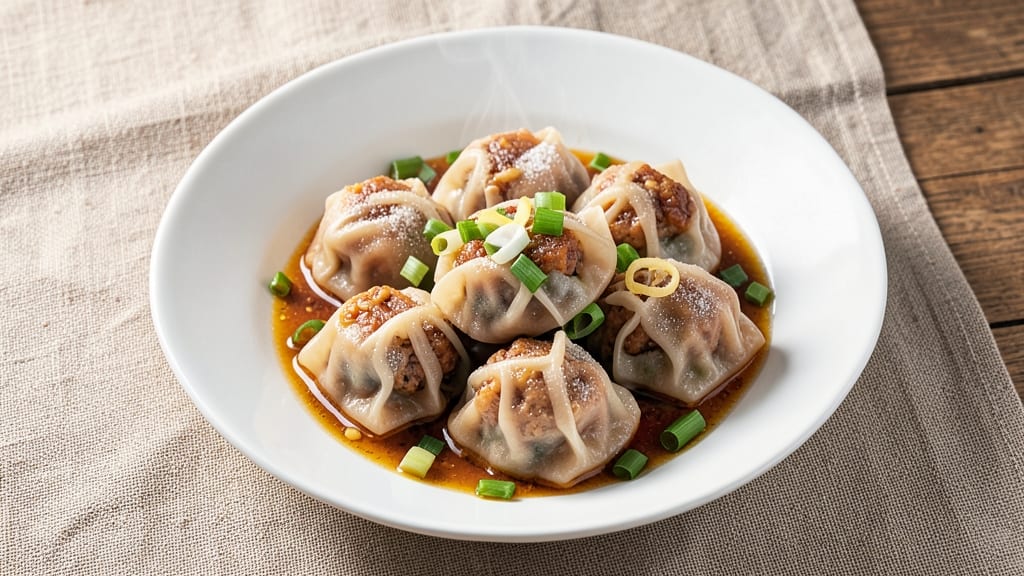
This Chinese steamed pork dumplings recipe delivers the perfect balance of wok-seared crisp edges and juicy, tender hearts—just like your favorite restaurant.
The secret lies in a simple dough made with just flour, water, and a touch of oil, combined with a flavorful pork filling packed with ginger, garlic, and scallions.
What sets these apart is the two-stage cooking method: steaming first for tender filling, then searing in a hot wok for that coveted crispy texture.
Authenticity comes from the filling technique: finely minced pork mixed with aromatic spices that infuse deeply during the steaming process. The dough is rolled thin and cut into precise circles, ensuring even cooking and a delicate texture.
This method transforms a simple home kitchen into a dumpling-making powerhouse, producing results that rival those from bustling Cantonese restaurants.
By the time you're done, you'll have a plate of golden dumplings with shatteringly crisp bottoms and succulent, flavorful centers—each bite delivering layers of savory pork, aromatic herbs, and the perfect balance of textures.
The aroma alone will have everyone gathering around the table, while the taste ensures they won't want to leave.
Serve these dumplings with a side of tangy soy-vinegar dipping sauce for the full experience. Whether you're cooking for a family dinner or hosting a gathering, this recipe delivers restaurant-quality results with minimal fuss. Let's get started on creating your perfect batch!
Ingredients for chinese steamed pork dumplings
Here's what transforms simple pantry staples into restaurant-quality dumplings with crisp edges and juicy centers.
| Ingredient | Amount | Notes |
|---|---|---|
| Ground Pork 🐖 | 1 ½ lb | Freshly ground, lean but not too dry |
| All-Purpose Flour 🌾 | 2 cups | King Arthur preferred for elasticity |
| Ice Water 💧 | ¾ cup | Chilled for dough handling |
| Vegetable Oil 🫒 | 1 tbsp | Light, neutral flavor preferred |
| Fresh Ginger 🌿 | 2 tbsp | Finely minced, aromatic |
| Garlic Cloves 🧄 | 6 cloves | Minced, fresh preferred |
| Scallions 🧅 | 3 whole | Thinly sliced, white parts only |
| Soy Sauce 🍶 | 3 tbsp | Light or all-purpose, no sugar added |
| Sesame Oil 🫒 | 1 tbsp | Toasted, for aroma |
| Shaoxing Wine 🍷 | 1 ½ tbsp | Dry, aromatic Chinese wine |
| Cornstarch 🌾 | 1 tbsp | For crisping, not flour |
| Neutral Oil 🫒 | ½ cup | For wok searing, high smoke point |
| Salt 🧂 | 1 tsp | Diamond Crystal preferred |
| White Pepper 🌶️ | ½ tsp | Freshly ground for heat |
The pork is non-negotiable—freshly ground from the butcher's counter gives the best texture. Look for 80/20 fat ratio if available, but lean works too. For the dough, King Arthur flour handles moisture better than store brands, but any all-purpose will do. The secret lies in the ice water: it keeps the dough cool and prevents sticking during rolling. Pro tip: wrap the dough ball in plastic and refrigerate for 30 minutes before rolling—it's a game-changer for even thickness.
No Shaoxing wine? Dry sherry or rice wine vinegar works in a pinch, but the aroma is key. Scallions can be swapped for green onions, but use only the white parts for cleaner flavor. The sesame oil might seem small, but it carries the umami punch—Trader Joe's toasted sesame oil is my go-to. For the wok searing, avocado oil has the highest smoke point and neutral taste. If you're short on time, use peanut oil, but it has a stronger flavor. The cornstarch is crucial for that crispy bottom—don't skip it or use flour instead.
Dough keeps 2 days wrapped in plastic in the fridge, or 3 months frozen. The filling can be prepped 1 day ahead and stored in an airtight container. For freezing, portion the raw dumplings onto a tray, freeze solid, then transfer to a bag. Steam from frozen—just add 2 minutes to cooking time. The wok-seared dumplings are best eaten fresh, but steamed ones reheat beautifully. I always make a double batch: one for dinner, one for lunch the next day.
Why You'll Love This Recipe
- No-Waste Ingredients: I swear by this recipe because it uses everything—even the leftover ginger scraps go into the filling. The flour and ice water combo makes the wrappers tender without fuss, and the pork doesn’t need fancy seasoning to shine.
- Steam-Powered Magic: That first bite—juicy, tender pork with a whisper of ginger—hits different when steamed. No oil splatter, no deep-frying mess, just pure flavor. Honestly, my slow-cooker steamer does half the work while I prep.
- Leftover Hero: These dumplings reheat like a dream—just a splash of water in the steamer basket, and they’re back to perfect. I make a double batch on Sundays and freeze half; my kids don’t even know they’re eating reheated food.
- Budget-Friendly Staples: Ground pork stretches far with a little oil and ginger, and the flour costs pennies. It’s the kind of meal that feels special but won’t break the bank—ideal for weeknights when you want takeout vibes without the delivery fee.
Step-by-step instructions for Chinese steamed pork dumplings
Mastering these dumplings means balancing crispy wok-seared edges with tender, juicy centers—here's how to nail both.
Prepare the Filling with Perfect Texture
In a large bowl, combine the 1.5 lb ground pork, 2 tbsp finely minced fresh ginger, 6 minced garlic cloves, 3 tbsp soy sauce, 1.5 tbsp Shaoxing wine, 1 tbsp sesame oil, 1 tsp salt, and 0.5 tsp white pepper. Mix gently with your hands until just combined—overworking makes the filling dense. Here's the thing—don't skip the Shaoxing wine, even if you don't have it. It's the secret to that authentic depth of flavor that separates good dumpling filling from exceptional.
Add 1 tbsp cornstarch and mix again. The cornstarch won't thicken the filling like flour would, but it helps create that crispy texture when seared. For the scallions, only use the white parts—they're milder and won't overpower the delicate pork flavor. Thinly slice them and fold them in last to keep them crisp. The filling should look moist but not soupy—if it's too wet, add another teaspoon of cornstarch.
Make the Dough with Proper Hydration
In a separate large bowl, mix the 2 cups all-purpose flour with 1 tbsp vegetable oil and 1 tsp salt. Use your fingers to break up any flour clumps. Gradually add the 0.75 cup ice water while stirring with chopsticks or a fork. The ice water is crucial—it keeps the dough cool and prevents gluten from developing too much, which would make the wrappers tough.
Once combined, turn the dough onto a lightly floured surface and knead for 3-4 minutes until smooth and elastic. Here's where it gets fun—wrap the dough in plastic and let it rest for 30 minutes. This resting period relaxes the gluten strands, making the wrappers more pliable and less likely to tear when you roll them out. If the dough feels sticky after resting, add just enough flour to make it workable—too much flour makes wrappers brittle.
Roll and Fill the Dumplings Efficiently
Divide the rested dough into 16 equal pieces (about 1.5 oz each) and roll each piece into a 3-inch circle using a rolling pin. Keep the circles covered with a damp towel to prevent drying. For the filling, place 1 tablespoon of pork mixture in the center of each circle. Here's the moment that matters: fold the dumpling in half, then pinch the edges tightly using your fingers and thumb to create a pleated half-moon shape. The tighter the seal, the less filling escapes during steaming.
Arrange the dumplings on a plate, seam-side up, and cover with a damp towel. This prevents them from drying out before steaming. I like to work in batches—roll and fill 8 dumplings, then steam them while I finish the rest. This keeps everything organized and ensures the dumplings steam evenly without becoming soggy.
Steam the Dumplings to Perfection
Set up a steamer by placing a heatproof plate or rack in a wok or large pot with 1 inch of boiling water. Bring the water to a rolling boil, then carefully place the dumplings in the steamer, leaving ½ inch between each one. Cover with a lid and steam over medium-high heat for 12-14 minutes. The steam should be vigorous—if it's not, add more water to the pot. You'll know they're done when the wrappers are translucent and the filling is cooked through.
Here's the thing about steaming—don't peek! Every time you lift the lid, you release steam and increase cooking time. Once steamed, transfer the dumplings to a plate and let them sit for 2 minutes before serving. This resting period helps them set and makes them easier to handle when you're ready to sear.
Wok-Sear for Crispy Edges and Juicy Centers
Heat 0.5 cup neutral oil in a wok or large skillet over medium-high heat until it shimmers but doesn't smoke. Add the steamed dumplings in a single layer, leaving ½ inch between each one. Don't crowd the pan—this ensures even browning. Cook undisturbed for 2-3 minutes until the bottoms are deep golden brown and crispy. You'll see the oil bubbling and sizzling—this is your signal that the Maillard reaction is working its magic.
Carefully flip each dumpling and cook for another 1-2 minutes until the other side is crispy as well. The contrast between the crispy exterior and juicy interior is what makes these dumplings so irresistible. Serve immediately with a dipping sauce of your choice—traditional soy-vinegar sauce or a spicy chili oil both work beautifully. The dumplings should be hot and steaming when you serve them, with wrappers that shatter slightly when you bite in.
Pro Tips For Making Chinese Steamed Pork Dumplings
- CHILL THE PORK: I learned this the hard way—if your ground pork is warm when you start kneading, the fat melts too fast, making the filling greasy and the wrappers soggy. Pop it in the fridge for 20 minutes first, then work with it. The difference in texture is night and day, especially when steaming.
- GRATE GINGER FINE: Skip the rough chopping. For these dumplings, you want the ginger to dissolve into the filling, not just sit as chunks. Use the smallest holes on your grater or pulse it in a food processor until it’s almost paste-like. Trust me, your dumplings will taste brighter and more cohesive.
- STEAM ON HIGH HEAT: Low and slow is for sad dumplings. Crank the steamer to full boil first, then add the dumplings—this ensures they cook evenly and don’t turn into a wet, gluey mess. Once the water’s rolling, reduce to medium heat and cover tightly. No peeking; that’s how you lose steam.
- FREEZE WRAPPERS IN STACKS: I used to waste dough by squishing wrappers together, making them stick and tear. Now, I roll them out, cut, and stack them between parchment paper, then freeze for 30 minutes. They’ll hold shape perfectly when you’re ready to fill them, and you can even reheat them straight from frozen in the steamer. Game-changer.
Storing and reheating this chinese steamed pork dumplings
Steamed Dumplings Storage
Store filled but uncooked dumplings on a tray lined with parchment paper in the freezer for up to 3 months. Once frozen solid, transfer to an airtight freezer bag with all air removed.
I like to use quart-sized Ziploc bags because they're stackable and take up less space. Label with the date—trust me, you'll forget! 📅
For short-term storage, keep the dough wrapped in plastic in the fridge for 2 days or freeze it for 3 months. The filling can be prepped 1 day ahead and stored in an airtight container. The key is to keep everything sealed tightly to prevent drying or freezer burn.
Reheating Steamed Dumplings
Steamed dumplings reheat beautifully in a steamer basket over boiling water for 3-4 minutes. Place them seam-side up and cover with a lid to trap the steam. This method maintains their tender texture without making them soggy. I always reheat just before serving to keep them crisp.
For a quick fix, use the microwave on medium power for 1-2 minutes with a damp paper towel covering them. This prevents drying, but the texture won't be as perfect as steaming. Add a splash of water if they look dry.
Wok-Sear Reheating Secrets
Wok-seared dumplings are best eaten fresh, but you can reheat them in a skillet with ½ tablespoon neutral oil over medium heat for 1-2 minutes per side. The oil helps recreate that crispy exterior. Just don't overcrowd the pan—keep them spaced out for even browning. 🔥
If you're short on time, pop them in the oven at 375°F for 5-6 minutes on a wire rack over a baking sheet. This gives a slightly crispy texture without the hassle of a wok. The oven method is my go-to when I'm prepping ahead for a crowd.
Freezer-to-Steam Method
Frozen dumplings can be steamed directly from frozen—just add 2 extra minutes to the cooking time. Place them in the steamer and steam over medium-high heat until the wrappers are translucent. No need to thaw first! This is a lifesaver for busy weeknights. ⏰
For wok-searing from frozen, steam them first (with the extra time), then proceed with the searing step as usual. The filling will be fully cooked through, and the wrappers will crisp beautifully. Just be patient—they'll take a little longer to reach that golden-brown perfection.
Nutrition facts
Frequently asked questions about Chinese steamed pork dumplings
Can I make the dough without a rolling pin?
If you don't have a rolling pin, use a clean wine bottle or even a heavy pan to flatten the dough. For extra-thin wrappers, place the dough between two sheets of parchment paper and gently press with a heavy book. The key is even thickness—aim for about 1/16-inch thick for perfect dumplings.
What's the best way to prevent filling from leaking?
Seal tightly by pinching the edges in a pleated pattern, then press firmly with your thumb. For extra security, fold the edges slightly inward before sealing. If filling still leaks during steaming, reduce the amount to 1 teaspoon per dumpling—less is often more for a clean finish.
Can I use chicken or shrimp instead of pork?
Yes, but textures will differ. Chicken works well but may be slightly drier—add 1 extra tbsp sesame oil to compensate. For shrimp, use 12 oz peeled shrimp (finely chopped) and reduce the cornstarch to ½ tbsp—shrimp releases less moisture. Adjust seasoning to taste, as seafood has a milder flavor profile.
Why did my dumplings turn out soggy?
Soggy dumplings usually mean oversteaming or insufficient searing. Steam for exactly 12-14 minutes (no peeking!) and let them rest 2 minutes before searing. For crispy results, use a wok with enough oil to create a thin layer—about ½ cup total for 16 dumplings.
How do I make these without a steamer?
Use a colander or metal mesh basket that fits over your pot. Place a damp paper towel in the basket to prevent sticking. Fill the pot with 1 inch of water and bring to a boil before adding the dumplings. Steam time remains the same (12-14 minutes), but check water levels occasionally to maintain steam.