
Main Courses
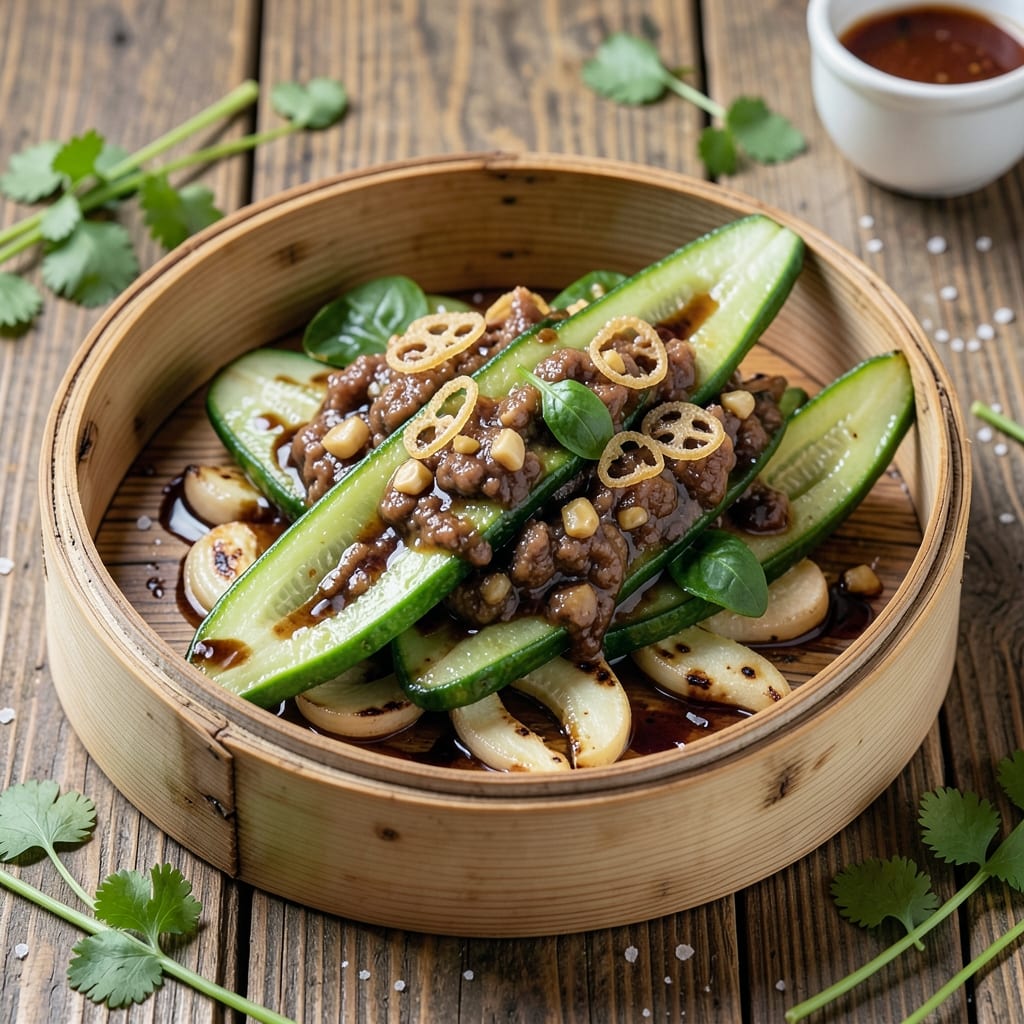
This Filipino stir-fry with bitter melon and minced pork delivers the perfect balance of earthy bitterness and savory richness that defines comfort food in the Philippines. The key lies in properly preparing the bitter melon—peeling, desalting, and cutting it just right—to transform its natural bitterness into a complex, umami-packed flavor profile that pairs beautifully with tender pork. I've perfected this technique over years of cooking Filipino dishes, where the bitterness is always balanced by sweetness and acidity.
The stir-fry method ensures quick cooking while preserving the melon's texture—crisp-tender edges that contrast with the perfectly seared pork. Traditional recipes often include garlic, ginger, and soy sauce for depth, but I've added a touch of brown sugar to enhance the natural sweetness of the pork and melon. What makes this dish truly special is how the bitterness actually enhances the meal rather than overpowering it, creating a satisfying contrast that becomes addictive after just one bite.
By the time you serve this dish, you'll have a vibrant stir-fry with tender pork pieces and slightly charred melon pieces that hold their shape. The sauce clings to everything, creating a harmonious blend of flavors that's both comforting and exciting. This is the kind of dish that feels like a home-cooked meal but with restaurant-quality depth and balance.
Serve it with steamed jasmine rice to soak up every last bit of that flavorful sauce, or pair it with a simple side salad for freshness. The technique is straightforward, but the result is anything but ordinary—this is Filipino home cooking at its finest. Let's get started on creating this balanced, flavorful stir-fry.
Ingredients for bitter melon with minced pork
Transform earthy bitterness into umami harmony with these carefully chosen Filipino stir-fry ingredients.
| Ingredient | Amount | Notes |
|---|---|---|
| Bitter Melon 🥒 | 2 lb | Peel, desalt, and slice thinly |
| Ground Pork 🐖 | 1 lb | Lean, finely minced preferred |
| Garlic Cloves 🧄 | 6 cloves | Minced for aromatic depth |
| Fresh Ginger 🌿 | 1 ½ tbsp | Grated, for zesty brightness |
| Soy Sauce 🍶 | ½ cup | Light or dark variety |
| Brown Sugar 🍯 | 2 tbsp | Packed, for caramelized sweetness |
| Black Vinegar 🍶 | 2 tbsp | For tangy balance |
| Oyster Sauce 🍶 | 2 tbsp | Umami-rich, essential for depth |
| Sesame Oil 🫒 | 1 tbsp | Toasted, for nutty aroma |
| Vegetable Oil 🫒 | 3 tbsp | High smoke point for stir-frying |
| Green Onions 🧅 | 4 whole | Sliced, for fresh finish |
| Salt 🧂 | ½ tsp | Kosher or sea salt |
| White Pepper 🌶️ | ¼ tsp | Freshly ground for subtle heat |
The bitter melon is non-negotiable here—look for firm, deep-green varieties at Filipino markets or well-stocked grocery stores. The Asian grocery aisle at Walmart or Costco often carries it fresh, but if you can't find it, substitute with okra (though texture will differ). Peeling and desalting is critical: slice the melon, soak in salted water for 10 minutes, then rinse thoroughly. For the pork, ground pork shoulder gives better flavor than lean cuts, but ground beef works in a pinch. Pre-mincing the pork at home ensures even cooking—most grocery stores sell pre-minced pork, but it's often mixed with fillers. Buy from a trusted butcher if possible.
No black vinegar? Substitute with rice vinegar plus a pinch of sugar—it won't be identical, but it'll bridge the gap. Oyster sauce is essential for that signature umami, but hoisin sauce at double the amount can stand in. The ginger and garlic should be freshly grated/minced—pre-minced jarred versions lack punch. For a sweeter profile, add an extra tablespoon of brown sugar; for more tang, increase the vinegar to 3 tablespoons. Sesame oil should be toasted—untosted versions will taste raw. The green onions add freshness, but cilantro works if you prefer a different herbal note. Save the stems for garnish—they're more potent than the leaves.
Bitter melon oxidizes quickly—store unpeeled in a sealed container for up to 3 days, or freeze peeled slices for 2 months. Pre-minced pork keeps 2 days in the fridge, but freeze it if not using within that time. The soy sauce, oyster sauce, and vinegar all stay fresh for 6-12 months unopened. Portion the stir-fry sauce into ice cube trays—freeze and store for quick reheating later. This dish reheats beautifully—microwave with a splash of water to restore crispness to the melon. Leftovers keep 3 days in the fridge, but eat within 2 days for best texture.
Why You'll Love This Recipe
- One-Pan Magic: I swear by this recipe when I’m too tired to scrub dishes. The bitter melon and pork sizzle together in the same pan while the garlic and ginger release their aroma—no extra pots, no fuss. Just flip and stir.
- Umami Bomb: That first bite? The pork’s savory richness cuts through the bitter melon’s sharpness, and the soy sauce ties it all into a dish that’s ridiculously balanced. Honestly, the ginger adds this subtle heat that makes it feel like a hug in food form.
- Lunchbox Hero: Between us, this keeps perfectly for days in the fridge. Pack it cold for work or reheat it for dinner—same great taste. My kids even ask for it, and that’s saying something when they’d rather eat cereal.
- Pocketbook Friendly: Ground pork is cheap, bitter melon lasts forever, and a few cloves of garlic stretch far. I make this twice a month and never break the bank. Plus, the leftovers taste just as good the third day—no sad, soggy meals here.
Step-by-step instructions for Filipino bitter melon stir-fry
Master this classic Filipino dish with perfect balance between bitter and savory flavors.
Prepare the Bitter Melon for Cooking
Begin by peeling the bitter melon using a vegetable peeler or sharp knife, removing any tough outer skin. Cut the melon lengthwise into halves and scoop out the seeds using a spoon—they're bitter and fibrous. Rinse thoroughly under cold water to remove any remaining bitterness, then pat completely dry with paper towels.
Slice the melon into thin, even strips about ¼-inch thick. For best results, I recommend slicing against the grain to maintain texture. Place the sliced melon in a colander and sprinkle with the ½ teaspoon salt—this helps draw out excess moisture and mellows the bitterness. Let it sit for 10 minutes while you prepare the other ingredients.
Stir-Fry the Ground Pork with Aromatics
Heat 2 tablespoons of vegetable oil in a wok or large skillet over medium-high heat until shimmering. Add the 1 pound ground pork and cook, breaking it apart with a wooden spoon, until it loses its raw color and becomes light brown—about 4-5 minutes. This ensures all the pork is fully cooked without becoming dry.
Add the 6 cloves minced garlic and 1.5 tablespoons grated fresh ginger, stirring constantly for 30 seconds until fragrant. The garlic should sizzle and turn golden—this releases its full flavor. Immediately add the salted bitter melon and toss everything together for 2 minutes until the melon begins to soften slightly but still retains some bite.
Build the Signature Sauce
In a small bowl, whisk together the ½ cup soy sauce, 2 tablespoons brown sugar, 2 tablespoons black vinegar, 2 tablespoons oyster sauce, and ¼ teaspoon white pepper. Pour this mixture over the pork and melon in the wok. Stir well to coat everything evenly, then increase heat to high and bring to a simmer.
Let the sauce reduce for 3-4 minutes until it thickens slightly and clings to the ingredients. You'll notice the bitter melon softens further and absorbs the flavors. Taste and adjust seasoning if needed—you may want to add a splash of water if the sauce becomes too thick. The goal is a glossy, well-balanced sauce that coats every bite.
Finish with Sesame Oil and Garnish
Reduce heat to medium-low and stir in the 1 tablespoon toasted sesame oil. This adds a nutty aroma and rich depth to the dish. Cook for an additional 1-2 minutes to let the sesame oil infuse with the other flavors. Remove from heat and let the stir-fry sit for 2 minutes to allow the ingredients to meld.
Garnish with the 4 whole green onions, sliced diagonally into ½-inch pieces. The fresh green onions provide a bright contrast to the rich, savory flavors. Serve immediately over steamed rice to soak up all that delicious sauce. This dish tastes best fresh, so don't let it sit too long before serving.
Pro Tips For Making Bitter Melon With Minced Pork
- STIR-FRY IN BATCHES: I learned this the hard way—trying to cook all the pork and bitter melon at once just makes a soggy mess. Divide the pork into two portions and cook each in 30-second bursts, then set aside before adding the melon. The heat stays high, and the texture stays crisp.
- SCORE THE MELON: Bitter melon’s thick skin and seedy flesh resist even heat. Use a sharp knife to slice the melon lengthwise, then score the flesh in a crosshatch pattern—about ½-inch deep. This lets the soy sauce and ginger penetrate faster and softens it evenly without turning to mush.
- PRESS THE GINGER: Fresh ginger loses its punch when minced too finely. Instead of grating, use the flat side of your knife to smash 1-inch slices into a paste—no peeling needed. This releases more flavor and prevents the dish from tasting like raw ginger. (Yes, even if you’re impatient like me.)
- SALT THE PORK FIRST: Raw ground pork can get greasy and tough when stir-fried. Sprinkle ½ teaspoon of salt and ½ teaspoon of sugar over the pork, then let it sit for 10 minutes before cooking. The salt draws out moisture, and the sugar caramelizes slightly, giving the pork a deeper, richer base flavor. (Your future self will notice.)
Creative variations of this recipe
Filipino-Style Braised
Transform this stir-fry into a comforting braised dish by simmering the pork and bitter melon in a rich, caramelized sauce. After cooking the pork and aromatics, add 1 cup coconut milk and ½ cup chicken broth to the wok. Cover and simmer on low heat for 20-25 minutes until the melon is fork-tender. The coconut milk balances the bitterness beautifully, creating a creamy, hearty texture. Garnish with toasted coconut flakes for extra depth. 🥥
Sweet Chili Glaze
For a modern twist, replace the soy sauce with a ½ cup sweet chili glaze (like Maesri brand) and add 1 tbsp fish sauce for umami. Cook the pork and melon as directed, then toss with the glaze and a pinch of red chili flakes. The sweet-spicy contrast elevates the dish while keeping the Filipino soul intact. Serve with lime wedges for brightness.
Okra Substitution
If bitter melon is unavailable, swap it for 1 lb fresh okra, sliced into ½-inch rounds. Blanch the okra in boiling water for 2 minutes to soften slightly before stir-frying. The texture will differ, but the dish remains flavorful. Add 1 tsp baking soda to the salt soak to reduce sliminess in okra. This works surprisingly well in a pinch! 🥒
Spicy Shrimp Addition
Boost the dish with ½ lb peeled shrimp added during the last 2 minutes of cooking. Toss in 1 tsp sriracha and ½ tsp grated lime zest for a spicy, citrusy kick. The shrimp cooks quickly and adds a luxurious texture. Serve with extra chili flakes on the side for heat lovers. This version feels like a restaurant special!
Sweet Potato Stir-Fry
Add 1 cup diced sweet potato to the stir-fry during the 3-minute sauce reduction phase. The natural sweetness complements the pork and melon beautifully. For extra flavor, toss the sweet potatoes with ½ tsp smoked paprika before adding them to the wok. This creates a vibrant, colorful dish that's perfect for family meals. 🍠
Coconut Curry Fusion
Blend the stir-fry into a curry by adding 1 cup coconut milk and 1 tbsp red curry paste after the pork is cooked. Simmer for 15 minutes until the sauce thickens, then stir in ½ cup chopped bell peppers and ¼ cup cilantro. The creamy, spicy sauce transforms this into a full-flavored curry that's perfect with basmati rice. Garnish with lime wedges for freshness.
Nutrition facts
Frequently asked questions
Why does bitter melon need to be desalted before cooking?
Desalting removes excess moisture and reduces bitterness by drawing out natural compounds that make the melon taste harsh. The 10-minute salt soak followed by rinsing transforms the vegetable into a more palatable base that absorbs flavors better. This step is crucial for achieving the perfect balance of bitter and savory in Filipino dishes.
Can I substitute regular pork for ground pork shoulder?
Regular ground pork (like pork loin) will work, but ground pork shoulder gives richer flavor due to its fat content. For leaner cuts, add 1 teaspoon extra oil when cooking to prevent dryness. If using pre-minced pork from stores, check for fillers—homemade or butcher-prepared minced pork always tastes fresher.
What's the secret to balancing the bitterness in this dish?
The balance comes from the sauce trio: sweet (brown sugar), sour (black vinegar), and umami (oyster sauce). The soy sauce adds saltiness while the sesame oil provides nutty depth. Taste as you go—adjust ratios to your preference, but never skip the vinegar, as it's essential for cutting through the bitterness.
How do I know when the bitter melon is cooked properly?
Perfectly cooked bitter melon should be tender but still slightly crisp with no resistance when pierced. It should hold its shape while absorbing the sauce. Overcooking turns it mushy—watch closely during the 2-minute stir-fry phase after adding aromatics. The edges should just begin to soften when ready.
Can I make this dish ahead of time?
Yes, but with adjustments. Cook the stir-fry as directed, then cool and refrigerate for up to 2 days. Reheat gently with a splash of water to restore moisture. For best texture, serve within 2 days**—the melon loses crispness when stored too long. Freezing isn't recommended as it alters the texture significantly.