
Main Courses
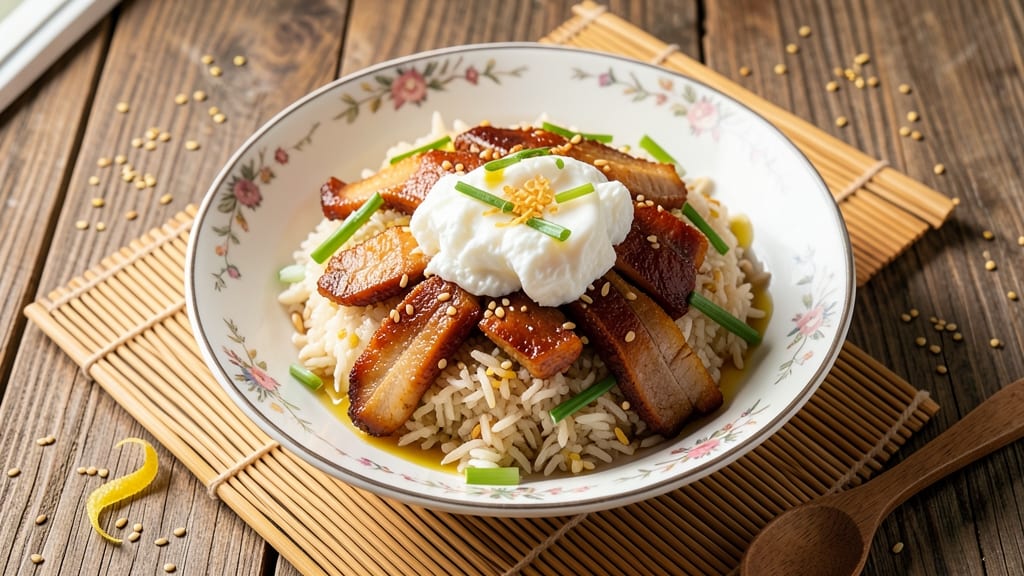
This Chinese roast pork fried rice recipe delivers the perfect harmony of crispy egg whites, charred aromatics, and tender char siu—every bite tastes like a home-cooked version of your favorite takeout.
The secret lies in properly prepping the roast pork and mastering the stir-fry technique to create that signature smoky, caramelized flavor without losing texture. I've perfected this dish over countless weeknight dinners, and it's now a staple in my rotation for feeding a crowd or using leftovers.
The foundation starts with authentic char siu—sweet, sticky, and slightly charred pork that falls apart at the touch of a fork. We'll use day-old rice (cold rice fries better) and a high-heat wok for that classic wok hei, or "breath of the wok," that gives the dish its signature aroma.
The egg whites are cooked separately to achieve that signature crispy texture, then tossed in at the end for maximum drama. This isn't your average fried rice—it's a restaurant-quality dish you can make at home with simple ingredients and the right technique.
What you'll end up with is a vibrant plate of fried rice loaded with crispy egg whites, tender char siu pieces, and charred aromatics that pack serious flavor. The sweet-savory glaze from the roast pork carries through every bite, while the egg whites add a satisfying crunch.
Garnished with fresh scallions and toasted sesame seeds, this dish looks as impressive as it tastes. It's the kind of meal that makes you want to serve it to guests, even if you're just making it for yourself.
This recipe scales beautifully—double or halve it to fit your needs—and the leftovers reheat just as well as the first serving. Whether you're feeding a family, meal prepping for the week, or simply craving a comforting Chinese home-style meal, this fried rice delivers.
Let's get started on creating your perfect plate of Chinese roast pork fried rice.
Ingredients for chinese roast pork fried rice
Four cups of cold rice, a pound of char siu, and crispy egg whites—this is your takeout-quality fried rice shortcut.
| Ingredient | Amount | Notes |
|---|---|---|
| Day-Old Jasmine Rice 🍚 | 4 cups | Cold rice fries best |
| Char Siu (Chinese Roast Pork) 🥓 | 1 lb | Store-bought or homemade, chopped |
| Large Egg Whites 🥚 | 4 whole | Freshly beaten, room temp |
| Scallions 🧅 | ¼ cup | Thinly sliced, green parts only |
| Toasted Sesame Seeds 🌾 | 1 tbsp | For garnish |
| Vegetable Oil 🫒 | ½ cup | High smoke point preferred |
| Garlic Cloves 🧄 | 4 cloves | Minced, for aromatics |
| Fresh Ginger 🌿 | 1 tbsp | Grated, for depth |
| Soy Sauce 🍶 | 2 tbsp | Light or dark, to taste |
| Oyster Sauce 🍶 | 1 tbsp | For umami richness |
| Sesame Oil 🫒 | 1 tsp | For finishing aroma |
| Salt 🧂 | ½ tsp | Adjust to taste |
| Black Pepper 🌶️ | ¼ tsp | Freshly ground |
| White Pepper 🌶️ | ¼ tsp | For subtle heat |
The char siu is non-negotiable here. Look for pre-sliced roast pork at Asian markets—it's already marinated and ready to go. If you're making it from scratch, Honey Island or Lee Kum Kee sauces are my go-to for that signature sweet-savory glaze. The rice? Day-old jasmine rice is ideal—fresh rice turns mushy. Pro tip: spread cooked rice on a tray and refrigerate overnight for perfect texture. For the egg whites, room temperature is key—they'll cook faster and crispier. Separate them at least 30 minutes before cooking.
No char siu? Substitute with leftover ham or smoked pork, but add a splash of hoisin sauce to mimic the sweetness. Scallions missing? Green onions work too—just use the green parts for garnish. The aromatics (garlic and ginger) can be swapped for garlic chives or fresh cilantro if needed. For the oils, avocado oil handles high heat better than vegetable oil, but either works. Want extra umami? Add a dash of fish sauce—just don't tell anyone I said that. The sesame oil is for finishing—use the good stuff (none of that cheap flavoring oil).
Store leftovers in airtight containers for 3-4 days—they reheat beautifully. Freeze portions for up to 3 months by spreading fried rice on a tray first (prevents clumping). For extra crispiness, reheat in a wok or skillet with a splash of oil. The egg whites lose crispiness when reheated, so make fresh portions if serving later. Garnish with sesame seeds right before eating—they toast instantly over high heat.
Why You'll Love This Recipe
- I’ll be real: this recipe makes two full meals for the price of one takeout order. Char siu freezes like a dream, and day-old rice? That’s just smart. Plus, the ingredients are all pantry staples—no specialty shopping, just pure flavor for less. My wallet and my taste buds win.
- Fridge-to-Table Magic: Honestly, this dish is my lazy night hero—just pull out leftover jasmine rice, chop some scallions, and toss in that pre-sliced char siu. No soaking, no fancy techniques, just stir-fry until golden. The egg whites? They cook in seconds, turning silky with just a whisper of soy sauce.
- Sweet-Savory Crunch: Between us, the char siu’s sticky, caramelized edges melt into the rice while the toasted sesame seeds add this perfect nutty crunch. The egg whites? They’re the star—creamy, jiggly centers that soak up all the flavor. It’s the kind of dish where every bite feels like a little celebration.
- Lunchbox Legend: Here’s what sold me—this is my go-to for packed lunches. The rice stays fluffy for days, the pork keeps its chewy-sweet bite, and the sesame seeds give it that gourmet touch without effort. Even my picky teenager grabs seconds when I pack it cold.
Step-by-step instructions for Chinese roast pork fried rice
Here's how to transform cold rice into a restaurant-quality fried rice with perfect crispy egg whites and charred aromatics.
Prepare the Egg Whites for Crispy Perfection
In a medium bowl, beat the 4 whole large egg whites until frothy but not fully stiff. I like to add a pinch of the 0.5 teaspoon salt to the eggs before beating - this helps them hold their shape better when cooking. The goal is to create a delicate, cloud-like texture that will crisp beautifully in the hot oil.
Heat 2 tablespoons of the 0.5 cup vegetable oil in a wok or large skillet over medium-high heat until shimmering but not smoking. Working quickly, pour the egg whites into the hot oil in a thin, even layer. Let them cook undisturbed for about 30 seconds until the edges begin to set and the bottom turns golden. Here's the thing - don't flip or stir them yet. They need that initial contact with the pan to create that signature crispy exterior.
Cook the Char Siu and Aromatics
While the egg whites crisp, push them to one side of the wok and add the remaining 3 tablespoons vegetable oil. Increase heat to high and add the 1 pound char siu, breaking it into bite-sized pieces as it hits the pan. Cook for 2-3 minutes until the pork is heated through and slightly caramelized around the edges - you'll see those beautiful pink hues deepen as it cooks.
Add the 4 cloves minced garlic and 1 tablespoon grated fresh ginger, stirring constantly for about 30 seconds until fragrant. The garlic should turn golden and the ginger should release its pungent aroma. Immediately add the 0.25 cup thinly sliced scallions, stirring for another 10 seconds until just wilted. This quick cooking preserves their freshness while building the aromatic base for your fried rice.
Fry the Egg Whites to Crispy Golden Bubbles
Now return to the egg whites. Using a wide spatula, gently flip them over and cook for another 20-30 seconds until the bottom is golden brown and the edges are crisp. The key is to work quickly - you want those beautiful golden bubbles to form on the surface while keeping the centers tender. Remove the egg whites to a plate and set aside, keeping them warm.
Here's where it gets fun - scrape up all those delicious browned bits from the bottom of the wok with a wooden spoon. These flavorful bits are called "fond" and they're packed with concentrated umami from the char siu and aromatics. You'll want to add these back to your fried rice later for maximum flavor.
Stir-Fry the Rice with Umami Bombs
Add the 4 cups day-old jasmine rice to the wok in a single layer, spreading it out evenly. Cook undisturbed for 1-2 minutes until the rice begins to sizzle and turn opaque at the edges. This initial contact with the pan helps create that perfect wok hei - the smoky, charred flavor that makes authentic fried rice taste so good.
Pour in the 2 tablespoons soy sauce and 1 tablespoon oyster sauce, stirring vigorously to distribute evenly. Add the 1 teaspoon sesame oil and toss everything together for about 1 minute until the rice is heated through and coated with the sauces. The rice should be hot but not steaming - you're looking for individual grains that are slightly charred in spots.
Combine and Finish with Crispy Egg Whites
Return the crispy egg whites to the wok along with any accumulated juices. Add the 0.25 teaspoon black pepper and 0.25 teaspoon white pepper, tossing everything together gently but thoroughly. The egg whites should re-crisp slightly from the heat of the rice - that's what you're aiming for.
Taste and adjust seasoning if needed - you might want to add a splash of water or a bit more soy sauce for perfect balance. Remove from heat and transfer to serving plates. Garnish immediately with the 1 tablespoon toasted sesame seeds, pressing them gently into the surface for that professional restaurant finish. Serve while hot with extra scallions on the side if desired.
Pro Tips For Making Chinese Roast Pork Fried Rice
- CHOP CHAR SIU SMALL: I learned this the hard way—big chunks of Char Siu don’t break down, they just sit there like stubborn guests. Dice that pork into ½-inch cubes or smaller so it melts into the rice instead of turning into a chewy afterthought. (Yes, even if you’re impatient like me.)
- USE COLD RICE: Day-old rice is non-negotiable, but cold rice works better than lukewarm. Spread it out on a tray and refrigerate for at least 2 hours—this dries the surface slightly, so it crisps up instead of turning mushy. (Your future self will thank you.)
- SCRAMBLE EGGS FAST: High heat, not low and slow. Push those egg whites into a thin layer with a spatula, and resist the urge to stir constantly—let them set just enough to hold together. They’ll finish cooking in the rice, but starting with a slightly undercooked base keeps them tender. (Sounds weird, but it works.)
- TOAST SEEDS FIRST: Skip the sesame seeds straight from the jar—they’ll burn before adding flavor. Dry-toast them in a small pan over medium-low for 30 seconds until fragrant, then sprinkle over the finished rice. This guarantees they’ll just add nutty crunch, not bitter smoke. (I skip this when I’m lazy, but the dish is noticeably better when I don’t.)
Essential equipment for chinese roast pork fried rice
Wok Essentials
Your wok is the star of this dish—carbon steel woks like those from Made In or Winco are my top picks for their superior heat retention and responsiveness. A 14-inch wok gives you enough surface area to stir-fry all ingredients properly without overcrowding.
If you don't have a wok, a heavy-bottomed cast iron skillet (like Lodge) works in a pinch, though it won't give you that authentic wok hei. 🔥
For high-performance cooking, preheat your wok until it's smoking hot before adding oil. This creates the ideal surface for that signature charred flavor. I like to use a propane burner if available—it reaches higher temperatures faster than electric stoves.
If using gas, adjust the flame to medium-high for consistent heat distribution.
Oil Selection
High-smoke-point oils are a must for stir-frying—avocado oil or peanut oil are my go-to choices because they can handle the 450-500°F temperatures needed for crispy egg whites and caramelized aromatics. Avoid olive oil, which burns easily.
I keep a bottle of Mazola extra light olive oil (yes, it's technically olive oil but behaves like a neutral oil) in my pantry for stir-frying. 🫒
Use 2 tablespoons for the egg whites and 3 tablespoons for the remaining ingredients—this gives you enough oil to create a thin, even layer for proper cooking. Don't skimp here; adequate oil prevents sticking and ensures even browning.
For extra flavor, I sometimes add 1 teaspoon of toasted sesame oil to the wok after removing the egg whites.
Knife and Cutting Tools
A sharp chef's knife (like Wüsthof's Classic) is essential for mincing garlic and ginger efficiently. I find that rocking motion technique works best for these aromatics—aim for 1/8-inch pieces for garlic and 1/4-inch shreds for ginger.
A mandoline can help with uniform scallion slices, but a sharp knife works just fine if you take your time. 🧅
For the char siu, use a cleaver or heavy knife to chop through the meat cleanly. If your pork is frozen, thaw it first—this makes chopping much easier.
I like to keep my knives stone-sharpened because dull knives crush ingredients instead of cleanly cutting them, which affects both texture and presentation.
Essential Gadgets
A wide spatula (like OXO Good Grips) is your best friend for flipping egg whites and tossing rice without breaking them. Look for one with heat-resistant handles—you'll be working with hot woks.
I also keep a wooden spoon handy for scraping up those flavorful browned bits (fond) from the bottom of the wok. These bits are packed with concentrated flavor and should be incorporated back into the fried rice. 🥄
For measuring, I recommend a stainless steel measuring cup and spoons—they're durable and accurate. A microplane is perfect for grating fresh ginger quickly. If you're new to stir-frying, a thermometer (like Thermoworks Smoke) helps ensure your wok reaches the optimal 450-500°F temperature range for crispy results.
Nutrition facts
Frequently asked questions
Why does the recipe call for day-old rice instead of fresh rice?
Day-old rice is essential because its slightly drier texture fries up perfectly with individual grains instead of turning mushy. Fresh rice contains too much moisture, which steams the rice instead of crisping it. Spread freshly cooked jasmine rice on a tray and refrigerate overnight for ideal texture.
Can I make this fried rice without a wok?
A 12-inch cast iron skillet or heavy-bottomed nonstick pan works well, though you'll lose some of the authentic wok hei. Use medium-high heat and keep the pan moving constantly to prevent burning. A 14-inch carbon steel wok is ideal, but don't let equipment hold you back from making this delicious dish.
What's the secret to getting crispy egg whites?
Room temperature egg whites and high heat are key. Beat them lightly (just frothy), use 450-500°F oil, and cook undisturbed for 30 seconds per side. The secret sauce? Don't overcrowd the pan—work in batches if needed. The whites should form golden bubbles on top while staying tender inside.
How do I prevent the fried rice from getting soggy?
Use high heat and stir-fry quickly to evaporate excess moisture. Avoid adding water unless absolutely necessary—it steams the rice instead of frying it. For extra insurance, spread the fried rice on a tray and chill for 15 minutes before serving to crisp up any softened areas.
What can I substitute if I don't have char siu?
Use leftover ham or smoked pork, but add 1 tablespoon hoisin sauce to mimic the sweetness. For extra flavor, marinate chicken thighs in soy sauce, honey, and five-spice powder for 30 minutes before cooking. The key is balancing sweet and savory flavors in your protein.