
Main Courses
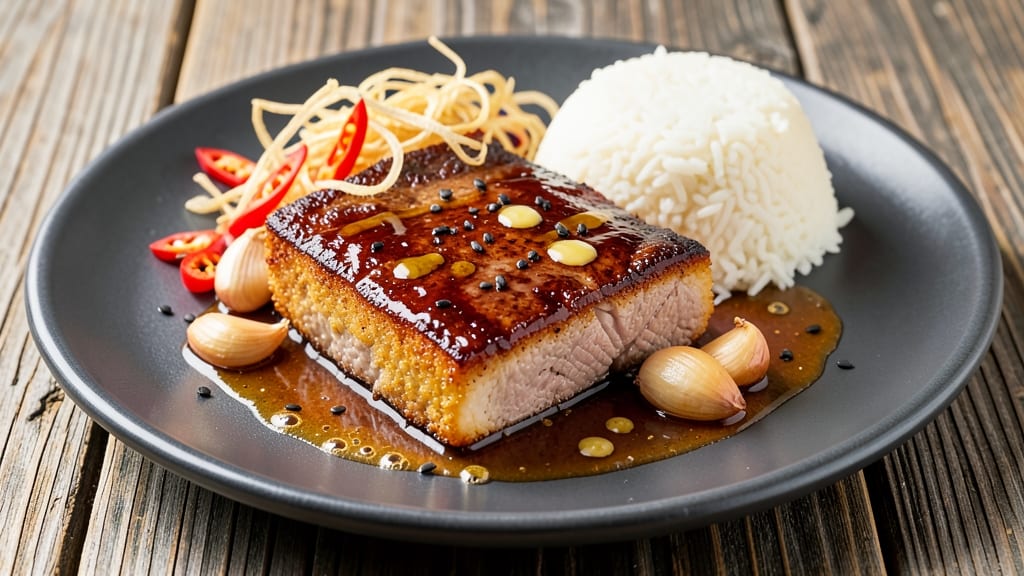
This Chinese pork steak delivers restaurant-quality wok-seared crispness with a sweet soy glaze that’ll have you reaching for seconds. 🔥 I perfected this technique after years of studying Chinese stir-fry methods—where tender pork meets caramelized edges in perfect harmony.
The secret lies in a quick velveting marinade that keeps the meat juicy while developing that signature wok-hei smokiness.
What sets this recipe apart is the balance of textures: crispy seared edges contrast with a velvety interior, all coated in a glossy glaze that’s sweet, tangy, and just slightly spicy. Unlike traditional braised pork, this version cooks in under 20 minutes—ideal for weeknight dinners that feel special.
The marinade transforms tougher cuts into melt-in-your-mouth perfection without sacrificing that coveted wok char.
Serve it over steamed jasmine rice with quick-pickled cucumbers or stir-fried bok choy for a complete meal. The glaze clings beautifully, making every bite a symphony of flavors—savory, sweet, and umami-rich.
This isn’t just pork steak; it’s a taste of authentic Chinese home cooking that’s easier to make than you’d think.
Once you try this method, you’ll never go back to dry or overly sweet versions. The velveting technique ensures juiciness, while the high-heat sear creates that golden crust that’s impossible to resist. Trust me—this is the pork steak recipe that’ll become your new go-to.
Ingredients for chinese pork steak
Restaurant-quality wok-seared pork steak starts with these 14 ingredients—simple but transformative.
| Ingredient | Amount | Notes |
|---|---|---|
| Pork Shoulder (or Pork Butt) 🥩 | 1 ½ lb | Cut into 1-inch thick slices |
| Cornstarch 🌾 | 2 tbsp | For velveting marinade |
| Shoyu (Japanese Soy Sauce) 🥄 | ½ cup | High-quality, not regular soy sauce |
| Shaoxing Wine 🍷 | ¼ cup | Substitute with dry sherry |
| Brown Sugar 🍚 | ¼ cup | Light or dark, packed |
| Garlic Cloves 🧄 | 8 cloves | Minced, for marinade |
| Fresh Ginger 🌿 | 2 tbsp | Finely grated, not powdered |
| Sesame Oil 🫒 | 1 tbsp | Toasted, for aroma |
| Neutral Oil (Peanut or Vegetable) 🫒 | ½ cup | High smoke point for searing |
| Green Onions 🧅 | 4 whole | White and green parts separated |
| White Peppercorns 🌶️ | ½ tsp | Freshly ground for heat |
| Jasmine Rice 🍚 | 1 ½ cups | Uncooked, for serving |
| Red Chili Flakes 🌶️ | ½ tsp | Optional, for heat |
| Salt 🧂 | 1 ½ tsp | Kosher or sea salt |
The pork shoulder is non-negotiable—it’s the cut that delivers that signature melt-in-your-mouth texture. Look for well-marbled pork at Whole Foods or your local butcher shop; the fat keeps it juicy during the high-heat sear. If you can’t find pork shoulder, pork butt works just as well. Slice it into 1-inch thick pieces—thicker slices stay juicier. For the soy sauce, Kikkoman or La Choy are reliable, but if you’re feeling fancy, grab a bottle of Japanese shoyu from an Asian market. Shaoxing wine? Trader Joe’s carries it, or any dry sherry in a pinch. The brown sugar should be packed—don’t scoop it loosely, or you’ll end up with a dry glaze.
No Shaoxing wine? Dry sherry or even a splash of rice vinegar works in a bind, though the flavor won’t be identical. Fresh ginger is a must—powdered ginger lacks the bright, zesty punch. If you’ve got a microplane, use that for the ginger; if not, a fine grater does the trick. The sesame oil is all about aroma—toast it in a dry pan for 30 seconds before adding to the marinade to wake up those nutty notes. For the oil, peanut or vegetable oil is ideal, but avoid olive oil—it burns too easily at high heat. The green onions? Separate the whites and greens: whites go into the marinade, greens get chopped for garnish. White peppercorns add heat without color—black pepper would stain the glaze, so stick with white.
Marinate the pork for at least 30 minutes, but up to 4 hours for deeper flavor. Store any leftover marinade in the fridge for up to 3 days, though I usually use it all up. The cooked pork steak reheats beautifully—wrap in foil and warm in a 300°F oven for 10 minutes. For the rice, jasmine rice is a must—it’s aromatic and absorbs the glaze perfectly. Leftovers? Portion into airtight containers and freeze for up to 3 months. The glaze thickens as it cools, so reheat with a splash of water if it seems too stiff.
Why You'll Love This Recipe
- One-Pan Magic: I swear by this for lazy nights—just sear the pork, toss in the sauce (shoyu + Shaoxing wine + brown sugar), and let it braise. No chopping, no fuss, no extra pots. That cornstarch coating? It turns the meat into a golden, crispy dream with zero effort.
- Umami Bomb: The combo of Japanese soy sauce and Shaoxing wine gives this pork a depth that’s ridiculously good—salty-sweet with a hint of funk. Honestly, it’s the kind of flavor that makes you want to eat it straight from the pan, no sides needed.
- Leftovers That Shine: This dish tastes even better the next day, and it’s perfect for meal prep. Slice it thin, pack it in containers, and reheat with a splash of water—your lunchbox just got an upgrade. (Yes, even on a Tuesday night.)
- Budget Feast: Pork shoulder is cheap, and this recipe stretches it far. A single cut feeds four, and the sauce costs pennies. Between us, it’s my go-to for feeding a crowd without breaking the bank—plus, the leftovers are just as good.
Step-by-step instructions for wok-seared pork steak
Here's how to transform simple pork into restaurant-quality steak with crisp edges and sticky glaze.
🍳 Step 1: Prepare the Velveting Marinade
In a medium bowl, whisk together the 2 tbsp cornstarch, 0.5 cup shoyu, 0.25 cup shaoxing wine, 0.25 cup brown sugar, 1.5 tsp salt, 0.5 tsp white peppercorns, and 0.5 tsp red chili flakes until completely dissolved. The mixture should be smooth with no graininess remaining.
Add the 8 minced garlic cloves and 2 tbsp finely grated fresh ginger, stirring well to combine. Here's the thing—this marinade isn't just flavor, it's science. The cornstarch creates a protective barrier that keeps the meat juicy while the sugar and soy develop that signature caramelized crust.
👨🍳 Step 2: Velvet the Pork for Perfect Texture
Cut the 1.5 lb pork shoulder into 1-inch thick slices (about 4 pieces). Place each slice in the marinade, coating both sides thoroughly. Let them sit for 15 minutes at room temperature while you prepare your wok.
Real talk: Don't skip the room temperature step. Cold meat won't absorb the marinade evenly and risks steaming instead of searing. While waiting, separate the 4 green onions into white and green parts—you'll use the whites for cooking and greens for garnish later.
🔥 Step 3: Sear the Pork to Golden Perfection
Heat a wok or large skillet over high heat until smoking, then add 0.5 cup neutral oil. Once the oil shimmers (about 2 minutes), add the pork slices in a single layer. Don't crowd the pan—this prevents proper searing.
Cook undisturbed for 2-3 minutes per side until deep golden brown with crisp edges. You'll see the marinade bubble and caramelize—that's your signal the crust is forming. If any pieces stick, gently lift with a spatula and adjust the heat. The pork should release easily when ready to flip.
🥘 Step 4: Glaze and Finish with Sesame Aroma
Remove the pork from the wok and set aside. In the same pan, add the white parts of the 4 green onions and cook for 30 seconds until fragrant. Pour in 1 tbsp sesame oil and let it sizzle for 10 seconds—this adds that nutty aroma that makes this dish sing.
Return the pork to the pan and spoon any accumulated juices over the top. The residual heat will create a glossy glaze from the caramelized marinade. Cook for another 30 seconds to meld all the flavors together. The pork should be 145°F internally at this point—just shy of fully cooked but with that perfect carryover heat.
⏰ Step 5: Rest and Serve Over Jasmine Rice
Transfer the pork to a cutting board and let it rest for 5 minutes—this crucial step allows the juices to redistribute. While resting, cook the 1.5 cups jasmine rice according to package instructions (usually 15-20 minutes).
Slice the pork against the grain into ½-inch thick pieces and arrange over the steaming rice. Garnish with the green onion tops and any remaining glaze from the pan. Each bite should deliver crisp edges, tender meat, and that perfect balance of sweet, salty, and umami flavors.
Pro Tips For Making Chinese Pork Steak
- VELVETIZE THE PORK FIRST: Skip the dry rub—score the pork shoulder in a crosshatch pattern (about ¼-inch deep) and let it sit in a mix of 1 part Shaoxing wine, 2 parts shoyu, and 1 tablespoon brown sugar for at least 2 hours (overnight if you can). This isn’t just marinating; it’s breaking down the fibers so the sauce clings like glue when you sear it. I used to rush this, and the pork would either turn to mush or stay tough—turns out, patience here makes all the difference.
- USE CORNSTARCH LIKE GLUE: Don’t just toss cornstarch into the sauce at the end. Mix 2 tablespoons cornstarch with 3 tablespoons cold water (that’s the ratio) and whisk it into the hot pan while the pork is searing—right before you deglaze with the wine and shoyu. This creates a glossy, thick coating instead of a clumpy mess. I learned this the hard way after scraping burned bits off my plate for weeks.
- DON’T FLIP TOO SOON: Let the pork shoulder develop a deep brown crust on the first side for 4-5 minutes before flipping—no peeking! If you move it too early, you’ll steam the meat instead of sear it. The crust locks in flavor and keeps the interior juicy. After the first flip, reduce heat to medium-low and cover the pan loosely to render fat without burning. (Yes, even if you’re impatient like me.)
- SAVE THE FAT, NOT THE SAUCE: After searing, don’t drain all the rendered fat—leave at least 1-2 tablespoons in the pan. It’s the base for the sauce, and skipping it makes the glaze taste flat. If the pan gets too crowded, work in batches, but always keep that fat. I was skeptical until I tried it: the sauce actually tastes richer, almost like it’s been simmered longer. Weird, but true.
Make-ahead tips for chinese pork steak
Marinade Prep Ahead
Make the velveting marinade up to 3 days ahead and store it in an airtight container in the fridge. The flavors deepen over time, especially the caramelization from the brown sugar. I like to prep this on Sunday so it's ready for weeknight dinners.
When you're ready to cook, simply bring the marinade to room temperature before using it on the pork. 💡
Pork Prep Timeline
Slice and marinate the pork 4-6 hours ahead of cooking for maximum flavor absorption. Store it in a sealed container with the marinade in the fridge. This gives the cornstarch time to work its magic, creating that signature tender texture.
When you're ready to cook, let the pork sit at room temperature for 15 minutes before searing—this ensures even cooking and that perfect crust. ⏰
Glaze Storage Hack
Save any leftover glaze from the pan in a small jar and store it in the fridge for up to 7 days. This concentrated glaze is perfect for drizzling over rice, noodles, or even grilled vegetables.
I keep a jar in my fridge at all times for quick flavor boosts. When reheating, warm it gently in a small saucepan over low heat or microwave for 10-15 seconds to restore its glossy texture. 🍚
Complete Meal Prep
Cook the entire meal ahead of time for busy nights. After searing the pork, let it cool completely, then store it in an airtight container with the rice and any extra glaze. Reheat everything together in a 300°F oven for 15-20 minutes until everything is warmed through.
The pork will regain that beautiful crispness from the residual heat. I do this all the time for family dinners—it's a total game-changer. 💪
Freezer-Friendly Packing
For long-term storage, portion the cooked pork into single-serving portions and freeze with a small spoonful of glaze and rice. This keeps everything from drying out. When ready to eat, thaw overnight in the fridge and reheat in a skillet over medium heat for 3-4 minutes per side.
The pork will develop a fresh crust while reheating, making it taste almost as good as fresh. 🥶
Rice Prep Shortcut
Cook a big batch of jasmine rice and store it in an airtight container for up to 4 days in the fridge. I like to keep a separate container of rice just for this dish—it's the perfect base.
When reheating, sprinkle a little water over the rice and microwave for 1 minute to restore its fluffy texture before adding the pork. This ensures your meal stays cohesive and delicious. 🍛
Nutrition facts
Frequently asked questions
What cut of pork works best for this recipe?
Pork shoulder or pork butt are ideal—they're flavorful and develop that perfect tender-yet-crispy texture. For 1.5 lb total, you'll get about 4 thick slices (1-inch). If you can't find these, pork loin works but may be slightly less juicy. Always choose well-marbled cuts for maximum flavor and tenderness.
Can I substitute Shaoxing wine with something else?
Use dry sherry or even rice vinegar in a pinch, though the flavor will differ slightly. For 0.25 cup Shaoxing wine, use 0.25 cup dry sherry or 0.2 cup rice vinegar + 2 tbsp water. The alcohol helps tenderize the meat, so avoid non-alcoholic substitutes if possible.
Why does the pork need to rest after cooking?
The 5-minute rest is critical—it lets juices redistribute so they don't spill out when sliced. Skipping this step means dry, tough meat. Place the pork on a cutting board, loosely tent with foil, and let it rest while you finish the rice. This also helps the glaze set properly for cleaner slices.
How do I fix pork that's too tough?
If your pork turns out tough, it likely didn't rest enough or was overcooked. For next time, ensure you're hitting 145°F internal temp and letting it rest fully. If already cooked, try slicing thinner and reheating in a small amount of water or broth for 3-4 minutes to restore moisture.
What's the best way to reheat leftovers?
Reheat in a skillet over medium heat for 3-4 minutes per side with a splash of water to restore crispness. For oven reheating, wrap in foil at 300°F for 10-15 minutes. Never microwave—it destroys the texture. Add a few drops of sesame oil when reheating for extra aroma.