
Main Courses
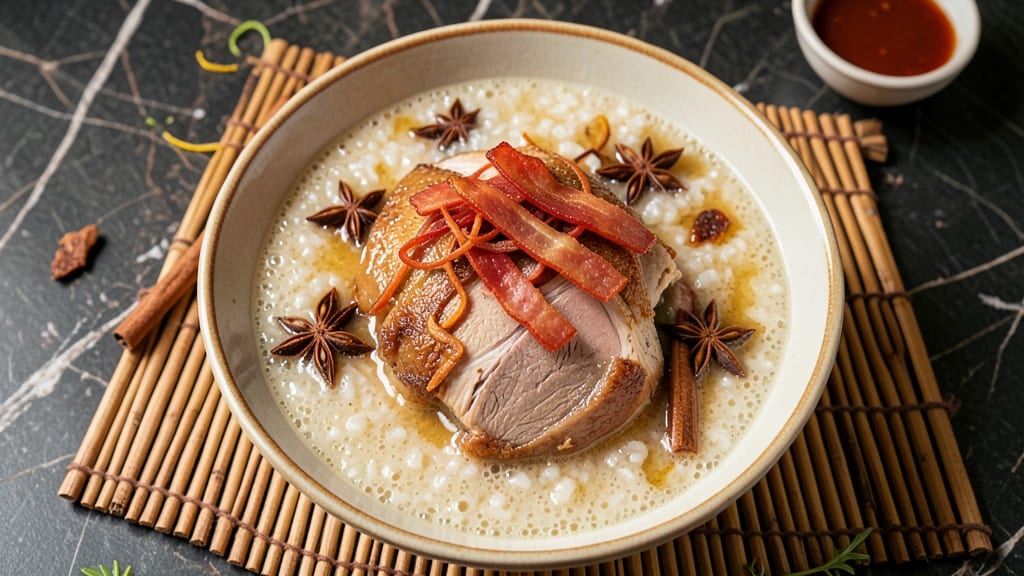
This Chinese pork porridge recipe delivers the ultimate comfort food experience in a single pot, blending tender pork with fragrant spices and creamy rice. 💛 I first discovered its magic during a Charleston winter when I needed something hearty yet easy—now it's a staple in my kitchen.
The secret lies in slow-cooking pork until it's fork-tender while building layers of flavor with star anise, cinnamon, and soy sauce that transform simple ingredients into something extraordinary.
The beauty of this dish is its versatility—perfect for breakfast or a light dinner—while still feeling like a celebration. You'll start with pork (char siu or shredded works beautifully), then simmer it with rice until the grains break down into a silky, porridge-like consistency.
The spices infuse the broth with warmth, creating an aroma that fills your home long before the cooking is done. This isn't just a meal; it's a sensory experience that brings warmth to any table.
What makes this recipe truly special is how the textures come together—tender pork pieces suspended in creamy porridge, finished with fresh green onions and crispy shallots for contrast. The result is a dish that's both nourishing and deeply satisfying, with every spoonful packed with flavor.
It's the kind of meal that makes you slow down, savor each bite, and appreciate the simple pleasures of good food.
Serve it steaming hot with a side of pickled vegetables or a simple salad to balance the richness. This porridge is equally at home as a family breakfast or a light lunch—proof that comfort food doesn't have to be heavy. Let's get cooking!
Ingredients for chinese pork porridge
Pork, rice, and aromatic spices create this comforting one-pot dish that warms your soul.
| Ingredient | Amount | Notes |
|---|---|---|
| Pork Shoulder 🥩 | 1 ½ lb | Bone-in for flavor, cut into 1-inch pieces |
| Jasmine Rice 🍚 | 1 cup | Uncooked, long-grain preferred |
| Char Siu Pork 🥓 | 1 cup | Pre-cooked, shredded or chopped |
| Star Anise 🌿 | 2 whole | Whole pods for infusing flavor |
| Cinnamon Sticks 🌿 | 2 whole | 1-inch pieces for aroma |
| Dried Ginger 🌶️ | 1 tbsp | Ground or thinly sliced |
| Soy Sauce 🥄 | ½ cup | Light or all-purpose |
| Oyster Sauce 🍜 | 2 tbsp | For umami depth |
| Sesame Oil 🫒 | 1 tbsp | Toasted for aroma |
| Green Onions 🧅 | ¼ cup | Fresh, sliced for garnish |
| Shallots 🧅 | 3 whole | Thinly sliced for crispy topping |
| Water 💧 | 6 cups | For simmering |
| Salt 🧂 | 1 tsp | Adjust to taste |
| White Pepper 🌶️ | ½ tsp | Freshly ground |
The pork shoulder is the heart of this dish—bone-in for extra flavor. Look for well-marbled cuts at your local butcher or Costco—it makes all the difference. If you can't find bone-in, regular pork shoulder works too, but add an extra 1/2 cup water to compensate. Char siu pork adds that signature sweet-savory depth, so grab a package from the Asian market if you can, or use leftover roasted pork. The spices? Whole star anise and cinnamon sticks infuse the broth beautifully—just remove them before serving.
No star anise? 1 tsp ground anise works in a pinch, though the flavor won't be as layered. Swap dried ginger for 1 tsp fresh ginger, grated, but toast it first for better aroma. Short on oyster sauce? Extra soy sauce plus a splash of fish sauce gets you close. The rice should be jasmine—it has that fragrant quality that makes this dish special. If you can only find basmati, it'll work, but the flavor won't be quite the same. For the crispy shallots, slice them thin and fry in sesame oil until golden—they're worth the extra minute.
This porridge tastes even better the next day—4-5 days in the fridge, honestly. Portion into containers for easy lunches, or freeze for 3 months. The crispy shallots and green onions are best added fresh right before serving, so keep those separate. If you're making this ahead, just reheat the porridge and top with the crispy shallots and onions. The texture is what makes this dish magical—creamy rice with tender pork pieces, and that perfect contrast from the crispy topping.
Why You'll Love This Recipe
- One-Pot Wonder: I swear by this recipe when I’m too tired to deal with multiple pans—just simmer pork shoulder, jasmine rice, and broth until it’s creamy, then stir in char siu for that sweet-savory punch. The star anise and cinnamon infuse the broth while you prep, so you’re basically hands-off until the good part.
- Deep Umami Magic: That slow-cooked pork shoulder? It turns tender enough to melt, soaking up the aromatic broth until every spoonful is rich and satisfying. Honestly, the char siu adds a smoky-sweet contrast that makes this porridge dangerously addictive—like comfort food in a bowl.
- Crowd-Pleaser Any Day: I’ve served this to skeptical in-laws, tired kids, and my book club, and somehow, it always disappears. The mild spices and familiar flavors make it feel nostalgic, while the texture—creamy rice with chewy pork—keeps everyone coming back for more.
- Budget-Friendly Leftovers: Pork shoulder is cheap, and this recipe stretches to feed four for lunch the next day (or three for dinner if you’re generous). Between us, I’ve reheated portions for breakfast with a fried egg on top—no one judged, and my wallet thanked me.
Step-by-step instructions for Chinese pork porridge
Here's how to create that velvety, aromatic porridge that's pure comfort in a bowl.
🔥 Step 1: Sear the Pork Shoulder for Deep Flavor
Heat a heavy-bottomed pot over medium-high heat and add the 1.5 lb pork shoulder cut into 1-inch pieces. Let it sear undisturbed for 3-4 minutes until the edges turn golden brown. This step builds flavor through the Maillard reaction—don't rush it or the pork will steam instead of develop color.
Once browned on all sides, add 2 whole star anise, 2 whole cinnamon sticks, and 1 tbsp dried ginger. Pour in 0.5 cup soy sauce and 2 tbsp oyster sauce, stirring to coat the pork. Let it simmer for 5 minutes until the pork releases its juices and the spices begin to infuse the liquid.
🍳 Step 2: Build the Aromatic Base
Add 6 cups water to the pot and bring to a gentle boil. Reduce heat to low and let it simmer uncovered for 45 minutes, skimming off any foam that rises to the surface. You're creating a fragrant broth that will become the porridge's soul—this simmering time is non-negotiable for that authentic depth of flavor.
After 45 minutes, add 1 cup jasmine rice and 1 cup char siu pork. Stir gently to distribute the rice evenly. The rice should be fully submerged in the liquid—if not, add a splash of hot water. Cover the pot and let it simmer for another 30 minutes until the rice is tender but still slightly firm.
🥘 Step 3: Create the Signature Silky Texture
Once the rice is tender, uncover the pot and increase heat to medium-low. Let the porridge cook uncovered for 15-20 minutes, stirring occasionally with a wooden spoon. This step transforms the rice into that signature creamy, almost custard-like texture. You'll know it's ready when the porridge pulls away from the sides of the pot and forms a thick, glossy surface.
Season with 1 tsp salt and 0.5 tsp white pepper, then stir in 1 tbsp sesame oil. The sesame oil adds that nutty aroma that's essential to the dish. Taste and adjust seasoning—you want the flavors to be balanced but still have room for the final garnishes.
🍽️ Step 4: Finish with Crispy Toppings
In a small pan, heat 1 tbsp neutral oil over medium-high heat and fry the 3 whole shallots until they turn golden brown and crispy, about 3-4 minutes. This should take just enough time to create a delicate crunch that contrasts perfectly with the silky porridge.
Divide the porridge into bowls and top each serving with the crispy shallots and 0.25 cup sliced green onions. The color contrast makes the dish even more appealing, and the green onions add a fresh, bright note that cuts through the richness. Serve immediately while the shallots are still crisp and the porridge is steaming hot.
Pro Tips For Making Chinese Pork Porridge
- Parboil the Rice First: I learned this the hard way—skipping the quick parboil means your porridge will either turn to glue or stay stubbornly al dente. Rinse the jasmine rice, boil for exactly 5 minutes, then drain. That short cook softens the grains just enough so they break down evenly later without turning mushy.
- Render Pork Shoulder Low and Slow: High heat sears, but it doesn’t render fat—this is a porridge, not a stir-fry. Cook the pork shoulder over medium-low heat until it’s falling-apart tender, then shred it while still hot. The fat will melt into the broth, making the porridge rich without needing extra oil.
- Toast Spices Over the Broth: Star anise and cinnamon sticks taste like nothing until they’re toasted. Drop them into the simmering broth for 2 minutes before adding the rice—just until the broth smells warmly aromatic. This releases their oils and flavors without overpowering the dish.
- Shred Char Siu While Warm: Cold char siu is tough as boot leather. Slice it against the grain while still steaming, then chop into bite-sized pieces. The residual heat keeps it tender, and the bits dissolve into the porridge beautifully. (Yes, even if you’re impatient like me.)
Pro cooking tips for this dish
Pork Prep Secrets
Start with bone-in pork shoulder for maximum flavor—those bones infuse the broth with richness as they simmer. I cut mine into 1-inch chunks so they cook evenly without falling apart. If you're using pre-cooked char siu pork, slice it into ¼-inch strips for that perfect bite.
The key is to sear the pork until deeply browned—this creates the Maillard reaction, which builds that deep, savory foundation. 🔥
For extra depth, I like to add a 1-inch piece of ginger and 1 clove garlic directly to the pot during the initial searing. These aromatics mingle with the pork's natural juices, creating a more complex flavor profile.
Don't skip the 5-minute simmer with spices before adding water—this lets the star anise and cinnamon really wake up and infuse the pork.
Rice Texture Mastery
The magic happens in the final 15-20 minutes when you cook the porridge uncovered. This isn't just simmering—it's about creating that signature silky, almost custard-like texture. I use a wooden spoon to gently scrape the bottom of the pot every few minutes, preventing any sticking and encouraging even cooking.
The porridge should pull away from the sides and form a glossy surface—this is your cue it's ready. 🥄
If your porridge seems too thick, add 2-3 tablespoons of hot water at a time until you reach that perfect consistency. Too thin? Uncover and cook longer. The goal is that spoon-thick texture where each bite feels both creamy and substantial.
I've found jasmine rice works best because its naturally fragrant quality shines through in the final dish.
Spice Infusion Hacks
Whole spices like star anise and cinnamon sticks are worth the effort—they create layers of flavor that ground spices can't match. I always remove them before serving, but I leave them in during cooking.
For an extra boost, lightly toast the spices in a dry pan for 30 seconds before adding them to the pork. This wakes up their essential oils and intensifies their aroma. 🌿
If you're short on time, you can steep the spices in 1 cup of the broth separately for 10 minutes before adding the pork. This still gives you that aromatic base without the extra cooking time.
And remember—white pepper is key here. It adds warmth without the heat of black pepper, complementing the pork's richness perfectly.
Crispy Toppings
The contrast between the silky porridge and crispy shallots is what makes this dish sing. I fry the shallots in neutral oil (like avocado or vegetable) over medium-high heat until they're golden brown and crisp.
The secret is to work quickly—3-4 minutes max—or they'll burn. I like to spread them out in a single layer so they crisp evenly. 🧅
For an extra touch, I sometimes toss the crispy shallots with a pinch of salt and a splash of sesame oil before adding them to the porridge. This enhances their flavor and makes them even more irresistible.
And don't forget the green onions—their fresh, bright note cuts through the richness and adds a pop of color that makes the dish look as good as it tastes.
Nutrition facts
Frequently asked questions
Can I make this porridge without char siu pork?
Use 1.5 cups of pre-cooked pork shoulder instead—just shred or chop it into ¼-inch pieces for the right texture. For extra flavor, add 1 tbsp hoisin sauce when searing the pork. The dish will still be delicious, though char siu's sweet-savory profile gives it that signature touch.
How do I fix porridge that's too thick or too thin?
For thick porridge, add 2-3 tablespoons of hot water at a time while stirring gently. For thin porridge, uncover the pot and simmer uncovered for 5-10 minutes to reduce the liquid. The key is patience—rushing leads to uneven textures.
Can I make this in an Instant Pot or pressure cooker?
Yes, but with adjustments! Sear the pork first, then add all ingredients (except crispy toppings) and cook on high pressure for 10 minutes. Quick-release the pressure, then transfer to a pot and simmer uncovered for 15 minutes to achieve that signature silky texture. The pressure cooks the rice faster but loses some of the aromatic depth from slow simmering.
What's the best way to store leftovers?
Store in an airtight container in the fridge for 4-5 days or freeze for 3 months. Reheat gently on the stove with a splash of water to restore creaminess. Save the crispy shallots and green onions for fresh garnishing—they lose crispness when refrigerated.
Why does my porridge taste bland?
Check your seasoning—this dish needs balanced umami. Add 1 extra tbsp soy sauce or ½ tsp fish sauce for depth. Also verify your spices: toast whole star anise and cinnamon sticks for 30 seconds before adding to intensify their aroma. A pinch of white pepper adds warmth without heat.