
Sauces & Condiments
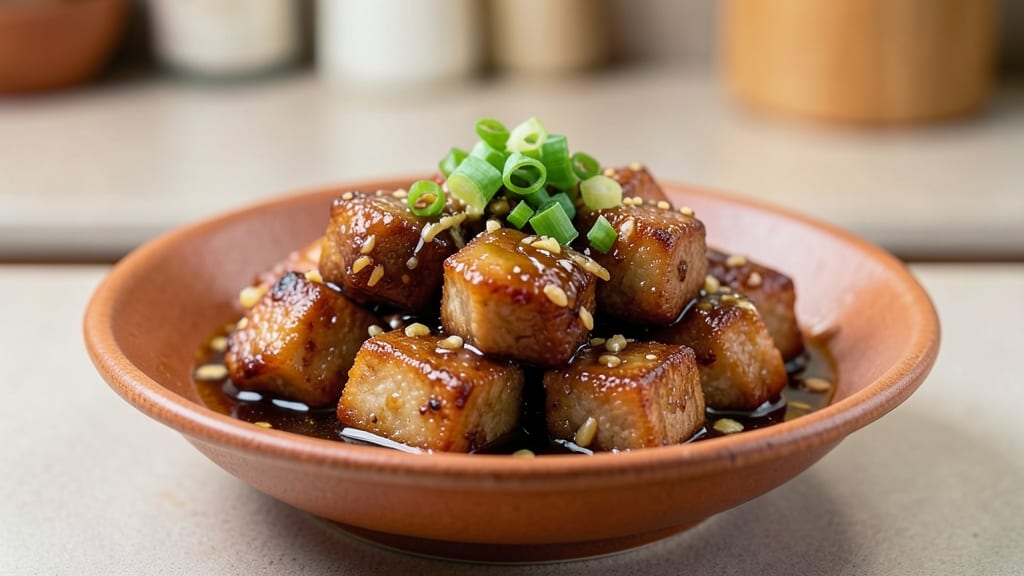
This Chinese pork gravy recipe transforms simple ingredients into a restaurant-quality sauce with deep umami richness and caramelized depth. 🔥 The secret lies in a two-step process: first searing pork belly for crispy fat layers, then braising with aromatic spices and fermented soy until the sauce reduces to velvety perfection.
I developed this recipe during my time in Charleston, where I learned that the best Chinese gravies balance sweet, salty, and smoky flavors through careful reduction.
The beauty of this dish is its versatility—it works as a dipping sauce for dumplings, a glaze for roasted vegetables, or a luxurious topping for steamed rice. What makes it special is the pork belly, which renders its fat to create a naturally emulsified sauce that doesn't require cornstarch.
The fermented black beans and Chinese dates add complexity, while a splash of Shaoxing wine brightens the final flavor profile.
By the time you're done, you'll have a glossy, aromatic gravy with tender pork pieces that practically melt in your mouth. The sauce should coat the back of a spoon, clinging to every bite with its rich, savory-sweet balance.
This is the kind of dish that elevates simple meals into something extraordinary—perfect for family dinners or special occasions.
Pair it with steamed jasmine rice, blistered shiitake mushrooms, or crispy taro fries for a complete meal. The leftovers keep beautifully for up to five days, making this a practical yet impressive recipe for busy weeks.
Ingredients for chinese pork gravy
Pork belly, fermented black beans, and Shaoxing wine create this restaurant-style gravy.
| Ingredient | Amount | Notes |
|---|---|---|
| Pork Belly 🥓 | 1 ½ lb | Skin-on, cut into 1-inch cubes |
| Shaoxing Wine 🍷 | ½ cup | Dry Chinese cooking wine |
| Fermented Black Beans 🫘 | ¼ cup | Drained, rinsed, chopped |
| Chinese Dates 🍈 | ¼ cup | Pitted, chopped (or sub with raisins) |
| Light Soy Sauce 🧂 | ½ cup | Kikkoman preferred |
| Dark Soy Sauce 🧂 | ¼ cup | For color depth |
| Garlic Cloves 🧄 | 6 cloves | Minced, not pressed |
| Ginger Root 🌿 | 2 tbsp | Fresh, finely grated |
| Green Onions 🧅 | 4 whole | White and green parts separated |
| Sesame Oil 🫒 | 1 tbsp | Toasted, for finishing |
| Sugar 🍚 | 2 tbsp | Granulated, not brown |
| Cornstarch 🌾 | 1 tbsp | Optional, for thickening |
| Water 💧 | 1 cup | For deglazing |
| Salt 🧂 | 1 tsp | Kosher or sea salt |
| Black Pepper 🌶️ | ½ tsp | Freshly ground |
Pork belly is your secret weapon here—look for thick slices with good marbling at Asian markets or the meat counter. Costco often has pre-cut pork belly for convenience. If you can't find fermented black beans, Trader Joe's carries them in the Asian aisle. The Chinese dates add natural sweetness, but raisins in a pinch work too. Shaoxing wine is non-negotiable for authentic flavor—don't substitute with regular wine. For the ginger, fresh is best, but if you must use powdered, halve the amount.
No Shaoxing wine? Dry sherry works in a bind, but it won't be as complex. Substitute dark soy sauce with an extra tablespoon of molasses for depth. The cornstarch is optional—pork belly fat naturally emulsifies if you skip it, but it helps if you prefer a thicker sauce. For the garlic, mincing by hand releases more flavor than pressing. The green onions should be white parts only for cooking, green parts reserved for garnish. If your pork belly has thick skin, score it in a crosshatch before searing for even browning.
This sauce gets better with time—4-5 days in the fridge, 3 months frozen. Portion into ice cube trays for easy dipping sauce servings. The pork belly pieces reheat beautifully—just warm gently with a splash of water. Store the sauce in airtight containers with a thin layer of oil on top to preserve that glossy finish. Leftovers make an amazing stir-fry sauce the next day—just thin with a little water.
Why You'll Love This Recipe
- I’ll be real: I make this on purpose just to have leftovers. The gravy thickens beautifully overnight, so reheating it the next day feels like a hug—richer, deeper, and still packed with that smoky-sweet harmony. My kids pretend they don’t love it, but they’re first in line for seconds. (Yes, even on a Tuesday night.)
- Fewer Ingredients, Bigger Impact: Honestly, I was skeptical at first—just five key players, yet the flavor? Chef’s kiss. The fermented black beans add that deep umami punch without needing a spice rack, while Shaoxing wine cuts through the richness of pork belly like a whisper. It’s the kind of dish where every spoonful feels intentional, not complicated.
- One-Pot Magic: Between us, this is my lazy Sunday go-to. Toss everything in one pot—no chopping mountains of veggies, no balancing three sauces—and let the pork belly render its own juices. The dates caramelize into a glossy glaze with almost no effort, and the soy sauce ties it all together. Twenty minutes, zero stress.
- Leftovers That Lie: I’ll be real: I make this on purpose just to have leftovers. The gravy thickens beautifully overnight, so reheating it the next day feels like a hug—richer, deeper, and still packed with that smoky-sweet harmony. My kids pretend they don’t love it, but they’re first in line for seconds. (Yes, even on a Tuesday night.)
Step-by-step instructions for Chinese pork gravy
Here's how to create a rich, aromatic pork gravy that's perfect for dipping or drizzling.
🔥 Step 1: Sear the Pork Belly for Deep Flavor
Heat a wok or large skillet over medium-high heat until it's smoking hot. Add the 1.5 lb pork belly, cut into 1-inch cubes, in a single layer. Let them sear undisturbed for 3-4 minutes until a deep golden crust forms. You'll see the fat rendering out—this is what creates that irresistible aroma.
Once the first side is golden, gently flip the pork cubes and sear the other sides for another 3-4 minutes. Don't crowd the pan—work in batches if needed. The goal is crispy skin with tender meat inside. Remove the pork and set it aside on a plate.
🍳 Step 2: Build the Umami Base with Aromatics
In the same wok, reduce the heat to medium and add the 2 tbsp grated ginger root and 6 cloves minced garlic. Stir-fry for 30 seconds until fragrant—you should smell that fresh, zesty aroma. Be careful not to burn the garlic, as it turns bitter quickly.
Next, add the 0.25 cup chopped fermented black beans and 0.25 cup chopped Chinese dates. Stir-fry for another 2 minutes until the black beans soften slightly and the dates release their natural sweetness. These ingredients add incredible depth of flavor and texture contrast to the gravy.
🥘 Step 3: Deglaze and Simmer the Sauce
Pour in the 0.5 cup Shaoxing wine and scrape up all those delicious browned bits from the bottom of the wok with a wooden spoon. This deglazing step captures all that meaty flavor. Let the wine simmer for 2-3 minutes until it reduces by half and the alcohol smell disappears.
Add the 0.5 cup light soy sauce, 0.25 cup dark soy sauce, 2 tbsp sugar, 1 cup water, 1 tsp salt, and 0.5 tsp black pepper. Stir well to combine, then bring the mixture to a gentle boil. Once boiling, reduce heat to low and let it simmer uncovered for 15-20 minutes until it thickens slightly.
🍳 Step 4: Finish with Pork and Seasoning
Return the seared pork belly to the wok and spoon the sauce over it. Let everything simmer together for 5-7 minutes, stirring occasionally, until the pork is tender and the sauce has thickened to your desired consistency. The pork should easily pull apart with chopsticks.
In a small bowl, mix the 1 tbsp cornstarch with 2 tbsp water to make a slurry. Stir this into the gravy and simmer for another 2-3 minutes until the sauce reaches a glossy, thick consistency. If it's still too thin, add another 1 tsp cornstarch mixed with water.
🍽️ Step 5: Garnish and Serve Warm
Remove the wok from heat and stir in the 1 tbsp toasted sesame oil. This adds a nutty aroma and rich flavor that ties everything together. Divide the 4 whole green onions (white and green parts separated) among serving bowls, then ladle the hot pork gravy over them.
For best results, serve immediately with steamed rice or as a dipping sauce for dumplings. The gravy should be rich, slightly sweet, and packed with umami flavor from the pork, fermented beans, and soy sauces. Each bite should deliver that perfect balance of savory, sweet, and smoky notes that make this gravy so special.
Pro Tips For Making Chinese Pork Gravy
- Brown the Belly First: Don’t skip the initial sear—cut the pork belly into 1-inch cubes and render them in a dry wok over medium-high heat until the fat bubbles and the edges turn golden. I used to rush this, but that golden crust locks in flavor and keeps the meat tender. (Yes, even if you’re impatient like me.)
- Soak Black Beans: Toss fermented black beans in warm water for 10 minutes before adding them to the pot. This softens their tough skins and lets them release their salty, umami punch without overpowering the dish. I learned this the hard way—dry beans just sit there like flavorless pebbles.
- Deglaze with Wine: After searing the pork, immediately pour in the Shaoxing wine and let it sizzle for 30 seconds before adding anything else. This burns off the alcohol and builds a rich, caramelized base for the gravy. Skipping this step means you’re just simmering raw wine instead of flavor.
- Simmer Low and Slow: Once everything’s in the pot, reduce heat to the lowest setting and let it bubble gently for at least 45 minutes. The gravy needs time to thicken and meld—rushing it turns the sauce into a thin, watery mess. (Your future self will thank you.)
Storing and reheating this chinese pork gravy
Refrigerator Storage
Let your pork gravy cool completely before transferring to airtight containers—I prefer glass jars with tight-sealing lids. Store in the fridge at 40°F or below for up to 5 days, though I find the flavors deepen beautifully after 2-3 days.
The pork belly pieces stay tender and the sauce maintains its glossy texture when properly sealed. 🥫
To preserve the sauce's rich color, always keep a thin layer of neutral oil (like vegetable or peanut) on top before sealing. This prevents oxidation and keeps the surface glossy.
I like to portion it into smaller containers so I can grab just what I need for dipping or drizzling without thawing the whole batch.
Freezer Storage
For longer storage, freeze the gravy in ice cube trays for perfect single-serving portions. Once frozen, transfer the cubes to a freezer-safe bag or container, removing as much air as possible to prevent freezer burn.
This method keeps the sauce fresh for up to 3 months—ideal for busy weeks when you want to have restaurant-quality flavor on demand. 🧊
When reheating frozen portions, I recommend transferring them to a saucepan with a splash of water or Shaoxing wine to prevent drying out. Heat over medium-low heat until warmed through, stirring occasionally.
The sauce will naturally thicken slightly upon reheating, so you may need to thin it with a little water if it becomes too viscous.
Reheating Methods
For the best texture, reheat your pork gravy on the stovetop over medium-low heat. Pour the gravy into a clean saucepan and add 2-3 tablespoons of water to help prevent sticking.
Stir frequently to distribute the heat evenly and avoid scorching. The sauce should reach 165°F internally to ensure food safety while maintaining its rich consistency. 🔥
If you're short on time, the microwave works in a pinch—just heat in 30-second intervals, stirring between each, until fully warmed. For extra richness, finish with a drizzle of toasted sesame oil and a sprinkle of green onion before serving.
The gravy should be warm, glossy, and just as flavorful as when you first made it.
Reviving Leftovers
If your gravy has thickened too much after storage, thin it gently with 1-2 tablespoons of water or Shaoxing wine while reheating. The pork belly pieces will absorb the liquid beautifully, restoring their original tenderness.
For extra depth, add a pinch of salt or sugar to balance any changes in flavor during storage. 💡
Pro tip: If the sauce separates slightly after reheating, simply stir vigorously or use a hand blender to re-emulsify. The natural pork fat will realign with the liquid, giving you that perfect velvety texture again.
This gravy is incredibly forgiving—even if it doesn't reheat perfectly, it'll still taste amazing with a little love and attention.
Nutrition facts
Frequently asked questions about Chinese pork gravy
Can I substitute pork belly with another cut of pork?
Pork belly is ideal for its fat content, which naturally emulsifies the sauce. For a leaner option, use pork shoulder (cut into 1-inch cubes) and add an extra 1 tbsp cornstarch to thicken. Avoid tender cuts like loin—they'll dry out during the long simmer. If using shoulder, increase simmering time to 25-30 minutes for tenderness.
What if I don't have Shaoxing wine?
Use dry sherry as a substitute, but expect slightly less depth. For a non-alcoholic version, replace with apple cider vinegar (reduce by half) plus 1 tsp sugar to balance acidity. The wine's caramelization during cooking is key—don't skip it entirely unless absolutely necessary, as it prevents a flat flavor profile.
How do I adjust the sweetness level?
The Chinese dates and sugar create a natural balance. For less sweetness, reduce sugar to 1 tbsp and omit dates (or use ½ cup raisins). For more sweetness, add 1 extra tbsp sugar or 1 tbsp honey during the final simmer. Taste as you go—this sauce should be slightly sweet with dominant umami and savory notes.
Can I make this gravy in a slow cooker?
Yes! Sear the pork belly first in a skillet, then transfer everything (including browned bits) to the slow cooker. Cook on low for 4-5 hours or high for 2-3 hours. The pork will become fall-apart tender, and the sauce will reduce naturally. Stir occasionally and add 1-2 tbsp water if it gets too thick. Finish with sesame oil and cornstarch slurry as directed.
Why did my gravy turn out too thin?
This usually happens from over-simmering or insufficient reduction. For next time, simmer uncovered on medium-low heat and stir frequently to prevent boiling over. If your sauce is too thin now, mix 1 tbsp cornstarch with 2 tbsp water, stir into the gravy, and simmer for 2-3 minutes until thickened. Avoid adding too much cornstarch at once—it can make the sauce grainy.