
Main Courses
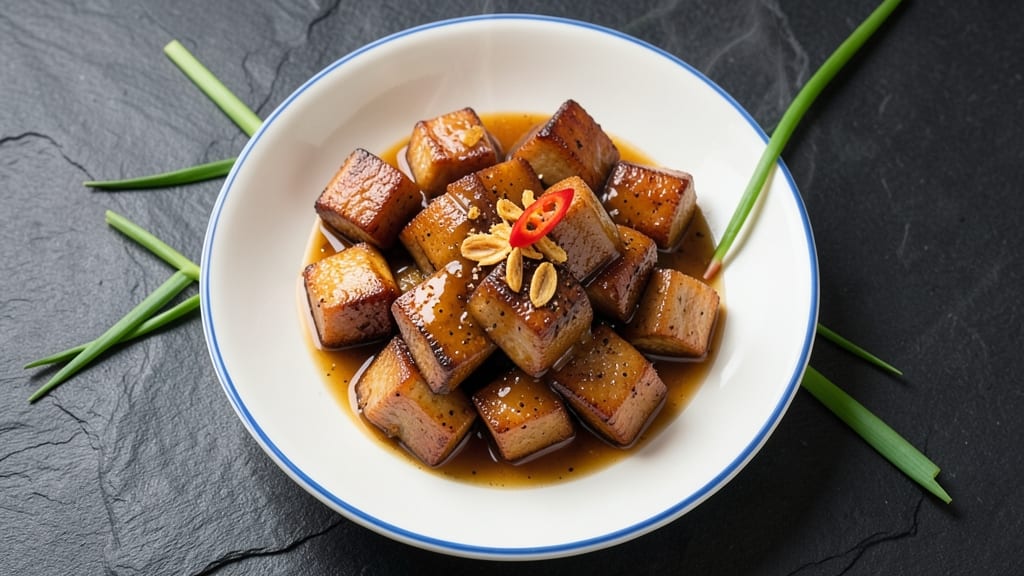
This Chinese pork cubes recipe delivers the perfect balance of crispy edges and tender centers, glazed with a fragrant five-spice gloss that’s pure comfort in every bite.
After years of perfecting wok techniques in Charleston’s bustling kitchens, I’ve developed a method that captures that elusive wok hei—the smoky, charred essence that makes restaurant-quality stir-fries sing. The secret lies in high-heat searing followed by a quick toss in a glossy sauce that clings like liquid gold.
The recipe starts with pork tenderloin or shoulder, cut into uniform cubes for even cooking—no tough, chewy surprises here. A marinade of soy, rice wine, and five-spice powder infuses deep flavor, while a hot wok transforms the meat into golden, caramelized cubes with a crispy crust.
The glossy sauce, made from reduced soy, honey, and a splash of Shaoxing wine, adds a sticky-sweet contrast that’s addictive after just one bite.
What you’ll end up with is a dish that’s restaurant-quality at home, served over steamed jasmine rice or paired with quick-pickled vegetables for brightness. The aroma alone—smoky, spiced, and slightly sweet—will have everyone gathering around the table.
This isn’t just another stir-fry; it’s a celebration of texture and flavor that feels like a hug in dish form.
For those who love regional variations, a dash of chili flakes or Sichuan peppercorns can transform this into a spicy Sichuan twist, while Cantonese cooks might prefer a lighter oyster sauce finish.
The beauty of this recipe is its flexibility—adapt it to your taste while keeping the core technique intact. Let’s get cooking!
Ingredients for chinese pork cubes
High-quality pork and aromatic spices transform into restaurant-style wok-tossed cubes with crispy edges and tender centers.
| Ingredient | Amount | Notes |
|---|---|---|
| Pork Tenderloin 🥩 | 1 ½ lb | Cut into 1-inch cubes, uniform size |
| All-Purpose Flour 🌾 | ¼ cup | For dredging pork cubes |
| Light Soy Sauce 🥄 | ½ cup | For marinade and sauce |
| Rice Wine 🍶 | ¼ cup | Dry sherry substitute if unavailable |
| Five-Spice Powder 🌶️ | 1 ½ tbsp | Authentic Chinese blend preferred |
| Honey 🍯 | 2 tbsp | For glossy sauce finish |
| Shaoxing Wine 🍷 | ¼ cup | Substitute with dry sherry |
| Neutral Oil 🫒 | 2 tbsp | Peanut or vegetable oil for high heat |
| Garlic Cloves 🧄 | 4 cloves | Minced for aromatic base |
| Fresh Ginger 🧅 | 1 tbsp | Grated, for depth of flavor |
| Sesame Oil 🌿 | 1 tsp | Toasted, for finishing aroma |
| Jasmine Rice 🍚 | 1 ½ cups | Uncooked, for serving base |
| Cornstarch 🌾 | 1 tbsp | For sauce thickening |
| Green Onions 🧅 | ¼ cup | Sliced, for garnish |
| Salt 🧂 | 1 tsp | Kosher or sea salt |
The pork tenderloin is essential for tender, even cooking—pork shoulder works too but requires longer marinating. For authentic texture, look for well-marbled cuts at Whole Foods or your local butcher. Uniform 1-inch cubes ensure consistent doneness, so take the time to trim and measure them. The five-spice powder should be a Chinese blend (like Penzeys brand)—it's non-negotiable for that signature aroma. If you can't find it, a mix of cinnamon, cloves, fennel, star anise, and peppercorns works in a pinch, but the balance won't be quite right. For the rice wine, Asian markets carry authentic Shaoxing wine, but dry sherry from the liquor store is a perfectly acceptable substitute.
No Shaoxing wine? Dry sherry or mirin both work, though the flavor profile shifts slightly. The honey should be pure, raw honey if possible—it adds depth that processed honey can't match. For the neutral oil, peanut oil is traditional (check for allergies first), but vegetable or canola oil both work well. The cornstarch is crucial for that signature glossy sauce—arrowroot powder can substitute at a 1:1 ratio. If you're making this for a crowd, double the sauce ingredients and keep them warm in a slow cooker on low. The green onions should be bright green with no wilt—trim the roots and slice both whites and greens separately for garnish.
Pork cubes can be marinated up to 8 hours for deeper flavor, but 2-4 hours is ideal. Store any unused marinade separately—it's fantastic as a dipping sauce. The cooked pork reheats beautifully—just toss with a splash of water and 1 tsp sesame oil over medium heat for 2-3 minutes. For longer storage, keep portions in airtight containers in the fridge for 3 days or freeze for 3 months. The sauce can be made ahead and reheated with a splash of water to loosen. When serving, keep the sesame oil and green onions separate until ready to plate—this preserves their fresh aroma and prevents bitterness from heat.
Why You'll Love This Recipe
- Five-Spice Magic: I swear by that little jar of five-spice powder—it’s the secret weapon here. The moment those cubes hit the pan, the cinnamon, star anise, and clove aromas wake up your kitchen, and the soy-rice wine glaze caramelizes into something dangerously addictive.
- One-Pan Wonder: Honestly, this is my go-to when I’m too tired to wash dishes. Toss the cubed tenderloin in flour, sear them in the same pan, then deglaze with soy and wine—no extra bowls, no fuss. Twenty minutes later, I’m done.
- Leftover Hero: Between us, these cubes taste even better the next day. I’ll throw them into fried rice, noodles, or even a quick stir-fry with veggies. The five-spice keeps them flavorful, and the tender pork stays juicy—no sad, dry leftovers here.
- Budget-Friendly Feast: Pork tenderloin stretches far when you cube it, and a little flour + soy sauce goes a long way. I’ve fed four people for under $15 with this, and the five-spice powder? A tiny amount makes the whole batch sing. Smart, simple, and satisfying.
Step-by-step instructions for Chinese pork cubes with five-spice gloss
Master this wok technique for restaurant-quality Chinese pork cubes with a crisp exterior and tender interior.
Prepare the Pork and Create the Five-Spice Marinade
Cut the 1.5 lb pork tenderloin into 1-inch cubes using a sharp chef's knife. I like to work in batches to maintain consistent size—this ensures even cooking. Place the pork cubes in a large bowl and set aside.
In a small bowl, whisk together 0.5 cup light soy sauce, 0.25 cup rice wine, 1.5 tbsp five-spice powder, and 1 tsp salt. Pour this marinade over the pork cubes, ensuring each piece is fully coated. Let it marinate for at least 30 minutes at room temperature—this allows the five-spice blend to penetrate deeply and tenderize the meat.
Dredge and Sear the Pork Cubes
Heat a 14-inch wok or large skillet over high heat until it's screaming hot. Add 2 tbsp neutral oil and swirl to coat the bottom evenly. Working in batches to avoid crowding, remove the pork cubes from the marinade (let excess drip off) and dredge each piece in 0.25 cup all-purpose flour, shaking off any excess.
Add the floured pork cubes to the wok in a single layer. Let them sear undisturbed for 2-3 minutes until the bottoms develop a deep golden-brown crust. This initial sear locks in juices and creates that signature wok-tossed texture. Only turn the cubes when they release easily from the pan—this ensures they don't fall apart during cooking.
Build the Five-Spice Gloss Sauce
Push the seared pork cubes to one side of the wok. Add 2 tbsp neutral oil to the empty space and swirl to heat. Add the 4 minced garlic cloves and 1 tbsp grated fresh ginger, cooking for 30 seconds until fragrant—this prevents the garlic from burning and adds depth to the sauce.
Pour in 0.25 cup Shaoxing wine and scrape up any browned bits from the bottom of the wok with a wooden spoon. This deglazing step captures all the flavorful fond. Add 0.5 cup light soy sauce and 2 tbsp honey, then bring to a gentle simmer. The sauce should reduce slightly, coating the back of a spoon—this creates that signature glossy finish.
Toss and Finish with Sesame Oil
Return the pork cubes to the wok and toss everything together for 1-2 minutes until the cubes are fully coated in the glossy sauce. The pork should be tender but still slightly firm to the touch—overcooking leads to dryness. If the sauce thickens too much, add 1-2 tablespoons of water to maintain the right consistency.
Remove the wok from heat and stir in 1 tsp sesame oil. This final step adds an aromatic depth that's essential to authentic Chinese dishes. Taste and adjust seasoning—you may need a touch more light soy sauce or salt to balance the flavors. Garnish with 0.25 cup sliced green onions just before serving.
Serve Over Steamed Jasmine Rice
While the pork cubes rest for 2-3 minutes, steam the 1.5 cups jasmine rice according to package instructions until tender and fluffy. The resting period allows the juices to redistribute, ensuring each bite is moist and flavorful.
To assemble, place a generous portion of jasmine rice on each plate and top with the five-spice pork cubes. The contrast between the crisp-tender pork and fragrant rice creates the perfect balance. For an extra touch, drizzle any remaining sauce from the wok over the top—this ensures every bite delivers that authentic Chinese restaurant experience.
Pro Tips For Making Chinese Pork Cubes
- CUT PORK INTO EVEN CUBES: I learned this the hard way—uneven cubes mean uneven cooking. Use a sharp knife and measure each side with your fingers (about 1.5 inches) so they hit the pan at the same time and finish crispy together.
- SALT THE PORK BEFORE FLOURING: Don’t skip this step—it’s what makes the crust stick. Pat the pork dry, sprinkle lightly with salt, then toss in flour. The salt draws out moisture, helping the coating adhere like glue.
- USE A COLD PAN FOR CRISPINESS: High heat is key, but start with a cold pan. Add oil, turn to medium-high, and let it shimmer before adding the pork. This ensures a deep golden crust instead of a sad, greasy mess.
- MARINATE IN SOY AND WINE FOR 10 MINUTES: Sounds quick, but it makes a real difference. Toss the floured pork in a mix of light soy sauce and rice wine for 10 minutes before frying—it tenderizes and adds depth without overpowering the five-spice.
Flavor customization for this recipe
Sweet-Savory Balance
Adjust the honey-to-soy ratio in the gloss to suit your taste. For a sweeter finish, increase honey by 1 tsp and reduce soy by ½ tbsp—this works beautifully with a touch of toasted sesame seeds sprinkled on top.
I’ve found that local Georgia honey adds floral notes that complement the five-spice beautifully. For a more savory profile, swap 1 tbsp honey for dark soy sauce—this deepens the umami without sacrificing balance.
Spicy Sichuan Twist
Transform this into a fiery Sichuan classic by adding 1 tbsp chili bean paste and ½ tsp Sichuan peppercorns to the marinade. Toast the peppercorns in a dry wok for 30 seconds until fragrant, then grind them before mixing.
After tossing with the sauce, finish with 1 tsp chili oil and extra green onions. The numbing heat from Sichuan peppercorns makes this a crowd-pleaser for those who love bold flavors.
Creamy Oyster Sauce Fusion
Swap the Shaoxing wine for ¼ cup oyster sauce and add 1 tbsp cornstarch to the sauce for extra gloss. Stir in 1 tbsp hoisin sauce at the end for a Cantonese-inspired twist. This version pairs perfectly with steamed bok choy or shredded cabbage on the side.
For extra richness, finish with a drizzle of toasted peanut oil—just ½ tsp is enough to elevate the dish.
Herb-Infused Freshness
Brighten the dish with 1 tbsp chopped cilantro and 1 tsp lemongrass paste (or 2 tbsp finely minced lemongrass) in the sauce. The citrusy notes cut through the richness, making this ideal for summer meals.
Garnish with lime wedges on the side for an extra zing. This variation works especially well with coconut rice or jasmine rice infused with lime zest.
Umami Mushroom Boost
Add ½ cup finely chopped shiitake mushrooms to the wok during the searing step—they’ll release their umami essence into the sauce. For extra depth, use dried shiitakes rehydrated in 2 tbsp soy sauce.
This earthy addition pairs wonderfully with a sprinkle of toasted black sesame seeds for texture. The mushrooms also absorb excess sauce, creating a more balanced bite.
Sweet Chili Glaze
Replace the five-spice powder in the marinade with 1 tbsp chili flakes and 1 tsp grated ginger. For the sauce, blend 2 tbsp sweet chili sauce with 1 tbsp rice vinegar and toss the pork cubes in this mixture after searing.
Finish with ½ tsp toasted cumin for a Thai-inspired fusion. Serve with steamed jasmine rice and a side of quick-pickled cucumbers for contrast.
Nutrition facts
Frequently asked questions
Can I use pork shoulder instead of pork tenderloin?
Pork shoulder works beautifully but requires extra marinating time—aim for 4-8 hours to tenderize the meat. For best results, cut the shoulder into 1-inch cubes and pat dry before marinating. The flavor will be richer, though the texture will be slightly more substantial than tenderloin.
What's the secret to getting crispy edges without dry meat?
The magic is in the high heat and proper timing. Use a screaming-hot wok and sear the pork undisturbed for 2-3 minutes per side before tossing. The flour dredge creates a barrier that locks in moisture while forming a crisp crust. Overcrowding the pan will steam the meat instead of searing—work in batches if needed!
Can I make this recipe in an oven instead of a wok?
Yes, but you'll lose that signature wok hei aroma. Preheat oven to 425°F and bake the floured pork cubes on a wire rack over a baking sheet for 15-18 minutes, flipping halfway. For the sauce, simmer it separately in a saucepan until thickened. The texture will be less crispy but still delicious!
How do I store leftovers to keep them crispy?
Store cooked pork cubes in an airtight container with a paper towel on top to absorb moisture. Reheat in a skillet over medium heat with 1 tsp oil for 2-3 minutes—this reactivates the crust. For extra crispiness, broil for 1-2 minutes at the end. The sauce reheats well separately.
What's the best rice to serve with this dish?
Jasmine rice is traditional for its fragrant aroma, but long-grain white rice or even forbidden black rice work beautifully. For extra flair, try coconut rice or rice infused with pandan leaves—the contrast of textures and flavors elevates the dish. Always use 1.5 cups uncooked rice for 4 servings.