
Main Courses
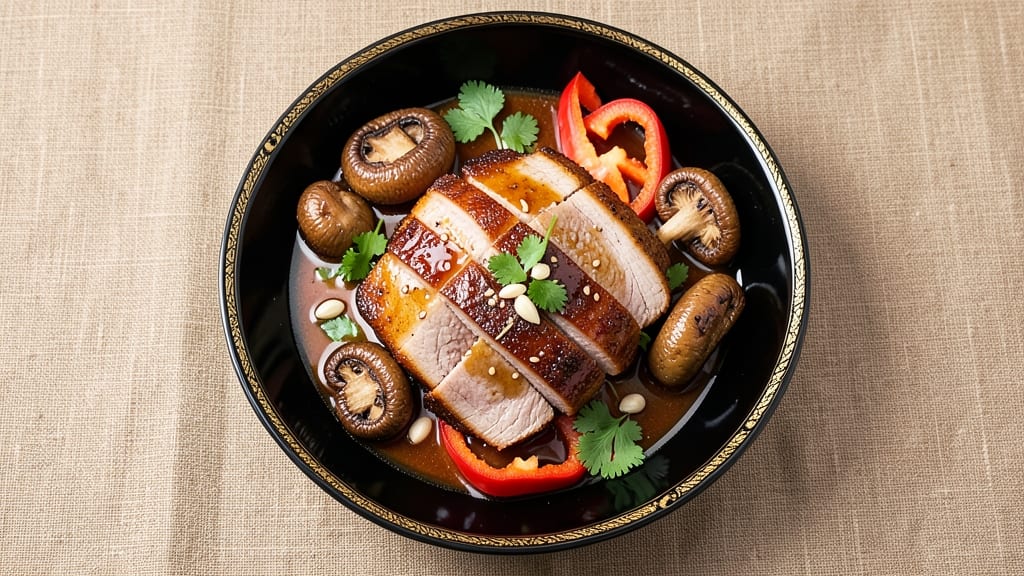
This Chinese five spice pork fillet recipe delivers restaurant-quality results with just 15 minutes of active prep and a fragrant spice blend that transforms simple pork into something extraordinary.
The secret lies in the five-spice powder—a balanced blend of star anise, cloves, cinnamon, fennel, and Szechuan peppercorn—creating a glossy, aromatic crust that's both crisp and tender. I developed this technique after years of perfecting wok-seared pork for my restaurant menu, where it became a customer favorite.
The process is straightforward yet precise: marinate the pork fillets in a mix of soy sauce, Shaoxing wine, and the five-spice powder for at least 30 minutes (or overnight for deeper flavor), then sear them in a screaming-hot wok until golden and caramelized.
The high heat locks in juices while developing that signature glossy crust, while the spice blend infuses the meat with warm, earthy notes that linger long after the first bite. This isn't just another pork recipe—it's a dish that commands attention at any table.
What you'll end up with is perfectly seared pork fillets with a crisp exterior and tender interior, coated in a fragrant spice glaze that's impossible to resist.
The aroma alone will have everyone gathering around your kitchen, while the balanced flavors—sweet, savory, and slightly peppery—make this dish versatile enough for weeknight dinners or special occasions. Serve over steamed jasmine rice or with stir-fried bok choy for a complete meal that feels both elegant and approachable.
One of the things I love most about this recipe is how it showcases the power of simple ingredients when executed with care. The five-spice powder does most of the work, but the technique—especially that high-heat sear—is what elevates it from good to unforgettable.
Whether you're cooking for family or impressing guests, this pork fillet will deliver results that speak for themselves. Let's get started on creating something truly special.
Ingredients for chinese five spice pork fillet
Fifteen minutes of prep transforms simple pork into restaurant-worthy five-spice perfection.
| Ingredient | Amount | Notes |
|---|---|---|
| Pork Fillets 🥩 | 1 ½ lb | Center-cut for even thickness |
| Five-Spice Powder 🌶️ | 2 tbsp | Authentic blend with star anise |
| Soy Sauce 🥢 | ⅓ cup | Light or dark, high-quality |
| Shaoxing Wine 🍷 | ¼ cup | Substitute dry sherry if unavailable |
| Sesame Oil 🌰 | 1 tbsp | Toasted for aroma, not cooking |
| Garlic Cloves 🧄 | 6 cloves | Minced fine for even distribution |
| Fresh Ginger 🌿 | 1 tbsp | Finely grated, aromatic |
| Coconut Oil 🫒 | 2 tbsp | High smoke point for searing |
| Cornstarch 🌾 | 2 tbsp | For crispy exterior coating |
| Jasmine Rice 🍚 | 1 cup | Uncooked, for serving |
| Bok Choy 🥬 | 2 whole | Baby variety preferred |
| Diamond Crystal Kosher Salt 🧂 | 1 tsp | For seasoning marinade |
| Black Pepper 🌶️ | ½ tsp | Freshly cracked for heat |
| Green Onions 🧅 | 4 whole | Sliced for garnish |
The pork fillets are the foundation, so center-cut pieces are non-negotiable—they stay tender while developing that crisp crust. Costco or Whole Foods carry premium pork fillets with good marbling, but your local butcher can cut them to even thickness if you ask. For the five-spice powder, Penzeys or Asian markets have authentic blends—avoid the generic supermarket versions that taste like dust. The Shaoxing wine adds depth; if you can't find it, dry sherry works in a pinch. Toast your sesame oil in a dry pan for 30 seconds before adding it to the marinade—this intensifies the aroma without burning it.
No Shaoxing wine? Dry sherry or even a splash of rice vinegar bridges the flavor gap. Fresh ginger and garlic can be swapped for 1 tbsp each of paste, but freshly grated has more punch. The cornstarch coating is crucial—it creates that signature crisp. Bob's Red Mill brand works perfectly, but any fine cornstarch will do. For the bok choy, baby heads are ideal, but regular bok choy cut into quarters works too. The green onions add freshness, but cilantro or Thai basil can stand in if you're feeling adventurous. Pro tip: Let the pork sit in the marinade for at least 30 minutes—overnight develops even deeper flavor.
Marinated pork keeps 2 days in the fridge, but the longer it sits, the more flavor it absorbs. The five-spice powder stays potent for 6 months in a cool, dark place. For the rice, jasmine or basmati both work—just don't skimp on the steaming time. Prep the bok choy last minute; it wilts fast. The seared fillets reheat beautifully—3 minutes in a sizzling wok restores that crisp exterior. Portion the rice and veggies ahead to make serving a breeze.
Why You'll Love This Recipe
- One-Pan Magic: That’s right—just one sheet pan. Slice those pork fillets, toss them in five-spice, soy, and a splash of Shaoxing wine, then let the oven do the work. No chopping veggies, no fussy sauces, just pure, hands-off satisfaction.
- Umami Bomb: The moment that sesame oil hits the pan? Chef’s kiss. Five-spice powder adds warmth and depth, while the soy and wine create this caramelized crust that’s addictive. It’s the kind of flavor that makes you pause mid-bite and think, “Wait, how is this so good?”
- Weeknight Hero: Between us, this is my go-to when I’ve got friends over but zero energy. Serve it over rice, toss it in noodles, or just eat it straight with chopsticks—it’s that adaptable. (Yes, even on a Tuesday night.)
- Budget Win: Pork fillets stretch far, and five-spice powder lasts forever. A single batch feeds four, and leftovers reheat like a dream. Honestly, I make this twice a month just because it’s so dang economical—and still feels special.
Step-by-step instructions for wok-seared pork fillets
Here's how to transform simple pork fillets into restaurant-quality bites with a fragrant spice crust and tender interior.
Marinate the Pork for Maximum Flavor
In a bowl, combine the 1.5 lb pork fillets, 2 tbsp five-spice powder, 0.33 cup soy sauce, 0.25 cup shaoxing wine, 1 tbsp sesame oil, 1 tbsp finely grated fresh ginger, 0.5 tsp black pepper, and 1 tsp diamond crystal kosher salt. The five-spice blend should dissolve into the marinade, creating a fragrant, aromatic liquid that will penetrate the meat.
Use your hands to massage the marinade into the pork fillets, ensuring every surface is coated. Place the bowl in the refrigerator and let the pork marinate for at least 2 hours, or up to 4 hours for deeper flavor infusion. The longer it marinates, the more tender and flavorful the fillets will become.
Prepare the Cornstarch Coating for Crispy Texture
In a small bowl, mix the 2 tbsp cornstarch with 1 tbsp minced garlic cloves and an additional 0.5 tsp black pepper. This coating will create a delicate, crispy crust when seared in the wok. The cornstarch acts as a natural binder, helping the spice mixture adhere to the fillets while creating that coveted crunch.
Remove the pork from the marinade (reserve the marinade for later) and pat the fillets dry with paper towels. This step is crucial—any moisture left on the surface will prevent the cornstarch from crisping properly. Lightly coat each fillet with the cornstarch mixture, pressing gently to ensure even coverage.
Wok-Sear the Pork to Golden Perfection
Heat a wok or large skillet over high heat until it's smoking hot. Add the 2 tbsp coconut oil and swirl to coat the bottom evenly. The high smoke point of coconut oil ensures it won't break down during the searing process, which is essential for achieving that signature crispy exterior.
Working in batches if necessary, add the coated pork fillets to the wok. Sear for 2-3 minutes per side until the cornstarch coating turns a deep golden brown and the pork reaches an internal temperature of 145°F. The fillets should be crispy on the outside while remaining tender inside. Don't overcrowd the wok—this ensures even cooking and prevents steaming the pork.
Finish with Bok Choy and Jasmine Rice
While the pork rests for 5 minutes (covered to retain heat), prepare the 2 whole bok choy by trimming the bases and cutting them in half lengthwise. Heat a clean wok over medium-high heat and add 1 tbsp coconut oil. Stir-fry the bok choy for 2-3 minutes until the edges are slightly charred and vibrant green.
Return the pork to the wok and pour in the reserved marinade. Simmer for 1 minute to create a glossy, fragrant sauce that clings to the fillets. Serve immediately over 1 cup cooked jasmine rice, garnished with 4 sliced green onions. The contrast of crispy pork with tender bok choy and fragrant rice creates a harmonious balance of textures and flavors.
Garnish and Serve with Confidence
Plate the pork fillets over the jasmine rice, arranging the bok choy alongside. Drizzle any remaining sauce from the wok over the top and finish with the sliced green onions. The aroma of the five-spice powder will fill your kitchen, signaling a dish that's both visually stunning and packed with authentic flavor.
This method delivers perfectly seared pork with a fragrant spice crust and tender interior, paired with vibrant bok choy and fragrant rice. The key lies in the marinade, the cornstarch coating, and precise searing—each step working together to create a dish that's both impressive and approachable.
Pro Tips For Making Chinese Five Spice Pork Fillet
- SEAR THE PORK HOT: Crank your pan to medium-high before adding oil—this pork fillet needs a fast, hard crust to lock in flavors. I used to let it warm up slowly, and the result was always pale and bland. A quick sear in a screaming-hot pan gives you that deep caramelization that five-spice powder clings to.
- MARINATE THE FILLET 30 MINUTES: Toss the pork in soy sauce, Shaoxing wine, and half the five-spice powder at least 30 minutes before cooking. I learned this the hard way—rushing it means the spices just sit on the surface instead of penetrating. If you’re short on time, even 15 minutes helps, but don’t skip it entirely.
- DON’T OVERCROWD THE PAN: Pork fillets need space to brown, not steam. If your pan is crowded, the meat will release moisture and turn soggy instead of developing that glossy, aromatic crust. Cook in batches if needed—your patience will pay off with better texture and flavor.
- FINISH WITH SESAME OIL LAST: Add sesame oil only in the final 30 seconds of cooking, off the heat if possible. It burns fast and loses its delicate aroma. A splash at the end coats the pork in that nutty, toasty flavor without turning bitter. (Yes, even if you’re impatient like me.)
Essential equipment for perfect results
Wok Essentials
Your wok is the star of this recipe—nothing beats the even heat distribution and high-temperature searing of a carbon steel wok like the De Buyer 14-inch or Made In wok. If you don’t have one, a heavy-bottomed cast iron skillet (like Lodge) works in a pinch.
Preheat your wok until it’s smoking hot—this is non-negotiable for that signature crisp. I swear by a butane burner for restaurant-quality heat control, but a gas stove on high heat works too. 🔥
High-Heat Oils
For searing, coconut oil is my go-to because of its high smoke point (350°F)—it won’t break down under intense heat. Avocado oil is another great option, especially if you want a neutral flavor.
Avoid olive oil; it burns too easily and adds bitterness. I keep a small bottle of refined coconut oil in my kitchen just for this purpose—it’s worth the investment for crispy results. 🌰
Cornstarch & Coating Tools
A fine-mesh sieve is your best friend for coating the pork evenly with cornstarch. I use a stainless steel mesh strainer (like the OXO Good Grips) to dust the fillets lightly before searing.
A small bowl for mixing the cornstarch and garlic is all you need—no fancy equipment required. Pro tip: Use a tongs (like Mercer Culinary) to flip the pork without tearing the crust. 🥄
Thermometer Precision
An instant-read meat thermometer (I recommend ThermoWorks Smoke) is essential for hitting that 145°F internal temp without overcooking. The cornstarch crust can burn quickly, so timing is everything.
If you don’t have a thermometer, use the finger test: press the pork gently—it should feel firm but still yield slightly. 🌡️
Marinade & Resting Tools
A glass or ceramic bowl (like Pyrex) is ideal for marinating—it won’t absorb odors and lets you see the pork’s progress. For resting, I use a wire rack over a baking sheet to keep the pork elevated, preventing sogginess.
A small plate works too, but the rack ensures all sides stay crisp. Don’t skip the 5-minute rest—it lets the juices redistribute for maximum tenderness. ⏱️
Garnish & Serving
Fresh green onions and a small sauce boat for the reserved marinade elevate the dish. I keep a sharp chef’s knife (like Victorinox Fibrox) on hand for quick slicing.
For plating, a wide, shallow bowl (like Corelle stoneware) showcases the pork beautifully. Garnish just before serving—this keeps everything vibrant and fresh. 🍽️
Nutrition facts
Frequently asked questions
Can I substitute pork tenderloin for regular pork fillets? Pork tenderloin works beautifully in this recipe—it's even more tender and lean. Just
How do I make this recipe without Shaoxing wine?
No problem! Use dry sherry as the best substitute, or even rice vinegar in a pinch. For a non-alcoholic version, try apple cider vinegar or white grape juice. The key is the acidity—just use the same amount (0.25 cup) to balance the soy sauce and five-spice flavors.
Can I bake these pork fillets instead of wok-searing?
While not traditional, you can bake them for a slightly different texture. Preheat oven to 425°F and bake on a wire rack for 12-15 minutes, flipping halfway. For crispiness, broil for the last 2 minutes. The cornstarch coating will still crisp, but you'll lose that signature wok aroma. For best results, sear in a skillet first to develop flavor, then finish in the oven.
What's the best way to reheat leftover pork fillets?
Reheat in a sizzling wok or skillet over medium-high heat for just 2-3 minutes to restore that crispy crust. Add a splash of water or Shaoxing wine to create a quick glaze. Avoid microwaving—it makes the pork rubbery. For leftovers, store in an airtight container for up to 3 days or freeze for 3 months.
Can I use ground pork instead of fillets?
Not recommended for this recipe—ground pork would make a completely different dish (like a stir-fry). The fillet's texture and thickness are crucial for that perfect crisp-tender contrast. If you love ground pork, try making a five-spice pork patty recipe instead, using the same marinade but formed into 1/2-inch thick patties and pan-fried.