
Main Courses
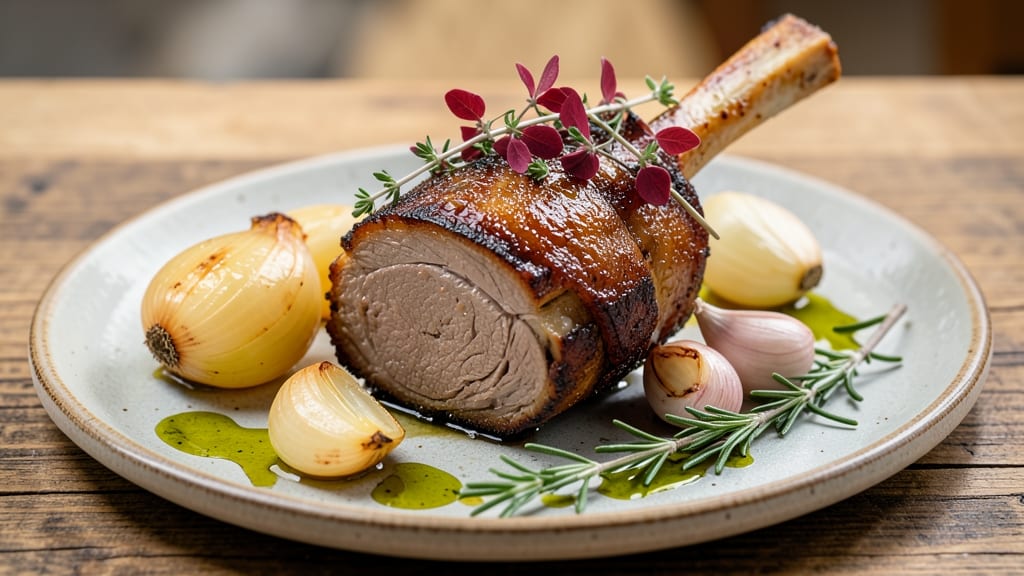
This bone-in pork shank recipe delivers restaurant-quality richness with crispy edges and melt-in-your-mouth tenderness—exactly what I perfect every fall when the weather calls for hearty, slow-cooked comfort. 🔥 As someone who's spent years mastering pork at Atlanta's The Smoky Pig, I know the secret lies in the bone: its marrow infuses the meat with unmatched depth while creating a sauce so flavorful it'll have everyone asking for seconds.
The technique combines traditional French braising with modern efficiency—searing the shank first develops that crispy crust, then slow roasting transforms tough muscle into fork-tender perfection.
What makes this recipe special is how it balances two cooking methods: high-heat searing for texture and low-and-slow roasting for moisture, all while developing layers of caramelized flavor in the pan. I've tested this with both heritage pigs and store-bought cuts, and the results are consistently impressive.
By the time you serve this dish, you'll have golden-brown pork shank with crispy edges that shatter like glass, tender meat that falls apart at the touch of a fork, and a pan sauce so rich it deserves its own bowl.
The aroma alone—smoky, savory, with hints of garlic and thyme—will fill your kitchen and have guests gathering before the timer even goes off. This is the kind of dish that transforms a simple weeknight into a memorable feast.
Pair it with creamy mashed potatoes or polenta to soak up every last drop of that velvety sauce, or serve it over buttery egg noodles for a classic comfort food experience.
The beauty of this recipe is its versatility—equally at home as a centerpiece for family dinners or an impressive main course for gatherings. Let's get cooking and bring that crispy, deeply satisfying pork shank to your table.
Ingredients for bone in pork shank
Pantry staples meet restaurant-quality pork for this fall favorite—crispy edges, tender meat, and sauce worth the wait.
| Ingredient | Amount | Notes |
|---|---|---|
| Bone-In Pork Shank 🥩 | 2 lb | Heritage or store-bought, 1.5-2 inches thick |
| Yellow Onion 🧅 | 1 whole | Chopped into 1/2-inch pieces |
| Garlic Cloves 🧄 | 6 cloves | Smashed with side of knife |
| Fresh Thyme 🌿 | ¼ cup | Stems removed, leaves chopped |
| Fresh Rosemary 🌿 | ¼ cup | Needles finely chopped |
| Extra-Virgin Olive Oil 🫒 | ¼ cup | High quality, fruity |
| Dry Red Wine 🍷 | 1 cup | Bold, like Cabernet Sauvignon |
| Chicken or Vegetable Stock 💧 | 2 cups | Low-sodium preferred |
| Tomato Paste 🍅 | 2 tbsp | Smooth, not chunky |
| Brown Sugar 🍚 | 1 tbsp | Light or dark |
| Kosher Salt 🧂 | 2 tbsp | Diamond Crystal preferred |
| Ground Black Pepper 🌶️ | 1 tbsp | Freshly cracked |
| Fresh Bay Leaves 🍃 | 2 whole | Dried if unavailable |
The pork shank is everything here. Heritage pork from Whole Foods or ButcherBox has the best marbling, but any 2-pound bone-in shank works—just make sure it's 1.5-2 inches thick for even cooking. Look for good fat cap coverage (at least 1/4 inch) and a vibrant pink color, not gray. If you're buying a whole shank, ask your butcher to cut it into 2 equal pieces. The bone's marrow is what gives this dish its unmatched depth, so don't skip it. For extra crispiness, pat the meat dry with paper towels before searing—this step is non-negotiable.
No red wine? Substitute beef stock with 1 tbsp balsamic vinegar—it mimics the acidity perfectly. Fresh thyme and rosemary are ideal, but dried works at half the amount if that's what you've got. The tomato paste can be the squeeze-tube kind from Trader Joe's—it's more convenient and lasts forever. For the stock, low-sodium is crucial unless you want to salt everything else to oblivion. The brown sugar adds subtle sweetness that balances the acidity; if you're avoiding sugar, maple syrup works too. And trust me on the bay leaves—they add that subtle earthiness that makes this sauce sing.
This reheats like a dream—better the next day once all the flavors meld. Store in the fridge for 4-5 days or freeze for 3 months in portions. I always make double batches because the sauce freezes beautifully too—perfect for quick weeknight dinners. Keep the pork shank in its sauce when refrigerating; it stays moist and flavorful. For serving, let it sit at room temperature for 15 minutes before carving—that's when the crispy edges really shine.
Why You'll Love This Recipe
- One-Pot Magic: I swear by this—just toss the shank, onions, and garlic in a deep pan, add enough liquid to cover, and let it slow-simmer while I handle the rest of dinner. No chopping boards to wash, no extra pots, just pure, hands-off ease.
- Crispy-Creamy Payoff: That bone-in magic is real—the marrow melts into the meat, turning it impossibly tender while the edges stay golden and crackly. The thyme and rosemary? They infuse the broth until every bite tastes like a hug from your nonna.
- Leftovers That Shine: Between us, this dish begs to be made twice—once for dinner, once for lunch. The flavors only deepen overnight, and reheating? Just a splash of water, 10 minutes on low. My freezer’s full of these, and they’re always the first to go.
- Budget Hero: Pork shanks are the unsung workhorses of affordable meat—cheaper than steak, richer than chicken, and packed with flavor. I buy them on sale, freeze half, and still get restaurant-worthy meals for half the price. (Yes, even on a Tuesday night.)
Step-by-step instructions for deep-roasted pork shank
Here's how to transform tough pork shank into melt-in-your-mouth perfection with crispy edges.
🔥 Step 1: Sear the Pork Shank Until Deeply Browned
Preheat your oven to 325°F and heat a large Dutch oven over medium-high heat. Place the 2 lb bone-in pork shank bone-side down in the pot and sear for 8-10 minutes until it develops a deep, golden-brown crust on all sides. I press down gently on the shank during the first minute—this prevents it from curling and ensures even contact with the pan.
Real talk: Don't rush this step. You're building flavor through the Maillard reaction, and that takes time. Flip the shank occasionally and let it develop that beautiful crust. Once it's golden brown on all sides, remove it from the pot and set it aside on a plate.
👨🍳 Step 2: Build the Aromatic Base
In the same Dutch oven, add 0.25 cup extra-virgin olive oil and let it heat for 1 minute until shimmering. Add the 1 whole chopped yellow onion and cook for 5 minutes until softened and golden. Add the 6 smashed garlic cloves and cook for 30 seconds until fragrant—don't let it brown or it'll turn bitter.
Stir in the 0.25 cup chopped fresh thyme, 0.25 cup chopped fresh rosemary, 2 tbsp tomato paste, 1 tbsp brown sugar, 2 tbsp kosher salt, and 1 tbsp ground black pepper. Cook for 2 minutes stirring constantly to toast the spices and deepen their flavors. This is where all the magic starts to happen.
🍳 Step 3: Deglaze and Simmer the Sauce
Pour in the 1 cup dry red wine and scrape up all those delicious browned bits from the bottom of the pot with a wooden spoon. This deglazing step captures all that concentrated flavor. Let the wine simmer for 3-4 minutes until reduced by half, then add the 2 cups chicken or vegetable stock and the 2 whole fresh bay leaves.
Return the pork shank to the pot, bone-side up, and bring everything to a gentle simmer. The liquid should come about halfway up the shank. Cover the pot and transfer it to the preheated 325°F oven. This low-and-slow cooking method is key to tenderizing the tough meat.
⏰ Step 4: Braise Until Fork-Tender
Braise the pork shank for 2.5-3 hours until the meat is fork-tender and easily pulls away from the bone. I check it at the 2-hour mark—if it's not tender yet, just add 15-20 minutes and check again. The sauce should be rich and slightly reduced by the end of cooking.
Here's the thing—don't peek or stir the shank during cooking. Every time you open the lid, you lose heat and moisture, which can turn your tender meat tough again. Trust the process and let it cook undisturbed. When it's done, you'll see that deep mahogany color and smell that incredible aroma.
🍽️ Step 5: Rest and Serve with Crispy Edges
Remove the pork shank from the pot and let it rest for 10 minutes before serving. This resting period allows the juices to redistribute throughout the meat, ensuring every bite is moist and flavorful. During this time, you can skim any excess fat from the sauce if desired.
Slice the pork shank against the grain into ½-inch thick slices and serve with the rich braising sauce spooned over the top. The exterior should be beautifully crispy while the interior melts in your mouth. This dish pairs perfectly with crusty bread to soak up all that delicious sauce.
Pro Tips For Making Bone In Pork Shank
- SEAR THE SHANK HARD: Get that pork shank screaming hot in a dry pan first—no oil needed. After 5 minutes on each side, add a little fat to render the crust properly. I used to rush this, and the flavor just wasn’t the same.
- SALT THE MEAT BEFORE SEARING: Generously coat the pork shank with kosher salt at least 30 minutes before cooking. This seasoning penetrates deeper than you’d think, and it’s the foundation of flavor. (Yes, even if you’re impatient like me.)
- DON’T CROWD THE PAN: When browning the onions and garlic, spread them out in a single layer—no overlapping. I learned this the hard way when my thyme and rosemary turned to mush instead of releasing their aroma. Patience here makes a real difference.
- REST IT AFTER BRAISING: Let the shank sit under foil for 10-15 minutes after pulling it from the oven. The juices redistribute, and the meat stays tender instead of drying out. I skip this when I’m lazy, but the dish is noticeably better when I don’t.
Best sauces and condiments for this dish
Classic Red Wine Sauce
This rich, velvety sauce is the star of your pork shank—built from the same red wine and aromatics that braise the meat. After searing the shank, deglaze your Dutch oven with 1 cup bold Cabernet Sauvignon (I love Louis Martini for its balance) and let it reduce by half.
The wine's acidity cuts through the richness while extracting deep umami flavors from the browned bits. For extra depth, add 2 tbsp tomato paste and 1 tbsp brown sugar to the pan before adding stock—this creates a glossy, slightly sweet sauce that clings beautifully to the meat. 🍷
Herb-Infused Olive Oil Drizzle
Brighten the plate with a simple yet elegant drizzle of extra-virgin olive oil infused with fresh herbs. Heat ¼ cup olive oil with 1 tbsp chopped rosemary and 1 tbsp chopped thyme until fragrant (about 2 minutes on low heat).
Strain and drizzle over the finished pork shank just before serving. This adds a fresh, aromatic contrast to the rich sauce and enhances the crispy edges. I keep a jar of this herb oil in my fridge for quick finishing touches on any braised dish.
Creamy Mustard Sauce
For a tangy twist, blend ½ cup of the braising sauce with 2 tbsp Dijon mustard and 1 tbsp crème fraîche until smooth. This sauce adds a bright, slightly spicy kick that cuts through the richness of the pork.
I like to serve it on the side for dipping or spoon over the sliced shank. If you don’t have crème fraîche, Greek yogurt works perfectly—just strain it first to remove excess moisture.
This variation is a crowd-pleaser, especially for guests who enjoy a bit of zing with their pork. 🌶️
Garlic-Herb Butter
Elevate your pork shank with a pat of garlic-herb butter on each serving. Mix 2 tbsp softened butter with 1 minced garlic clove, ½ tsp chopped parsley, and a pinch of kosher salt.
Spoon a small dollop onto each plate and let it melt over the hot pork shank. This adds a luxurious, buttery finish that enhances the crispy edges while keeping the dish lighter than the classic wine sauce.
I often make this ahead and store it in the fridge for up to 3 days.
Spicy Harissa Glaze
For a bold, North African-inspired twist, simmer 2 tbsp harissa paste (I love Bella brand) with 1 tbsp honey and 1 tbsp water until glossy. Brush this glaze over the pork shank during the last 15 minutes of braising for a smoky, spicy crust.
The harissa’s heat pairs beautifully with the pork’s richness, while the honey balances the acidity. Serve with a cooling yogurt sauce> (mix ¼ cup yogurt with 1 tsp lemon juice) to tame the spice. This variation is perfect for adventurous eaters who love a little heat. 🔥
Nutrition facts
Frequently asked questions
Why is bone-in pork shank better than boneless?
The bone creates a flavorful broth as it cooks, infusing the meat with rich marrow and umami depth. The bone also helps stabilize the cut during braising, preventing curling. Plus, heritage pork shanks from local butchers often have better marbling and texture than boneless cuts. For maximum flavor, never skip the bone!
Can I use this recipe for a slow cooker?
Sear the shank first, then transfer everything (including the sauce) to a 6-quart slow cooker. Cook on low for 8-10 hours or high for 5-6 hours. The key is to keep the liquid level high enough to cover the meat. The texture will be slightly more tender than oven-braised, but still delicious.
What's the best way to make the sauce thicker?
Simmer the sauce uncovered for 10-15 minutes at the end to reduce it. For extra thickness, mix 1 tbsp cornstarch with 2 tbsp cold water, stir into the sauce, and cook until it reaches your desired consistency. Pro tip: Skim excess fat from the surface before reducing for a cleaner sauce.
How do I know when the pork shank is done?
Use a meat thermometer to check for 205°F in the thickest part of the meat. The bone should pull out cleanly, and the meat should be fork-tender. If it's not quite there after 3 hours, add 15-20 minutes more. The sauce should coat the back of a spoon and have a rich, caramelized appearance.
What's the best way to reheat leftovers?
Gently reheat in a skillet over low heat with a splash of stock or water to prevent drying. For oven reheating, cover with foil and warm at 300°F for 20-25 minutes. Never microwave—it makes the meat rubbery. Leftovers actually improve overnight as flavors meld!