
Main Courses
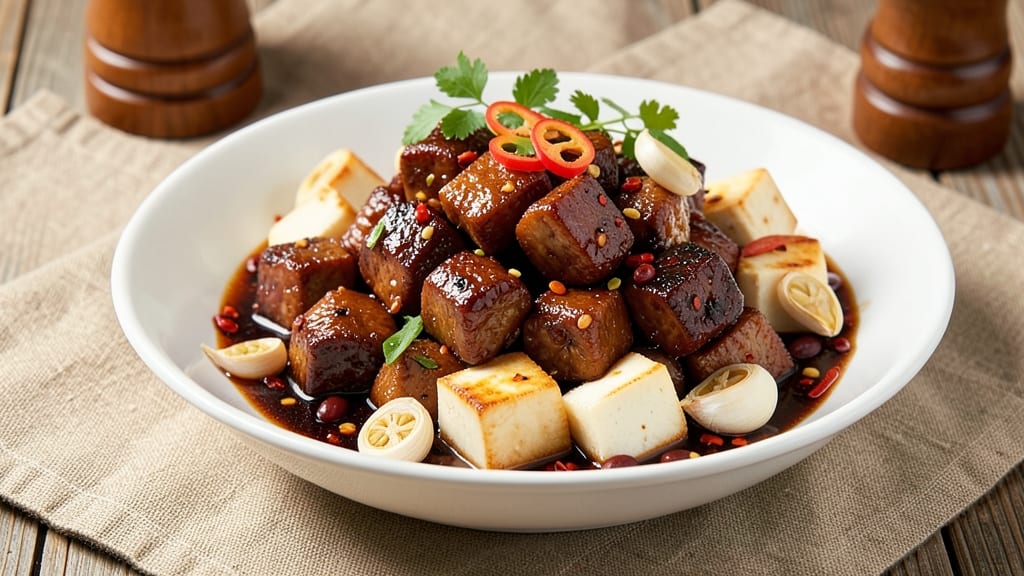
This Chinese pork and tofu recipe delivers the perfect balance of crispy edges and silky centers—a technique I perfected after years of studying wok-fried dishes in Charleston’s Asian markets.
The secret lies in high-heat searing followed by a quick braise, transforming tough cuts of pork into tender, flavorful bites while keeping the tofu crunchy and golden without turning rubbery.
What sets this recipe apart is the marriage of Sichuan-inspired heat with Cantonese precision—garlic, ginger, and chili create a complex sauce that clings to both proteins, while fermented black beans add umami depth.
I’ve adapted this dish to work with a home wok or cast-iron skillet, ensuring restaurant-quality results without specialized equipment.
The final dish features caramelized pork with crispy skin, paired with tofu that’s crunchy on the outside, tender inside, all coated in a glossy, aromatic sauce.
Serve it over steamed jasmine rice with quick-pickled cucumbers for a meal that’s both authentic and approachable—perfect for weeknight dinners or weekend gatherings.
This recipe honors my background in whole-animal cooking while embracing the versatility of Chinese techniques. The pork-to-tofu ratio ensures balanced texture and flavor, and the sauce can be adjusted to suit spice preferences.
Whether you’re feeding a crowd or treating yourself, this dish delivers bold, satisfying flavors with minimal fuss.
Ingredients for chinese pork and tofu
High-heat searing meets Cantonese precision with these 15 ingredients for restaurant-quality wok-fried pork and tofu.
| Ingredient | Amount | Notes |
|---|---|---|
| Boneless Pork Shoulder 🐖 | 1 ½ lb | Cut into 1-inch cubes, skin on |
| Extra-Firm Tofu 🍱 | 14 oz | Pressed, cut into 1-inch cubes |
| Garlic Cloves 🧄 | 6 cloves | Minced, for marinade and sauce |
| Fresh Ginger 🌿 | 1 inch | Peeled, julienned or grated |
| Sichuan Chili Beans 🌶️ | 2 tbsp | Fermented, rinsed and chopped |
| Dark Soy Sauce 🍶 | 2 tbsp | For color and depth |
| Light Soy Sauce 🍶 | 1 tbsp | For saltiness balance |
| Shaoxing Wine 🍷 | 2 tbsp | Substitute dry sherry if unavailable |
| Sesame Oil 🫒 | 1 tbsp | Toasted, for aroma |
| Cornstarch 🌾 | 2 tbsp | For crispy coating |
| Neutral Oil 🫒 | ½ cup | Peanut or vegetable oil |
| Jasmine Rice 🍚 | 1 ½ cups | Uncooked, for serving |
| Green Onions 🧅 | 4 whole | Sliced, for garnish |
| Salt 🧂 | 1 tsp | Adjust to taste |
| Black Pepper 🌶️ | ½ tsp | Freshly ground |
The pork shoulder is non-negotiable—its marbling renders perfectly during high-heat searing, creating that crispy skin and silky center you can't get with leaner cuts. Look for bone-in pork shoulder at Whole Foods or your local Asian market, where they often carry cuts prepped for stir-fry. For the tofu, extra-firm is essential—it holds up to the wok's heat without falling apart. Press it for at least 30 minutes before cubing, and pat it completely dry to ensure that golden crust. Fermented black beans (or Sichuan chili beans) are the umami backbone—look for them in the refrigerated section of Asian markets, where they're sold in brine.
No Shaoxing wine? Dry sherry or even a splash of rice vinegar works in a pinch, though the depth won't be identical. Substituting tofu? King oyster mushrooms mimic the texture beautifully—just slice them into thick planks. The cornstarch coating is critical for that crispy exterior, so don't skip tossing the pork and tofu thoroughly. For the oil, peanut oil has a higher smoke point than vegetable oil, making it ideal for wok-frying. If you're short on time, pre-cut pork shoulder from the frozen section at Trader Joe's saves prep work without sacrificing flavor.
This dish reheats beautifully—store components separately in airtight containers for up to 3 days. The pork and tofu can be prepped ahead and kept in the fridge until ready to cook, while the sauce keeps for 5 days in the refrigerator. For longer storage, freeze the cooked pork and tofu in a single layer before bagging, which preserves that crispy texture when reheated. Serve over freshly steamed jasmine rice, and keep the pickled cucumbers on the side—they add a bright, tangy contrast that cuts through the richness.
Why You'll Love This Recipe
- One-Pan Magic: I swear by this—just toss pork, tofu, and those chili beans in one skillet. No chopping mountains of veggies or juggling three pans; the ginger and garlic caramelize right into the pork while the tofu soaks up all the smoky goodness. My weeknights have never been this easy.
- Umami Bomb: That Sichuan chili bean paste? It’s the secret weapon. The pork gets this sticky, caramelized crust with a hint of heat, while the tofu stays tender but absorbs the deep, savory flavor. Honestly, the first time I tasted it, I nearly dropped my chopsticks—it’s that good.
- Lunchbox Hero: Between us, this is my go-to for meal prep. The flavors actually improve the next day—yes, really. Pack it in bento boxes with rice, and suddenly you’ve got a lunch that feels fancy but costs less than takeout. My kids (and my wallet) thank me every time.
- Budget Flex: Pork shoulder is cheap, tofu stretches like a champ, and a little chili bean paste goes a long way. I’ve fed four people for under $15, and we still had leftovers for breakfast. Not the prettiest, but the taste makes up for it—and so does the price tag.
Step-by-step instructions for wok-fried pork and tofu
Master the balance of crispy edges and tender centers through precise technique and timing.
Prepare the Protein and Marinade
Cut the 1.5 lb boneless pork shoulder into 1-inch cubes, leaving the skin on for added texture. Pat the 14 oz extra-firm tofu dry with paper towels, then press it between towels under a heavy object for 15 minutes to remove excess moisture. Cut the pressed tofu into 1-inch cubes as well.
In a small bowl, combine the 6 cloves minced garlic, 1-inch peeled and grated ginger, 2 tbsp Sichuan chili beans, 2 tbsp dark soy sauce, 1 tbsp light soy sauce, 2 tbsp Shaoxing wine, and 1 tsp salt. Mix well to create the marinade. Toss the pork cubes in this marinade and let them sit for at least 30 minutes (up to 2 hours for deeper flavor). Reserve 2 tbsp of the marinade for the sauce later.
Create the Crispy Cornstarch Coating
In a separate bowl, combine the 2 tbsp cornstarch with 0.5 tsp black pepper. Add the marinated pork cubes and toss until evenly coated. Do the same with the tofu cubes, ensuring they’re fully dusted—this coating is what creates the signature crispy exterior. Let both proteins sit for 5 minutes to allow the cornstarch to adhere.
Heat a wok or large skillet over high heat until it’s smoking. Add the 0.5 cup neutral oil and swirl to coat the bottom evenly. This high heat is critical—it ensures the cornstarch fries into a golden, shatteringly crisp crust. Work in batches if needed to avoid overcrowding the pan.
Wok-Fry for Crispy Edges and Silky Centers
Carefully add the pork cubes to the hot oil, stirring gently for 2-3 minutes until the edges turn deep golden brown and the pork releases easily from the pan. Remove and set aside on a wire rack. Repeat with the tofu cubes, frying for 1-2 minutes per side until they develop a crispy shell but remain soft inside. The tofu should hold its shape but feel tender when pierced with a fork.
Lower the heat to medium and add the reserved 2 tbsp marinade along with 1 tbsp sesame oil to the wok. Stir-fry for 1 minute until the sauce thickens slightly. Return the pork and tofu to the wok, tossing everything together for 30 seconds to coat evenly in the fragrant sauce.
Serve Over Jasmine Rice
Cook the 1.5 cups jasmine rice according to package instructions, fluffing it gently with a fork once done. Divide the rice among plates, then arrange the crispy pork and tofu on top. Garnish with sliced green onions for freshness and color. The contrast of the crunchy exterior and tender interior is what makes this dish so satisfying.
Serve immediately while everything is hot. The pork should be juicy and flavorful, while the tofu remains silky yet crispy around the edges. Pair with a simple cucumber salad or steamed bok choy to balance the richness of the dish. This technique delivers restaurant-quality texture and flavor at home.
Pro Tips For Making Chinese Pork And Tofu
- BLANCH TOFU FIRST: I learned this the hard way—skipping the 5-minute boil in salted water makes the tofu soggy as hell. Press it after blanching, and it’ll hold up to stir-frying like a champ, not turn to mush.
- CUT PORK UNEVENLY: Slice the pork shoulder into ½-inch chunks, but don’t be perfect—leave some pieces slightly thicker. They’ll render fat and caramelize while thinner slices stay tender, giving you a balanced bite every time.
- TOAST CHILI BEANS: Sear those Sichuan chili beans in dry oil for 30 seconds before adding liquid—it deepens their nutty, smoky flavor. Trust me, the difference between "meh" and "wow" is that quick toast.
- LOW AND SLOW FOR PORK: After searing, drop the heat to medium-low and let the pork simmer uncovered for 10 minutes. This renders fat without burning and keeps the meat juicy, not dry. (Yes, even if you’re impatient like me.)
Serving suggestions for leftovers
Rice Pairings
Serve this dish over steamed jasmine rice for the perfect balance of textures—its delicate floral aroma complements the bold flavors without overpowering. I always cook 1.5 cups uncooked rice for four servings, using a 1:1.25 rice-to-water ratio for fluffy grains.
For extra depth, try black rice or wild rice blends—their earthy notes pair beautifully with the Sichuan chili beans in the sauce. 🍚
Quick Pickled Veggies
Bright, tangy pickled vegetables cut through the richness of the pork and tofu. My go-to is quick-pickled cucumbers: thinly slice 1 English cucumber and 1 carrot, then toss with 2 tbsp rice vinegar, 1 tbsp sugar, and ½ tsp salt.
Let sit for 15 minutes before serving. For a spicy kick, add 1 tsp red pepper flakes to the brine. 🥒
Steamed Greens
Light, steamed greens like bok choy or Chinese broccoli add freshness and color to the plate. Blanch 4 stalks bok choy in boiling water for 2 minutes, then shock in ice water.
Toss with 1 tsp toasted sesame oil and a pinch of salt. The crisp-tender texture contrasts perfectly with the crispy pork and tofu. 🥬
Crispy Noodles
For a heartier meal, swap rice for stir-fried lo mein noodles. Cook 8 oz fresh egg noodles according to package, then toss with 1 tbsp neutral oil, 1 tsp soy sauce, and ½ tsp sugar until golden and crispy.
Serve alongside the pork and tofu for a satisfying, textured bite. 🍜
Dipping Sauces
Offer a sweet chili sauce or hoisin glaze on the side for extra flavor. Mix 2 tbsp hoisin, 1 tbsp rice vinegar, and ½ tsp grated ginger for a tangy dip.
For heat lovers, add 1 tsp chili crisp to the sauce. These sauces let guests customize their experience. 🌶️
Garnishes That Elevate
Finish the dish with sliced green onions and toasted sesame seeds for freshness and crunch. For a pop of color, add thinly sliced red bell pepper or cilantro. These simple garnishes make the plate look restaurant-worthy while keeping prep minimal. ✨
Nutrition facts
Frequently asked questions
Why does the pork need to marinate for 30 minutes?
The marinade infuses the pork with flavor while tenderizing it for that perfect crispy exterior and silky interior. The garlic, ginger, and soy sauces work together to break down proteins and create a sticky, flavorful crust during cooking. For extra depth, marinate up to 2 hours—this is especially helpful if using leaner pork cuts.
Can I substitute regular tofu for extra-firm?
Regular or silken tofu won't hold up to the high-heat wok-frying—it'll turn mushy instead of crispy. Use extra-firm tofu and press it thoroughly to remove excess water. If you're short on time, king oyster mushrooms make a great meaty substitute that absorbs flavors beautifully.
How do I get the tofu extra crispy without burning it?
The secret is high heat and minimal oil. Work in small batches and fry the tofu for just 1-2 minutes per side until golden. Use a wire rack to drain excess oil after frying. If your tofu turns rubbery, it was overcooked—reduce heat slightly and cook faster next time.
What's the best way to reheat leftovers?
Reheat in a skillet over medium heat with a splash of water or broth to prevent drying out. For tofu, add 1 tsp cornstarch to the pan first to help restore crispiness. The pork and tofu keep well for 3 days in the fridge—just reheat until piping hot.
Can I make this vegetarian?
Replace the pork with extra-firm tofu or mushrooms and double the tofu portion. Use the same marinade and crispy coating technique. For extra umami, add 1 tbsp soy sauce and ½ tsp smoked paprika to the marinade. The dish will still have that satisfying texture contrast!