
Main Courses
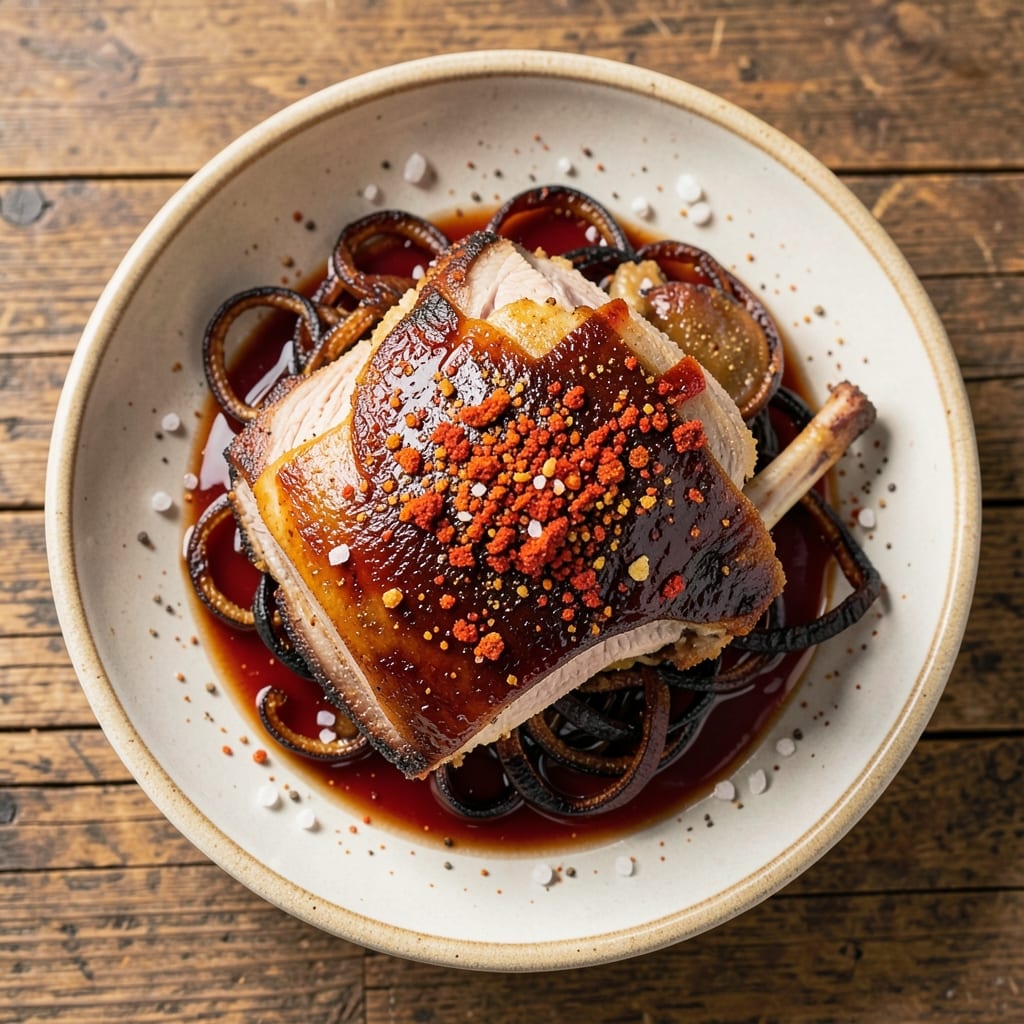
The best smoked pork shoulder recipe ever delivers melt-in-your-mouth tenderness with a crisp bark that locks in every juicy bite. I perfected this over years of trial and error—learning the secrets of stall management, wood selection, and precise temperature control that transform tough pork into something extraordinary. The key? A foolproof dry rub and low-and-slow smoking that ensures no dry bites, just perfect pull-apart texture every time.
This recipe starts with a simple yet powerful dry rub of brown sugar, paprika, garlic powder, and cayenne, creating that signature bark while keeping the meat moist. Smoking at 225°F with hickory or cherry wood for 10-12 hours (depending on cut size) builds deep, smoky flavor without overpowering the natural richness of the pork. The stall—that dreaded temperature plateau—becomes your friend when managed with a light spritz of apple juice, ensuring even cooking and a juicy finish.
When the internal temperature hits 203°F, you’ll know it’s ready—probe-tender and falling apart at the touch. A resting period of 60-90 minutes lets the juices redistribute, guaranteeing that first cut reveals juicy, flavorful meat with no dry edges. The result? A showstopping centerpiece that’s crisp on the outside, tender on the inside, and packed with smoky-sweet flavor that’ll have everyone asking for seconds.
Serve it sliced thick on toasted buns with tangy coleslaw, piled high on buttery cornbread, or shredded into BBQ tacos—the possibilities are endless. This isn’t just pork; it’s a restaurant-quality masterpiece you can smoke in your own backyard. Let’s get started on creating the best smoked pork shoulder you’ve ever tasted.
Ingredients for best smoked pork shoulder recipe ever
Eight pounds of pork shoulder plus a perfect two-stage rub—this is how you get bark-to-bone perfection every time.
| Ingredient | Amount | Notes |
|---|---|---|
| Bone-In Pork Shoulder 🐖 | 8 lb | Fresh cut, well-marbled |
| Brown Sugar 🍯 | ½ cup | Light or dark variety |
| Smoked Paprika 🌶️ | 2 tbsp | High-quality for bark |
| Garlic Powder 🧄 | 1 tbsp | Freshly ground preferred |
| Coarse Kosher Salt 🧂 | 1 ½ tbsp | Diamond Crystal preferred |
| Ground Black Pepper 🌶️ | 1 tbsp | Freshly cracked |
| Onion Powder 🧅 | 1 tbsp | For depth of flavor |
| Yellow Mustard 🍯 | 1 tbsp | For moisture retention |
| Apple Juice 🍎 | 1 cup | Unsweetened, for spraying |
| Hickory Wood Chips 🌳 | 2 packages | Unsoaked for smoker |
| Cherry Wood Chips 🍒 | 1 package | For two-stage smoke |
| Apple Wood Chips 🍏 | 1 package | Optional for fruitiness |
| Butter (Unsalted) 🧈 | ½ cup | Cold, for basting |
The pork shoulder is non-negotiable here—bone-in with good marbling is key for that melt-in-your-mouth texture. Grab a well-marbled cut from your butcher or Costco's pre-packaged pork shoulder (8 lbs). If you're buying whole, trim excess fat to about 1/4-inch thickness—enough to render but not so much it burns. The rub ingredients? Smoked paprika from Penzeys and Diamond Crystal kosher salt make all the difference. I always double-check the salt—it's what creates that crisp bark. Pro tip: Pat the pork dry before applying the rub for maximum adhesion.
No smoked paprika? Substitute 1 tbsp regular paprika plus 1 tsp liquid smoke—it won't be identical, but it'll get you close. Running out of apple juice for spraying? White grape juice or even water works in a pinch, though apple adds that subtle sweetness. The wood chips are where the magic happens—hickory for the initial smoke, then cherry or apple for that clean, fruity finish. No cherry wood? Pecan or oak are solid backups. Want extra crisp? Add 1 tbsp brown sugar to the spray mix during the last hour. And trust me on the butter basting—it's what takes this from good to restaurant-quality.
This pork keeps 5-7 days in the fridge once cooked, though it's best within 3 days. For longer storage, vacuum-seal portions and freeze for up to 6 months. I always make two batches—one for immediate serving, one to portion and freeze. The bark stays crisp for about 3 days if stored properly, so plan accordingly. Leftovers? Shred for tacos, sandwiches, or pulled pork—just reheat with a splash of broth to keep it moist. And save those bones! Simmer for 6-8 hours to make the best pork broth you've ever tasted.
Why You'll Love This Recipe
- Crispy-Meets-Tender Magic: That bone-in cut? It’s the star. The sugar caramelizes into a glossy crust while the inside stays juicy and pull-apart easy—like biting into a cloud with a crackling top. Honestly, my kids ask for this over pizza now.
- Leftovers That Won’t Let You Down: Smoked pork shoulder is my meal prep MVP. Shred it for tacos, sandwiches, or even breakfast hash the next day. Between us, I’ve had it cold on a roll at 2 PM and it still tasted like a Sunday dinner.
- Budget Smoker Gold: You’re getting a whole cut for less than $3 a pound, and it feeds a crowd. That’s right—one pork shoulder feeds my family of five with leftovers, and the flavors? Rich enough to make it feel fancy without the grocery bill.
Step-by-step instructions for smoked pork shoulder with perfect bark and juice
This isn't just another pulled pork recipe—it's the method that delivers competition-level results every time.
Prepare the Pork Shoulder with a Flavor Bomb Rub
Start by trimming any excess fat from the pork shoulder, leaving about ¼-inch fat cap for moisture during smoking. In a large bowl, combine all 0.5 cup brown sugar, 2 tbsp smoked paprika, 1 tbsp garlic powder, 1.5 tbsp coarse kosher salt, 1 tbsp ground black pepper, and 1 tbsp onion powder. This isn't just seasoning—it's a flavor bomb that creates that legendary bark.
Mix the dry ingredients thoroughly, then add 1 tbsp yellow mustard to create a paste. The mustard helps the rub stick and adds moisture retention. Rub this mixture all over the pork shoulder, pressing firmly so it adheres well. Don't be shy—you want that rub to cling to every inch of meat. Place the seasoned pork on a wire rack set over a baking sheet and refrigerate uncovered for 12-24 hours. This dry-brining step is non-negotiable for that perfect bark.
Set Up a Two-Stage Smoke for Maximum Flavor
Fill your smoker with 2 packages hickory wood chips and 1 package cherry wood chips—this combination gives you that classic BBQ flavor with a touch of sweetness. Light the chips and let the smoker preheat to 225°F with the lid closed. You want to see clean, blue smoke (not thick white steam) before adding the pork. The key here is patience—rushing the smoke setup leads to uneven cooking.
Once the smoker reaches temperature, add the pork shoulder fat-side up. This allows the rendered fat to baste the meat as it cooks. Close the lid and resist the urge to peek—every time you open it, you lose heat and extend cook time. After 4-5 hours, when the internal temperature reaches 160°F, it's time for the two-stage smoke. Add 1 package apple wood chips to the smoker for the final 2-3 hours of cooking. This adds subtle fruitiness that elevates the flavor profile.
Wrap and Finish for Tender Perfection
When the internal temperature hits 195-200°F (the stall point), it's time to wrap. I use butcher paper—not foil—because it allows the meat to breathe while retaining moisture. Spray the wrapped pork generously with 1 cup apple juice to create steam inside the paper. This technique, called the "Texas crutch," powers through the stall and keeps the meat moist while developing that incredible bark.
Return the wrapped pork to the smoker and continue cooking until the internal temperature reaches 203°F and a probe slides in like butter. This usually takes another 2-3 hours, but don't rush it. The meat needs this time to become truly tender. The apple juice spray also creates a beautiful sheen on the bark that's impossible to resist.
Rest and Baste for Ultimate Juiciness
Remove the pork from the smoker and let it rest in the butcher paper for 1 hour (I prefer 2 hours in a cooler if you're making it ahead). This resting period allows the juices to redistribute throughout the meat. While it rests, melt 0.5 cup unsalted butter in a saucepan over low heat and brush it all over the pork shoulder. This basting step adds richness and helps create that glossy finish.
Once rested, the pork should be effortlessly tender with a dark mahogany bark that's crispy to the touch. It should pull apart with minimal effort, revealing juicy, pink meat underneath. The bark should be thick enough to stand up to a toothpick but still crispy when broken. This is where all the magic comes together—perfect texture, incredible flavor, and no dry bites in sight.
Pro Tips For Making Best Smoked Pork Shoulder Recipe Ever
- CRANK THE HEAT FIRST: Smoke that pork shoulder at 225°F for the first 90 minutes—yes, even if you’re impatient. I learned this the hard way after pulling a batch at 200°F and ending up with bland, gray meat. That initial high heat gets the crust locked in before it turns into a slow-and-low marathon.
- SALT THE MEAT TWICE: Coat the bone-in pork shoulder with kosher salt before applying the brown sugar-smoked paprika mix. Let it sit uncovered in the fridge for at least 4 hours (or overnight if you’re planning ahead). This isn’t just about seasoning—it’s about drawing out moisture so the rub sticks and the bark forms properly. Trust me, your future pulled pork will thank you.
- SKIP THE CROWDED SMOKER: Give that pork shoulder some breathing room—don’t stack it with other meats or cram it into a tiny smoker. Airflow is everything, especially when you’re working with a bone-in cut. If your smoker’s packed, wrap it loosely in foil for the first 3 hours to speed up the process, then unwrap to crisp the skin.
- UPGRADE THE RUB TIME: Don’t just slap on the brown sugar, smoked paprika, and garlic powder mix and call it a day. Press that rub into every nook—especially around the bone and thickest parts—using your fingers or a paper towel. I was skeptical until I tried it, and now I can taste the difference in the final bite. It’s extra work, but it’s worth it.
Make-ahead tips for this best smoked pork shoulder recipe ever
Prep Ahead Like a Pro
I always prep the pork shoulder and rub the night before—it’s a game-changer. After trimming the fat and applying the rub, place the pork on a wire rack over a tray in the fridge uncovered. This dry-brining step (12-24 hours) locks in flavor and ensures that crisp bark you crave. Trust me, the extra time is worth it for that restaurant-quality texture. 💪
Smoke in Stages
For make-ahead convenience, I recommend smoking the pork shoulder for about 8-10 hours (until it reaches 160°F internal temp), then wrapping it in butcher paper and storing it in the fridge. The next day, you can finish it by reheating it in the smoker or oven until it hits 203°F. This two-stage approach saves time while keeping the meat juicy and flavorful.
Freezer-Friendly
Want to smoke it ahead of time and freeze it? No problem. After reaching 203°F, let the pork rest for 1 hour, then vacuum-seal it with the bark intact. It’ll keep in the freezer for up to 6 months without losing quality. When ready to serve, thaw it in the fridge overnight, then reheat it in a 325°F oven for 1-2 hours until it’s warmed through.
Reheat Like a Boss
For the best results, reheat the pork in a 325°F oven on a wire rack set over a baking sheet. This allows heat to circulate evenly and prevents soggy bark. Add a splash of apple juice to the baking sheet to keep the pork moist. If you’re short on time, a 275°F oven works too—just give it a little extra time. The key is low and slow to preserve that tender texture.
Portion for Perfection
Before freezing or storing leftovers, portion the pork into individual servings or meal-sized bundles. Wrap each portion tightly in butcher paper or foil, then store them in airtight containers. This way, you can pull out just what you need without thawing the whole batch. Perfect for game day or family gatherings when you want that smoky flavor without the last-minute stress. ✨
Nutrition facts
Frequently asked questions
How do I know when my smoked pork shoulder is done?
Use a meat thermometer to check the internal temperature—it's ready when it hits 203°F. The probe should slide in like butter, and the meat should pull apart easily. Don't rely on time alone—every smoker behaves differently, and pork needs that precise temperature for perfect tenderness.
Can I use a different wood than hickory and cherry?
While hickory and cherry create that classic BBQ flavor, you can experiment with pecan for a sweeter profile or oak for a more neutral base. Just avoid pine—it has a strong, bitter taste that overpowers the pork. For fruitiness, apple or peach wood chips work beautifully in the two-stage smoke.
Why did my pork shoulder turn out dry?
Dry pork usually means one of three things: overcooking (past 203°F), not wrapping during the stall, or skipping the rest. Always wrap in butcher paper when hitting 195°F and spritz with apple juice. Also, never cut into it right after smoking—rest for at least 1 hour (longer is better) to let juices redistribute.
What's the best way to store leftovers?
Store cooked pork shoulder in an airtight container in the fridge for up to 5 days, or freeze it for 6 months. For reheating, use a 325°F oven on a wire rack (not a microwave) to preserve that crisp bark. Add a splash of apple juice to the pan to keep it moist during reheating.
Can I make this in an oven instead of a smoker?
Yes! Preheat your oven to 275°F and place the pork on a rack over a tray. Smoke it indirectly by putting a pan of water below for moisture, then add wood chips (soaked in water) to a small foil pan for smoky flavor. Cook until 203°F internal temp, then wrap and finish as directed. It won't be identical, but it's a great backup method.