
Main Courses
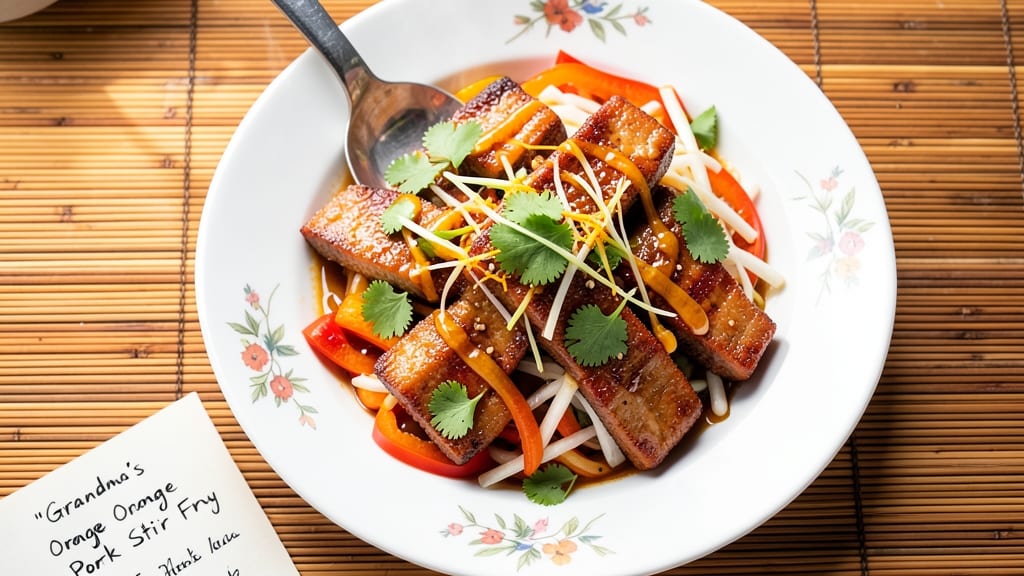
Chinese orange pork stir fry delivers that perfect balance of crispy edges and sweet-tangy glaze that makes every bite irresistible. I developed this recipe after years of perfecting stir-fry techniques, drawing from both my CIA training and the bold flavors of Southeast Asian cuisine.
The secret lies in the marinade—where orange juice and vinegar work together to tenderize the pork while building that signature glossy finish.
What sets this dish apart is the two-stage cooking process: first searing the pork until golden and crispy, then tossing it in the sauce to create that sticky, caramelized coating. The combination of orange zest and a touch of chili powder adds depth that elevates this beyond basic takeout flavors.
It's the kind of dish that transforms a simple weeknight dinner into something special with minimal effort.
By the time you're done, you'll have perfectly seared pork strips with a glossy orange glaze that's both sweet and slightly tangy. The aroma alone will have everyone gathering around the table, and the texture contrast—crispy edges against tender meat—is what makes this recipe truly stand out.
This is restaurant-quality Chinese cuisine you can make at home, right in your own kitchen.
The best part? This recipe scales beautifully whether you're cooking for two or feeding a crowd. The sauce can be made ahead, and the pork cooks quickly, making it perfect for busy weeknights. Let's get started on creating this flavorful masterpiece that captures the essence of authentic Chinese stir-fry.
Ingredients for chinese orange pork stir fry
These bold flavors and crispy textures come together for a dish that tastes like takeout magic.
| Ingredient | Amount | Notes |
|---|---|---|
| Boneless Pork Loin 🥩 | 1 ½ lb | Cut into 1-inch strips |
| Fresh Orange Juice 🍊 | ½ cup | From 1 large orange |
| Rice Vinegar 💧 | 2 tbsp | White vinegar substitute |
| Orange Zest 🍊 | 1 tbsp | From 1 large orange |
| Low-Sodium Soy Sauce 🥄 | 2 tbsp | Regular soy sauce works |
| Sesame Oil 🫒 | 1 tbsp | For aroma, not cooking |
| Brown Sugar 🍚 | 1 tbsp | Packed firmly |
| Ground Chili Powder 🌶️ | ½ tsp | Adjust for heat preference |
| Minced Garlic 🧄 | 3 cloves | Freshly minced |
| Neutral Oil 🫒 | 2 tbsp | Vegetable or canola oil |
| Cornstarch 🌾 | 1 tbsp | For crispy coating |
| Green Onions 🧅 | 4 whole | Sliced for garnish |
| Sesame Seeds 🌾 | 1 tsp | Toasted for garnish |
| Salt 🧂 | ½ tsp | Kosher salt preferred |
| Black Pepper 🌶️ | ¼ tsp | Freshly ground |
The pork is where the magic happens. Look for well-marbled pork loin—it stays juicier during the quick sear. I always grab mine from the butcher section at Whole Foods or Trader Joe's because their cuts are consistently high-quality. If you can't find boneless loin, pork tenderloin works too, but slice it thinner. Fresh orange juice is a must—bottled won't give you that bright, tangy flavor. For the zest, use a fine grater and don't skip the pith (the white part)—it adds subtle bitterness that balances the sweetness.
No fresh orange juice? Substitute with a mix of apple juice and a splash of lemon juice—it's not identical, but it works in a pinch. Running low on rice vinegar? White vinegar or apple cider vinegar both work, but reduce to 1 tbsp. The chili powder adds just a hint of heat, but if you want more kick, swap in red pepper flakes. For the crispy coating, cornstarch is key—it creates that perfect crunch. If you're out, all-purpose flour works too, but it won't be as crispy. The sesame oil is for flavor only—don't cook with it!
This sauce keeps for 5 days in the fridge, but the pork is best made fresh. If you're prepping ahead, marinate the pork for up to 4 hours—any longer and it gets mushy. Store leftovers in an airtight container for 3-4 days. The sauce freezes beautifully, so make extra for next time. Garnish with toasted sesame seeds right before serving—they add that restaurant-quality crunch that makes all the difference.
Why You'll Love This Recipe
- One-Pan Magic: I swear by this for nights when I’m too tired to wash dishes. Sear the pork, toss in the veggies (or skip them—no judgment), then deglaze with that bright orange juice and soy sauce. One pan, one spatula, and zero stress.
- Bright Tang Kick: That citrus-soy glaze? Chef’s kiss. The orange zest cuts through the richness of the pork while the vinegar keeps it from feeling heavy. Honestly, the first time I tasted it, I wondered why I’d never made it before—it’s like a wake-up call for your taste buds.
- Weeknight to Dinner Party: Serve it over steamed rice for a quick family meal, or pile it onto lettuce cups for a fancy-ish appetizer. Between us, I’ve even used it as a filling for spring rolls when I was lazy about making dumplings. Works everywhere.
- Budget-Friendly Leftovers: Pork loin stretches far here, and the sauce only needs a splash of orange juice—no pricey ingredients. Plus, it reheats like a dream, so I make double batches. My lunchbox gets a serious upgrade for days.
Step-by-step instructions for Chinese orange pork stir fry
Here's how to make restaurant-quality orange pork with perfect crispy edges and bright citrus flavor.
Prepare the Pork for Maximum Crispiness
Cut the 1.5 lb boneless pork loin into 1-inch strips—this size ensures even cooking and crispy edges. Place the pork in a large bowl and add 1 tablespoon cornstarch, ½ teaspoon salt, and ¼ teaspoon black pepper. Toss gently but thoroughly to coat each piece evenly with the cornstarch mixture. This creates a crispy barrier that prevents the pork from drying out while giving it that signature crunch.
Let the coated pork sit for 10 minutes at room temperature while you prepare the marinade. This resting period helps the cornstarch adhere better and ensures the pork cooks evenly. If you skip this step, the cornstarch might fall off during cooking, leaving you with less crispy edges.
Marinate the Pork in the Sweet-Tangy Sauce
In a separate bowl, whisk together ½ cup fresh orange juice, 2 tablespoons rice vinegar, 1 tablespoon orange zest, 2 tablespoons low-sodium soy sauce, 1 tablespoon brown sugar, and ½ teaspoon ground chili powder until the sugar dissolves completely. The mixture should smell vibrant and slightly spicy—this is your flavor foundation.
Add the marinated pork to the sauce and toss to coat completely. Let it marinate for at least 15 minutes (up to 30 minutes for deeper flavor). The acidity from the orange juice and vinegar will begin breaking down the pork fibers slightly, making it more tender. Don't skip this step—it's what gives this dish its signature bright, balanced flavor.
Cook the Pork to Crispy Perfection
Heat 2 tablespoons neutral oil in a large skillet or wok over medium-high heat until shimmering. Add the marinated pork in a single layer—don't overcrowd the pan. Cook undisturbed for 2-3 minutes until the edges turn golden brown and crispy. This is the moment that matters: you want that beautiful contrast between crispy exterior and tender interior.
Stir the pork occasionally for 3-4 minutes total until fully cooked through (internal temperature should reach 145°F). Remove the pork from the skillet and set it aside on a plate. The residual heat will keep it warm while you prepare the sauce. If the pork releases easily from the pan without sticking, you've nailed the crispy texture. If it sticks, your oil wasn't hot enough—next time, let it get hotter before adding the pork.
Build the Glossy Orange Sauce
Reduce the heat to medium and add 3 cloves minced garlic to the same skillet, cooking for 30 seconds until fragrant. Pour in the marinated pork mixture (straining if needed to remove any excess cornstarch) and bring to a gentle simmer. Let it cook for 3-4 minutes until the sauce thickens slightly and coats the back of a spoon.
Stir in 1 tablespoon sesame oil and simmer for another 1 minute. The sesame oil adds depth of flavor and a nutty aroma. Taste and adjust seasoning if needed—you might want to add a splash more orange juice or a pinch of sugar to balance the flavors. The sauce should be glossy, slightly thick, and perfectly balanced between sweet, tangy, and savory.
Finish and Serve with Crispy Garnishes
Return the crispy pork to the skillet and toss gently to coat in the sauce. Cook for 1-2 minutes until everything is heated through and the pork is evenly glazed. Transfer the orange pork to a serving platter and garnish with 4 sliced green onions and 1 teaspoon toasted sesame seeds. The green onions add freshness, while the sesame seeds contribute a delightful crunch and nutty flavor.
Serve immediately over steamed jasmine rice or noodles. The contrast of warm, crispy pork with the bright citrus sauce and cool rice creates a perfect balance. Each bite should deliver that satisfying crunch from the cornstarch coating, followed by tender pork and a burst of sweet-tangy orange flavor. This dish is best enjoyed fresh while the pork is still crispy and the sauce is warm and glossy.
Pro Tips For Making Chinese Orange Pork Stir Fry
- Slice Thin, Cook Fast: I learned this the hard way—thick pork chunks turn rubbery when they soak up citrus for too long. Cut the loin against the grain into ¼-inch slices and sear them for 2-3 minutes max on high heat. Overcooking kills the bright orange flavor and leaves you with dry meat.
- Use Pulp, Not Just Juice: Fresh orange juice alone is too thin and won’t cling to the pork. Strain out the pulp first, then blend it back in with 1 tablespoon of zest—this thickens the sauce naturally and adds depth. (Yes, even if you’re impatient like me, resist the urge to skip this.)
- Salt the Pork First: Season the sliced pork with ½ teaspoon salt before stir-frying—it tenderizes the meat and balances the acidity later. Let it sit 10 minutes while you prep the sauce, or the citrus will overpower instead of complement.
- Deglaze with Vinegar Last: Add the rice vinegar after removing the pork from the pan—it brightens the sauce but can curdle if tossed in too early. A splash of cold water right before serving also sharpens the finish. (Your future self will notice the difference.)
Pro cooking tips for great chinese orange pork stir fry
Wok Hei Mastery
This stir-fry thrives on the legendary wok hei—that smoky, charred aroma from high-heat cooking. I use my vintage Lodge cast iron wok (preheated for 5 minutes on high heat) to achieve that signature smokiness.
If you don’t have a wok, a heavy-bottomed carbon steel skillet works too—just crank the heat to medium-high and avoid stirring constantly. The key is getting that pan screaming hot before adding oil. 🔥
Cornstarch Secret
That crispy coating isn’t just about cornstarch—it’s about timing. Toss the pork in cornstarch, let it sit 10 minutes at room temp, then sear immediately. The starch needs time to adhere, but if you cook too soon, it’ll turn gummy.
I double-check by pressing a piece—if it holds its shape, it’s ready. Pro tip: Use arrowroot powder instead for an even crunchier texture.
Sauce Balance
The orange sauce needs perfect harmony: sweet (brown sugar), tangy (vinegar), and umami (soy sauce). Taste as you go—I often add ½ tsp more chili powder if the table loves heat. For extra depth, I sometimes stir in 1 tsp grated ginger with the garlic.
The sauce should coat the back of a spoon but still be pourable. If it’s too thick, splash in 1 tsp water to loosen.
Pork Prep Hacks
Thin, even strips are non-negotiable. Use a sharp chef’s knife and slice against the grain for tenderness. For extra juiciness, I sometimes score the pork lightly before marinating—those tiny cuts let the sauce penetrate deeper.
And if your pork is extra lean, add 1 tsp honey to the marinade to prevent drying out.
Garlic Timing
Garlic is where flavor explodes—but it burns fast. Add it 30 seconds before the pork returns to the pan, then immediately pour in the sauce. This ensures it infuses without turning bitter.
I like to smash 2 cloves flat with the side of my knife for maximum surface area and aroma. 🧄
Leftovers Rescue
If your pork loses crispiness the next day, reheat in a skillet over medium heat with ½ tsp fresh cornstarch tossed in—it’ll restore that crunch. For the sauce, reheat gently and add 1 tsp water to prevent thickening.
Store components separately: pork in the fridge for 3 days, sauce for 5 days. The sauce freezes beautifully for up to 3 months.
Nutrition facts
Frequently asked questions
Can I substitute chicken for pork in this recipe?
Chicken breast works beautifully—slice it ½-inch thick for even cooking. Use 1 lb boneless chicken breast and reduce the marinating time to 10-15 minutes since chicken cooks faster. For extra crispiness, coat the chicken in 1 extra tablespoon cornstarch before cooking.
What if I don't have fresh orange juice?
No problem! Mix ½ cup apple juice with 1 tablespoon lemon juice for a similar tangy brightness. For extra depth, add ½ teaspoon orange extract (found in baking aisles). The flavor won't be identical, but it'll still taste delicious.
How do I make this recipe less sweet?
Reduce the brown sugar to ½ tablespoon and increase the rice vinegar to 3 tablespoons for more tang. For a savory twist, add 1 teaspoon fish sauce to the marinade. Taste as you go—you can always adjust with more vinegar or a splash of water to thin the sauce.
Can I make this in an oven instead of a stovetop?
Yes, but texture will differ slightly. Preheat oven to 425°F, toss pork in cornstarch, then spread on a baking sheet. Roast for 12-15 minutes until edges crisp. For sauce, simmer in a separate pan until thickened, then toss with pork. The oven method gives tender pork but loses the signature crispy edges.
Why did my pork turn out rubbery instead of tender?
This usually happens from overcooking or skipping the marinade. Pork should reach 145°F internal temp—use a meat thermometer! Also ensure you marinate for at least 15 minutes (acidity tenderizes). For extra juiciness, add 1 teaspoon honey to the marinade if using lean pork.