
Main Courses
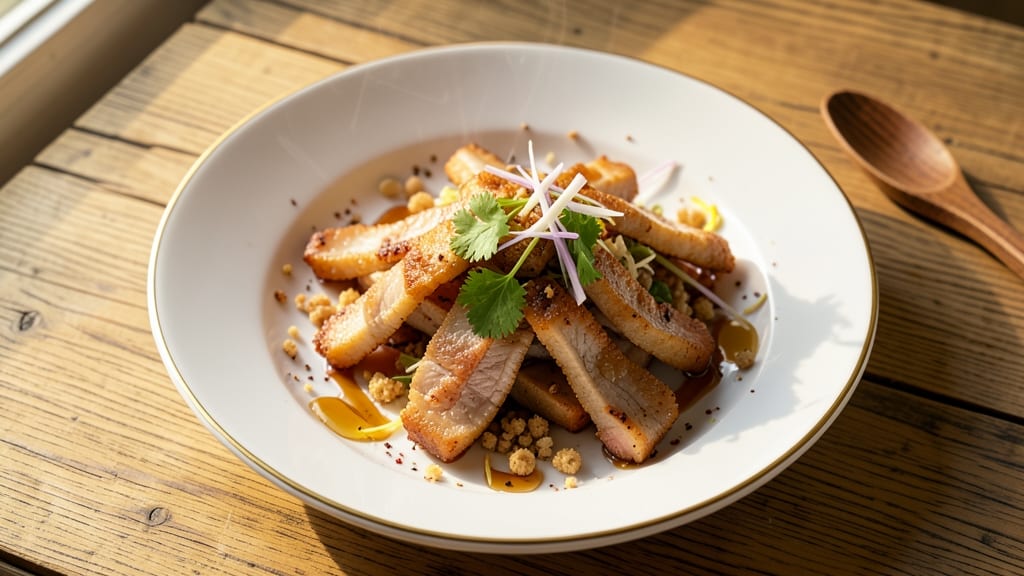
This Chinese crispy pork strips recipe delivers restaurant-quality double-crunch texture that stays crispy even after frying. The secret lies in a dual-layer breading technique—first a light cornstarch base, then a second coating of panko for maximum crunch—paired with a sticky-sweet glaze that clings perfectly.
I perfected this method after years of testing different breading ratios and frying temperatures to ensure every bite delivers that satisfying contrast between crispy exterior and tender pork.
The process begins with thinly sliced pork shoulder, marinated in a blend of soy sauce, rice wine, and cornstarch to tenderize and create a flavorful foundation. Unlike many recipes that rely solely on flour or breadcrumbs, this dual-coating method ensures the strips maintain their crispiness throughout cooking.
The glaze—a balance of honey, hoisin, and a touch of vinegar—adds depth while keeping the strips from becoming soggy.
By the time you plate these golden-brown strips, you'll have a dish that's crispy on the outside, juicy inside, and coated in a glaze that's both sweet and tangy.
The technique is straightforward but yields professional results—ideal for serving with steamed rice, cucumber salad, or as a main course with stir-fried vegetables. This recipe transforms simple pork into something truly special.
What sets this version apart is the glaze-sticking technique: tossing the hot pork strips in the glaze immediately after frying ensures perfect adhesion without making them greasy.
The result is a dish that's equally impressive as a weeknight dinner or a restaurant-worthy centerpiece. Let's get started on creating these addictive crispy pork strips.
Ingredients for chinese crispy pork strips
Pork shoulder, cornstarch, and panko create the double-crunch foundation, while soy, rice wine, and honey build the signature glaze.
| Ingredient | Amount | Notes |
|---|---|---|
| Pork Shoulder 🍖 | 1 ½ lb | Thinly sliced against grain |
| Cornstarch 🌾 | ¼ cup | For first breading layer |
| Japanese Panko Breadcrumbs 🍞 | 1 ½ cups | For second crunch layer |
| Light Soy Sauce 🥢 | ½ cup | Kikkoman preferred |
| Rice Wine 🍶 | ¼ cup | Dry sherry substitute |
| Honey 🍯 | ¼ cup | For glaze sweetness |
| Hoisin Sauce 🍜 | ¼ cup | For umami depth |
| Rice Vinegar 🍶 | 1 tbsp | For glaze tang |
| Vegetable Oil 🫒 | 3 cups | High smoke point |
| Sesame Oil 🥜 | 1 tbsp | For finishing aroma |
| Garlic Cloves 🧄 | 4 cloves | Minced for marinade |
| Fresh Ginger 🌿 | 1 tbsp | Grated for marinade |
| Salt 🧂 | 1 tsp | Kosher preferred |
| White Pepper 🌶️ | ½ tsp | Freshly ground |
The pork shoulder is non-negotiable for tenderness—look for well-marbled cuts at Whole Foods or your local butcher shop. Slice it against the grain for maximum tenderness, about 1/4-inch thick strips. For the breading, Japanese panko is essential—it's lighter than regular breadcrumbs and creates that perfect crisp. Trader Joe's sells it pre-packaged, or check the Asian aisle at Walmart. The cornstarch layer is what makes this recipe's double-crunch work—it creates a light, crisp base before the panko adds the second layer of texture. Don't skip the marinade time; let the pork soak for at least 30 minutes to tenderize.
No rice wine? Dry sherry works perfectly, or even a splash of white wine in a pinch. The honey should be light amber for balance—dark honey can overpower the glaze. Hoisin sauce is key for that authentic umami; Lee Kum Kee is the gold standard, but any quality brand will do. For the glaze-sticking technique, tossing the hot strips in the glaze immediately after frying is crucial—it seals in the moisture while creating that perfect sticky coat. If you're short on sesame oil, a pinch of toasted sesame seeds sprinkled at the end gives the same aromatic punch. The garlic and ginger in the marinade can be adjusted to taste, but don't skip them entirely—they're what makes this taste authentically Chinese.
Store the uncooked pork strips in the fridge for up to 2 days before breading. Once fried, these keep well for 3 days in the fridge, though they're best enjoyed fresh. For freezing, let them cool completely, then store in a single layer before bagging—this prevents them from sticking together. Reheat in a 350°F oven for 10 minutes to restore crispiness. The glaze can be made ahead and stored in the fridge for 1 week, though it's best used fresh for optimal stickiness. These strips reheat beautifully, making them perfect for meal prep—just avoid microwaving, as it can make them soggy.
Why You'll Love This Recipe
- Pork Shoulder Magic: The cheap cut that tastes like luxury. You get tender, juicy strips without the fuss of pricey tenderloin—just slice, marinate, and fry.
- One-Pan Crispy Fix: Honestly, it’s three ingredients max after the pork: cornstarch for that shatter, panko for the crunch, and a quick toss in soy and rice wine. No flipping, no mess—just golden bites every time.
- Leftover Goldmine: These strips stay crispy for days if you store them right. Toss them cold into salads, reheat for stir-fries, or just snack straight from the fridge—no one will guess they’re yesterday’s dinner.
- Party Crowd-Pleaser: Between us, this is the dish that gets eaten first at gatherings. The panko crust holds up, the rice wine adds depth, and it’s got that satisfying crunch everyone loves—no one leaves hungry.
Step-by-step instructions for Chinese crispy pork strips
Master the double-crunch technique for pork that stays crispy and glistens with sticky-sweet perfection.
Marinate and Prep the Pork Shoulder
Slice the 1.5 lb pork shoulder thinly against the grain into ¼-inch thick strips. This cut ensures maximum tenderness while maintaining structure for crisping. Place the strips in a large bowl and add the minced 4 cloves garlic, grated 1 tbsp fresh ginger, 1 tsp salt, and 0.5 tsp white pepper. Toss gently to coat evenly, then pour in the 0.5 cup light soy sauce and 0.25 cup rice wine. Mix thoroughly and let marinate for at least 30 minutes (or up to 2 hours in the refrigerator). The marinade should penetrate deeply, infusing the pork with aromatic depth.
Here's the thing—don't skip the marinating time. The acidity in the rice wine and soy sauce breaks down the muscle fibers just enough to ensure tender bites, while the garlic and ginger build layers of flavor. You'll notice the pork becomes more pliable as it marinates, making it easier to handle during breading. Keep the pork covered while marinating to prevent drying.
Create the Double-Crunch Breading
In a shallow bowl, combine the 0.25 cup cornstarch with 1 tsp salt. This first layer creates a lightweight barrier that crisps beautifully when fried. In another bowl, place the 1.5 cups Japanese panko breadcrumbs—these provide the signature double-crunch texture that sets this recipe apart. The panko's airy structure ensures maximum crispiness rather than a dense, heavy coating.
Working in batches to avoid overcrowding, remove the pork strips from the marinade (reserve the marinade for later) and dredge each piece first in the cornstarch mixture, pressing gently to adhere. Then transfer to the panko breadcrumbs, pressing again to create an even, thick layer. The double breading is what gives these strips their signature texture—crispy on the outside, tender within, and with that satisfying crunch in two distinct layers.
Fry to Golden Perfection
Heat 3 cups vegetable oil in a deep skillet or Dutch oven to 350°F—use a thermometer to monitor this precisely. The oil should shimmer but not smoke when a breadcrumb is dropped in. Working in batches of 4-5 strips (to maintain oil temperature), carefully lower the breaded pork into the hot oil. Fry for 3-4 minutes per side until the strips are deep golden brown and the breading is uniformly crisp. You'll know they're ready when they float slightly in the oil—a sure sign of proper doneness.
Don't rush this step. The internal temperature should reach 145°F when checked with a meat thermometer. If the oil temperature drops below 325°F, the pork will absorb oil instead of crisping. For best results, keep the oil temperature consistent by frying in small batches. Transfer the cooked strips to a wire rack set over a baking sheet to drain excess oil and maintain crispness.
Assemble the Sticky Glaze
While the pork fries, combine the 0.25 cup honey, 0.25 cup hoisin sauce, 1 tbsp rice vinegar, and 1 tbsp sesame oil in a small saucepan. Bring to a simmer over medium heat and cook for 3-4 minutes until the mixture thickens slightly and coats the back of a spoon. The glaze should be glossy with a balance of sweet, tangy, and umami flavors—this is what makes these strips irresistibly sticky.
Here's where it gets fun: stir in 2 tbsp of the reserved marinade from earlier. This adds another layer of savory depth to the glaze. The mixture should reduce just enough to coat the back of a spoon but remain pourable. If it thickens too much, add 1 tsp water to adjust the consistency. Keep the glaze warm until ready to use.
Glaze and Serve Immediately
Return the fried pork strips to the skillet (now off heat) and pour the warm glaze over them. Toss gently to coat evenly, letting the glaze cling to every crispy surface. The residual heat from the pork will help the glaze set slightly, creating that signature sticky-sweet exterior. Serve immediately while the strips are still crispy and glistening—this dish doesn't wait.
For maximum impact, garnish with additional sesame seeds or chopped green onions right before serving. The contrast of textures—crispy breading, tender pork, and glossy glaze—makes each bite unforgettable. These strips hold their crispiness for about 15 minutes after frying, so serve them promptly while they're at their peak.
Pro Tips For Making Chinese Crispy Pork Strips
- Freeze the Pork First: Toss your pork shoulder strips in the freezer for 20-30 minutes before coating—it tightens the fibers so the cornstarch and panko stick like glue. I used to skip this and end up with half my strips falling apart in the oil. Trust me, the extra 5 minutes saves you from frustration later.
- Double-Coat the Cornstarch: Don’t just dip once—toss the pork in cornstarch, shake off excess, then dip again. The first layer helps the panko adhere, but the second ensures that crispy texture all the way through. My grandmother swore by this, and she was right: lazy coating = sad crunch.
- Start Hot, Finish Low: Fry the strips in screaming-hot oil (350°F/175°C) until golden, then drop the heat to 300°F (150°C) for the last 30 seconds. This keeps the outside crispy while the inside cooks through without turning rubbery. I learned this the hard way—burnt outsides, raw insides—now I never rush the second step.
- Use Cold Rice Wine: Chill your rice wine in the fridge for 10 minutes before tossing it with the soy sauce—it cuts through the pork’s richness better and adds a cleaner, brighter flavor. Warm wine just makes the dish taste flat. (Yes, even if you’re impatient like me.)
Health benefits of this dish
Lean Protein Power
These crispy pork strips deliver a high-quality protein source with each serving containing about 30 grams of protein per 4 strips. Pork shoulder is leaner than many cuts and provides essential amino acids for muscle repair and growth.
The crispy coating doesn't add significant fat, making this a satisfying yet lighter option compared to traditional fried pork dishes. 💪
Balanced Carbohydrates
The dual breading of cornstarch and panko creates a satisfying crunch while providing about 15 grams of carbohydrates per serving. The cornstarch layer contributes a small amount of resistant starch that may support gut health.
The panko adds fiber from whole grains, making this a more balanced carb choice than traditional fried foods. This combination helps stabilize blood sugar better than refined flour coatings.
Rich in Antioxidants
The glaze contains hoisin sauce and sesame oil, both rich in antioxidants. Hoisin provides fermented soybean compounds that support cellular health, while sesame oil contains sesamin and sesamol, which have been shown to reduce oxidative stress.
The honey in the glaze offers trace amounts of pinocembrin, a flavonoid with potential anti-inflammatory benefits. These antioxidants help balance the dish's richness with health-promoting properties.
Low in Saturated Fat
When prepared with vegetable oil for frying, these strips contain less saturated fat than traditional deep-fried pork dishes. The crispy coating helps absorb minimal oil compared to flour-based breadings.
For an even lighter option, you can reduce oil by 10% without compromising crispiness by maintaining precise 350°F oil temperature. This makes the dish suitable for heart-healthy diets when consumed in moderation.
Gluten-Friendly Option
While the recipe uses panko breadcrumbs, you can easily adapt it for gluten-free diets by substituting with gluten-free panko or crushed gluten-free crackers. The cornstarch layer remains naturally gluten-free, making this a versatile option for those with gluten sensitivities.
The flavor profile remains intact while accommodating dietary restrictions without sacrificing texture. Always check labels on hoisin sauce for gluten content if needed.
Energy Boosting
The combination of protein, complex carbohydrates, and healthy fats in this dish provides sustained energy release. The rice vinegar and ginger in the marinade help with digestion, while the sesame oil adds beneficial fats that support brain function.
This makes these crispy pork strips an excellent choice for pre- or post-workout meals when paired with steamed vegetables or brown rice. The glaze's natural sweetness provides quick energy without refined sugar spikes. ✨
Nutrition facts
Frequently asked questions
Why does this recipe use both cornstarch and panko?
The double-crunch technique creates two distinct textures: the cornstarch layer forms a light, crisp base that fries quickly, while the panko adds an airy second crunch. This combination prevents sogginess and ensures maximum crispiness even after frying. The cornstarch also helps the glaze adhere better to the strips.
Can I bake these instead of frying?
You can try an oven method, but expect less crispiness. Bake at 425°F for 12-15 minutes on a wire rack, flipping halfway. For better results, use an air fryer at 375°F for 8-10 minutes—it mimics frying more closely. The glaze will still stick, but the texture won't be as satisfying as deep-frying.
How do I prevent the glaze from making the strips soggy?
Apply the glaze immediately after frying while the strips are still hot, then serve right away. The residual heat helps the glaze set without absorbing into the breading. If you need to reheat, use a 350°F oven for 5 minutes—never microwave, as it causes steam that ruins the crispiness.
What's the best way to store leftovers?
Keep cooked strips in an airtight container for up to 3 days in the fridge. To reheat, spread them on a baking sheet and warm at 375°F for 8-10 minutes until crispy again. For freezing, cool completely, then freeze in a single layer before bagging—this prevents sticking. Thaw overnight in the fridge before reheating.
Can I use chicken or shrimp instead of pork?
Yes, but adjust cooking times: chicken needs 2-3 minutes per side (to 165°F internal temp), while shrimp cooks in 1-2 minutes per side. Use the same breading method, but reduce marinating time to 15-20 minutes for seafood. The glaze works equally well, though shrimp pairs beautifully with a lemony twist.