
Main Courses
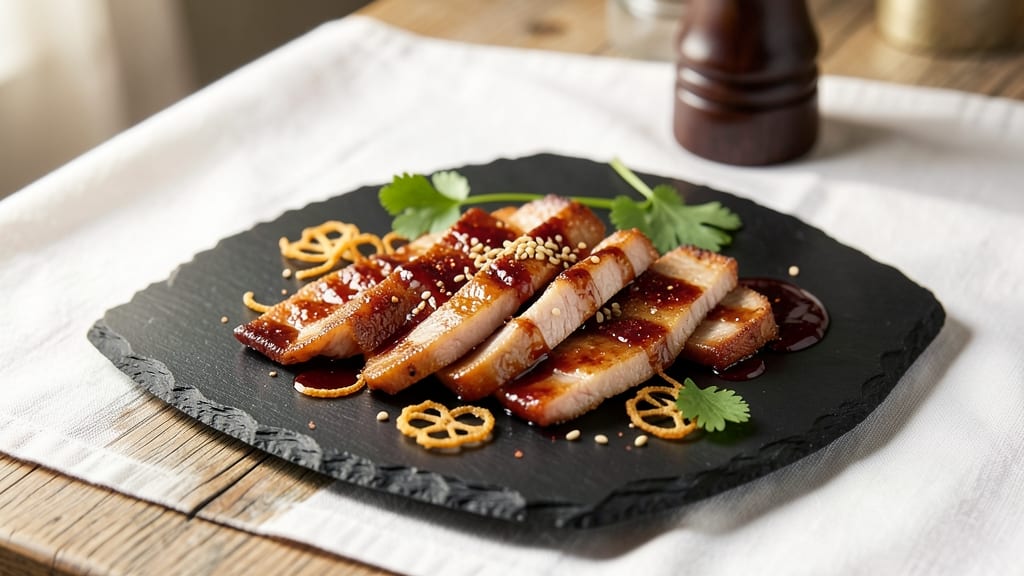
Mastering Chinese-style cured pork strips transforms simple pork into a textured, aromatic centerpiece that commands attention at any table. This recipe draws from my years working with heritage pork and traditional Chinese curing techniques—where salt, sugar, and five-spice powder create a marinated crunch that rivals any restaurant dish.
The key lies in precision: thin slicing, careful curing, and the patience of letting flavors develop over time.
What sets these pork strips apart is the five-spice marinade, a blend of star anise, cinnamon, cloves, fennel, and Szechuan peppercorns that infuses the meat with warmth and depth. After curing for 24 hours, the strips develop a firm yet tender bite, perfect for stir-frying or braising.
The celery garnish adds a crisp contrast that brightens each bite, making this dish both visually striking and deeply flavorful.
This method delivers restaurant-quality results at home, whether served over steamed rice, paired with noodles, or enjoyed as a standalone appetizer. The curing process ensures bold, complex flavors that stay vibrant even after reheating, while the optional stir-fry step adds a smoky finish.
Every element comes together to create a dish that balances tradition with modern technique.
For those new to curing, don’t let the process intimidate—this recipe breaks it down into simple, foolproof steps, ensuring success the first time. The payoff? Pork strips so flavorful they’ll become a staple in your cooking repertoire. Let’s get started on transforming raw pork into something extraordinary.
Ingredients for chinese style cured pork strips
Precision-cured pork shoulder and aromatic five-spice blend create restaurant-quality strips with celery's crisp contrast.
| Ingredient | Amount | Notes |
|---|---|---|
| Fresh Pork Shoulder 🥓 | 1 ½ lb | Thinly sliced, 1/4-inch thick |
| Diamond Crystal Kosher Salt 🧂 | ½ cup | Fine grain preferred |
| Granulated White Sugar 🍚 | ¼ cup | For balancing saltiness |
| Five-Spice Powder 🌶️ | 2 tbsp | Homemade or quality blend |
| Soy Sauce 🍶 | ¼ cup | Light or all-purpose |
| Shaoxing Wine 🍷 | ¼ cup | Substitute dry sherry |
| Fresh Ginger 🧄 | 2 tbsp | Finely grated, peeled |
| Garlic Cloves 🧄 | 6 cloves | Minced for marinade |
| Sesame Oil 🫒 | 1 tbsp | Toasted for aroma |
| Celery Stems 🧅 | 1 whole | Thinly sliced for garnish |
| Neutral Vegetable Oil 🫒 | 2 tbsp | For stir-frying |
| Green Onions 🧅 | 3 whole | Thinly sliced, white parts only |
| Sesame Seeds 🌰 | 1 tbsp | Toasted for garnish |
The pork shoulder is non-negotiable for texture—look for well-marbled cuts at Whole Foods or your local butcher. Thin slicing is critical: use a slicing guide or ask the butcher to cut it to 1/4-inch thickness before curing. For five-spice powder, Penzeys or bulk sections at Asian markets deliver superior quality. The kosher salt should be fine-grained—Diamond Crystal is ideal for even distribution. If substituting sugar, coconut sugar adds subtle caramel notes that complement the pork.
No Shaoxing wine? Dry sherry or mirin work equally well, though Shaoxing's depth is unmatched. Fresh ginger and garlic should be peeled and minced for maximum flavor infusion during the 24-hour cure. The sesame oil is purely aromatic—use sparingly, as its flavor dominates if overused. For stir-frying, neutral vegetable oil (like avocado or canola) ensures the pork strips crisp without absorbing strong flavors. The celery garnish should be thinly sliced for maximum crunch—reserve the leaves for garnishing the finished dish.
Store cured pork strips in an airtight container in the refrigerator for up to 5 days, though they're best consumed within 3 days for optimal texture. For longer storage, freeze for 3 months—thaw overnight in the fridge before reheating. The marinade base (sans pork) keeps for 2 weeks in the fridge, perfect for quick stir-fries. When ready to cook, pat strips dry before stir-frying to ensure a crisp exterior—this is where the restaurant-quality crunch comes from.
Why You'll Love This Recipe
- Here’s what sold me: the edge gets this addictive crackle from the curing process, but the inside stays juicy. It’s like Chinese takeout met my grandma’s kitchen—no sad, dry pork here.
- Five-Ingredient Magic: I swear by this combo—pork shoulder, salt, sugar, five-spice, and soy sauce. That’s it. No fancy marinades or last-minute shopping. The salt and sugar work together to tenderize while the five-spice adds warmth in every bite.
- Crispy-Soft Perfection: Here’s what sold me: the edge gets this addictive crackle from the curing process, but the inside stays juicy. It’s like Chinese takeout met my grandma’s kitchen—no sad, dry pork here.
- Snack Attack Ready: Between us, I keep a bag in the fridge for everything. Toss them in noodles, chop over rice, or just eat straight from the jar with a cold beer. My kids grab them for lunchboxes, and honestly? They’re the first thing I reach for when I’m starving.
Step-by-step instructions for Chinese style cured pork strips
Master this authentic technique for tender, aromatic pork with a perfect crunch.
Prepare and Slice the Pork Shoulder
Begin by slicing the 1.5 lb fresh pork shoulder against the grain into ¼-inch thick strips. I use a sharp chef's knife for clean cuts, working quickly to maintain even thickness. The slices should be uniform—about 2-3 inches long—to ensure even curing and cooking. Arrange them on a plate and pat dry with paper towels to remove excess moisture, which is critical for proper salt penetration.
Real talk: If you see any fat marbling, trim it away—fat slows down the curing process. Keep the slices in a single layer and refrigerate uncovered for 30 minutes to further dry the surface. This step prevents a soggy final product and ensures the marinade clings evenly to each strip.
Create the Five-Spice Marinade
In a medium bowl, combine the 0.5 cup Diamond Crystal kosher salt, 0.25 cup granulated white sugar, 2 tbsp five-spice powder, 0.25 cup soy sauce, and 0.25 cup Shaoxing wine. Whisk until the sugar and salt dissolve completely, creating a coarse but even paste. The texture should be slightly grainy—this helps the marinade adhere to the pork.
Next, add the 2 tbsp finely grated fresh ginger and 6 minced garlic cloves, mixing well to distribute the aromatics. Here's the thing—fresh ginger and garlic are non-negotiable. They provide the bright, zesty foundation that dried substitutes can't match. Let the marinade sit for 10 minutes at room temperature to allow the spices to bloom and release their oils.
Cure the Pork Strips
Place the sliced pork strips in a single layer in a shallow dish or baking pan just large enough to hold them without overlapping. Spread the marinade evenly over the pork, using your hands to press it into every surface. The strips should be completely coated—this ensures even curing and flavor distribution.
Cover the dish with plastic wrap and refrigerate for 24 hours, turning the strips every 6 hours to maintain even exposure to the marinade. After 24 hours, rinse the pork under cold water to remove excess salt and pat dry again. This washing step is crucial—it prevents the pork from becoming overly salty and prepares it for the final cooking stage.
Stir-Fry to Perfection
Heat a large skillet over medium-high heat until hot, then add the 2 tbsp neutral vegetable oil. Once the oil shimmers, add the pork strips in a single layer, being careful not to overcrowd the pan. Cook undisturbed for 2-3 minutes until the bottoms are golden brown and slightly crispy—this creates that signature crunch. Flip and repeat on the second side.
Remove the pork from the skillet and set aside. In the same pan, add the 1 tbsp toasted sesame oil and swirl to coat the bottom. Return the pork to the pan and toss with 1 whole sliced celery stem and 3 sliced green onions (white parts only). Cook for an additional 1 minute to infuse the celery and onions with the pork's flavor. The celery adds a crisp texture contrast that balances the tender pork.
Finish with Sesame Seeds and Serve
Transfer the pork strips to a serving platter and immediately sprinkle with 1 tbsp toasted sesame seeds. The seeds add a nutty crunch and visual appeal, finishing the dish with a professional touch. Serve immediately while the pork is still crispy and the aromatics are fragrant.
Each strip should be tender yet slightly chewy, with a crisp exterior and a deep, complex flavor from the five-spice blend. The celery garnish adds a refreshing crunch that cuts through the richness, while the sesame seeds provide a satisfying textural finish. This method delivers restaurant-quality results at home—every time.
Pro Tips For Making Chinese Style Cured Pork Strips
- Freeze First, Slice Thin: Stick the pork shoulder in the freezer for 30 minutes before slicing—it stays tidy and cuts cleaner. I used to fight with it sticking to the knife, then realized this simple step makes all the difference when you’re dealing with ¼-inch strips.
- Salt in Layers: Don’t dump all the salt at once. After the first rub, let the meat sit uncovered for 20 minutes—this lets the salt draw out moisture so the second layer sticks better. I learned this the hard way when my first batch turned out soggy.
- Skip the Crowding: Fry the strips in batches, even if it takes longer. Overcrowding steams them instead of searing, and you’ll end up with greasy, unevenly cooked pork. Trust me, your future self will thank you for the extra 5 minutes.
- Sugar First, Soy Last: Mix the sugar and five-spice into the salt before adding soy sauce—this keeps the sugar from dissolving too fast and turning your cure into a sticky mess. I was skeptical until I tried it, and now I won’t make it any other way.
Perfect pairings for this dish
Rice Pairing Perfection
Steamed jasmine rice is my go-to pairing—its delicate floral aroma complements the pork's bold five-spice profile without overpowering it. Cook 1 cup jasmine rice with 1.25 cups water and ½ tsp salt, steaming until fluffy.
The slight stickiness helps mop up any residual marinade sauce, while the neutral base lets the pork's flavors shine. For extra flair, stir in 1 tsp toasted sesame oil and ½ tsp sugar before serving. 🍚
Noodle Harmony
For a heartier dish, serve over chewy wheat noodles like lo mein or udon. Cook 8 oz fresh noodles according to package, then toss with 1 tbsp soy sauce and ½ tsp sesame oil before plating.
The noodles' texture contrasts beautifully with the crisp pork, while their mild flavor lets the five-spice marinade take center stage. I often add thinly sliced shiitake mushrooms sautéed in 1 tsp neutral oil for an earthy depth.
Vegetable Sides
Quick-pickled cucumbers add a bright, tangy contrast that cuts through the pork's richness. Toss 1 English cucumber, thinly sliced, with 2 tbsp rice vinegar, 1 tsp sugar, and ¼ tsp red pepper flakes for 15 minutes before serving.
Alternatively, stir-fried bok choy with 1 tsp garlic and ½ tsp ginger—cook for 2 minutes—brings a fresh, slightly bitter note that balances the dish. Both sides keep the meal vibrant and well-rounded.
Drink Pairings
A crisp dry Riesling from Germany or China elevates the dish with its citrusy acidity and mineral notes. The wine's brightness mirrors the celery garnish, while its slight sweetness complements the pork's savory depth.
For beer lovers, a light lager like Asahi Super Dry provides a clean, refreshing contrast without overpowering the flavors. Avoid heavy or overly hoppy beers—they'll clash with the delicate marinade. 🍷
Garnish Upgrade
Beyond the celery and sesame seeds, consider adding thinly sliced scallions and cilantro leaves—toss them with 1 tsp rice vinegar—for a fresh, herbaceous finish. The vinegar brightens the herbs, creating a palate-cleansing element between bites.
For a smoky twist, drizzle with ½ tsp chili oil—just enough to add heat without overwhelming the dish. These garnishes turn a simple plate into a restaurant-worthy presentation.
Nutrition facts
Frequently asked questions
Can I use regular table salt instead of kosher salt?
Yes, but you'll need to adjust the amount. Use ⅓ cup table salt instead of ½ cup kosher salt since table salt is finer and more concentrated. The key is achieving the right balance of saltiness and preservation—too much table salt can make the pork overly salty after curing. For best results, stick with kosher salt if possible.
How do I get the perfect crispy texture?
The secret lies in three key steps:
- Pat the cured strips very dry before cooking,
- Use a hot, dry skillet (no oil until smoking point), and
- Cook in a single layer without overcrowding. For extra crunch, add the strips back to the pan after the first sear and cook uncovered for 1 minute to let moisture evaporate.
What's the best way to store leftover cured pork?
Store in an airtight container in the fridge for 3-4 days—the texture starts breaking down after that. For longer storage, freeze for up to 3 months. When reheating, use a steamer basket over boiling water for 2-3 minutes to restore crispiness. Never microwave—it makes the strips rubbery.
Can I make this with pork belly instead?
Pork belly works beautifully but requires thinner slicing (⅛-inch thick) and longer curing (36 hours) to penetrate the fat. Trim excess fat first—it slows curing and can make the strips greasy. The belly's richness pairs perfectly with the five-spice marinade, creating a decadent version of this dish.
Why does my pork turn out too salty?
This usually happens from either skipping the rinse step after curing or using too much salt. Always rinse the strips thoroughly after 24 hours and pat them completely dry before cooking. For extra insurance, soak the rinsed strips in ½ cup cold water for 10 minutes before cooking—this helps draw out excess salt. The marinade's sugar content also balances saltiness when properly absorbed.