
Main Courses
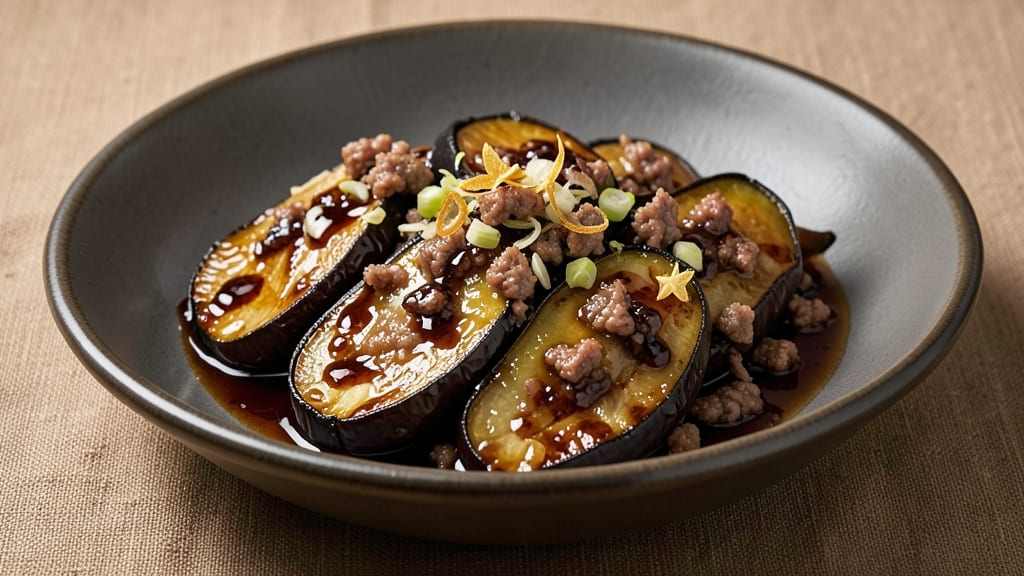
This Chinese braised eggplant with minced pork delivers restaurant-quality depth in a single pot, where tender eggplant absorbs a rich, savory-sweet sauce infused with garlic and ginger. The technique I've perfected balances traditional wok hei with modern convenience, creating that signature silky texture that makes every bite irresistible. What sets this dish apart is the pork's transformation—minced and seared to render its fat into the sauce, creating layers of umami that penetrate the eggplant's flesh.
The magic happens in the braising process, where low heat and long simmering develop complex flavors without overcooking. I've streamlined the method for home kitchens while preserving the dish's authenticity—no special equipment needed, just patience and attention to balance.
The eggplant's natural bitterness mellows as it absorbs the sauce, while the pork adds meaty richness that makes this a satisfying main course.
What you'll end up with is a dish that's equally comfortable on weeknight tables or special occasions—silky eggplant cubes bathed in a glossy sauce that clings to every bite.
The aroma alone will have everyone gathering around the table, and the texture contrast between tender eggplant and slightly crispy pork bits creates a harmony that's pure comfort food at its finest.
Serve with steamed jasmine rice to soak up every last drop of that flavorful sauce, or pair with crusty bread for a more rustic presentation. The dish keeps beautifully in the fridge for up to three days, making it perfect for meal prep.
Here's how to achieve this restaurant-quality result at home.
Ingredients for chinese braised eggplant with minced pork
Pantry staples plus a few Asian market finds for restaurant-style braised eggplant.
| Ingredient | Amount | Notes |
|---|---|---|
| Chinese Eggplant 🍆 | 2 lb | Japanese or globe eggplant preferred |
| Ground Pork 🐖 | 1 lb | 80/20 fat ratio recommended |
| Garlic Cloves 🧄 | 6 cloves | Minced, aromatic variety |
| Fresh Ginger 🌿 | 2 tbsp | Grated, peeled, fresh preferred |
| Soy Sauce 🍶 | ½ cup | Light or all-purpose variety |
| Shaoxing Wine 🍷 | ¼ cup | Substitute dry sherry if unavailable |
| Brown Sugar 🍯 | 2 tbsp | Light or dark variety |
| Sesame Oil 🫒 | 2 tsp | Toasted sesame oil for aroma |
| Green Onions 🧅 | 4 whole | White and green parts separated |
| Vegetable Oil 🫒 | ½ cup | High smoke point preferred |
| Dried Red Chili Peppers 🌶️ | 1 piece | Optional for heat, remove seeds |
| Cornstarch 🌾 | 1 tbsp | For thickening sauce |
| Salt 🧂 | 1 tsp | Kosher or sea salt |
| Black Pepper 🌶️ | ½ tsp | Freshly ground preferred |
The eggplant is non-negotiable—Japanese or globe varieties hold up best to braising. Trader Joe's or Asian grocery stores usually carry them, but any firm, glossy eggplant works in a pinch. The pork fat ratio matters too—80/20 renders beautifully for that rich sauce. If you can't find Shaoxing wine, dry sherry or mirin both work, though the flavor won't be identical. Look for toasted sesame oil at the Asian market—it's worth the extra for that nutty aroma.
No Shaoxing wine? Dry sherry or even a splash of rice vinegar gets you close. The ginger should be fresh—dried just won't cut it here. For the chili, red pepper flakes work at half the amount, but the whole dried pepper adds great texture. The cornstarch is key for thickening—arrowroot works too—but don't skip it or the sauce will be too thin. If you're feeling adventurous, add a splash of fish sauce for extra umami depth, but it's not traditional.
This dish tastes even better the next day as flavors meld. Store leftovers in the fridge for up to 3 days—the sauce gets richer over time. For meal prep, portion into containers with a side of rice. The eggplant absorbs the sauce beautifully, so it reheats perfectly. If making ahead, braise just until eggplant is tender and finish cooking when serving to keep textures perfect.
Why You'll Love This Recipe
- One-Pan Magic: I swear by this dish after my third attempt—no chopping boards, no extra pots. Just slice the eggplant, brown the pork with garlic and ginger, then let it all simmer in a single pan while you stir-fry something else. The soy sauce does the heavy lifting, so you’re basically hands-off after the first five minutes.
- Umami Bomb: That crispy edge on the eggplant with the tender, saucy pork? It’s the kind of flavor that makes you pause mid-bite. The ginger and garlic caramelize into something deeper than just "good"—it’s the kind of taste that lingers and makes you want to eat it straight from the wok, no sides needed.
- Lunchbox Hero: Between us, this is my go-to for work lunches. The eggplant holds up perfectly in containers, and the pork stays juicy even after reheating. Pack it with steamed rice, and you’ve got a meal that’s just as impressive cold as it is hot—no sad, soggy leftovers here.
- Budget Night Win: Ground pork is cheap, eggplant is cheap, and you’re using whole spices—not fancy blends. I’ve made this for $3 a serving, and it still tastes like I spent an hour in the kitchen. Honestly, it’s the kind of dish that makes you question why you ever order takeout for weeknights.
Step-by-step instructions for Chinese braised eggplant with minced pork
This one-pot wonder delivers restaurant-quality umami depth with minimal effort.
Prep and Sear the Eggplant
Cut the 2 lb Chinese eggplant into 1-inch thick rounds. Salt them generously with the 1 tsp salt and let sit for 10 minutes - this draws out bitterness. Pat dry completely with paper towels before using. Heat 2 tablespoons of the 0.5 cup vegetable oil in a wok or deep skillet over medium-high heat until shimmering.
Add the eggplant rounds in a single layer and sear for 3-4 minutes per side until golden brown spots appear. Don't crowd the pan - work in batches if needed. The eggplant should develop crispy edges while remaining tender inside. Remove and set aside on a plate.
Cook the Pork and Aromatics
In the same wok, add the remaining 3 tablespoons vegetable oil and increase heat to high. Add the 1 lb ground pork and cook, stirring constantly, until no longer pink - about 4-5 minutes. The pork should be fully broken down and slightly crispy around the edges.
Push pork to one side and add 2 tablespoons of the 0.5 cup vegetable oil to the empty space. Add the 6 cloves minced garlic and 2 tbsp grated fresh ginger, cooking for 30 seconds until fragrant. If using, add the 1 piece dried red chili peppers (seeds removed) and cook for another 30 seconds until aromatic.
Build the Braising Sauce
Pour in the 0.25 cup Shaoxing wine and let it simmer for 2 minutes until most of the alcohol evaporates. Add the 0.5 cup soy sauce, 2 tbsp brown sugar, and 0.5 tsp black pepper, stirring well to combine. The sauce should be glossy and slightly thickened.
Return the seared eggplant to the wok, arranging it over the pork mixture. Pour in just enough water to come about halfway up the eggplant - roughly 1 cup. Bring to a gentle simmer, then reduce heat to low. Cover and let cook for 20 minutes, allowing the eggplant to absorb all those rich flavors.
Thicken and Finish
After 20 minutes, uncover the wok and increase heat to medium. In a small bowl, whisk together the 1 tbsp cornstarch with 2 tablespoons water until smooth. Slowly pour this slurry into the wok while stirring constantly. The sauce should begin to thicken immediately into a glossy, silky consistency.
Add the 2 tsp sesame oil and stir gently to combine. Taste and adjust seasoning if needed - you might want to add a splash more soy sauce or a pinch of sugar. The dish should be perfectly balanced between salty, sweet, and umami flavors.
Garnish and Serve
Turn off the heat and let the dish rest for 5 minutes. Separate the 4 whole green onions into white and green parts. Scatter the white parts over the top for garnish, then arrange the green parts around the plate. The aroma will be incredible - that perfect combination of toasted sesame, caramelized pork, and tender eggplant.
Serve immediately with steamed jasmine rice. Each bite should deliver tender eggplant with crisp edges, perfectly seasoned pork, and that velvety braising sauce clinging to every piece. The dish tastes even better the next day as flavors meld further!
Pro Tips For Making Chinese Braised Eggplant With Minced Pork
- Parboil Eggplant First: Drop the whole eggplant into boiling water for 2 minutes—no chopping yet. This softens it just enough to slice evenly later and keeps it from turning to mush when braising. I used to skip this and ended up with a soggy pile; trust me, the texture changes everything.
- Fry Pork Until Dry: Cook the minced pork until it’s no longer pink and the fat renders out completely—about 5-6 minutes on medium-high. Wet pork steams instead of browns, and you’ll end up with a bland, greasy mess. High heat at the start is non-negotiable here.
- Salt Eggplant Before Braising: Sprinkle sliced eggplant with 1 teaspoon of salt and let it sit for 10 minutes before cooking. This draws out bitterness and excess moisture, so it absorbs the pork’s flavor instead of turning watery. I was skeptical until I tried it—now I never skip it.
- Deglaze with Soy Sauce Early: Add half the soy sauce right after removing the pork to scrape up the browned bits—this builds flavor faster than waiting. The rest goes in later to balance saltiness. Sounds weird, but it works: the sauce becomes richer without tasting overpowering.
Serving suggestions for leftovers
Rice Pairings
Steamed jasmine rice is the classic partner for this dish—its delicate floral notes complement the rich umami sauce without overpowering. I always cook 2 cups jasmine rice for 4 servings and let it sit covered for 10 minutes after cooking to develop a fluffy texture.
The rice soaks up the sauce beautifully, making every bite even more satisfying. 🍚
Bread Options
For a more rustic presentation, serve with crusty baguettes or mantou (Chinese steamed buns). The bread absorbs the excess sauce while adding a satisfying contrast in texture. I like to toast the baguette slices lightly and rub them with 1 tsp garlic butter before serving.
If you're feeling adventurous, try scallion pancakes—their crispy texture pairs wonderfully with the soft eggplant and pork.
Vegetable Sides
A simple stir-fried bok choy with garlic and soy sauce adds freshness to balance the richness. I use 2 heads bok choy, cut into 2-inch pieces, stir-fried for just 3 minutes in 1 tbsp sesame oil until tender-crisp.
Another great option is cucumber salad with rice vinegar and chili oil—its cool crunch cuts through the hearty flavors of the braised eggplant.
Protein Additions
If you want to make this a heartier meal, add shrimp or chicken thighs to the braising liquid during the last 10 minutes of cooking. The shrimp will cook quickly, absorbing the sauce's flavors, while chicken thighs add a meatier component.
For extra richness, top with crispy fried shallots or toasted sesame seeds right before serving.
Dipping Sauces
Prepare a quick chili oil sauce by mixing 2 tbsp chili oil with 1 tbsp soy sauce and 1 tsp rice vinegar. This adds a spicy kick for those who love heat.
For a milder option, blend 2 tbsp hoisin sauce with 1 tsp grated ginger and a drizzle of honey. Both sauces elevate the dish without overwhelming its natural flavors.
Presentation Tips
For an elegant touch, serve the braised eggplant and pork in a deep ceramic dish with the rice in a separate bowl. Garnish with thinly sliced green onions and a sprinkle of toasted sesame seeds for color and aroma.
If you're serving family-style, arrange the dish in the center of the table and let everyone scoop their portions onto their plates. The aroma alone will draw everyone to the table! 🍽️
Nutrition facts
Frequently asked questions
Can I substitute regular eggplant for Chinese eggplant?
You can use regular eggplant, but the texture will be different. Chinese eggplant has thinner skin and fewer seeds, making it more tender and less bitter. If using regular eggplant, cut it into 1-inch cubes instead of rounds and reduce the braising time by 5 minutes to prevent mushiness. The skin won't crisp as nicely, but it will still work in a pinch!
What if I don't have Shaoxing wine? What's the best substitute?
Use dry sherry as the closest substitute—it provides similar depth of flavor. If unavailable, try 1 tbsp rice vinegar + 1 tbsp mirin for a balance of acidity and sweetness. Avoid sweet wines like port—they'll make the dish too cloying. The key is maintaining that savory-sweet balance in the sauce.
Why does my eggplant turn mushy instead of silky?
Overcooking or too much liquid are the usual culprits. The eggplant should simmer gently in just enough water to come halfway up the pieces—about 1 cup. If it's mushy, you likely added too much water or didn't sear the eggplant properly first. For next time, sear the eggplant 4-5 minutes per side until golden, then reduce the braising liquid to 3/4 cup.
Can I make this dish ahead of time?
This dish actually tastes better the next day as flavors meld. Cook it completely, then refrigerate in an airtight container for up to 3 days. Reheat gently on the stove with a splash of water to restore the sauce's silkiness. For best results, finish cooking the eggplant just until tender (15 minutes) and complete the braise when serving.
How do I adjust the spice level?
For more heat, add 1 extra dried chili pepper (seeds in) during the aromatics step. For milder flavor, remove the chili entirely and add 1/4 tsp extra sugar to balance. If you love spice, finish with a drizzle of chili oil before serving. The dish's natural umami richness means you don't need much heat to make it exciting!