
Main Courses
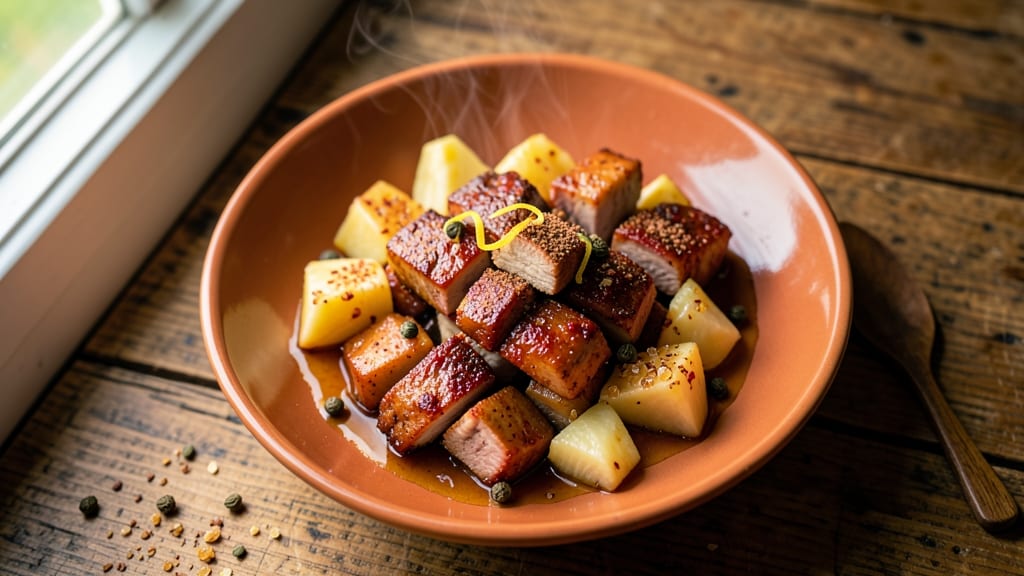
This Trinidad-inspired char siu pork transforms traditional Cantonese flavors with bold Caribbean spices and a tangy pineapple glaze. The secret lies in blending allspice, thyme, and annatto for that signature jerk-kissed aroma while keeping the classic roasted technique.
I developed this recipe after craving something that combined my love for both Chinese and Caribbean cuisines—it's become a Sunday dinner staple that disappears faster than the last piece of my famous apple butter.
The marinade is where the magic happens, with a deep red hue from annatto seed and a warm, earthy depth from allspice and cinnamon.
Unlike traditional char siu, we add Scotch bonnet peppers for heat and fresh pineapple juice to the glaze, creating a sweet-spicy contrast that balances the richness of the pork. The result? Tender, caramelized pork with crisp edges that holds up perfectly whether you grill or roast it.
What makes this dish truly special is how it bridges two culinary worlds—the sticky-sweet glaze you'd expect from char siu meets the fiery, aromatic profile of Trinidadian jerk. The pork stays juicy thanks to a long marinating time, while the glaze caramelizes beautifully under the broiler or on the grill.
Serve it with roasted plantains and a cooling mango-lime salsa to let all the flavors shine.
This recipe delivers restaurant-quality results with minimal effort—just 4 hours of marinating and 45 minutes of cooking. The combination of spices and techniques creates a dish that's both familiar and excitingly new. Trust me when I say your taste buds will thank you for this Caribbean twist on a classic.
Ingredients for char siu pork recipe trinidad
Six pounds of pork meets bold Caribbean spices and a sticky-sweet pineapple glaze for a fusion dish that's anything but basic.
| Ingredient | Amount | Notes |
|---|---|---|
| Pork Shoulder (Boston Butt) 🥩 | 3 lb | Bone-in, cut into 1.5-inch chunks |
| Scotch Bonnet Peppers 🌶️ | 2 whole | Seeds removed for medium heat |
| Fresh Pineapple Juice 🍍 | 1 cup | From 1 medium pineapple, strained |
| Fresh Pineapple Chunks 🍍 | 1 cup | For glaze thickness |
| Light Brown Sugar 🍚 | ½ cup | Packed, for caramelization |
| Soy Sauce 🍶 | ½ cup | Kikkoman preferred |
| Hoisin Sauce 🍶 | ¼ cup | For depth of flavor |
| Sesame Oil 🫒 | 1 tbsp | Toasted, for aroma |
| Allspice Berries 🌿 | 1 tbsp | Ground fresh for intensity |
| Ground Cinnamon 🌿 | 1 tbsp | Ceylon preferred |
| Ground Nutmeg 🌿 | ½ tsp | Freshly grated preferred |
| Dried Thyme 🌿 | 1 tbsp | Or 1 tbsp fresh thyme leaves |
| Ground Ginger 🌿 | ½ tsp | Freshly grated if possible |
| Annatto Seeds 🌶️ | 1 tsp | For vibrant red color |
| Garlic Cloves 🧄 | 6 cloves | Peeled and smashed |
| Fresh Ginger 🌿 | 2 tbsp | Grated, for freshness |
| Lime Juice 🍋 | ¼ cup | Freshly squeezed |
| Vegetable Oil 🫒 | 2 tbsp | For searing pork |
| Salt 🧂 | 1 ½ tsp | Diamond Crystal kosher salt |
| Black Peppercorns 🌶️ | ½ tsp | Freshly cracked |
The pork shoulder is non-negotiable here—bone-in gives better flavor and texture. Look for well-marbled cuts at your butcher or Costco if you're doing a big batch. For the Scotch bonnet peppers, Trader Joe's or Caribbean markets have the freshest ones, but if you can't find them, habanero at half the amount works in a pinch. The pineapple is key—use ripe but firm fruit (the juice should be sweet, not fermented). I always grab golden pineapples at Whole Foods for their balance of sweetness and acidity. Freshly ground spices make all the difference, so toast your allspice and cinnamon in a dry pan for 30 seconds before grinding—it deepens the flavor instantly.
No Scotch bonnet? Jamaican hot peppers or extra cayenne (start with 1 tsp) will give you that fiery kick. Running short on pineapple? Mango puree or guava nectar adds tropical sweetness without altering the texture. For the hoisin sauce, Lee Kum Kee is my go-to, but any brand works if it's thick and slightly sweet. The annatto seeds can be tricky to find—Penzeys sells them online, or use 1 tbsp paprika if you're in a hurry (though it won't be as vibrant). Fresh ginger is ideal, but powdered works at half the amount if you're pressed for time. The lime juice should be freshly squeezed—bottled just won't cut it here.
Marinate the pork for at least 4 hours, but overnight is best—this is where the flavors really meld. Store the marinade in a glass container in the fridge, and reserve 1/4 cup to brush on during cooking. The cooked pork reheats beautifully—wrap tightly in foil and reheat in a 350°F oven for 20 minutes to keep it moist. Leftovers keep for 4 days in the fridge or 3 months frozen. For a crowd, double the recipe—just make sure your grill or roasting pan is big enough to handle the extra volume.
Why You'll Love This Recipe
- One-Pan Magic: That pork shoulder? Just rub, roast, and forget. The Scotch bonnet’s heat and pineapple’s tang caramelize right on the sheet pan—no flipping, no fuss. (Yes, even on a Tuesday night.)
- Sweet Heat Bomb: Between us, the brown sugar and Scotch bonnet create this addictive glaze—sticky, smoky, with a kick that lingers. The pineapple juice keeps it juicy, not dry. (My daughter picks out the peppers but still asks for seconds.)
- Weeknight to Party: Same recipe, different vibes. Slap it on buns for tacos, cube it for fried rice, or serve it whole for guests. The leftovers? Even better cold in sandwiches. (Honestly, I’ve fed crowds with this.)
- Budget Stretch: Pork shoulder’s cheap, but it tastes like a splurge. A single roast feeds my family for days—charred edges, tender meat, all for pennies. Plus, pineapple’s in season? Even cheaper. (My secret weapon.)
Step-by-step instructions for Caribbean-spiced char siu roast
This fusion technique transforms traditional char siu into a bold Trinidadian masterpiece with smoky, sweet, and tangy depth.
Prepare the Pork and Spice Rub
Pat the 3 lb pork shoulder dry with paper towels—this is crucial for crispy edges later. Cut it into 1.5-inch chunks and place them in a large mixing bowl. In a separate bowl, combine the 1 tbsp allspice berries, 1 tbsp ground cinnamon, 0.5 tsp ground nutmeg, 1 tbsp dried thyme, 0.5 tsp ground ginger, 1.5 tsp salt, and 0.5 tsp cracked black peppercorns. Toast the spices in a dry skillet over medium heat for 1 minute to awaken their aromas, then let cool completely.
Add the toasted spice blend to the pork along with the 6 smashed garlic cloves and 2 tbsp grated fresh ginger. Toss everything by hand until the pork is evenly coated. Here's the thing—don't rush this step. The spices need time to penetrate the meat, so let the mixture marinate uncovered in the refrigerator for at least 2 hours, or overnight for maximum flavor development.
Sear the Pork for Depth of Flavor
Preheat your oven to 325°F. Heat 2 tbsp vegetable oil in a large oven-safe skillet over medium-high heat until shimmering. Working in batches, add the marinated pork and sear for 3-4 minutes per side until deeply browned. You're building flavor here—the caramelized crust will become the foundation of your glaze. Transfer the seared pork to a plate and tent loosely with foil.
While the pork sears, prepare the Scotch bonnet peppers by removing the seeds and membranes for medium heat. Pulse them in a food processor until finely chopped. In the same skillet, add the chopped peppers and cook for 1 minute until fragrant. This step infuses the oil with their fiery character, which will carry through to the final dish.
Create the Pineapple Glaze
In a medium saucepan, combine the 1 cup fresh pineapple juice, 0.5 cup light brown sugar, 0.5 cup soy sauce, 0.25 cup hoisin sauce, 0.25 cup lime juice, 1 tbsp toasted sesame oil, and 1 tsp annatto seeds. Bring to a simmer over medium heat, stirring occasionally, until the mixture reduces by half—about 10-12 minutes. You'll know it's ready when it coats the back of a spoon and the pineapple chunks can be stirred in without breaking down.
Add the 1 cup pineapple chunks and simmer for another 3-4 minutes until they soften slightly but retain their shape. The glaze should be thick enough to coat the back of a spoon but still pourable. Here's where the magic happens—the annatto seeds will give your dish that signature vibrant red hue while the pineapple adds a bright, tropical contrast to the rich pork.
Roast to Tender Perfection
Return the seared pork to the skillet and pour the pineapple glaze over the top, ensuring each piece is well-coated. Transfer the skillet to the preheated oven and roast for 2 to 2.5 hours, or until the pork reaches an internal temperature of 195°F and is fork-tender. The glaze will bubble and caramelize, creating a sticky, glossy finish that's irresistible.
During the last 15 minutes of cooking, increase the oven temperature to 400°F to help the glaze thicken and develop a beautiful caramelized crust. This final step is what transforms good pork into showstopping centerpiece-worthy roast. Let the pork rest for 10 minutes before serving to allow the juices to redistribute throughout the meat.
Serve with Confidence
Use two forks to shred the pork directly in the skillet, allowing the glaze to cling to every bite. Arrange the shredded pork on a platter and drizzle any remaining glaze from the skillet over the top. The contrast of tender, spiced pork with the sweet-tangy pineapple glaze creates a flavor profile that's uniquely Trinidadian yet universally appealing.
Serve immediately with steamed jasmine rice to soak up the delicious glaze, and a simple side salad to balance the richness. The combination of smoky spices, sweet pineapple, and savory pork makes this dish perfect for gatherings or special occasions where you want to impress with bold flavors.
Pro Tips For Making Char Siu Pork Recipe Trinidad
- Trim the Fat First: Pork shoulder’s fat cap can turn your char siu into greasy chaos. Score the fat in a crosshatch pattern before marinating—it renders faster and lets the marinade penetrate deeper. I learned this the hard way after wrestling with a gloppy, uneven crust on my first attempt.
- Blend Scotch Bonnet Carefully: Fresh Scotch bonnet peppers pack serious heat—use one pepper max for the marinade, and blend it with the pineapple juice first. Strain out the seeds and fibrous bits afterward, or you’ll end up with a sauce that’s more sizzle than flavor. (Yes, even if you love spice, balance matters.)
- Don’t Rush the Marinade: Let the pork soak for at least 12 hours—overnight is ideal. The brown sugar and pineapple juice need time to break down the meat’s toughness, and skipping this step means tough, dry slices. I was skeptical until I tried it; the texture changed completely.
- Char Over Two Zones: Start with direct heat for a deep sear, then move the pork to indirect heat for slow cooking. This locks in moisture while building that caramelized crust. Crowding the grill? Your pork will steam instead of caramelize—give it space, even if it means two batches. (Your future self will thank you.)
Make-ahead tips for this dish
Marinade Prep Ahead
I always make the marinade first—it’s the flavor foundation. Combine all dry spices (allspice, cinnamon, nutmeg, thyme, ginger) in a bowl and toast them in a dry skillet for 1 minute to wake up their aromas. Let cool completely before mixing with the pork.
This step can be done 2 days ahead—just store the spice blend in an airtight container. When ready, mix with the pork, garlic, and ginger, then refrigerate uncovered for 4 hours minimum. The uncovered marinating helps develop more flavor through evaporation. 🌶️
Glaze Prep Timeline
The pineapple glaze is best made fresh, but you can prep components ahead. Strain and store the 1 cup pineapple juice in the fridge for up to 3 days. Keep the brown sugar, soy sauce, and hoisin in separate containers too.
When ready to cook, combine everything and reduce on the stovetop—this takes just 10 minutes. For the annatto seeds, toast them lightly in a dry pan first to deepen their color. I always add the pineapple chunks last to keep them vibrant. ⏰
Pork Prep Shortcut
If you’re short on time, sear the pork and store it in the marinade in an airtight container for up to 24 hours. The next day, just roast it as directed—no need to sear again.
For extra convenience, use a slow cooker: after searing, transfer everything to a slow cooker, cover, and cook on low for 6-8 hours. The glaze can be made ahead too—just reheat it gently before adding to the pork. This method works perfectly for meal prep Sundays. 💡
Freezer-Friendly Method
For long-term storage, freeze the marinated pork chunks (uncooked) in a single layer on a tray first to prevent clumping. Once frozen solid, transfer to a freezer bag for up to 3 months. When ready to cook, thaw overnight in the fridge, then proceed with searing and roasting.
The glaze can be frozen separately for up to 2 months—just thaw and reheat before using. Pro tip: Label everything with dates to avoid freezer burn surprises. ❄️
Reheating Leftovers
Leftover char siu pork reheats beautifully—wrap it tightly in foil and bake at 350°F for 20 minutes to keep it moist. For extra crispiness, broil for the last 2 minutes. The glaze will thicken slightly, so add a splash of water if needed.
I love reheating this for quick lunches or adding to fried rice. Store leftovers in airtight containers for up to 4 days in the fridge. 🔥
Make-Ahead Serving Suggestions
Plan ahead by prepping sides too. Roast plantains or make a mango-lime salsa the day before—they’ll keep in the fridge for 3 days. For a full meal-prep day, cook the pork, assemble sides, and store everything separately.
When ready to serve, reheat components individually and arrange on a platter. This Caribbean-inspired dish tastes even better the next day as flavors meld. Trust me, your taste buds will thank you! 🌟
Nutrition facts
Frequently asked questions
Can I substitute Scotch bonnet peppers with something milder?
For a milder kick, use 1 habanero pepper or 2 teaspoons cayenne pepper instead. If you prefer no heat at all, simply omit the peppers—they add depth rather than essential heat. The dish will still have fantastic Caribbean warmth from the allspice and thyme.
How do I get that perfect caramelized glaze without burning it?
The key is patience! Reduce the glaze on medium-low heat until it coats the back of a spoon, then finish under the broiler for just 2-3 minutes at the end. Watch closely—the glaze should bubble but not smoke. If it darkens too quickly, pull it out and let it cool slightly before finishing. The final 400°F oven boost helps thicken it beautifully.
What's the best way to serve this Trinidad-style char siu?
This dish shines with complementary sides that balance its richness. Try roasted plantains for natural sweetness, coconut rice to soak up the glaze, or a cool mango-lime salsa to cut through the heat. For a full spread, add grilled pineapple slices and pickled red onions—the acidity makes every bite pop!
Can I make this in an electric pressure cooker?
Yes! After searing, transfer the pork to your pressure cooker with the glaze. Cook on high pressure for 20 minutes, then quick-release. The pork will be incredibly tender, and the glaze will thicken beautifully. For extra caramelization, finish under the broiler for 2 minutes after releasing pressure. This method cuts cooking time to about 40 minutes total!
Why does my char siu turn out dry?
Overcooking is the most common culprit. Remove the pork when it reaches 195°F internal temperature—it will continue cooking while resting. Also, don't skip the 10-minute rest before serving, as this lets juices redistribute. For extra moisture, add 2 tablespoons chicken broth to the glaze before roasting. The pineapple juice in the glaze also helps keep the meat tender!