
Main Courses
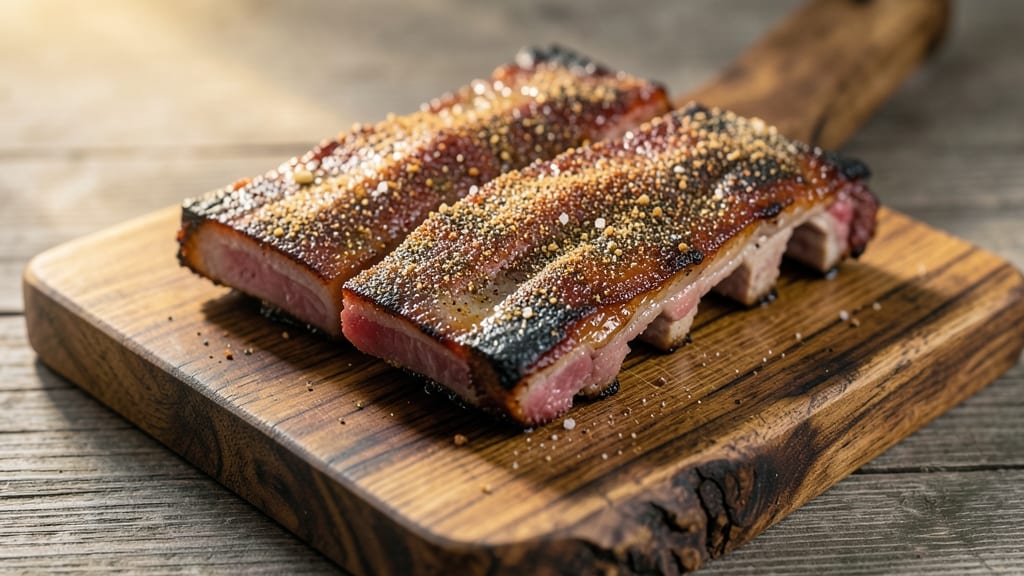
This carnivore diet pork ribs recipe delivers crispy bark and zero-carb tenderness—the perfect balance of smoky flavor and meaty satisfaction. 🔥 After years of perfecting pork for the carnivore diet, I’ve developed a method that skips the sugar-laden sauces and focuses on pure, unadulterated meat.
The secret lies in a simple dry rub that enhances the natural sweetness of the pork without any fillers or additives.
What makes this recipe stand out is the precision in cooking technique. We’re talking low-and-slow smoking or reverse-searing to ensure the ribs stay tender while developing that coveted crispy crust.
No grains, no veggies—just pure, fatty, delicious pork that aligns perfectly with the carnivore lifestyle. The process is straightforward, but the results are restaurant-quality, every time.
By the time you’re done, you’ll have ribs that are fall-apart tender on the inside and crispy, caramelized perfection on the outside. The flavor is rich, smoky, and deeply satisfying—no need for sides to distract from the star of the show.
This is the kind of meal that keeps you full, energized, and craving more.
Pair with a simple side of roasted mushrooms (if you’re including any non-carnivore elements) or enjoy them straight from the bone. Here’s how to make them—no shortcuts, just pure, unmatched pork.
Ingredients for carnivore diet pork ribs
Four pounds of meaty pork ribs plus a handful of spices—this is carnivore cooking at its finest.
| Ingredient | Amount | Notes |
|---|---|---|
| Pork Ribs (Back Ribs) 🍖 | 4 lb | Bone-in, meaty cuts preferred |
| Coarse Kosher Salt 🧂 | ½ cup | Diamond Crystal preferred |
| Smoked Paprika 🌶️ | 2 tbsp | High-quality for smoky depth |
| Ground Black Pepper 🌶️ | 1 ½ tbsp | Freshly cracked preferred |
| Garlic Powder 🧄 | 1 tbsp | No garlic salt |
| Onion Powder 🧅 | 1 tbsp | For subtle sweetness |
| Mustard Powder 🌶️ | 1 tsp | Adds depth without heat |
| Wood Chips (Hickory or Oak) 🌳 | 1 cup | Unsoaked, high-quality |
| Avocado Oil 🫒 | 2 tbsp | High smoke point for searing |
| Yellow Mustard (Optional) 🍯 | 2 tbsp | For finishing glaze |
The ribs are everything here. Back ribs are ideal—they're meatier than spare ribs and deliver that perfect balance of fat and protein. Grab the bone-in cuts for maximum flavor, and look for good marbling. If you're shopping at Costco or Whole Foods, ask for the freshest cut they have—this isn't the time for freezer-burned meat. The spices are simple but critical: smoked paprika gives that deep, smoky backbone, while the mustard powder adds complexity without overpowering. I always double-check my spice blends to ensure no hidden anti-caking agents or fillers—Penzeys or Simply Organic are my go-tos for clean ingredients.
No smoked paprika? Regular paprika plus a pinch of liquid smoke works in a pinch (use sparingly—it's potent). Running low on mustard powder? Dijon mustard at half the amount gives similar tang. The wood chips are non-negotiable for that authentic smoky flavor—hickory is classic, but oak adds a slightly sweeter note. If you're short on time, pre-soaked wood pellets from Traeger or Weber work fine. The avocado oil is key for that high-heat sear—Mazola or Chosen Foods are my preferred brands. And that optional mustard? It's not for the carnivore purists, but if you're adding anything, make it yellow mustard—it's the only one without hidden sugars or additives.
Ribs are best used fresh, but if you're prepping ahead, pat them dry and store them uncovered in the fridge for up to 2 days. The dry rub can be mixed ahead and stored in an airtight container for up to 3 months—just give it a shake before using. Once cooked, ribs reheat beautifully in a 400°F oven for 10-15 minutes, wrapped in foil. For leftovers (if there are any), portion into meal-prep containers—they're perfect for high-protein lunches. The wood chips? Store them in a dry, airtight container and they'll last for years, ready for your next smoke session.
Why You'll Love This Recipe
- Five-Ingredient Magic: I swear by this—just ribs, salt, smoked paprika, pepper, and garlic powder. No fancy prep, no hidden ingredients, and it still tastes like a restaurant pulled it from the smoker.
- Salt-Crusted Crunch: That coarse kosher salt isn’t just seasoning—it creates this insane crispy bark while keeping the meat juicy inside. Honestly, I’ve tried other methods, but this is the only way I’ll do it now.
- Weeknight or Weekend: Slap these on the grill in 20 minutes or slow-cook them for hours—either way, they’re ready when you are. My lazy Sundays? Covered. Random Tuesday cravings? Also covered.
- Leftovers That Don’t Suck: Cold ribs the next day? Still tender, still packed with flavor. I portion them out for lunches all week, and no one complains—because they’re that good. Budget-friendly too, since a whole rack feeds my family for days.
Step-by-step instructions for crispy carnivore pork ribs
Here's how to transform tough ribs into fall-off-the-bone tender meat with a perfect smoky crust—no carbs, no shortcuts.
🔥 Step 1: Prepare the Ribs for Maximum Flavor and Crisp
Pat the 4 lb pork ribs (back ribs) completely dry with paper towels—this is non-negotiable for crispy bark. I mean every crevice, especially between the bones where moisture hides. The drier the surface, the better the crust forms.
In a small bowl, mix together the 0.5 cup coarse kosher salt, 2 tbsp smoked paprika, 1.5 tbsp ground black pepper, 1 tbsp garlic powder, 1 tbsp onion powder, and 1 tsp mustard powder. Rub this generously all over the ribs, pressing it into the meat so it clings. The coarse salt helps create that prized bark while the spices penetrate deeply.
Let the seasoned ribs sit uncovered in the refrigerator for at least 1 hour—I prefer 4 hours if possible. This dry-brining step ensures the seasoning sticks and the meat develops that perfect texture. Don't skip this; it's what separates good ribs from great ones.
🔥 Step 2: Build Smoky Heat with Wood Chips
Set up your smoker for 225°F using the 1 cup wood chips (hickory or oak). I use a dedicated smoker for this recipe, but you can also use a grill with a smoker box if that's what you've got. Let it preheat for 20 minutes until you see steady, thin blue smoke—this is your signal that it's ready.
While the smoker heats, heat the 2 tbsp avocado oil in a cast-iron skillet over medium-high heat until it shimmers. Place the ribs bone-side down in the hot oil and sear for 3 minutes per side. You're looking for a deep golden color—this creates the foundation for that incredible bark. The oil adds an extra layer of richness that's perfect for carnivore cooking.
⏰ Step 3: Smoke Low and Slow for Tenderness
Place the seared ribs in the smoker, bone-side up, and close the lid. Smoke for 3 hours undisturbed—resist the urge to peek. The ribs will hit "the stall" around 165°F internal temperature, where the moisture evaporates and the temperature plateaus. This is normal and exactly what we want.
After 3 hours, check the internal temperature at the thickest part of the meat. If it's not yet 195°F, continue smoking. The ribs are done when they're fork-tender and the meat pulls away from the bone easily. This low-and-slow process breaks down the connective tissue, transforming tough meat into melt-in-your-mouth perfection.
🍳 Step 4: Finish with Optional Mustard Glaze
Once the ribs reach 195°F, remove them from the smoker and let them rest for 10 minutes before serving. For that extra carnivore-friendly kick, brush the ribs with the 2 tbsp yellow mustard (optional) while they're still warm. The mustard adds a tangy contrast that cuts through the richness of the meat.
Slice between the bones and serve immediately. Each bite should deliver that perfect combination of crispy bark, tender meat, and deep smoky flavor. The ribs should be so tender they practically fall apart, yet still hold their shape enough to be handled easily. This is the carnivore diet at its finest—pure, unadulterated meat satisfaction.
Pro Tips For Making Carnivore Diet Pork Ribs
- CRACK THE BONE FIRST: I learned this the hard way—skip the butcher’s work and you’re fighting with uneven meat thickness. Use kitchen shears to snip the membrane off the bone side of each rib before seasoning; it’s faster than prying with a knife and guarantees even cooking.
- SALT LIKE YOU MEAN IT: Coarse kosher salt isn’t just for garnish—it’s the crust. Pat the ribs bone-dry first, then rub them aggressively with 1.5 tablespoons per pound before hitting the heat. (Yes, it’ll look like you’re overdoing it—good. The salt dissolves into flavor as they cook.)
- START HOT, END LOW: Your ribs need two phases: sear them over direct heat (400°F+) for 10 minutes to render fat and lock in moisture, then move to indirect heat (250°F) for 2–2.5 hours. Rushing the low-and-slow part = tough meat. Trust the thermometer—aim for 195°F internal temp at the bone.
- SKIP THE FOIL AFTER 90 MINUTES: I used to wrap ribs in foil early to save time, but that turns them soggy. Let them crisp for the last 30–45 minutes—just baste with their own rendered fat every 15 minutes. The crust is where all the flavor hides, and it’s worth the wait.
Serving suggestions for this carnivore diet pork ribs
Carnivore-Friendly Sides
When sticking to the carnivore diet, the ribs truly are the star—no sides needed! But if you're adding anything, I recommend roasted bone marrow for its rich, buttery flavor.
Simply split the marrow from beef bones, roast at 400°F for 10 minutes, then spread on warm ribs. It’s pure fat and protein, with zero carbs. 💪
Mustard-Free Alternatives
Skip the mustard entirely and serve the ribs with crispy pork cracklings for a zero-carb crunch. Fry up leftover pork fat and skin in avocado oil until golden and brittle—about 375°F for 5 minutes. Sprinkle over the ribs for a textural contrast that carnivore dieters will love.
Non-Carnivore Additions
If you’re including non-carnivore elements, sautéed mushrooms in butter or ghee pair beautifully. Slice 8 oz cremini mushrooms and cook with 1 tbsp fresh thyme until golden. The earthy flavor complements the smoky ribs without overpowering them. 🍄
Presentation Tips
For a restaurant-worthy look, arrange the ribs on a wooden board or cast-iron skillet to keep everything warm. Garnish with fresh rosemary sprigs for a pop of color—it’s purely decorative but adds a nice aroma.
Serve with a side of hot sauce (like Cholula or Frank’s RedHot) for those who want a little kick.
Meal Prep Strategy
Ribs reheat beautifully for leftovers! Wrap portions in foil and reheat at 300°F for 15 minutes. Store in airtight containers for up to 4 days in the fridge.
For maximum crispiness, broil for 2 minutes before serving. This is how I prep ribs for my weekly carnivore meals—no soggy textures here! ⏰
Nutrition facts
Frequently asked questions
Can I use spare ribs instead of back ribs for this carnivore recipe?
Back ribs are ideal for this recipe because they're meatier and have more fat marbling, which aligns perfectly with carnivore principles. However, you can absolutely use spare ribs if that's what you have available. Just expect slightly less meat per pound and potentially more connective tissue. The cooking time will be similar, but you may need to add an extra 30-45 minutes to ensure full tenderness.
How do I know when the ribs are done without a meat thermometer?
If you don't have a thermometer, the ribs should be fork-tender and the meat should pull away from the bone with gentle pressure. Another trick is to check the connective tissue between the bones—it should be translucent and jelly-like when fully cooked. The ribs will also look glossy and slightly shrunk from their original size, with a deep mahogany color on the outside.
What's the best way to store cooked carnivore ribs?
Store cooked ribs in an airtight container in the fridge for up to 4 days. For longer storage, wrap tightly in plastic wrap and aluminum foil, then freeze for up to 3 months. To reheat, bake at 300°F for 15-20 minutes wrapped in foil, then broil for 2 minutes to restore crispiness. Never microwave—it makes the meat rubbery and destroys the bark.
Can I make these ribs in an oven instead of a smoker?
Preheat your oven to 250°F and place the ribs on a wire rack over a baking sheet. Add a small bowl of water to create steam, then cover tightly with foil. Roast for 4 hours, flipping halfway through. Finish with a 5-minute broil to crisp the bark. The flavor won't be as smoky, but the tenderness will be just as perfect—ideal for carnivore dieters who want to avoid smoking equipment.