
Main Courses
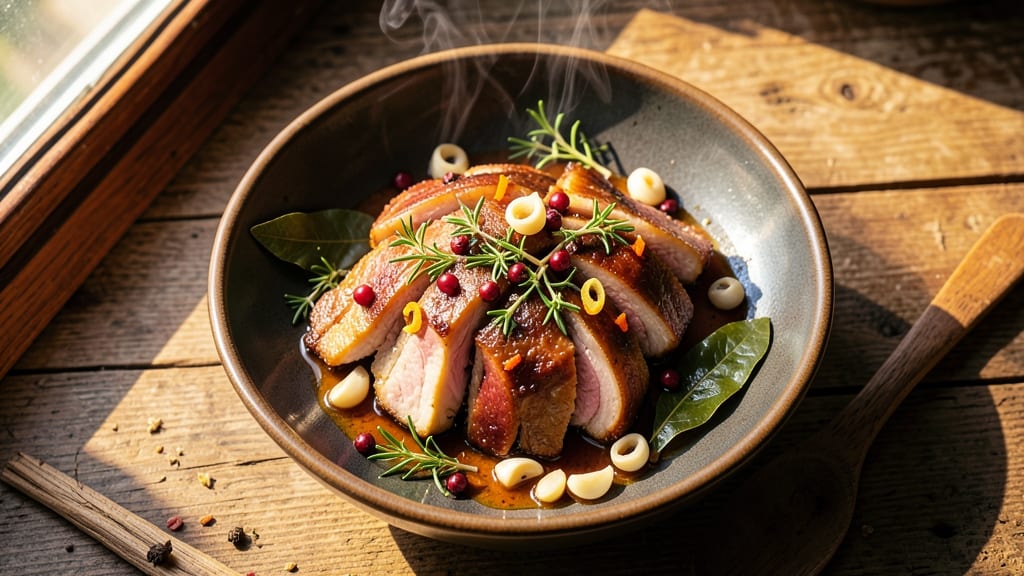
This Caribbean pork souse recipe brings bold flavors and tender meat to your table with a method rooted in tradition. I first discovered this dish while traveling through the islands, where it's a staple at family gatherings and celebrations.
The combination of vinegar, spices, and slow cooking transforms tough cuts into melt-in-your-mouth perfection with a satisfying crunch.
The process begins with curing the pork in a vinegar brine infused with garlic, thyme, and allspice—this step is crucial for developing the signature tangy flavor. After curing, the meat is simmered until tender, creating a dish that's both hearty and full of complex aromas.
My version stays true to the original while offering a simplified approach for home cooks.
What makes this recipe special is the balance of textures—crispy edges from the vinegar bath, tender meat from slow cooking, and a rich sauce that ties everything together. Served with rice and peas or fried plantains, it becomes a complete meal that transports you to the Caribbean with every bite.
Perfect for special occasions or when you want to impress guests, this dish delivers restaurant-quality results with minimal effort. The key lies in patience and proper curing—once you master these steps, you'll have a dish that's as versatile as it is delicious. Let's get started on creating this flavorful masterpiece.
Ingredients for caribbean pork souse
Six spices, one vinegar bath, and tender pork that sings with Caribbean crunch and tang.
| Ingredient | Amount | Notes |
|---|---|---|
| Pork Shoulder 🥓 | 3 lb | Bone-in for flavor, cut into 2-inch cubes |
| White Vinegar 🍶 | 1 ½ cups | White or apple cider vinegar |
| Garlic Cloves 🧄 | 8 cloves | Minced for curing and cooking |
| Fresh Thyme 🌿 | ½ cup | Stems removed, chopped |
| Allspice Berries 🌶️ | 1 tbsp | Ground or whole, toasted |
| Bay Leaves 🍃 | 2 whole | Fresh or dried |
| Black Peppercorns 🌶️ | 1 tsp | Whole, lightly crushed |
| Brown Sugar 🍚 | ¼ cup | Light or dark, packed |
| Onion 🧅 | 1 whole | Yellow, sliced into wedges |
| Scotch Bonnet Peppers 🌶️ | 2 whole | Seeds removed, sliced (or habanero) |
| Olive Oil 🫒 | ¼ cup | For searing pork |
| Salt 🧂 | 1 ½ tbsp | Kosher or sea salt |
| Water 💧 | 1 cup | For curing brine |
The pork shoulder is the star—bone-in for flavor, but don't stress if you can't find it. Costco or local butchers usually have it pre-cut, but if you're buying a whole shoulder, ask for the picnic cut. Look for good marbling—it keeps the meat juicy during curing. Fresh thyme and allspice are non-negotiable for that authentic island taste. Penzeys or bulk bins at Whole Foods are great for spices, but honestly, any store's allspice will work if it's not ancient. The vinegar? White or apple cider—no balsamic or red wine vinegar, that's a flavor crime here.
No scotch bonnet? Habanero or even jalapeño in a pinch, but reduce the amount by half. Fresh thyme wilt fast, so if you're prepping ahead, dried thyme at one-third the amount works. Brown sugar substitutes? White sugar or coconut sugar are fine, but the molasses notes in brown sugar are part of the magic. The curing brine is where the real flavor happens—don't skip the salt, even if the pork is pre-salted. And if you're worried about the vinegar smell lingering, add a splash of orange juice to the final simmer for brightness.
This dish tastes even better the next day—plan ahead. The cured pork keeps in the fridge for 2 days before cooking, and the finished souse reheats beautifully. For leftovers, store in the sauce—it's part of the magic. Freezes for 3 months if you're making a big batch. I always double the recipe for parties—everyone clears their plate.
Why You'll Love This Recipe
- I’ll be real: this feeds a crowd but costs less than takeout. Serve it at picnics, potlucks, or just because—it’s the kind of dish that disappears fast, and no one will guess how little effort it took.
- One-Pot Magic: Honestly, I dump everything in a single pot—no fancy layers, no stress. The vinegar tenderizes the pork while the garlic and thyme work their flavor magic in the same space, and honestly? That’s my kind of cooking.
- Tangy-Sweet Crunch: Between us, the vinegar and allspice give it this unexpected bite that balances the rich pork. The crispy edges? Absolute perfection. It’s like a party in your mouth—no sad, bland leftovers here.
- Party in a Pan: I’ll be real: this feeds a crowd but costs less than takeout. Serve it at picnics, potlucks, or just because—it’s the kind of dish that disappears fast, and no one will guess how little effort it took.
Step-by-step instructions for Caribbean pork souse
Here's how to transform tough pork into tender, vinegar-braised souse with crispy edges and bold Caribbean flavors.
Cure the Pork for Maximum Tenderness
In a large bowl, combine the 1.5 cups white vinegar, 1 cup water, 1.5 tablespoons salt, 0.25 cup brown sugar, 8 cloves minced garlic, 0.5 cup chopped fresh thyme, 1 tablespoon allspice berries, 1 teaspoon crushed black peppercorns, 2 whole bay leaves, and 2 whole Scotch bonnet peppers (seeds removed and sliced). Stir until the salt and sugar dissolve completely.
Add the 3 lb pork shoulder cut into 2-inch cubes and turn to coat evenly. Cover and refrigerate for 12-24 hours, turning the pork occasionally. This curing process breaks down the muscle fibers, ensuring fork-tender results. The vinegar mixture will become cloudy as it penetrates the meat—this is normal and essential for that signature souse texture.
Sear the Pork for Deep Flavor
Remove the pork from the curing liquid (reserve the liquid for later) and pat dry with paper towels. Heat 0.25 cup olive oil in a large Dutch oven over medium-high heat until shimmering. Working in batches, add the pork cubes and sear for 3-4 minutes per side until deep golden brown and crispy in spots.
Don't crowd the pan—searing too many pieces at once will steam them instead of browning. You want that caramelized crust to form, which carries all the rich, savory flavors. Transfer the seared pork to a plate as you work. Once all pieces are browned, return them to the Dutch oven.
Braise Until Fork-Tender
Pour the reserved curing liquid into the Dutch oven, scraping up any browned bits from the bottom. Add the 1 whole onion (sliced into wedges) and bring to a gentle simmer over medium heat. Once bubbling, reduce heat to low, cover, and let it braise for 2-2.5 hours until the pork is fork-tender and falls apart easily.
Check occasionally and add 1-2 tablespoons water if the liquid reduces too much. The pork should be submerged in liquid by at least halfway—this helps create that signature tender texture. You'll know it's done when a knife slides in like butter and the meat pulls apart with minimal resistance.
Reduce the Sauce for Maximum Flavor
Once the pork is tender, remove it from the Dutch oven and strain the braising liquid through a fine-mesh sieve into a separate saucepan. Discard the solids. Return the liquid to medium heat and simmer uncovered for 15-20 minutes until reduced by about half and slightly thickened.
Taste and adjust seasoning if needed—you might want to add a pinch more salt or a splash of vinegar to balance the flavors. The reduced sauce should coat the back of a spoon and have a rich, tangy depth. If it's too thin, simmer a few more minutes to concentrate the flavors.
Serve with Crispy Edges and Tangy Sauce
Return the pork to the Dutch oven and pour the reduced sauce over the top. Let it sit for 10 minutes off the heat so the pork can absorb the remaining liquid. Serve the souse hot, with the crispy edges and tender meat falling apart at every bite, accompanied by the tangy, slightly thickened sauce.
For the best experience, serve immediately with warm cornmeal hoecakes or crusty bread to soak up that delicious sauce. The contrast of the crispy pork edges with the tender interior and the bright, vinegary sauce makes this dish truly special—worth every step of the process.
Pro Tips For Making Caribbean Pork Souse
- Sear the Pork First: Don’t skip browning the pork shoulder—this isn’t just for flavor, it’s for structure. After slicing the meat into chunks, hit a screaming-hot pan with oil and sear them until they’re deep golden, not just pink. I learned this the hard way when my souse turned out mushy; the crust locks in moisture during the long simmer.
- Crush the Allspice: Whole allspice berries? Skip it. Unless you want your souse to taste like you forgot to chew your food. Lightly toast them first, then crush them in a mortar or zip-top bag with a rolling pin—this releases their oils and blends them into the vinegar and garlic. My grandmother swore by this, and she was right: it’s the difference between background spice and real flavor.
- Simmer Slow and Low: Caribbean souse isn’t a quick fix—it’s a 3-4 hour project. Keep the heat at a bare simmer (tiny bubbles, not rolling) or you’ll end up with a vinegary stew, not tender, fall-apart pork. After the first hour, skim the foam off the top like you’re cleaning a pond. Yes, it’s tedious, but it’s the thing that matters most for clarity and depth of flavor.
- Save the Vinegar Soak: Don’t dump all the vinegar in at once—reserve half for later. After the pork has simmered for 2 hours, stir in the remaining vinegar and let it cook another 30 minutes. This keeps the meat from getting too acidic too fast, which can make it tough. I was skeptical until I tried it: the final product is bright, not harsh, and the pork stays juicy.
Essential equipment for great caribbean pork souse
Dutch Oven Essentials
Your Dutch oven is the heart of this recipe—I swear by my Lodge 6-quart cast iron for even heat distribution and that signature caramelized crust. The deep sides prevent spills during the long braise, and cast iron retains heat perfectly for the 2-2.5 hour cooking time.
If you don't own one, a heavy enameled Dutch oven (like Le Creuset) works beautifully too—just avoid non-stick for this dish. 🔥
Precision Thermometer
A meat thermometer is non-negotiable for perfect doneness. I use a ThermoWorks Smoke with instant-probe technology to monitor the pork's internal temperature—aim for 195-203°F in the thickest piece.
The probe should slide in like butter when it's ready. For budget-friendly options, the OXO Good Grips works just as well without breaking the bank.
Fine-Mesh Sieve
Straining the braising liquid through a fine-mesh sieve (like the OXO Good Grips) removes impurities while preserving the rich, tangy sauce. I've tried cheesecloth, but it traps too much sediment—this method gives you that silky, reduced sauce we're after.
Pro tip: Press the solids with a spoon to extract every last drop of flavor. 💫
Vinegar-Resistant Tools
The vinegar brine can be tough on regular cookware, so use stainless steel or cast iron tools throughout. I recommend a stainless steel whisk for mixing the curing brine and a wooden spoon for stirring during the braise—both handle the acidity without reacting.
Avoid aluminum, which can leach into the dish and affect the flavor.
Curing Containers
For the 12-24 hour curing process, use glass or food-grade plastic containers with tight-fitting lids. I prefer quart-sized mason jars for smaller batches—they're easy to seal and let me see the pork's progress.
For larger quantities, a stainless steel curing tub (like those used for prosciutto) works perfectly. Just make sure everything's airtight to prevent contamination. ❄️
Optional: Smoking Accessories
While traditional souse doesn't require smoking, adding a pellet smoker or electric smoker (like the Traeger Lil' Tex) for the final 30 minutes of cooking can deepen the flavor profile. Use hickory or applewood pellets for a subtle smoky note that pairs beautifully with the vinegar tang.
This step is purely optional but takes your souse to the next level for special occasions.
Nutrition facts
Frequently asked questions
Can I use pork tenderloin instead of pork shoulder for this recipe?
Pork tenderloin is too lean and delicate for this dish—it would turn mushy during the long braise. Stick with pork shoulder (or pork butt) for the best texture. The fat content and connective tissue are what create that signature tender, crispy-edged souse. If you're set on a leaner cut, try bone-in pork rib chops as a substitute.
How do I adjust the heat level if I can't find scotch bonnet peppers?
For milder heat, use habanero (reduce by half) or jalapeño (reduce by 2/3). If you want no heat at all, simply omit the peppers—your souse will still be delicious, just without the Caribbean kick. For extra flavor without heat, add 1 teaspoon smoked paprika to the curing brine.
Can I make this recipe in a slow cooker instead of a Dutch oven?
Yes! After searing the pork, transfer everything to a 6-quart slow cooker and cook on low for 6-8 hours or high for 4-5 hours. The texture will be slightly different (less crispy edges), but the flavors will still be amazing. Just reduce the braising liquid by half after cooking to concentrate the sauce.
What's the best way to reheat leftover pork souse?
Reheat in the same Dutch oven over medium-low heat with 2-3 tablespoons water until warmed through (165°F). Never microwave—it makes the meat rubbery. For best results, reheat only what you'll serve immediately. The sauce thickens as it cools, so you can thin it with a splash of vinegar or water if needed.
How does Caribbean pork souse differ from Southern pork souse?
Caribbean souse uses white vinegar and Scotch bonnet/habanero peppers for a bright, spicy tang, while Southern versions often include apple cider vinegar and mustard seeds for a slightly sweeter, mustardy flavor. Caribbean souse also frequently incorporates allspice and thyme prominently, giving it a more aromatic profile. The curing time is similar, but Caribbean versions sometimes include rum in the braising liquid.