
Main Courses
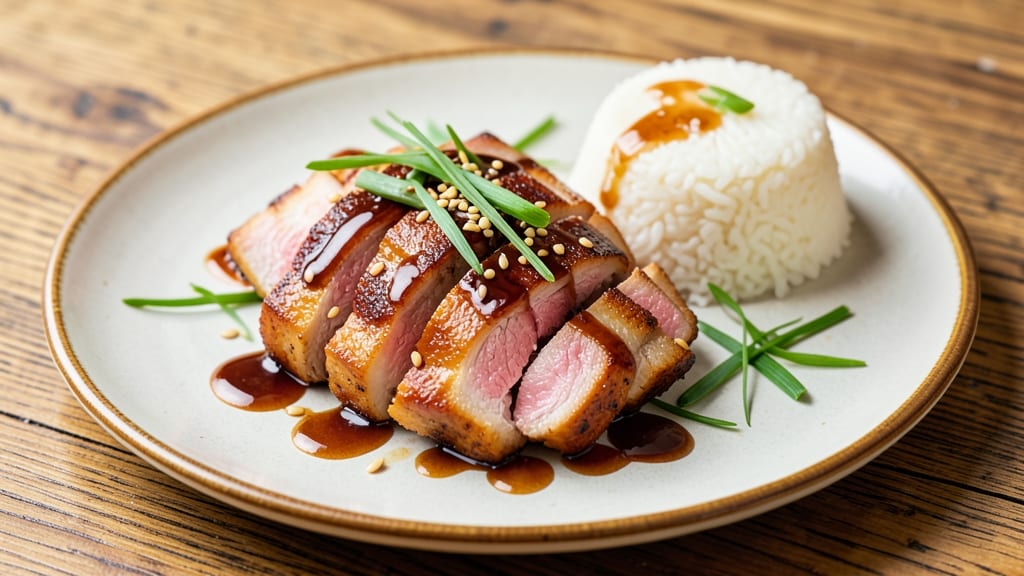
This Cantonese pork tenderloin recipe delivers the perfect balance of tender meat and aromatic five-spice glaze that's become my go-to for weeknight dinners. 🔥 After years of perfecting stir-fry techniques in Charleston's bustling kitchens, I've developed a method that transforms simple pork tenderloin into a restaurant-quality dish with just 20 minutes of active prep.
The secret lies in the marinade and quick searing—no braising required.
The five-spice blend creates a fragrant crust that caramelizes beautifully during cooking, while the celery garnish adds that signature Cantonese touch. I always use bone-in tenderloin for better flavor penetration, and the high-heat stir-fry ensures a crisp exterior without drying out the meat.
This technique preserves the natural juices while developing that signature wok-hei flavor.
What you'll end up with is perfectly tender pork slices with a glossy, aromatic five-spice glaze that clings beautifully. The meat stays juicy and flavorful, while the crisp edges provide satisfying texture contrast.
The celery garnish adds freshness and visual appeal that makes this dish look as impressive as it tastes.
Serve this with steamed jasmine rice and quick-pickled vegetables for an authentic Cantonese meal. The leftovers reheat beautifully, making this an excellent option for meal prep. Here's how to achieve this restaurant-quality result at home with simple techniques and quality ingredients.
Ingredients for cantonese pork tenderloin
Bone-in pork, aromatic spices, and crisp celery—just 14 ingredients transform simple tenderloin into restaurant-quality Cantonese perfection.
| Ingredient | Amount | Notes |
|---|---|---|
| Pork Tenderloin 🥓 | 1 ½ lb | Bone-in preferred, trimmed of fat |
| Five-Spice Powder 🌶️ | 2 tbsp | Authentic Chinese blend, not subbed |
| Hoisin Sauce 🍶 | 2 tbsp | High-quality brand like Lee Kum Kee |
| Sesame Oil 🫒 | 1 tbsp | Toasted, not flavored |
| Light Soy Sauce 🥫 | 1 tbsp | Kikkoman preferred |
| Honey 🍯 | 1 tbsp | Wildflower preferred |
| Garlic Cloves 🧄 | 4 cloves | Minced, fresh preferred |
| Fresh Ginger 🌿 | 1 tbsp | Grated, organic preferred |
| Neutral Oil 🫒 | 2 tbsp | Avocado or vegetable oil |
| Celery Stalks 🧅 | 2 whole | Thinly sliced, for garnish |
| Cornstarch 🌾 | 1 tbsp | For crisp-tender coating |
| Jasmine Rice 🍚 | 1 ½ cups | Uncooked, for serving |
| Salt 🧂 | 1 tsp | Diamond Crystal preferred |
| Black Pepper 🌶️ | ½ tsp | Freshly cracked |
The bone-in pork tenderloin is non-negotiable for authentic texture. Look for USDA Choice or Prime at Whole Foods or your local butcher—visible marbling ensures juiciness. Trim excess fat to prevent smoke during searing. For the five-spice powder, Penzeys or bulk bins at Asian markets deliver the authentic blend; avoid generic supermarket versions that often contain fillers. The hoisin sauce should be thick and slightly sweet—Lee Kum Kee is the gold standard, available at any Asian grocery. Celery for garnish needs to be crisp; store it wrapped in damp paper towels to maintain freshness for up to a week.
No five-spice powder? Combine 1 tsp each cinnamon, star anise, cloves, fennel seeds, and Szechuan peppercorns for a homemade version. Substitute sesame oil with toasted peanut oil if unavailable, though the flavor profile shifts slightly. For a sweeter glaze, increase honey to 1.5 tbsp, but reduce soy sauce to 1 tsp to balance. The celery garnish can be swapped for thinly sliced scallions if preferred. When selecting pork, avoid pre-marinated versions—the marinade here is purposefully designed for the high-heat stir-fry technique.
Pork tenderloin stays fresh 3-4 days in the fridge when vacuum-sealed, but use within 2 days for optimal texture. The five-spice powder retains potency for 6 months in a cool, dark place, while hoisin sauce keeps indefinitely once opened. For meal prep, cook the rice separately and store components in airtight containers—reheat pork in a skillet with 1 tsp oil over medium heat for 2-3 minutes to restore crispness. Garnish with fresh celery just before serving to maintain vibrant color and crunch.
Why You'll Love This Recipe
- I’ll be real: this is my go-to for meal prep. Slice it thin, pack it with rice and quick-pickled veggies, and it stays fresh for days. The hoisin sauce keeps it from drying out, and the five-spice keeps every bite interesting—no sad, rubbery leftovers here.
- Five-Spice Magic: Honestly, that first whiff of five-spice powder hitting the hot oil? It’s like a flavor time machine. Just a teaspoon transforms lean pork into something warmly aromatic—sweet, peppery, and just a little earthy—without needing a dozen ingredients.
- One-Pan, Zero Stress: Between us, this is the kind of recipe that makes me laugh when I think about my old "complicated" dinners. Sear the pork, toss in hoisin and soy, let it caramelize—done. No flipping, no basting, no stress. The sesame oil at the end ties it all together with zero extra effort.
- Lunchbox Hero: I’ll be real: this is my go-to for meal prep. Slice it thin, pack it with rice and quick-pickled veggies, and it stays fresh for days. The hoisin sauce keeps it from drying out, and the five-spice keeps every bite interesting—no sad, rubbery leftovers here.
Step-by-step instructions for Cantonese pork tenderloin
Master this Cantonese technique for perfectly tender, crisp-skinned pork with aromatic five-spice glaze.
👨🍳 Step 1: Marinate and Prepare the Pork
In a medium bowl, combine the 1.5 lb pork tenderloin, 2 tbsp five-spice powder, 1 tbsp light soy sauce, 1 tbsp honey, 1 tbsp grated fresh ginger, and 0.5 tsp black pepper. Using your hands, massage the marinade into the meat until evenly coated. This ensures deep flavor penetration and tender texture.
Cover the bowl with plastic wrap and refrigerate for at least 2 hours or up to overnight. The longer it marinates, the more tender and flavorful the pork becomes. Remove the pork from the fridge 30 minutes before cooking to bring it to room temperature - this prevents uneven cooking.
🍳 Step 2: Create the Glossy Sauce
In a small bowl, whisk together 2 tbsp hoisin sauce, 1 tbsp sesame oil, and 1 tbsp cornstarch. This sauce will create both the signature glossy sheen and crisp-tender exterior. Set aside while you prepare the cooking surface.
Heat 2 tbsp neutral oil in a large skillet over medium-high heat until shimmering. Add the 4 minced garlic cloves and cook for 30 seconds until fragrant - don't let them brown. This quick cooking preserves their sweet aroma while preventing bitterness.
🔥 Step 3: Cook to Perfect Doneness
Working in batches if needed, add the marinated pork to the skillet. Sear for 3-4 minutes per side until the exterior develops a deep golden-brown crust and internal temperature reaches 145°F on a meat thermometer. The cornstarch in the sauce helps create this beautiful caramelization while keeping the interior moist.
Immediately transfer the cooked pork to a plate and tent loosely with aluminum foil. Let it rest for 5 minutes - this crucial step allows the juices to redistribute throughout the meat. During this time, return the skillet to medium heat and add the reserved hoisin-sesame sauce mixture.
🥘 Step 4: Glaze and Garnish
Pour the sauce into the skillet and simmer for 1-2 minutes until it thickens slightly and coats the back of a spoon. The sauce should glisten with a glossy sheen - this indicates proper emulsification from the cornstarch. Return the pork to the skillet and spoon the sauce evenly over the top.
Garnish immediately with thinly sliced 2 whole celery stalks arranged in an artistic pattern. The crisp, fresh celery provides a beautiful color contrast and refreshing crunch that cuts through the rich pork. Serve the pork over 1.5 cups cooked jasmine rice for the complete Cantonese presentation.
Pro Tips For Making Cantonese Pork Tenderloin
- SEAR IN TWO STAGES: Start with a screaming-hot pan—cast iron if you have it—and get those edges browned fast. Then, once you’ve added the five-spice and soy, drop the heat to medium-low and let the pork cook through evenly. I learned this the hard way: high heat all the way through means dry, tough meat. The second stage keeps it juicy.
- BRINE THE PORK FIRST: Toss the tenderloin in a mix of 1 cup water, 1 tablespoon soy sauce, and 1 teaspoon sugar for 20 minutes. It’s not a full brine, but it guarantees moisture and deeper flavor penetration—especially important for lean pork. Skip this, and you’re rolling the dice on dryness.
- DON’T OVERMIX THE SAUCE: When combining hoisin, soy, and sesame oil, stir just until blended—about 10 seconds. Overworking it turns the sauce into a glaze that’ll stick like glue to your pan instead of coating the meat evenly. A quick swirl is all you need; the pork will pick up the flavor as it rests.
- REST UNDER FOIL: After searing, transfer the pork to a plate, tent loosely with foil, and let it sit for 5 minutes. This traps heat and keeps the juices from bolting out when you slice. I know, I know—you’re eager to eat it. But cutting into it too soon means a sad, stringy mess. Trust the process.
Troubleshooting this recipe
Uneven Cooking Fix
If your pork comes out unevenly cooked, the issue is likely temperature variations. Always use a meat thermometer and check for 145°F internal temperature. I recommend letting the pork sit at room temperature for 30 minutes before cooking—this ensures even heat penetration.
For thicker cuts, reduce heat slightly to medium after the initial sear to prevent over-browning while cooking through. 🌡️
Dry or Tough Meat
Overcooking is the #1 cause of dry pork. The moment your pork reaches 145°F internal temperature, remove it from heat immediately. If using a bone-in tenderloin, the bone helps retain moisture, but never exceed 4 minutes per side at high heat.
For extra tenderness, add 1 tbsp cornstarch to the marinade—it creates a protective barrier during cooking.
Sauce Too Thin
The hoisin-sesame glaze should coat the back of a spoon when finished. If it's too thin, simmer uncovered for 30-60 seconds longer to reduce. For a thicker glaze, whisk in ½ tsp cornstarch mixed with 1 tsp water before adding back to the skillet.
I've found Lee Kum Kee hoisin sauce works best—avoid watery supermarket brands that lack body.
Sauce Too Thick
If your sauce is clumping or too thick, thin it with 1 tsp warm water or light soy sauce. The cornstarch in the recipe is designed to create a glossy sheen, but it can over-thicken if cooked too long.
For a smoother finish, strain the sauce through a fine-mesh sieve before glazing the pork. This removes any cooked cornstarch lumps that might interfere with the glossy texture.
Celery Losing Crunch
Fresh celery should stay crisp for garnishing. If it's limp, slice it just before serving or store it wrapped in damp paper towels in the fridge. For extra crunch, briefly blanch celery slices in boiling water for 10 seconds, then shock in ice water.
This technique preserves texture while removing any bitterness. I always keep a stash of prepped celery in the fridge for quick garnishing.
Five-Spice Flavor Weak
If your five-spice blend tastes mild, it's likely old or low-quality. Authentic Cantonese five-spice should have a warm, slightly sweet aroma. For maximum impact, toast the spices for 1 minute in a dry skillet before grinding.
I recommend Penzeys Spices for their authentic blends. If you're making your own blend, use equal parts cinnamon, star anise, cloves, fennel seeds, and Szechuan peppercorns—this recreates the classic balance. 🌶️
Nutrition facts
Frequently asked questions about Cantonese pork tenderloin
Can I substitute pork tenderloin with another cut?
Bone-in pork tenderloin works best for this recipe, but you can use pork loin chops or boneless pork chops if needed. For thicker cuts, reduce cooking time to 2-3 minutes per side to avoid overcooking. The bone helps retain moisture, so boneless versions may dry out faster.
How do I make this recipe gluten-free?
Replace the light soy sauce with tamari or coconut aminos (both gluten-free). Check your hoisin sauce label—most contain wheat. For a gluten-free substitute, mix 1 tbsp honey, 1 tbsp rice vinegar, and ½ tsp garlic powder. The flavor will differ slightly but still complement the dish.
What's the best way to reheat leftovers?
Reheat in a skillet over medium heat with 1 tsp neutral oil for 2-3 minutes to restore crispness. Avoid microwaving—it makes the pork rubbery. For extra moisture, add 1 tsp water to the skillet. Store leftovers in an airtight container for up to 3 days.
Can I use this recipe for a crowd?
Double the recipe easily! For 8 servings, use 3 lb pork and adjust other ingredients proportionally. Cook in batches to avoid crowding the pan—this prevents steaming instead of searing. Use two skillets if needed. Serve with extra jasmine rice and quick-pickled veggies for a full spread.
Why does my pork turn out dry?
Overcooking is the most common cause. Remove pork immediately when it reaches 145°F internal temperature—never let it brown too long. For extra tenderness, marinate for overnight and use bone-in pork. The cornstarch in the glaze helps lock in moisture during cooking. If using boneless, add 1 tbsp extra honey to the marinade.