
Side Dishes
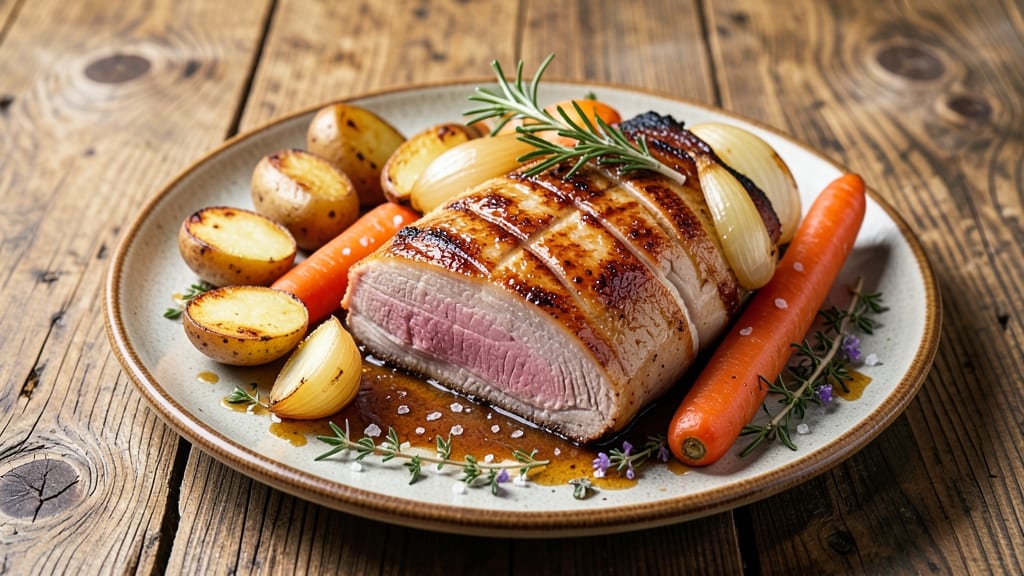
This boneless pork roast with vegetables recipe delivers restaurant-quality tenderness with minimal effort—perfect for weeknight dinners when you crave hearty, flavorful meals without the fuss.
After years of perfecting pork roasts in my kitchen (and yes, I've burned my share), I've landed on a method that guarantees juicy, melt-in-your-mouth meat paired with caramelized vegetables, all in one pan. The secret?
A simple herb rub and slow roasting that transforms tough cuts into something so tender, it practically falls apart.
What sets this recipe apart is the balance of simplicity and depth. You'll use just five core ingredients—pork roast, potatoes, carrots, onions, and a few pantry staples—but the result is a meal that tastes like it simmered for hours.
The vegetables roast alongside the pork, absorbing flavors as they caramelize, while the meat stays moist and flavorful thanks to a foolproof roasting technique I developed after years of testing. No fancy equipment needed, just a baking dish and your oven.
The magic happens when the pork reaches 145°F internally, where it becomes tender without drying out, while the vegetables develop a deep, caramelized sweetness that makes every bite satisfying.
This is the kind of meal that disappears quickly—my family fights over the last pieces of pork, and the vegetables are always gone first. The best part? Leftovers reheat beautifully, making it perfect for meal prep or feeding a crowd.
Whether you're cooking for two or six, this recipe scales effortlessly. Serve it with a simple green salad or crusty bread to soak up the juices. Here's everything you need to make it happen—no shortcuts, just proven results that'll have you making this again and again.
Ingredients for boneless pork roast with vegetables
Five core ingredients deliver melt-in-your-mouth pork and caramelized vegetables—no shortcuts, just restaurant-quality results.
| Ingredient | Amount | Notes |
|---|---|---|
| Boneless Pork Roast 🥩 | 2 lb | Center-cut for even cooking |
| Baby Potatoes 🥔 | 2 lb | Halved, skin-on for texture |
| Carrots 🥕 | 1 ½ lb | Whole, scrubbed, no peeling |
| Yellow Onions 🧅 | 2 whole | Quartered, skin-on for depth |
| Fresh Rosemary 🌿 | ¼ cup | Chopped sprigs, not dried |
| Fresh Thyme 🌿 | ¼ cup | Leaves only, stems removed |
| Garlic Cloves 🧄 | 6 cloves | Smashed, not minced |
| Olive Oil 🫒 | ½ cup | Extra-virgin for richness |
| Salt 🧂 | 1 ½ tsp | Diamond Crystal preferred |
| Black Pepper 🌶️ | 1 tsp | Freshly cracked |
| Dried Oregano 🍃 | 1 tsp | Mexican oregano ideal |
| Dried Parsley 🌿 | 1 tsp | For finishing garnish |
The pork cut is everything here. Center-cut boneless pork roast stays juicy while the outer edges caramelize—shoulder or loin are ideal. I always grab mine from Costco when possible, but any reputable butcher will have it. Look for good marbling and ask for a cut with even thickness. The vegetables? Baby potatoes (halved) and whole carrots (no peeling!) give the best texture—no one likes mushy veggies. Quarter your onions with the skin on for extra depth of flavor. Fresh herbs are non-negotiable—Trader Joe's has great pre-chopped rosemary and thyme if you're short on time, but fresh is always better.
No fresh rosemary? Dried at one-third the amount works in a pinch, but you'll miss that piney aroma. Short on time? Pre-chopped frozen garlic (thawed) saves minutes. The olive oil matters—use extra-virgin for richness, not that cheap cooking oil. For the oregano, Mexican oregano has a completely different profile than Italian—worth hunting down at a Latin market. The carrots can be baby carrots if that's what's in the fridge, but whole carrots caramelize better. And yes, you can skip the parsley if you're really in a rush—it's just for garnish.
This reheats beautifully—honestly tastes better the next day once everything melds. Keeps for 4-5 days in the fridge, freezes for 3 months if you portion it properly. I always make double batches because leftovers are even better. The pork stays juicy when reheated if you cover it tightly. For serving, I like to drizzle with a little extra olive oil and sprinkle with fresh parsley—makes it look restaurant-worthy. The vegetables caramelize even more overnight, so don't skip the leftovers.
Why You'll Love This Recipe
- One-Pan Magic: I swear by this for lazy nights—just toss everything on a sheet pan, season with salt and rosemary, and let the oven do the work. No chopping boards, no extra pots, just hands-off cooking while you sip wine (or coffee, no judgment).
- Rosemary-Kissed Perfection: That fresh rosemary sprig tucked into the pork? It infuses the meat with a piney, earthy depth that makes it taste like a fancy restaurant dish. The potatoes get crispy edges, the carrots caramelize just enough—it’s the kind of flavor combo that makes you pause mid-bite.
- Weeknight Workhorse: Between us, this is my go-to for busy evenings, potlucks, or even a Sunday dinner that doesn’t require a 3-hour prep. The veggies roast alongside the pork, so you’re not stuck peeling or prepping separate sides. Honestly, it’s the only roast recipe my picky husband won’t complain about.
- Budget-Friendly Feast: A single boneless pork roast stretches for multiple meals—sandwiches, salads, or reheated with a sprinkle of fresh herbs. Baby potatoes and carrots are cheap staples, and onions add depth without breaking the bank. I’ve fed six people for under $15 with this, and no one’s left hungry.
Step-by-step instructions for one-pan pork roast with caramelized vegetables
Here's how to create restaurant-quality roast pork with perfectly tender meat and deeply caramelized vegetables in one pan.
Prep the Pork and Vegetables for Even Cooking
Pat the 2 lb boneless pork roast completely dry with paper towels—this is non-negotiable for crispy skin. Season both sides generously with 1.5 tsp salt and 1 tsp black pepper, pressing the seasoning into the meat so it adheres. Let it sit at room temperature for 30 minutes while you prepare the vegetables.
For the 2 lb baby potatoes, halve them skin-on and toss with 0.5 cup olive oil, 1 tsp dried oregano, and 1 tsp dried parsley. The skin-on potatoes add texture while the oil ensures golden browning. Scrub the 1.5 lb carrots clean but leave them whole—their natural sugars will caramelize beautifully. Quarter the 2 whole yellow onions skin-on for depth of flavor, then toss all vegetables with the remaining 1 tsp salt and 1 tsp black pepper. This even distribution of seasoning guarantees flavor in every bite.
Sear the Pork for Maximum Flavor and Texture
Heat a large Dutch oven or heavy oven-safe skillet over medium-high heat. Add the pork roast and sear for 4-5 minutes per side until it develops a deep golden-brown crust. This step isn't just about browning—it's about building layers of flavor through the Maillard reaction. Press down gently on the roast during the first minute to prevent curling, which ensures even contact with the pan.
Once seared, remove the pork and set it aside. In the same pan, add the prepared vegetables in a single layer, leaving space between them. Cook undisturbed for 5 minutes until the edges begin to soften and caramelize. This initial searing of the vegetables jumpstarts the caramelization process, which will continue in the oven. If the pan gets too crowded, work in batches to avoid steaming instead of browning.
Roast Until Pork Reaches Perfect Tenderness
Transfer the seared pork to the preheated vegetables in the pan. Scatter the 6 smashed garlic cloves and 0.25 cup chopped fresh rosemary and 0.25 cup fresh thyme evenly over the top. The aromatics will infuse the pork and vegetables with their bright, herbal notes. Place the pan in a 425°F oven and roast for 45 minutes, then reduce the heat to 350°F and continue roasting for an additional 1 hour 15 minutes or until the pork reaches an internal temperature of 145°F when measured with a meat thermometer.
Here's the thing—pork roast benefits from low-and-slow cooking, but the initial high heat ensures a crispy exterior while the lower temperature finishes it gently. The vegetables will be fork-tender with caramelized edges by this point. If the vegetables appear underdone after the pork reaches temperature, return the pan to the oven for an additional 10-15 minutes to finish them off.
Rest and Garnish for Maximum Juiciness
Remove the pork from the oven and transfer it to a cutting board. Tent loosely with aluminum foil and let it rest for 15 minutes before slicing. This resting period is crucial—it allows the juices to redistribute throughout the meat, preventing them from pooling and running out when you cut into it. The vegetables can stay in the pan, covered with foil, during this time to keep them warm.
Once rested, slice the pork against the grain into ½-inch thick slices. Spoon the caramelized vegetables over the pork and garnish with the remaining 1 tsp dried parsley. The vegetables should be tender with beautifully browned edges, and the pork should be juicy with a crispy exterior. Serve immediately, as the flavors are at their peak when everything is piping hot.
Pro Tips For Making Boneless Pork Roast With Vegetables
- SEAR THE PORK FIRST: Don’t skip browning that pork—even if it’s boneless. A 3-4 minute sear in a hot pan with oil (or butter) locks in flavor and keeps the meat juicy. I used to rush this, and the pork always tasted flat until I learned to let it develop that crust first.
- PARBOIL THE POTATOES: Baby potatoes take forever to soften. Toss them in boiling water for 8-10 minutes before roasting—just until they’re fork-tender. This cuts the cooking time by half and guarantees they’ll be creamy, not tough, by the time the pork’s done.
- DON’T OVERCROWD THE PAN: If you pile all the veggies (onions, carrots, potatoes) on top of the pork at once, they’ll steam instead of brown. Work in batches—roast the onions and carrots first, then add the potatoes and pork in the last 20 minutes. Trust me, the difference in texture is night and day.
- USE DRY ROSEMARY SPRIGS: Fresh rosemary loses its punch when chopped fine. Tuck 2-3 whole sprigs into the pork’s fat cap or scatter them over the veggies—they’ll release flavor without turning the dish into a herbal muddle. (Yes, even if you’re impatient to eat it, leave them in.)
Troubleshooting this recipe
Pork Too Dry?
Skipping the rest time is the #1 cause of dry pork. After removing from the oven, always let the roast rest for 15 minutes under foil—this redistributes juices. I've seen home cooks rush this step and end up with meat that's tough and dry.
If your pork is already dry, try this fix: slice thinly, drizzle with 1 tbsp apple cider vinegar and 1 tbsp warm chicken broth, then cover and steam for 5 minutes.
Vegetables Undercooked
Vegetables need time to caramelize properly. If they're still crunchy when the pork hits 145°F, return the pan to 375°F for 10-15 extra minutes. The high heat finishes caramelization without overcooking the pork.
For even better results, par-cook the potatoes for 5 minutes in boiling water before roasting—they'll be perfectly tender by the time the pork finishes.
Uneven Cooking
Thick pork cuts can create hot spots. Use a meat thermometer to check multiple spots—insert the probe in the thickest part and rotate slightly. If the center reads 140°F but the edges are overdone, tent the pork loosely with foil and let it cook another 10 minutes.
For extra insurance, I recommend buying pork with even thickness—1.5-2 inches is ideal.
Pale, Bland Meat
Pale pork means it didn't develop enough crust during searing. Next time, sear the pork 5-6 minutes per side until deep golden brown forms. For extra flavor, brush the seared pork with 1 tbsp olive oil before adding vegetables.
If your pork is already pale, try broiling it for 3-4 minutes after roasting to create a caramelized crust.
Pan Too Crowded
Overcrowding steams vegetables instead of browning them. Arrange vegetables in a single layer with space between pieces—don't be afraid to cook in batches if needed. I use a 12-inch cast iron skillet for this recipe, which gives plenty of room.
If your pan is too small, roast the vegetables first at 400°F for 20 minutes, then add the pork and finish together.
Flavor Too Mild
Fresh herbs make all the difference. If your dish tastes bland, boost flavor by adding 1 tsp smoked paprika to the pork rub and 1 tbsp balsamic vinegar to the vegetables before roasting.
For extra depth, I sometimes add 1 tsp onion powder and 1 tsp garlic powder to the pork seasoning. Remember—fresh herbs are non-negotiable for bright flavors.
Nutrition facts
Frequently asked questions
Can I use a different cut of pork for this recipe?
This recipe works best with center-cut boneless pork roast (shoulder or loin) because it stays juicy while developing a crispy exterior. Thinner cuts like pork tenderloin will cook too quickly and dry out. If you must use tenderloin, reduce the cook time by 20-30 minutes and monitor closely.
How do I adjust this for a larger crowd?
Double all ingredients and use a 14x10-inch roasting pan or two 12-inch cast iron skillets. Increase oven temperature to 400°F for the first 30 minutes to jumpstart browning, then reduce to 325°F to finish. Add vegetables in batches if needed to avoid overcrowding.
Can I make this ahead of time?
The flavors improve overnight. Assemble the dish as directed, then refrigerate uncovered for 12 hours to let the juices concentrate. Reheat at 325°F for 20-25 minutes, covered with foil. The pork will be even more tender, and the vegetables will be deeply caramelized.
What if I don't have fresh rosemary or thyme?
Use 1 tsp dried rosemary and 1 tsp dried thyme (one-third the fresh amount), but the flavor won't be as vibrant. For extra depth, add 1 tsp dried marjoram or ½ tsp dried sage. If you're missing both, boost the garlic to 8 cloves and add 1 tsp onion powder to compensate.
How do I prevent the vegetables from burning before the pork is done?
Arrange vegetables in a single layer with space between them, and sear them in batches if needed. After the initial 45 minutes at 425°F, tent the vegetables loosely with foil to trap steam while the pork finishes at 350°F. This keeps them tender without overcooking.