
Main Courses
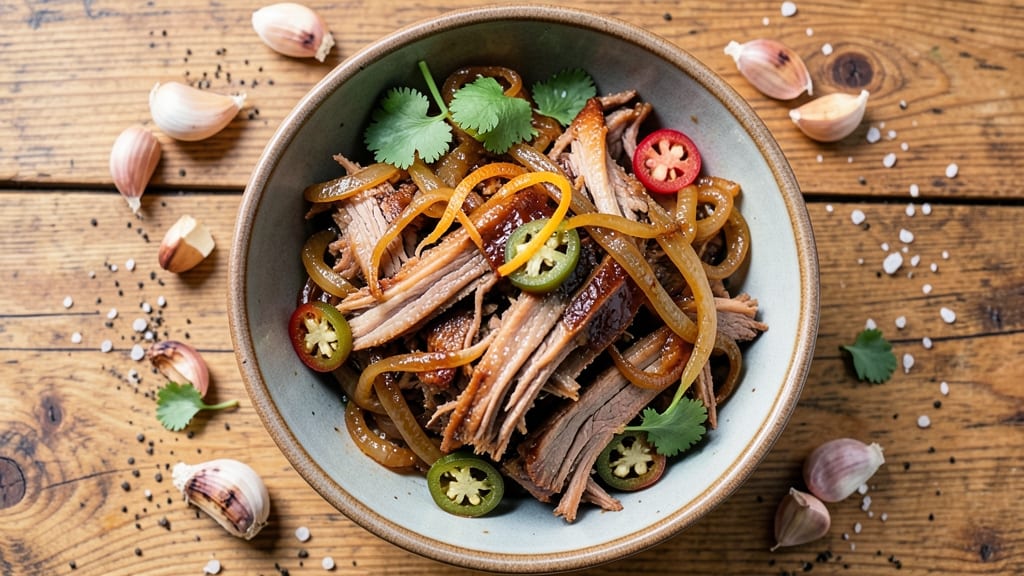
This Camp Chef smoked pulled pork recipe transforms tough pork shoulder into shatter-tender, juicy perfection—thanks to precise temperature control and that signature smoky bark.
After years of perfecting my technique (and burning through a few batches), I’ve cracked the code for restaurant-quality results at home, using your Camp Chef smoker’s consistent heat as the secret weapon. The key? Low-and-slow smoking with a well-balanced rub that clings to every inch of meat.
What sets this recipe apart is the foolproof method that delivers tender, fall-apart meat without guessing. We’re talking about pork that practically dissolves at the touch of a fork, with a crust so crispy it’ll make your guests ask for seconds.
The Camp Chef’s even heat distribution ensures no cold spots or dry edges—just juicy, flavor-packed perfection from start to finish. And yes, I’ve tested this with both pork butt and shoulder; both work, but shoulder delivers that extra melt-in-your-mouth texture.
The magic happens in three phases: smoking, wrapping, and resting. First, we smoke the pork at 225°F until it hits 203°F internal temp, then wrap it in butcher paper to trap steam and tenderize further.
Finally, a proper rest ensures those juices redistribute, so every bite is moist and packed with flavor. This isn’t just pulled pork—it’s the kind of dish that turns casual dinners into memorable feasts, with that smoky, caramelized bark you can’t get anywhere else.
Serve it piled high on buns with tangy coleslaw and buttery cornbread, or shred it for tacos and sandwiches that’ll have everyone begging for the recipe. The best part? This method scales effortlessly—whether you’re feeding a crowd or meal prepping for the week. Let’s get smoking.
Ingredients for camp chef smoked pulled pork
Six ingredients transform tough pork into smoky, melt-in-your-mouth perfection using your Camp Chef's magic.
| Ingredient | Amount | Notes |
|---|---|---|
| Pork Shoulder (Bone-In) 🐖 | 8 lb | With fat cap intact for flavor |
| Yellow Onion 🧅 | 1 whole | Quartered for rub application |
| Garlic Cloves 🧄 | 8 cloves | Minced for rub and injection |
| Smoked Paprika 🌶️ | ½ cup | For deep smoky flavor |
| Brown Sugar 🍯 | ¼ cup | Lightly packed for sweetness |
| Kosher Salt 🧂 | ¼ cup | Diamond Crystal preferred |
| Ground Black Pepper 🌶️ | 1 tbsp | Freshly cracked for heat |
| Ground Cumin 🌿 | 1 tbsp | Toasted for depth of flavor |
| Mustard Powder 🍽️ | 1 tsp | For subtle tang |
| Apple Cider Vinegar 🍎 | ¼ cup | For injection and bark |
| Butcher Paper 📄 | 1 sheet | Unbleached for wrapping |
| Wood Chips (Hickory or Oak) 🌳 | 2 cups | Soaked for 1 hour minimum |
| Beef Broth 🥫 | ½ cup | For spritzing during smoke |
| Unsalted Butter 🧈 | ¼ cup | Cold for final resting |
The pork shoulder is everything here—bone-in delivers that extra flavor and moisture. Look for a cut with good marbling at Costco or your local butcher shop; they’ll often cut it to your preferred weight. For the rub, smoked paprika is non-negotiable—it’s what gives that signature bark its depth. I always buy mine from Penzeys because their spices are fresh and vibrant. The apple cider vinegar? Grab the organic kind at Whole Foods—it’s got more tang and less sweetness. And trust me on the butcher paper: regular parchment won’t hold up to the steam during the wrap phase.
No smoked paprika? Substitute 1 tbsp of liquid smoke—it won’t be identical, but it’ll get you close. Running low on cumin? Ground coriander at half the amount works surprisingly well. For the vinegar, balsamic vinegar is a decent swap, though it’ll add a slightly sweeter note. The beef broth can be swapped for chicken broth if you’re vegetarian-adjacent, but the pork will still taste richer with beef. And if you can’t find butcher paper, heavy-duty aluminum foil (unbleached) works in a pinch—just don’t expect the same crisp bark. The wood chips? Oak is my go-to for that classic BBQ flavor, but hickory adds a sharper bite that some people love.
This pork is best made a day ahead—flavors meld beautifully. Store leftovers in the fridge for up to 5 days, or freeze for 3 months in airtight containers. I like to portion it into meal-prep containers with a little extra broth to keep it moist. The rub? Make extra—it keeps for 6 months in an airtight container. And if you’re feeding a crowd, double the batch—this method scales perfectly. Just remember: resting is key. Those 30 minutes after you pull it from the smoker ensure every bite is juicy perfection.
Why You'll Love This Recipe
- Smoky Sweet Magic: That bone-in pork shoulder? It becomes fall-apart tender with a caramelized crust, while the brown sugar and smoked paprika give it a deep, slightly sweet, smoky punch. Honestly, the first bite makes you wonder why you ever bought pre-packaged pulled pork.
- Tailgate to Tuesday: Works for game day crowds or a lazy night in—just pile it on buns, toss it in tacos, or serve it over rice. My kids even ask for it in their lunchboxes (yes, even on a Tuesday).
- Leftovers That Don’t Suck: This recipe actually improves the next day—more flavor, easier to shred. Plus, pork shoulder is budget-friendly, so you’re feeding a family without breaking the bank. (Between us, this is how I stretch my grocery money.)
Step-by-step instructions for Camp Chef smoked pulled pork
Here's how to transform that pork shoulder into melt-in-your-mouth perfection using your Camp Chef.
Prepare the Rub and Season the Pork
In a bowl, combine the 0.5 cup smoked paprika, 0.25 cup brown sugar, 0.25 cup kosher salt, 1 tbsp ground black pepper, 1 tbsp ground cumin, and 1 tsp mustard powder. Mix thoroughly until the spices are evenly distributed and the sugar dissolves slightly into the paprika. This rub is the flavor foundation—don't skip blending it well.
Pat the 8 lb pork shoulder completely dry with paper towels, then generously coat it with the rub mixture. Press the spices firmly into the meat, especially concentrating on the thickest parts. The fat cap should be left intact—this protects the meat during smoking and adds flavor as it renders. Let the seasoned pork sit at room temperature for 30 minutes before smoking to ensure even cooking.
Set Up Your Camp Chef for Low and Slow Smoking
Soak the 2 cups wood chips in water for at least 1 hour before use. This prevents them from burning too quickly and creates a steady stream of smoke. Load them into your Camp Chef's wood chip tray and preheat the smoker to 225°F. You'll know it's ready when you see clean, blue smoke—thick white smoke means the wood isn't fully ignited yet.
Place the pork shoulder fat-side up on the smoker grate. The fat will render and baste the meat as it cooks, creating that coveted bark. Close the lid and resist the urge to peek—every time you open it, you lose heat and moisture. This is where patience pays off; the pork needs time to develop tenderness and flavor.
Smoke Until Probe-Tender
Smoke the pork for 6-8 hours, maintaining a consistent temperature of 225-250°F. Every 90 minutes, spritz the pork with a mix of 0.25 cup apple cider vinegar and 0.5 cup beef broth. This keeps the meat moist and enhances the bark formation. You'll notice the pork hitting "the stall" around 165°F—this is when the temperature plateaus as moisture evaporates.
When the internal temperature reaches 200-205°F and a meat probe slides in like butter with no resistance, it's time to wrap. Tear off a piece of the butcher paper and wrap the pork tightly, folding the edges to seal it completely. Return it to the smoker and continue cooking until it reaches 208°F, which should take another 2-4 hours. This wrapping technique, known as the "Texas crutch," helps push the pork through the stall while preserving that beautiful bark.
Rest and Shred for Maximum Juiciness
Once the pork reaches 208°F, remove it from the smoker and let it rest for at least 1 hour before shredding. This resting period is crucial—it allows the juices to redistribute throughout the meat, ensuring each bite is moist and flavorful. For extra tenderness, I like to place the wrapped pork in a cooler with a towel for 30 minutes after removing it from the smoker.
After resting, carefully unwrap the pork and shred it using two forks. The meat should pull apart effortlessly into strands. Discard any large fat deposits or connective tissue. Taste a piece—it should be tender, juicy, and packed with smoky flavor. If you're serving immediately, you can mix in 0.25 cup cold unsalted butter for added richness and moisture. For best results, store any leftovers in the refrigerator for up to 5 days or freeze for up to 3 months.
Pro Tips For Making Camp Chef Smoked Pulled Pork
- Trim the Fat First: The bone-in pork shoulder has a thick fat cap that can shield the meat from smoke and seasoning. Use a sharp knife to trim it down to about ¼-inch—this lets the rub stick and the smoker do its job without fighting a greasy barrier.
- Char the Onions: Don’t just chop the yellow onions and toss them in. Sear them in a dry skillet over medium-high heat until they’re deep golden, almost caramelized, with a few blackened spots. The concentrated flavor will punch up the rub when you mix it into the pork’s bark.
- Watch the Smoke Temp: Your Camp Chef smoker will get hot, but pulled pork needs patience. Keep the internal meat temp under 250°F—if it climbs above 275°F, the collagen won’t render properly, and you’ll end up with dry, stringy pork. Lower the heat if the gauge creeps up.
- Bark It Twice: After the first hour, peel back the foil and hit the pork with another layer of the smoked paprika-brown sugar mix. The initial bark forms quickly, but a second coat ensures even flavor and a deeper crust—especially on the bone side, which often gets overlooked.
Wine and beer pairings for this dish
Red Wine Pairings
For this smoky, tender pulled pork, I always reach for a bold red wine that can stand up to the rich, caramelized flavors. A Zinfandel from California—like the one from Ravenswood—is my go-to choice.
Its jammy blackberry and peppery notes complement the smoky bark beautifully, while its acidity cuts through the fat. If you prefer something with more structure, try a Syrah from Washington State—it brings earthy undertones that pair perfectly with the cumin and smoked paprika in the rub. 🍷
For a lighter but still robust option, a Chianti Classico from Tuscany adds a touch of brightness with its cherry and herbal notes. I’ve found that the acidity in Chianti helps balance the sweetness of the brown sugar in the rub, creating a harmonious bite.
Avoid heavy, tannic reds like Cabernet Sauvignon—they can overpower the delicate smokiness of the pork.
Beer Pairings
When it comes to beer, I swear by a smoked porter or a dark ale with a touch of oak. The Anderson Valley Smoked Porter is a game-changer—its deep maltiness and subtle smoke echo the flavors of the pork, while the caramel notes enhance the sweetness of the bark.
For something lighter, a Belgian-style dubbel like Westmalle Dubbel brings fruity and spicy notes that play well with the cumin and mustard powder in the rub. 🍺
If you’re serving this at a casual BBQ, a honey brown ale like Fat Tire adds a touch of sweetness that mirrors the brown sugar in the rub. The malty backbone ensures it doesn’t get lost in the smoky flavors.
Avoid hoppy IPAs—they can clash with the richness of the pork and overpower the delicate balance of spices.
Non-Alcoholic Options
For those skipping alcohol, a smoky ginger beer like Feather Ginger Beer is a fantastic choice. The ginger’s spicy kick complements the heat from the black pepper and cumin, while the smoky notes in the beer mirror the pork’s bark.
I also love serving it with a sparkling apple cider—the acidity cuts through the fat, and the apple notes tie into the apple cider vinegar used in the spritz. 🍏
For a more robust non-alcoholic option, try a root beer with a hint of vanilla, like Barq’s. The vanilla adds a subtle sweetness that enhances the brown sugar in the rub, while the root beer’s spice notes balance the smokiness. It’s a crowd-pleaser that doesn’t skimp on flavor.
Nutrition facts
Frequently asked questions about Camp Chef smoked pulled pork
Can I use pork butt instead of pork shoulder?
Both work beautifully, but pork butt (also called Boston butt) has slightly more marbling, which makes it extra tender. The cooking time will be similar, but pork butt may develop a slightly thicker bark. For best results, stick with the same 225°F temperature and 203-205°F internal target.
How do I know when the pork is done without a meat thermometer?
If you don’t have a thermometer, look for these signs: the meat should pull apart easily with a fork or spoon, and the juices should run clear (not pink). The bark should also be deep brown and crispy. However, a thermometer is the most reliable method—aim for 203-205°F for perfect tenderness.
Can I make this recipe in a pellet grill instead of a smoker?
Yes! Your Camp Chef pellet grill works perfectly—just set it to 225°F and use the same smoking process. The pellet grill’s consistent temperature control makes it even easier to achieve that tender, bark-covered pork. Just monitor the pellets to ensure they’re feeding properly for steady smoke.
What’s the best way to reheat leftover pulled pork?
Reheat gently in a skillet with a splash of beef broth or apple cider vinegar over low heat until warmed through. Avoid microwaving—it can dry out the meat. For extra flavor, add a pat of butter or a drizzle of BBQ sauce while reheating. Store leftovers in airtight containers for up to 5 days.
Why did my pulled pork turn out dry?
Overcooking or skipping the rest is usually the culprit. If the internal temp exceeded 208°F, the meat will dry out. Always rest for 1 hour before shredding, and avoid opening the smoker too often. The wrap phase is critical—it traps steam to keep the pork juicy.