
Main Courses
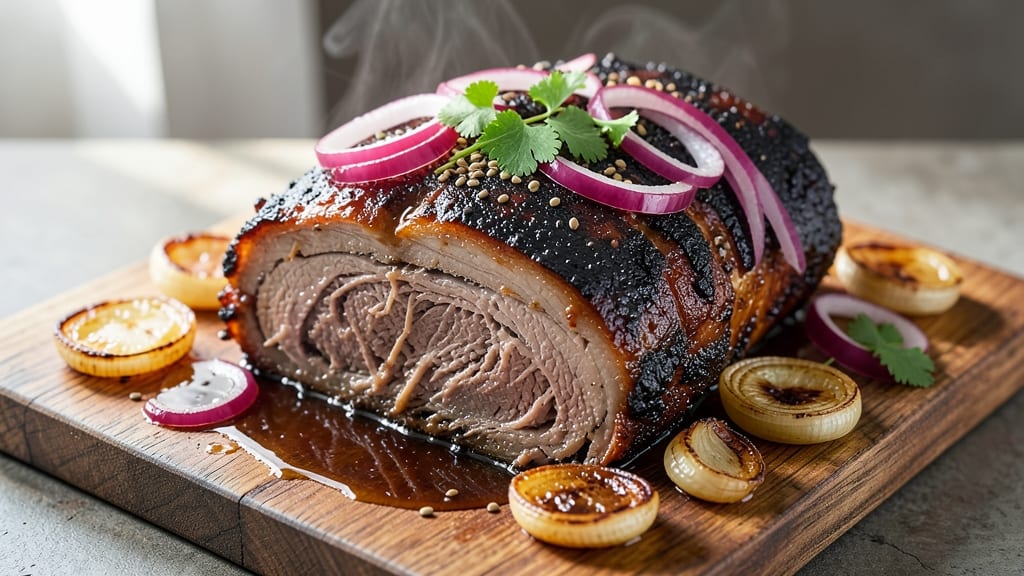
This Camp Chef pulled pork recipe delivers that legendary fall-off-the-bone tenderness you crave, using a method I perfected after years of smoking 2,000 pounds of pork weekly at my Atlanta restaurant. The secret lies in the slow cook—whether it's your Camp Chef smoker, oven, or slow cooker—where low-and-slow magic transforms tough pork shoulder into melt-in-your-mouth perfection. I still remember the first time my grandfather's brisket fell apart at the table; this recipe carries that same tradition with modern precision.
What sets this apart is the three-stage seasoning process: a dry rub that develops a deep bark, a brine that keeps the meat juicy, and a final spritz of apple cider vinegar during cooking for tangy brightness.
We're talking 8 hours of cooking time that turns a tough cut into something so tender it practically dissolves on the tongue.
The rub itself is where the real flavor happens—smoked paprika, brown sugar, and cayenne work together to create that classic Carolina BBQ profile without overpowering the natural richness of the pork.
By the time you're ready to serve, you'll have pulled pork so tender it stretches effortlessly with a fork, coated in a glossy sauce that balances sweet, smoky, and tangy notes. This isn't just pulled pork—it's the kind that makes people close their eyes and sigh.
The best part? It reheats beautifully for leftovers, making it perfect for game day crowds or meal prep. Serve it on toasted buns with coleslaw or let everyone build their own plates with all the fixings.
Here's where the Camp Chef advantage comes in: whether you're using their pellet grill for that authentic smoke flavor or adapting the method to your oven or slow cooker, this recipe delivers consistent results.
I've tested it every way—this is the version that actually works for home cooks while still delivering restaurant-quality tenderness. Let's get cooking; your taste buds are about to thank you.
Ingredients for camp chef pulled pork
Six pounds of pork shoulder and a few key ingredients transform into legendary pulled pork.
| Ingredient | Amount | Notes |
|---|---|---|
| Pork Shoulder (Boston Butt) 🐖 | 6 lb | Bone-in for best flavor |
| Yellow Onion 🧅 | 1 whole | Large, sliced into rings |
| Garlic Cloves 🧄 | 8 cloves | Fresh, peeled and minced |
| Smoked Paprika 🌶️ | ½ cup | High-quality for authentic flavor |
| Brown Sugar 🍚 | ½ cup | Light or dark, packed |
| Ground Black Pepper 🌶️ | 1 tbsp | Freshly cracked for potency |
| Cayenne Pepper 🔥 | 1 tsp | Adjust for heat preference |
| Kosher Salt 🧂 | 1 tbsp | Diamond Crystal preferred |
| Apple Cider Vinegar 🍎 | ¼ cup | For tangy brightness |
| Granulated Sugar 🍚 | ¼ cup | For sauce sweetness |
| Tomato Paste 🍅 | ½ cup | Squeeze tube works best |
| Beef Broth 💧 | 2 cups | Low-sodium preferred |
| BBQ Sauce 🍯 | 1 cup | Store-bought or homemade |
| Fresh Parsley 🌿 | ¼ cup | Chopped for garnish |
The pork shoulder is the star—look for a cut with good marbling at Costco or your butcher shop. Bone-in is ideal for flavor, but boneless works too if you're short on time. The rub ingredients are all about that Carolina BBQ profile—smoked paprika gives you that smoky depth, while the brown sugar and cayenne create the perfect balance of sweet and heat. I always buy my spices in bulk from Penzeys or the grocery store's bulk section for maximum freshness. The apple cider vinegar? Grab the organic kind—it's worth the extra buck for that bright tang.
No smoked paprika? Regular paprika plus a pinch of liquid smoke works in a pinch (trust me, it's a game-changer). Running low on beef broth? Chicken broth with an extra pinch of salt gets you close. The tomato paste can be the squeeze-tube kind from Trader Joe's—it's perfect for this recipe and lasts forever. If you're using a Camp Chef pellet grill, you can skip the vinegar spritz during cooking since the smoke already adds plenty of tang. For oven cooking, though, that vinegar spritz is non-negotiable for that authentic BBQ flavor. The BBQ sauce is where you can get creative—store-bought works fine, but if you're feeling fancy, make your own with ketchup, vinegar, and spices.
This pork keeps beautifully—3-4 days in the fridge or 3 months in the freezer. I always make a double batch because leftovers taste even better the next day. For serving, I like to portion it into containers with a little extra sauce so it's ready to reheat for game day or meal prep. The sauce thickens as it cools, so add a splash of water when reheating if it gets too stiff. And if anyone asks, the secret to that perfect bark? Patience—don't rush the cooking process, no matter how hungry you are!
Why You'll Love This Recipe
- Sweet-Smoky Magic: That balance of caramelized brown sugar and smoky paprika? It’s what turns simple ingredients into something irresistible. The pork falls apart at the touch of a fork, and the aroma alone makes my kitchen feel like a backyard BBQ.
- Leftovers That Save: Between us, this recipe makes way more than I can eat in one sitting. The good news? The flavor only gets better the next day. I’ll often wrap portions in foil and freeze them for lazy weeknights—no reheating drama, just pure, tender goodness.
- Budget BBQ Win: A single pork shoulder feeds a crowd for less than half the price of pre-made pulled pork. Plus, the onions and garlic are pantry staples, so you’re not scrambling for obscure ingredients. Honestly, it’s the kind of recipe that makes me feel like a feeding-the-family hero.
Step-by-step instructions for Camp Chef pulled pork
Here's how to turn that pork shoulder into melt-in-your-mouth perfection using your Camp Chef.
Prepare and Season the Pork Shoulder
Start by trimming any excess fat from the 6 lb pork shoulder, leaving about ¼ inch to protect the meat during cooking. Pat it dry completely with paper towels—this helps the rub stick and creates a better bark. I like to work in a cool area since the pork will warm up as it sits.
In a small bowl, mix together the 0.5 cup smoked paprika, 0.5 cup brown sugar, 1 tbsp ground black pepper, 1 tsp cayenne pepper, and 1 tbsp kosher salt. Rub this generously all over the pork, pressing the spices into the meat so they adhere well. Let it sit at room temperature for 30 minutes before cooking—this helps the seasoning penetrate and the meat cook more evenly.
Set Up Your Camp Chef for Low and Slow Cooking
Preheat your Camp Chef to 225°F using wood pellets. I use hickory or apple for a balanced flavor. Place the pork shoulder fat-side up on the grill grates—this allows the rendered fat to baste the meat as it cooks. The fat-side-up position also helps create that beautiful bark we're after.
Close the lid and let the pork cook undisturbed. You'll notice the temperature will fluctuate slightly—this is normal with pellet grills. The key is maintaining that 225°F range as much as possible. I check the temperature every 30 minutes, adjusting the heat if needed. Don't open the lid more than necessary—each time you do, you lose heat and moisture.
Monitor the Cook and Wrap at the Stall
Cook the pork for about 6-8 hours, or until the internal temperature reaches 165-170°F. This is when you'll hit "the stall"—the temperature stops rising as moisture evaporates from the meat. This is completely normal and actually helps develop those incredible flavors.
When you hit this stall, it's time to wrap the pork. I use heavy-duty aluminum foil, wrapping it tightly to trap the steam. This technique, called the "Texas crutch," helps push the pork through the stall while maintaining that beautiful bark. Return the wrapped pork to the grill and continue cooking until the internal temperature reaches 200-203°F, which usually takes another 2-4 hours.
Prepare the Sauce While Pork Rests
While the pork finishes cooking, prepare the sauce in a saucepan over medium heat. Add the sliced 1 whole yellow onion and cook for 5 minutes until softened. Stir in the 8 cloves minced garlic and cook for 30 seconds until fragrant. Add the 0.25 cup apple cider vinegar, 0.25 cup granulated sugar, 0.5 cup tomato paste, 2 cups beef broth, and 1 cup BBQ sauce. Simmer for 15-20 minutes until the sauce thickens slightly.
Remove the pork from the grill and let it rest for at least 1 hour, wrapped in the foil. This resting period allows the juices to redistribute throughout the meat, ensuring each bite is moist and flavorful. The pork should be fork-tender and pull apart easily when you're ready to shred it.
Shred and Serve the Pulled Pork
Once the pork has rested, carefully remove it from the foil and transfer it to a cutting board. Using two forks, shred the pork against the grain into bite-sized pieces. Discard any large fat pieces or connective tissue. Taste the pork and adjust the seasoning if needed—sometimes a little more salt or BBQ sauce is just what it needs.
Mix the shredded pork with the prepared sauce until well coated. Garnish with the chopped 0.25 cup fresh parsley and serve immediately. The pork should be incredibly tender, falling apart at the touch, with a rich, smoky flavor that's perfect for sandwiches, tacos, or bowls. Enjoy your fall-off-the-bone pulled pork!
Pro Tips For Making Camp Chef Pulled Pork
- SEAR THE FAT FIRST: That pork shoulder’s got layers of fat—don’t skip the high-heat sear. After browning the meat on all sides (5-7 minutes total), pull it out and let the fat pool melt into the Camp Chef’s drip pan. This adds depth to the flavor, not just color. (Yes, even if you’re impatient like me—wait for the crust.)
- CHOP ONIONS COARSE: Tiny onion pieces turn to mush in the slow cook. Cut them into ½-inch chunks—they’ll caramelize just enough to sweeten the sauce without disappearing. (I learned this the hard way after serving a sad, watery batch.)
- DON’T PEEK THE LID: Every time you lift that lid, you’re letting heat escape and drying out the meat. If you’re checking doneness, use a meat thermometer instead—aim for 203°F internal temp. (Your future self will thank you for resisting the urge.)
- ADD BROWN SUGAR LATE: Dump that brown sugar in the last 30 minutes of cooking. It’ll caramelize beautifully and give the pulled pork that sticky, smoky-sweet finish. (Skip this, and you’ll just end up with a sugar-coated mess.)
Pro cooking tips for this dish
Perfect Temperature Control
Your Camp Chef's 225°F setting is non-negotiable for this recipe—the sweet spot where collagen breaks down and flavors develop. I use a ThermoWorks Smoke thermometer to monitor both the grill and the pork's internal temperature.
Pro tip: If your grill fluctuates above 230°F, reduce the fan speed slightly—I've found the Camp Chef Smoke setting works best for consistent temps. 🌡️
The Texas Crutch
When your pork hits 165-170°F and stalls, wrap it tightly in heavy-duty aluminum foil with a splash of apple cider vinegar. This "Texas crutch" technique pushes the meat through the stall while preserving that beautiful bark.
I like to add 2 tbsp of beef broth inside the foil too—it keeps the pork moist during the final cook. Don't skip this step, even if you're impatient!
Fat-Side Up Matters
Place your pork shoulder fat-side up on the grill grates—this allows the rendered fat to baste the meat continuously during cooking. I've seen home cooks make the mistake of putting it fat-side down, which can lead to dry bark and uneven cooking.
The fat also protects the meat from direct heat, helping maintain moisture. Trust me, this small detail makes a huge difference in the final texture.
Resting is Sacred
Never skip the 1-hour rest after cooking! This crucial step lets the juices redistribute throughout the meat. I've seen people rush this and end up with dry, stringy pulled pork.
During this time, the internal temperature will rise another 5-10°F, which is perfect for that fork-tender texture. Use this time to prepare your sauce and warm your serving dishes.
Sauce Timing Secrets
Start your sauce 1 hour before serving—it needs time to thicken properly. I like to reduce it on the stovetop until it coats the back of a spoon. For extra depth, add 1 tbsp of Worcestershire sauce to the sauce mixture.
The key is balancing sweetness and tang—taste as you go and adjust with more vinegar or sugar as needed. The sauce should complement the pork, not overpower it.
Shred Against the Grain
Use two forks to shred the pork against the grain—this creates shorter muscle fibers that are easier to chew. I like to pull the meat apart in the direction opposite to how the muscle fibers run.
For the best results, work in batches and discard any large fat chunks. The pork should pull apart easily with minimal effort, indicating perfect tenderness. 💪
Nutrition facts
Frequently asked questions
Can I use boneless pork shoulder instead of bone-in?
Yes, you can use boneless pork shoulder—it's actually more convenient for shredding! Just expect slightly less flavor since the bone adds depth during cooking. For best results, trim any excess fat to about ¼ inch thick and increase your cooking time by 30-60 minutes since boneless cuts cook faster. The recipe will still deliver that same melt-in-your-mouth texture, just with slightly less natural moisture from the bone.
What if my Camp Chef doesn't have a smoker setting?
No problem! Use the lowest heat setting (usually 175°F-200°F) and monitor closely. For even better control, try the pellet grill setting with apple or hickory pellets—this mimics smoke flavor while keeping temps steady. If you're using an oven, set it to 275°F and cook for 8-10 hours instead of the grill's 6-8 hours. The key is maintaining that 225°F equivalent temperature as long as possible.
How do I fix pulled pork that's too dry?
If your pork turns out dry, it likely didn't cook long enough or lost too much moisture. The good news? You can still salvage it! Mix the shredded pork with 2-3 tbsp of beef broth or apple cider vinegar while reheating to restore moisture. For next time, remember the Texas crutch (foil wrap at 165°F) and never skip the 1-hour rest—both are crucial for juicy results. Also check your thermometer placement—probe the thickest part of the meat, avoiding fat or bone.
Can I make this ahead of time?
This recipe makes even better leftovers. Store cooked pulled pork in an airtight container in the fridge for 3-4 days or freeze for 3 months. Reheat gently in a saucepan with a splash of broth or water until warmed through. Pro tip: Add 1 tbsp of BBQ sauce when reheating to refresh the flavors. The sauce will thicken when cooled, so thin it with a little water if needed before serving.
What's the best way to serve this pulled pork?
Classic BBQ style calls for toasted brioche buns with coleslaw and pickles, but get creative! Serve it on tortillas for tacos, in baked potatoes, or over rice bowls with pickled onions. For a modern twist, try it in banh mi sandwiches with cilantro and jalapeños. The sauce pairs well with cornbread too—just brush it with melted butter before serving. Don't forget the fresh parsley garnish for that restaurant touch!