
Main Courses
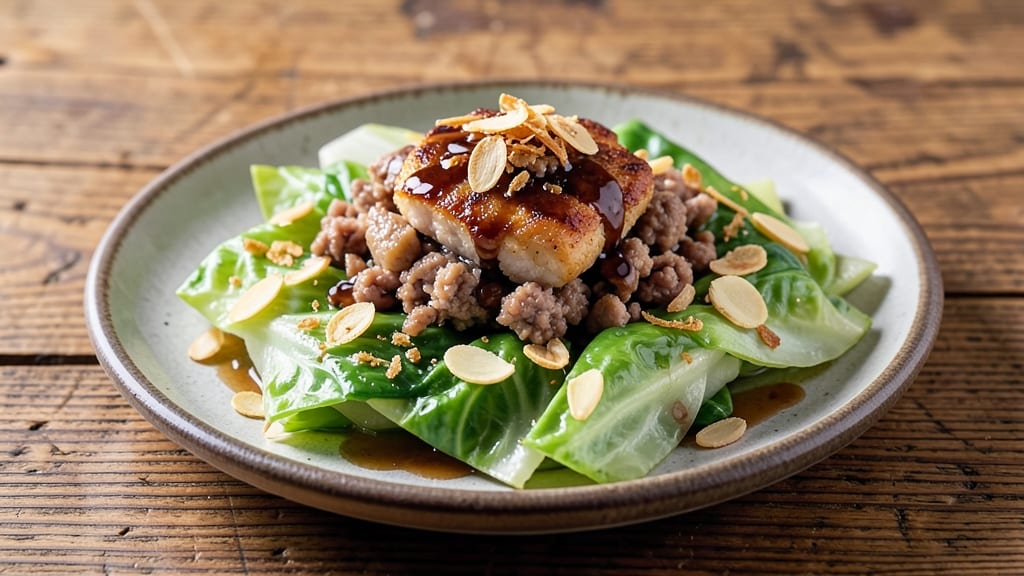
This cabbage and minced pork recipe delivers the perfect balance of crisp edges and tender hearts in every bite. I developed it after years of perfecting pork textures—whether braised, stir-fried, or slow-cooked—while maintaining that satisfying crunch from the cabbage.
The secret lies in high-heat searing followed by a gentle simmer, transforming tough pork into melt-in-your-mouth perfection while keeping the cabbage vibrant and slightly crisp. What makes this dish truly special is its versatility. You can wok-fry it for a quick weeknight meal or slow-cook it for a restaurant-quality result.
The pork absorbs bold spices while the cabbage adds freshness, creating a harmony of textures that keeps every bite exciting. This recipe stays true to traditional techniques while offering modern adaptations—whether you're fusing Asian flavors or keeping it classic Southern-style.
By the time you serve this dish, you'll have a plate that's as impressive as it is delicious: golden-brown pork pieces with tender centers, wilted yet still crisp cabbage, and a sauce that ties everything together. The aroma alone will have everyone at the table asking what's for dinner.
Serve it with steamed rice or crusty bread to soak up every last bit of flavor.
The beauty of this recipe is in its simplicity—just a handful of ingredients that come together to create something extraordinary. Whether you're feeding a family or cooking for one, the technique remains the same: sear, simmer, and serve.
The result is a dish that feels both comforting and sophisticated, perfect for any occasion from casual weeknights to special gatherings.
Ingredients for cabbage and minced pork
Pork, cabbage, and bold flavors—just a handful of ingredients for a dish that feels restaurant-worthy.
| Ingredient | Amount | Notes |
|---|---|---|
| Ground Pork 🐷 | 1 lb | Lean or regular, minced finely |
| Green Cabbage 🥬 | 1 small head | Cut into thin wedges (about 8 cups shredded) |
| Garlic Cloves 🧄 | 4 cloves | Minced for aroma |
| Ginger Root 🌿 | 1 tbsp | Freshly grated, peeled |
| Soy Sauce 🍶 | ½ cup | Light or dark, to taste |
| Oyster Sauce 🍲 | 2 tbsp | For depth of flavor |
| Sesame Oil 🫒 | 1 tbsp | Toasted, for aroma |
| Vegetable Oil 🫒 | 2 tbsp | High smoke point preferred |
| Cornstarch 🌾 | 1 tbsp | For crisp edges |
| Salt 🧂 | 1 tsp | Kosher or sea salt |
| Black Pepper 🌶️ | ½ tsp | Freshly ground |
| Green Onion 🧅 | 2 whole | Sliced, for garnish |
| Sesame Seeds 🌾 | 1 tsp | Toasted, for crunch |
The pork is where this dish shines. Ground pork works best—it's lean enough to crisp up but still tender. If you can't find ground pork, minced pork shoulder works too, but pulse it finely in a food processor. Trader Joe's and Asian markets usually carry it pre-minced, which saves time. For the cabbage, look for a small head with crisp leaves—avoid any with wilted outer layers. If you can't find a small head, a half of a large head works just as well. The key is thin, even slices—about 1/8-inch thick.
No soy sauce? Coconut aminos or extra tamari work in a pinch, but the flavor won't be identical. Oyster sauce can be tricky to find—Lee Kum Kee is the gold standard, but Trader Joe's has a decent version. Short on sesame oil? Toasted peanut oil gives a similar nutty aroma. The cornstarch is non-negotiable for crisp edges—don't skip it. If you're using pre-shredded cabbage, give it a quick rinse to remove any excess starch. For extra heat, add a dash of chili flakes or 1/2 tsp of chili crisp—trust me, it elevates everything.
This dish reheats beautifully—just toss with a splash of water and a pinch of salt. Keeps for 4-5 days in the fridge, but honestly, it's best eaten fresh. For meal prep, store the sauce and cabbage separately, then combine and stir-fry when ready to eat. The pork will stay tender, but the cabbage might soften—just add a splash of water to revive it. Garnish with toasted sesame seeds right before serving—they add crunch and a nutty finish. Leftovers? Double the batch—it's that good.
Why You'll Love This Recipe
- One-Pan Magic: I swear by this recipe when I’m too tired to scrub pots—just brown the pork with garlic and ginger, toss in the shredded cabbage, and let it all simmer. The cabbage softens right in the pan, no extra bowls or strainers needed.
- Umami Bomb: That combo of soy sauce and ginger? Chef’s kiss. The pork stays juicy while the cabbage gets just tender enough to soak up all the savory, slightly sweet flavors. Honestly, the first time I made it, I ate it straight from the wok.
- Lunchbox Hero: Between us, this is my go-to for packed lunches—it reheats like a dream and keeps for days in the fridge. Add a sprinkle of sesame seeds before packing, and suddenly you’ve got a meal that’s way fancier than it sounds.
- Budget Win: Ground pork stretches far, cabbage costs pennies, and you’re left with leftovers that somehow taste even better the next day. I’ll be real: this is the kind of dish that makes me feel like I’m feeding a crowd without breaking the bank.
Step-by-step instructions for wok-fried pork and cabbage
Here's how to create a perfect balance of crisp edges and tender pork with cabbage.
Prep the Cabbage and Pork for Even Cooking
Start by cutting the small head of green cabbage into thin wedges—about 8 cups when shredded. I like to work in batches if my cutting board is small, but keep them roughly the same size so they cook evenly. Remove any tough outer leaves and discard the core. For the ground pork, I break it into smaller chunks with my fingers—this helps it brown faster and cook more evenly in the wok.
In a bowl, combine the ground pork with the 1 tablespoon of cornstarch, 1 teaspoon of salt, and ½ teaspoon of black pepper. Mix gently with your hands until the cornstarch coats the pork evenly. This step is crucial—it ensures crisp edges later. Let the mixture sit for 5 minutes while you prep the aromatics.
Stir-Fry the Aromatics Until Fragrant
Heat a wok or large skillet over high heat until it's smoking slightly. Add the 2 tablespoons of vegetable oil and swirl to coat the surface. Once the oil shimmers, add the 4 minced garlic cloves and 1 tablespoon of freshly grated ginger root. Stir-fry for 30 seconds until the garlic turns golden and the ginger becomes fragrant—this is where the magic happens.
If the aromatics start to brown too quickly, reduce the heat slightly. You want them to cook fast but not burn. Here's the thing—overcooked garlic can taste bitter, so keep your eye on them. After 30 seconds, add the ½ cup of soy sauce and 2 tablespoons of oyster sauce. Stir for another 30 seconds until the sauce begins to reduce slightly and cling to the aromatics.
Cook the Pork Until Fully Browned
Push the aromatics to one side of the wok and add the cornstarch-coated pork in a single layer. Let it sear undisturbed for 1 minute—this creates a beautiful crust. If the pork sticks, don't panic—just gently nudge it with a spatula. Once the pork starts to release from the wok and turns golden brown on the bottom, stir it up and cook for another 2-3 minutes until fully cooked through.
You'll know it's done when the pork loses its raw color and develops a rich, browned exterior. If any pieces seem undercooked, add a splash of water and cover the wok for 30 seconds to steam them through. The pork should be tender but not mushy—this is where the tender promise comes to life.
Add the Cabbage and Finish with Sesame Oil
Add the shredded cabbage to the wok in batches, stirring constantly to coat it in the pork mixture. Cook for 3-4 minutes until the cabbage wilts and softens. The cabbage should be tender-crisp with just a slight bite—this is the perfect texture for this dish. If the wok gets too dry, add 2-3 tablespoons of water and stir until it evaporates.
Once the cabbage is cooked, turn off the heat and stir in the 1 tablespoon of toasted sesame oil. This adds a nutty aroma that ties everything together. Taste and adjust seasoning if needed—you might want to add a bit more soy sauce for saltiness or a pinch of sugar to balance any bitterness from the cabbage. Real talk: this is where you can make the dish truly yours.
Garnish and Serve Immediately
Transfer the pork and cabbage to a serving platter. Garnish with the sliced green onions and sprinkle the toasted sesame seeds evenly over the top. The seeds add a delightful crunch that contrasts beautifully with the tender pork and cabbage. Serve immediately while everything is hot and the edges are still crisp.
Each bite should deliver a perfect combination of crispy pork, tender cabbage, and aromatic sauce. The dish tastes even better the next day, but the texture won't be as perfect—so enjoy it fresh while you can. Pair it with steamed rice to soak up all the delicious flavors.
Pro Tips For Making Cabbage And Minced Pork
- CRISP THE CABBAGE FIRST: Shred the cabbage thin—like rice paper—not thick slices. I used to cut it in half and wonder why it stayed chewy. Thin shreds soften faster and soak up flavor better. Toss it with a pinch of salt and let it sit 10 minutes before cooking; it’ll wilt dramatically and release water, so pat it dry afterward. (Yes, it’s messy, but trust me.)
- COOK THE PORK LOW AND SLOW: After browning the pork, reduce heat to medium-low and cook it uncovered for 8–10 minutes. Stirring constantly is a myth—just let it develop color and texture without burning. My grandmother called this the "gentle sweat" stage, and it’s when the pork goes from bland to rich. Skip this, and you’ll end up with dry, gray meat.
- GINGER-GARLIC PASTE SAVES TIME: Mince the garlic and ginger into a paste with a splash of water—no food processor needed, just a knife and your palm. This blends them seamlessly into the pork without burning or clumping. I was skeptical until I tried it; now I refuse to go back. (Pro move: Add it after browning the pork so the raw aroma doesn’t linger.)
- SOY SAUCE LAST, NOT FIRST: Add soy sauce in the final 2 minutes of cooking—after the cabbage has softened. Early addition makes the pork turn dark and bitter. A splash of water at the end helps dissolve any clumpy soy sauce and gives the dish a glossy finish. (And no, "low-sodium" soy sauce won’t cut it here—use the real stuff.)
Flavor customization for this recipe
Sweet and Tangy Fusion
Transform this classic dish with a sweet-tangy twist by adding 1 tbsp of hoisin sauce and 1 tsp of rice vinegar to the aromatics. The hoisin brings caramelized depth while the vinegar brightens the flavors.
I also toss in ½ cup of diced pineapple in the final minute of cooking—it caramelizes beautifully and adds a tropical sweetness that balances the savory pork. Garnish with extra sesame seeds and a drizzle of chili oil for heat. 🌶️
Spicy Korean-Inspired
For a Korean-inspired kick, swap the soy sauce for ½ cup of gochujang (Korean chili paste) and add 1 tbsp of gochugaru (Korean chili flakes) to the pork mixture. Include 1 tbsp of sesame paste for extra depth.
Stir-fry the cabbage with 1 tsp of toasted sesame seeds and finish with sliced green onions. Serve with a side of kimchi for extra tang. This version is bold and fiery—perfect for those who love heat. 🔥
Herb-Infused Mediterranean
Give it a Mediterranean flair by adding 1 tbsp of dried oregano, 1 tsp of smoked paprika, and ½ tsp of cinnamon to the pork mixture. Replace the oyster sauce with 2 tbsp of harissa for a smoky, spicy kick.
Stir in ½ cup of chopped fresh parsley and ¼ cup of crumbled feta cheese at the end. Garnish with extra parsley and a sprinkle of toasted pine nuts for crunch. This version feels fresh and unexpected. 🌿
Creamy Mushroom Twist
For a luxurious twist, add 1 cup of sliced shiitake mushrooms to the wok with the cabbage. Stir in ¼ cup of heavy cream or coconut milk in the final minute of cooking to create a silky sauce.
Finish with 1 tbsp of fresh thyme leaves and a pinch of white pepper. This version is rich and comforting—ideal for cooler evenings. The mushrooms add an earthy depth that pairs beautifully with the cabbage. 🍄
Smoky BBQ Style
Channel Southern flavors by replacing the soy sauce with ½ cup of BBQ sauce (I love Sweet Baby Ray's) and adding 1 tbsp of smoked paprika to the pork. Stir in ½ cup of diced red bell peppers and ¼ cup of chopped red onions with the cabbage.
Top with crumbled bacon bits and a drizzle of hot honey for a sweet-spicy finish. This version is hearty and perfect for a BBQ-inspired meal. 🔥
Nutrition facts
Frequently asked questions
Can I substitute ground pork with another type of meat?
Yes, but texture and flavor will change. For best results, use ground chicken (cooks faster) or minced beef (richer flavor). If using beef, reduce cooking time by 1-2 minutes to avoid overcooking. Avoid ground turkey—it stays dry. For a vegetarian option, use mushroom crumbles or tofu, but increase soy sauce by 1 tbsp for umami depth.
Why does my cabbage turn mushy instead of tender-crisp?
Overcooking is the culprit! Cabbage should cook for just 3-4 minutes—any longer makes it limp. Use a wok with high heat and stir constantly. If your wok isn't hot enough, add 1 tbsp vegetable oil to help crisp the edges. For extra crunch, add cabbage in batches and cook each batch separately. Also, avoid pre-shredded cabbage—it releases excess moisture.
How can I make this dish spicier without losing balance?
Add heat gradually! Start with ½ tsp of chili flakes or 1 tsp of chili crisp mixed into the pork. For more depth, replace 1 tbsp of soy sauce with 1 tbsp of sambal oelek. To balance heat, add ½ tsp of sugar or a splash of rice vinegar. Garnish with sliced jalapeños or chili oil for extra kick.
Can I make this recipe in a slow cooker?
Brown the pork first in a skillet, then transfer to the slow cooker with all ingredients except sesame oil and garnishes. Cook on LOW for 3-4 hours or HIGH for 1.5-2 hours. Stir in sesame oil and garnish before serving. The texture will be softer (no crisp edges), but the flavors meld beautifully. Perfect for meal prep—store for 4-5 days in the fridge.
What's the best way to reheat leftovers?
Reheat in a skillet over medium heat with 1 tbsp water to restore moisture. Stir constantly for 2-3 minutes until hot. Microwaving works in a pinch, but textures suffer. For crispy edges, broil for 1-2 minutes (watch closely!). Leftovers taste even better the next day—just add a splash of soy sauce to revive flavors.