
Main Courses
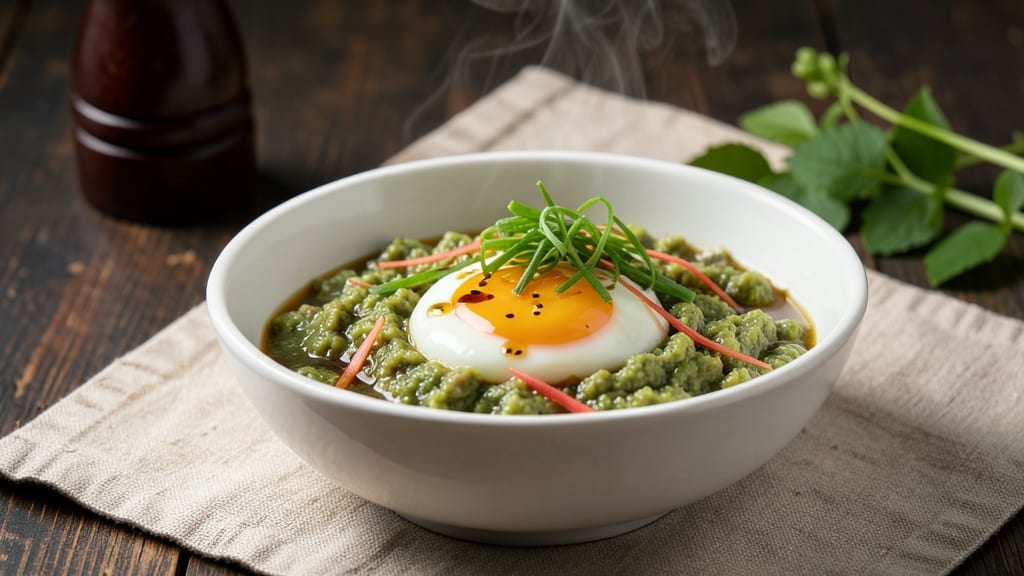
This Chinese steamed egg and minced pork recipe delivers the perfect balance of silky custard and savory bites you crave for breakfast or brunch. 💛 The dish transforms simple ingredients into a restaurant-quality meal with minimal effort, making it a staple in Chinese households.
The secret lies in properly preparing the egg and pork mixture before steaming, ensuring tender yet firm textures that hold together beautifully.
The beauty of this recipe is its versatility—it's equally at home as a comforting weeknight meal or an impressive dish for guests. Minced pork adds rich, savory depth while the egg custard provides a delicate, slightly chewy texture that pairs perfectly.
Aromatics like ginger and scallions infuse subtle warmth, creating layers of flavor that make every bite satisfying.
By the time you serve it, you'll have a dish that's tender yet substantial, with a delicate balance of flavors that's both comforting and elegant. The silky egg custard and savory pork create a harmonious bite that's impossible to resist.
This recipe is your gateway to authentic Chinese breakfast flavors without the fuss.
Perfect for meal prep or serving fresh, this dish keeps well for up to two days in the refrigerator, making it ideal for busy mornings. Whether you're a seasoned home cook or just starting out, this recipe delivers professional results with simple techniques. Let's get started!
Ingredients for chinese steamed egg minced pork
Six eggs and a pound of pork transform into restaurant-quality steamed custard with savory pork bites.
| Ingredient | Amount | Notes |
|---|---|---|
| Large Eggs 🥚 | 6 whole | Room temperature preferred |
| Ground Pork 🐖 | 1 lb | Finely minced, lean preferred |
| Fresh Ginger 🧄 | 1 ½ tbsp | Finely grated, peeled |
| Green Onions 🧅 | 4 whole | Scallions, white and green parts |
| Soy Sauce 🍶 | 2 tbsp | Light or all-purpose |
| Sesame Oil 🫒 | 1 tbsp | Toasted, for aroma |
| Vegetable Oil 🫒 | 1 tbsp | For stir-frying pork |
| Salt 🧂 | ½ tsp | Adjust to taste |
| White Pepper 🌶️ | ¼ tsp | Freshly ground |
| Cornstarch 🌾 | 1 tbsp | For binding |
| Water 💧 | ¼ cup | Room temperature |
| Bamboo Steamer 🍜 | 1 whole | Or metal steamer basket |
The eggs are the foundation—room temperature means they blend smoother. Store-brand eggs work just fine, but organic or free-range add subtle richness. For the pork, ground chuck gives better texture than lean pork—look for pre-minced pork at Asian markets or pulse your own in a food processor. Fresh ginger and scallions are non-negotiable here; the bright, zesty notes cut through the richness. Trader Joe's carries pre-grated ginger if you're short on time, but fresh is always better. The soy sauce should be light—dark soy adds color but overpowers the delicate flavors.
No sesame oil? Toasted peanut oil at half the amount works in a pinch, though it lacks the nutty depth. Substituting pork? Ground chicken or turkey changes the texture slightly but keeps the method identical. The cornstarch is key for binding—arrowroot powder works too, but cornstarch is more accessible. If your scallions are too strong, use just the white parts for milder flavor. For extra richness, add 1 tbsp coconut milk to the egg mixture, but don't skip the sesame oil entirely—it's the aroma that makes this dish sing.
Prep the steamer ahead: line with parchment paper for easy removal, or use a metal basket that fits your pot snugly. The egg mixture keeps 2 hours at room temperature before steaming, but work quickly once mixed. Leftover steamed eggs reheat beautifully—microwave 30 seconds with a splash of water for that same tender texture. Store in an airtight container for up to 2 days in the fridge, though they're best enjoyed fresh. For meal prep, portion into individual ramekins before steaming—makes grabbing breakfast effortless.
Why You'll Love This Recipe
- No-Chop Necessary: I swear by this one—just mix, steam, and walk away. The pork and eggs go together in minutes, and the ginger and green onions add freshness without requiring a knife. Honestly, I make this on nights when I’d rather scroll than sauté.
- Umami Bomb: That soy sauce and ginger combo? Pure flavor magic. The eggs stay tender while the pork develops a subtle char, and the green onions add a bright finish. It’s the kind of dish where every bite feels like a little reward.
- Lunchbox Hero: Between us, this is my go-to for meal prep. It reheats beautifully, stays moist, and even tastes better the next day. Pack it in bento boxes or wrap it in lettuce—my kids beg for it by Wednesday.
- Pocketbook Friendly: Ground pork and eggs stretch far, and the pantry staples (soy sauce, ginger) mean no extra shopping. I’ve fed four people for under $10 with this, and it’s still the most satisfying meal in the fridge. Budget win.
Step-by-step instructions for steamed egg and pork
Master this classic Chinese dish with perfectly silky eggs and tender pork bites.
🍳 Step 1: Prepare the Pork Filling
Heat the 1 tablespoon vegetable oil in a non-stick skillet over medium-high heat. Add the 1 lb ground pork and cook, stirring constantly, until the pork loses its raw color and becomes light golden brown—about 3-4 minutes. This ensures the pork is fully cooked and develops flavor without drying out.
Push the cooked pork to one side of the pan and add the 1.5 tbsp finely grated fresh ginger and white parts of 2 whole green onions (chopped). Stir for 30 seconds until fragrant. Return the pork to the center and mix well. Add 2 tbsp soy sauce, 0.5 tsp salt, and 0.25 tsp white pepper, stirring until evenly combined. Remove from heat and let cool for 5 minutes—this prevents the eggs from curdling when mixed.
👨🍳 Step 2: Create the Egg Mixture
In a large bowl, gently whisk together the 6 whole large eggs until the yolks and whites are fully combined but still slightly frothy. Add the 1 tbsp cornstarch and whisk again until smooth—this creates a silky texture when steamed. Gradually pour in the 0.25 cup room-temperature water while whisking continuously to prevent lumps.
Carefully fold in the cooled pork mixture using a spatula, being gentle to maintain air pockets. The batter should be thick but pourable. Divide the mixture evenly into 4 portions (about ½ cup each) and shape into 4-inch rounds on a plate. Cover with plastic wrap and refrigerate for 15 minutes—this helps the eggs set more evenly during steaming.
🔥 Step 3: Set Up the Steamer
Fill the bamboo steamer with 3-4 inches of water and bring to a rolling boil over medium-high heat. Place the steamer on the heat source and let the steam rise for 2-3 minutes to preheat. Arrange a heatproof plate or tray on top of the steamer—this prevents the egg rounds from sticking when they rise.
Transfer the chilled egg rounds to the steamer plate, spacing them 1 inch apart. Cover the steamer with a tight-fitting lid and steam for 12-14 minutes. You'll know they're ready when the tops are slightly puffed and the edges begin to set but remain jiggly in the center—this indicates perfect doneness. Avoid opening the lid early, as escaping steam can cause uneven cooking.
🥘 Step 4: Garnish and Serve
Remove the steamer from heat and let the egg rounds rest for 2 minutes before carefully transferring them to a serving plate. Drizzle each with 1 teaspoon sesame oil and top with the green parts of 2 whole green onions (chopped into ½-inch pieces). The sesame oil adds a nutty aroma that complements the silky eggs and savory pork.
Serve immediately while still warm. The texture should be creamy yet firm, with the pork bites peeking through the custard. Pair with steamed jasmine rice and a side of pickled vegetables for a complete meal. Leftovers can be refrigerated for 2 days but are best enjoyed fresh for optimal texture.
Pro Tips For Making Chinese Steamed Egg Minced Pork
- Prep Pork Right: Break the ground pork into pea-sized pieces—no bigger, or they’ll steam unevenly and stay tough. I learned this the hard way when my first batch turned out chewy; smaller pieces cook faster and absorb the egg mixture better.
- Whisk Eggs Like a Pro: Beat the eggs until they’re frothy but not stiff—just enough to hold shape when steamed. Overbeating adds air, which can make the egg curdle during steaming. My grandmother swore by this, and she was right: consistency matters more than volume.
- Salt the Water: Add a teaspoon of salt to the steaming water—it keeps the egg from absorbing excess moisture and turning watery. Skip this, and your steamed egg will taste bland and soggy, no matter how good the rest of the dish is.
- Layer Slowly: Spread the pork-egg mixture in the steamer in one even layer—don’t pile it high. Thick spots steam unevenly, leaving some parts raw while others dry out. I was skeptical until I tried it: a flat, thin layer guarantees perfect doneness every time.
Regional styles of this recipe
Cantonese Home Style
This is the classic version you'll find in Cantonese households across Hong Kong and Southern China. The key here is the light touch when folding the pork into the egg mixture—overmixing creates dense, rubbery texture.
I've seen home cooks use less water (¼ cup) in this style for a firmer custard, but the 12-minute steam time remains critical for that signature silky center. 🥚
Shanghai Silky Texture
Shanghai chefs take this dish to another level by incorporating 1 tbsp coconut milk into the egg mixture for extra richness. They also steam the rounds in individual ramekins lined with parchment paper, creating a cleaner presentation.
The pork mixture gets an extra ½ tsp sugar to balance the savory notes, and the final garnish includes crispy fried shallots for contrast. This version is often served at dim sum restaurants.
Hong Kong Street Food
For a quick, portable version, Hong Kong street vendors use smaller portions (about 3-inch rounds) and steam them in bamboo baskets over boiling water.
The egg mixture includes 1 tsp Shaoxing wine for depth, and they serve it wrapped in steamed rice paper with a side of sweet chili sauce. This version is perfect for breakfast on the go—just be sure to steam for only 10-11 minutes to maintain that ultra-tender texture.
Taiwanese Breakfast Twist
In Taiwan, this dish often gets a sweet-savory balance with an extra ½ tsp sugar in the pork mixture and a drizzle of black vinegar after steaming. Taiwanese cooks also love adding shredded napa cabbage (about ¼ cup) to the pork filling for crunch.
The steaming time extends to 15 minutes for a slightly firmer bite, making it heartier for breakfast. Garnish with toasted sesame seeds for extra texture.
Modern Fusion Adaptation
For a contemporary twist, I've experimented with adding finely chopped mushrooms (about ¼ cup shiitake) to the pork mixture and a splash of fish sauce (about ½ tsp) for umami depth. The egg mixture gets a pinch of white pepper to complement the earthy mushrooms.
Steam time remains 12-14 minutes, but the texture becomes slightly denser—perfect for a brunch dish with a gourmet touch. 🌶️
Nutrition facts
Frequently asked questions
Why does my steamed egg mixture turn rubbery?
Overmixing the egg batter or steaming too long are the most common causes. The mixture should be gently folded, not whisked vigorously, and steamed for exactly 12-14 minutes—no longer. Also ensure your eggs are at room temperature before mixing, and use cornstarch (not flour) for binding. The center should remain slightly jiggly when done.
Can I make this recipe without a bamboo steamer?
Use a metal steamer basket that fits inside a pot with 2-3 inches of boiling water. Place a heatproof plate on top of the basket to prevent sticking. For even cooking, arrange the egg rounds 1 inch apart and cover tightly. If you don't have a steamer at all, a microwave-safe dish with a damp paper towel over the top works in a pinch (8-10 minutes on high).
How do I store and reheat leftovers?
Store in an airtight container in the fridge for up to 2 days. To reheat, place the rounds on a microwave-safe plate with a damp paper towel over them and heat for 20-30 seconds. For oven reheating, cover with foil and bake at 300°F for 10 minutes. Never microwave uncovered—they'll dry out. The texture won't be as silky as fresh, but it's still delicious!
What's the secret to getting the perfect silky texture?
The magic is in the cornstarch and proper steaming technique. The cornstarch creates a delicate binder, while the 15-minute chilling before steaming helps the eggs set evenly. Steam over medium-high heat with a tight lid—don't peek! The steam should be gentle but consistent. For extra silkiness, add 1 tbsp coconut milk to the egg mixture (like in Shanghai-style versions).
Can I add other ingredients like mushrooms or tofu?
Yes! For a heartier version, try adding ¼ cup finely chopped shiitake mushrooms to the pork mixture or ½ cup crumbled tofu (drained well) to the egg batter. If using mushrooms, sauté them with the pork until soft. For tofu, fold it in gently at the end to avoid breaking the egg structure. Just reduce the water slightly (¼ cup) if adding extra moisture-heavy ingredients.