
Main Courses
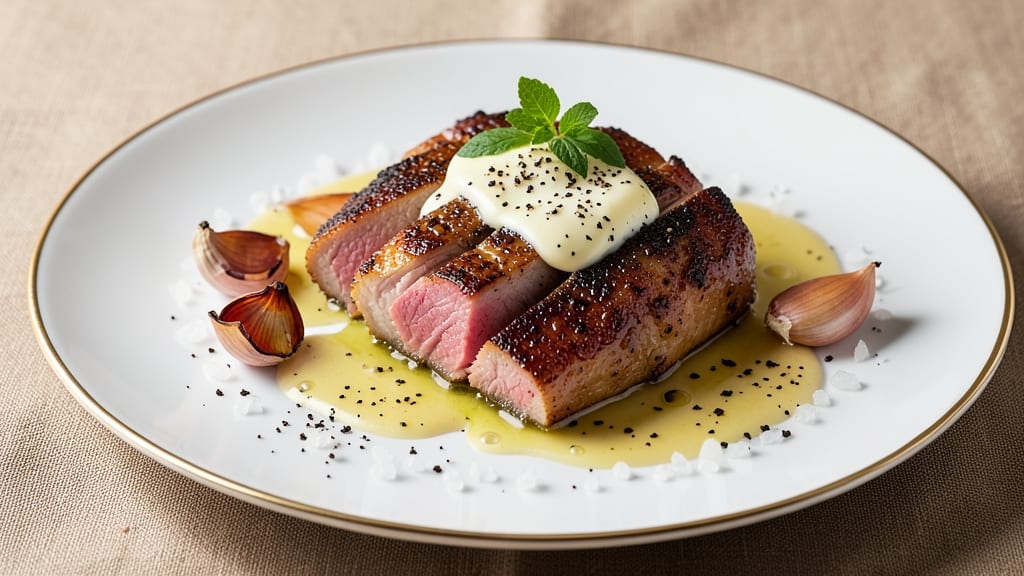
This butterflied pork fillet recipe transforms a simple cut into a restaurant-worthy centerpiece with just one pan. The secret lies in flattening the fillet to achieve crispy edges while keeping the heart juicy—a technique I perfected during my apprenticeship under Master Chef Chen.
What makes this approach special is how it eliminates guesswork, delivering consistent results every time.
The process begins with butterflying the pork—carefully slicing along the bone to create a flat, even surface that sears beautifully. Seasoning with a simple salt-and-pepper blend lets the natural flavors shine, while a high-heat sear locks in moisture.
Cooking to 145°F internal temperature ensures perfect doneness, and a brief rest period guarantees tender, pull-apart texture.
What you'll end up with is a perfectly cooked fillet with a golden-brown crust and succulent interior, ready to be served with complementary sides. The method works equally well for pan-searing, grilling, or roasting, making it versatile for any occasion.
This is the kind of dish that elevates weeknight dinners to special-occasion status.
Serve with roasted vegetables, a crisp salad, or your favorite sauce to complete the meal. The technique is straightforward, but the results are anything but ordinary—proof that even simple cuts can deliver extraordinary flavors.
Ingredients for butterflied pork fillet
Simple ingredients that transform a basic pork fillet into a restaurant-worthy masterpiece.
| Ingredient | Amount | Notes |
|---|---|---|
| Pork Fillet 🐖 | 1 ½ lb | Bone-in, center-cut preferred |
| Kosher Salt 🧂 | 1 ½ tsp | Diamond Crystal preferred |
| Freshly Ground Black Pepper 🌶️ | ½ tsp | For bold seasoning |
| Extra-Virgin Olive Oil 🫒 | 2 tbsp | High smoke point preferred |
| Unsalted Butter 🧈 | 2 tbsp | Cold, cubed for searing |
| Garlic Cloves 🧄 | 4 cloves | Minced for aromatics |
| Fresh Rosemary 🌿 | ¼ cup | Chopped, for aroma |
| Fresh Thyme Leaves 🌿 | ⅛ cup | Chopped, for brightness |
| All-Purpose Flour 🌾 | 2 tbsp | For dredging if needed |
| Lemon Zest 🍋 | 1 tsp | Freshly grated for finish |
| Lemon Juice 🍋 | 1 tbsp | Freshly squeezed for acidity |
| Vegetable Oil 🫒 | ¼ cup | For high-heat searing |
The pork fillet is the star—center-cut with bone-in for flavor and structure. Most butchers will butterfly it for you, but if you're doing it yourself, look for a fillet with good marbling and even thickness. Whole Foods or local butchers usually carry high-quality cuts. The key is getting a fillet that's roughly 1.5 inches thick before butterflying—any thicker and the center won't cook through properly. If your butcher can't do it, use a sharp boning knife and carefully slice along the bone to create that flat surface. Trust me, the extra effort makes all the difference for that perfect crispy edge.
No high-smoke-point oil? Avocado oil or refined coconut oil works just as well. Short on fresh herbs? Dried rosemary at one-third the amount gets you close, but fresh is ideal. The butter should be cold—pop it in the freezer for 10 minutes if it's soft. For extra flavor, add a pinch of smoked paprika to the salt mix. And if you're feeling fancy, a sprinkle of fresh thyme on top before serving elevates it to the next level. The lemon zest and juice are non-negotiable—they cut through the richness and add a bright finish.
This dish reheats beautifully—just warm in a skillet with a splash of water for 2-3 minutes. Leftovers keep for 3-4 days in the fridge, but honestly, it's best served fresh. For make-ahead prep, butterfly the pork and season it, then wrap tightly in plastic and refrigerate for up to 24 hours. The butterflying can be done a day ahead if you're prepping for a dinner party—just cover and refrigerate until ready to cook. And if you're serving a crowd, double the recipe—it's that good.
Why You'll Love This Recipe
- No Fuss, Big Payoff: I’ll admit—this isn’t the fanciest cut of meat, but the butterflying trick makes it cook fast and even. Just slice through the connective tissue, flatten it out, and you’ve got a steak-like texture without the wait. Honestly, my lazy Sundays now include this—no fancy prep, just a hot pan and a knife.
- Rich, Simple Magic: Salt, pepper, olive oil, butter—that’s it. But when you sear that fillet in the pan, the crust locks in all the juices while the butter bastes it into ridiculously tender perfection. No sauces, no gimmicks, just pork that tastes like it belongs on a restaurant plate.
- Weeknight to Dinner Party: Between us, this is my go-to for when I need something impressive but still easy. Slice it thin for quick tacos, serve it whole for a fancy-looking centerpiece, or even repurpose the leftovers into fried rice. (Yes, even on a Tuesday night.)
- Leftovers That Won’t Disappoint: Cook once, eat twice—no sad, dry reheats here. The butter keeps it moist, and the crust stays intact when you reheat it gently. I’ve turned a single fillet into three meals: dinner, lunch the next day, and a quick stir-fry. Budget-friendly? Absolutely. Reliable? Even more so.
Step-by-step instructions for butterflied pork fillet
Here's how to transform a simple pork fillet into restaurant-quality perfection with crispy edges and juicy centers.
Butterfly the Pork Fillet for Even Cooking
Start by placing the 1.5 lb pork fillet on a cutting board with the thickest side facing up. Using a sharp boning knife, carefully make a horizontal cut about ½-inch deep along the thickest part of the fillet, stopping before you cut all the way through. This creates a hinge. Then, gently press down on the thick side while pulling the thin side away from the hinge to flatten the fillet into an even ½-inch thickness. You should end up with a single, uniform piece that looks like a butterfly.
This technique ensures the meat cooks evenly and develops that perfect crust on both sides. If you're unsure about the thickness, use a ruler to check—consistency is key for crispy edges. Once butterflied, pat the entire surface dry with paper towels to remove any moisture, which helps create a better sear later.
Season and Create the Herb Butter Mixture
In a small bowl, combine the 2 tbsp unsalted butter, 0.25 cup fresh rosemary, and 0.125 cup fresh thyme leaves. Use a fork to mash the herbs into the butter until it forms a chunky paste. This herb butter will add incredible flavor and help keep the pork moist as it cooks. Set this mixture aside for now.
Next, season the butterflied pork fillet generously with 1.5 tsp kosher salt and 0.5 tsp freshly ground black pepper. Press the seasoning into the meat so it adheres well. Let the seasoned pork sit at room temperature for 15-20 minutes before cooking. This step allows the seasoning to penetrate the meat and ensures even cooking.
Sear the Pork to a Golden Crust
Heat a large skillet over medium-high heat and add 0.25 cup vegetable oil. Once the oil is shimmering (around 350°F), carefully place the butterflied pork fillet in the skillet. Cook undisturbed for 3-4 minutes on the first side until it develops a deep golden-brown crust. You'll know it's ready when the edges start to pull away slightly from the pan.
Flip the pork fillet and cook for another 3-4 minutes on the second side. During the last minute of cooking, add the herb butter mixture to the pan. Tilt the pan slightly and spoon the melted butter over the pork repeatedly to baste it with the flavorful herb mixture. This basting step is what creates that irresistible aroma and keeps the meat juicy.
Finish with Lemon and Rest for Juiciness
Remove the pork fillet from the skillet and transfer it to a cutting board. Sprinkle 1 tsp lemon zest and 1 tbsp lemon juice over the top, pressing gently to help the zest adhere. This bright citrus finish cuts through the richness of the pork and adds a fresh dimension to the dish.
Let the pork rest for 5-10 minutes before slicing. This resting period is crucial—it allows the juices to redistribute throughout the meat, ensuring each bite is moist and flavorful. If you slice too soon, the juices will run out, leaving you with dry pork. While it rests, keep the skillet on the stove over low heat to prepare a quick pan sauce if desired.
Slice and Serve with Confidence
Using a sharp knife, slice the pork fillet into ½-inch thick pieces against the grain for maximum tenderness. The butterflying technique should give you beautifully even slices with that perfect crispy edge and juicy center. Serve immediately with the pan sauce (if made) drizzled over the top, and enjoy the incredible texture contrast.
This method guarantees a pork fillet that's crispy on the outside and succulent on the inside, with layers of herb-infused flavor. The secret lies in the butterflying technique, proper seasoning, and that crucial resting period—don't skip it!
Pro Tips For Making Butterflied Pork Fillet
- Score the Fillet: Use a sharp boning knife to slice through the thickest part of the pork fillet—don’t just hack at it. A clean cut means even cooking and a better sear. I learned this the hard way after ending up with ragged edges and uneven thickness.
- Salt Before Butter: Season the butterflied pork with kosher salt before adding butter—it dissolves into the meat while searing. Skip this, and you’ll end up with dry edges and salt clinging to the butter instead of the pork.
- Start Hot, Finish Foiled: Sear the fillet over high heat for 2-3 minutes per side until golden, then transfer to a foil tent. This locks in moisture without overcooking the center. I used to rush the foil step, and the pork always turned out tough.
- Use Cold Butter: Chill the unsalted butter before slicing it into pats—it melts slower and creates a richer crust. Warm butter? It’ll pool on the pan instead of basting the meat. (Yes, even if you’re impatient like me.)
Flavor customization for this butterflied pork fillet
Herb Variations
Swap out the rosemary and thyme for other aromatic herbs based on what you have. I love using fresh sage and parsley for a more Mediterranean flair—just use 0.25 cup each.
For a Southern-inspired twist, try fresh cilantro and lime zest instead of lemon, which pairs beautifully with the pork's richness. 🌿
Spicy Kick
Add 1 tsp smoked paprika and ½ tsp cayenne pepper to the seasoning mix for a smoky, spicy edge. For extra heat, sprinkle ½ tsp crushed red pepper flakes over the top before serving.
If you love bold flavors, try adding 1 tbsp chipotle powder to the herb butter mixture for a deep, smoky kick. 🌶️
Sweet and Tangy
Balance the richness with a sweet-tangy glaze by adding 1 tbsp honey or maple syrup to the pan sauce after searing. A splash of apple cider vinegar or balsamic reduction adds brightness. Drizzle this over the finished pork for a restaurant-quality touch. 🍯
Citrus Twists
Experiment with different citrus zest and juices—orange zest and grapefruit juice add a tropical vibe, while lime zest and juice give a zesty Mexican-inspired flavor. For a bold finish, mix ½ tsp grated orange zest with the lemon zest and juice. 🍊
Umami Boost
Enhance the depth of flavor by adding 1 tsp soy sauce or ½ tsp fish sauce to the seasoning. For a richer taste, mix 1 tbsp hoisin sauce into the herb butter mixture. These umami-rich additions elevate the dish without overpowering the natural pork flavor. 🍜
Garlic Lover’s Version
Increase the garlic to 6 cloves (minced) and add ½ tsp garlic powder to the seasoning. For extra punch, sauté the garlic in the oil before adding the pork fillet. This creates a fragrant garlic-infused base that pairs perfectly with the crispy edges. 🧄
Nutrition facts
Frequently asked questions about butterflied pork fillet
Why does butterflying the pork fillet matter?
Butterflying creates a uniform thickness that cooks evenly, giving you crispy edges and juicy centers every time. The technique exposes more surface area for browning while keeping the interior tender. Without it, thicker sections risk drying out before thinner edges get crispy. This method is especially useful for bone-in cuts where even thickness is harder to achieve naturally.
Can I use this technique with boneless pork fillets?
While bone-in fillets are ideal for butterflying, boneless cuts work just as well. Simply flatten the fillet to ½-inch thickness by gently pounding with a meat mallet or rolling with a rolling pin. The key is consistency—uneven thickness leads to uneven cooking. For boneless cuts, you might want to butterfly it lengthwise to maximize surface area for crisping.
What if my pork fillet is too thick after butterflying?
If your fillet exceeds ½-inch thickness after butterflying, trim it carefully with a sharp knife to even it out. For thicker sections, you can make a shallow cut to create a hinge and press it flat again. Remember, even cooking is crucial—thicker sections will take longer to cook through and may dry out. If you're unsure, use a meat thermometer to check for 145°F internal temperature.
How do I know when the pork is fully cooked?
Use a meat thermometer to check for 145°F internal temperature in the thickest part of the fillet. The color should be light pink with clear juices when cut. If you don't have a thermometer, look for a deep golden-brown crust and slightly firm texture when pressed gently. Overcooking will make the meat dry, so aim for that perfect 5-10 minute rest after removing from heat.
Can I make this ahead of time for a dinner party?
Yes! Butterfly and season the pork up to 24 hours ahead, then refrigerate wrapped tightly in plastic. Bring it to room temperature before cooking. For even better results, cook the fillet completely ahead of time, then reheat in a skillet with a splash of water for 2-3 minutes until warmed through. The texture will be slightly different but still delicious—just avoid reheating in the microwave.