
Main Courses
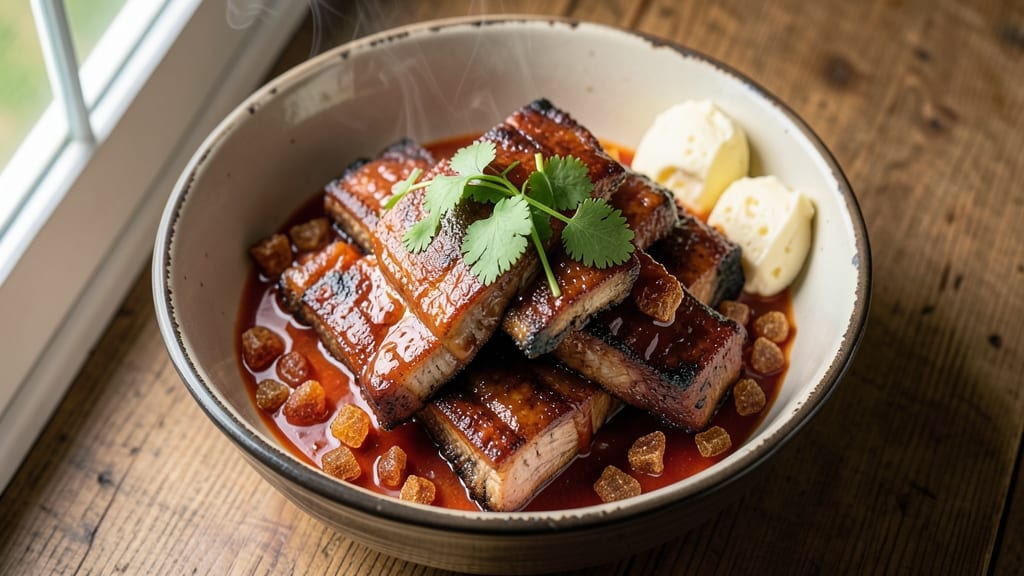
This buffalo pork ribs recipe delivers restaurant-quality heat without the mess—tender meat that falls off the bone, coated in a sticky-sweet glaze that balances spicy kick with caramelized depth. I perfected this method after years of competing on the Southeast BBQ circuit, where judges demanded both flavor and precision.
The secret? A dry rub that tenderizes while searing, followed by a slow-smoked base before the buffalo sauce gets its chance to shine.
What sets these ribs apart is the two-stage cooking process: first, a dry rub of brown sugar, paprika, and salt that creates a flavorful bark, then a low-and-slow smoke that renders fat and melts collagen into juicy perfection.
Only after that do we introduce the buffalo sauce—hot, tangy, and thick enough to cling—brushed on at the very end to lock in moisture and create that signature glossy finish. No watery sauces here; every bite delivers concentrated flavor.
The result is ribs with crisp edges, tender meat, and a glaze so rich it practically drips off your fingers. The heat builds gradually, so you get a balanced spice—enough to satisfy cravings without overwhelming.
This isn’t just another BBQ recipe; it’s a foolproof method that works whether you’re smoking over hickory or grilling on a backyard setup. The sauce? Homemade, with a touch of honey to cut the heat and brown sugar to deepen the caramel notes.
Serve with classic sides like cooling ranch, crisp coleslaw, or buttery cornbread to round out the meal. The ribs rest for 10 minutes before slicing—non-negotiable for clean cuts and maximum juiciness. Trust me on this: once you try them, you’ll never settle for store-bought again. Let’s get cooking.
Ingredients for buffalo pork ribs
Four pounds of meat, a smoky rub, and a sauce that clings like perfection.
| Ingredient | Amount | Notes |
|---|---|---|
| Pork Ribs (Baby Back) 🥓 | 4 lb | Bone-in, meaty cuts preferred |
| Brown Sugar 🍯 | ½ cup | Light or dark, packed |
| Smoked Paprika 🌶️ | 2 tbsp | For deep smoky flavor |
| Kosher Salt 🧂 | 2 tbsp | Diamond Crystal preferred |
| Hot Sauce (Frank's RedHot) 🌶️ | ½ cup | Classic buffalo heat |
| Butter 🧈 | ½ cup | Unsalted, melted |
| Honey 🍯 | 2 tbsp | Wildflower for floral notes |
| Apple Cider Vinegar 🍏 | 2 tbsp | For tangy balance |
| Garlic Cloves 🧄 | 4 cloves | Minced for sauce |
| Wood Chips (Hickory) 🌳 | 1 package | Soaked for 30 minutes |
| Black Peppercorns 🌶️ | 1 tsp | Freshly cracked |
| Onion Powder 🧅 | 1 tsp | For depth |
| Cayenne Pepper 🔥 | ½ tsp | Adjust for heat |
The ribs are the foundation—baby back cuts are ideal for their tenderness, but St. Louis-style ribs work too if you prefer more meat. Costco sells them pre-cut and vacuum-sealed, which saves time. Look for cuts with good marbling; the fat renders beautifully during smoking. If you're buying whole racks, trim excess fat but leave some for flavor. The hickory wood chips are non-negotiable for that classic BBQ smoke—Traeger or Weber brands are reliable. Store your wood chips in a sealed container to keep them dry; damp chips won't smoke right.
No smoked paprika? Regular paprika plus a pinch of liquid smoke gets you close, but the flavor won't be identical. The honey in the sauce is key—it balances the heat and adds caramel depth. Local honey has unique floral notes, but store-bought works fine. Frank's RedHot is the gold standard for buffalo sauce, but Cholula or Crystal. For extra richness, swap half the butter with brown butter. The vinegar can be subbed with lemon juice, but cider vinegar gives that authentic tang. If you're short on time, pre-made buffalo sauce (like Frank's) works—just add honey and butter to taste.
Ribs reheat beautifully—wrap in foil with a splash of water and bake at 275°F for 15 minutes. The sauce thickens as it cools, so reheat gently to restore its gloss. Store ribs in the fridge for 3-4 days or freeze for 3 months. I like to portion the sauce separately—it keeps for 1 week in the fridge. For leftovers, slice the ribs and toss with extra sauce to revive that sticky-sweet glaze. The wood chips? Save them for your next cook—dry them out completely before storing in an airtight container.
Why You'll Love This Recipe
- Sweet-Spicy Magic: Honestly, the combo of brown sugar and Frank’s RedHot on these ribs? It’s like a flavor explosion—sticky, smoky, and just spicy enough to make your taste buds dance. That smoked paprika adds this deep, earthy warmth that ties everything together.
- One-Pan Wonder: I swear by this recipe for lazy nights. Baby back ribs, a sheet pan, and 20 minutes of hands-off baking—no mess, no fuss. Just toss them in the oven, let the sugar caramelize, and boom, dinner’s ready.
- Tailgate Ready: Between us, these ribs are my secret weapon for game days. They’re sturdy enough to feed a crowd, packable for picnics, and the heat from the hot sauce keeps everyone coming back for more. (Yes, even on a Tuesday night.)
- Budget Meal Maker: A full rack of ribs costs less than takeout, and the leftovers? Absolute gold. I’ll reheat them for lunch the next day or chop them into sliders—no waste, just flavor. My wallet and my family thank me.
Step-by-step instructions for spicy-sweet glazed pork ribs
Here's how to transform tough ribs into tender, sticky, finger-licking perfection with that perfect buffalo heat.
Prepare the Dry Rub and Prep the Ribs
In a small bowl, combine the 2 tablespoons smoked paprika, 2 tablespoons kosher salt, 1 teaspoon black peppercorns, 1 teaspoon onion powder, and ½ teaspoon cayenne pepper. Mix thoroughly until the spices are evenly distributed and there are no visible streaks of salt or pepper. This blend delivers that signature smoky heat that defines buffalo ribs.
Pat the 4 lb pork ribs dry with paper towels—this is critical for both bark development and rub adhesion. I like to work in batches if needed, but don't skip this drying step. Apply the spice rub generously to all sides of the ribs, pressing it into the meat so it sticks well. Let the ribs sit at room temperature for 30 minutes while you prepare the smoker—this ensures even cooking from the start.
Smoke the Ribs Low and Slow
Soak the 1 package hickory wood chips for 30 minutes in warm water to prevent flare-ups. Set up your smoker for 225°F and allow it to stabilize before adding the ribs. Place the ribs bone-side down on the smoker grate—this positioning helps render fat and creates that beautiful bark.
Close the lid and smoke the ribs undisturbed for 3 hours. Resist the urge to peek—the temperature fluctuations from opening the lid will extend your cook time. You'll know they're ready when the internal temperature reaches 165°F and the bark is deep mahogany brown. The ribs should pull away from the bones slightly when gently lifted with tongs.
Prepare the Buffalo Glaze
While the ribs smoke, melt the ½ cup butter in a saucepan over medium heat. Add the 4 cloves minced garlic and cook for 30 seconds until fragrant—don't let it brown or it'll turn bitter. Stir in the ½ cup hot sauce, ½ cup brown sugar, 2 tablespoons honey, and 2 tablespoons apple cider vinegar. Bring to a gentle simmer and reduce heat to low, letting the mixture cook for 10 minutes until slightly thickened.
Taste and adjust the balance—you want that perfect harmony of sweet, spicy, and tangy. If it needs more heat, add a pinch of cayenne. If it's too sharp, a touch more honey helps. Keep the glaze warm while you finish the ribs.
Glaze and Finish
Remove the ribs from the smoker and transfer them to a baking sheet. Brush the warm glaze generously over all surfaces, getting into the crevices between the bones. Return the ribs to the smoker (or transfer to a 350°F oven if you don't have room) for 15-20 minutes, basting with additional glaze every 5 minutes until sticky and caramelized.
The glaze should coat the ribs like syrup, with a deep amber color and visible bubbles. The ribs are done when they reach 203°F internally and the glaze is thick enough to hold its shape when drizzled. Let them rest for 10 minutes before serving—this allows the juices to redistribute and the glaze to set slightly.
Serve with Confidence
Slice the ribs between the bones for easy serving. The meat should pull apart with gentle pressure, revealing tender, juicy pieces. The glaze should cling to every bite, delivering that perfect balance of sweet, spicy, and smoky flavors in each forkful.
Serve immediately with classic sides like creamy coleslaw or buttery cornbread to cut through the heat. The ribs will stay tender for about 2 hours at room temperature, but the glaze is best enjoyed fresh off the smoker. Store leftovers in the refrigerator for up to 3 days—just reheat in a 350°F oven until warmed through.
Pro Tips For Making Buffalo Pork Ribs
- Trim the Fat First: Baby back ribs have a thin fat cap that renders fast and can make your sauce greasy. Use kitchen shears to snip it off before cooking—just don’t cut into the meat. I learned this the hard way when my sauce turned into a murky, oily mess after hours in the oven.
- Sweat the Spices: Bloom the smoked paprika and brown sugar in the pan with a splash of hot sauce for 30 seconds before adding ribs. This deepens the flavor and prevents clumping—no one wants gritty bits in their glaze. (Yes, even if you’re impatient like me.)
- Don’t Crowd the Pan: If you’re searing the ribs first, leave space between them or work in batches. Overcrowding steams them instead of browning, and soggy ribs mean a weaker crust for that sticky-sweet buffalo finish. I was skeptical until I tried it—now I double-check my pan.
- Glaze in Stages: Brush on half the hot sauce mix early (after searing) and save the rest for the last 10 minutes. This keeps the ribs from getting too saucy too soon, which can turn them mushy. The second coat caramelizes beautifully under the broiler. (Your future self will thank you.)
Wine and beer pairings for these flavors
Red Wine Pairings
For these ribs, I reach for a bold red that can stand up to the spicy-sweet glaze without getting overwhelmed. A Zinfandel from California—like Ravenswood or Seghesio—brings ripe blackberry and plum notes that complement the smoky depth while its natural acidity cuts through the heat.
The alcohol content (around 14-15% ABV) helps cleanse your palate between bites. 🍷
Another fantastic choice is a Syrah from Washington State, such as Chateau Ste. Michelle. Its dark fruit flavors and subtle spice notes mirror the ribs' complexity, while the peppery finish enhances the cayenne in the glaze. Look for a 2018 or newer vintage—older wines may taste too earthy.
Lighter Red Options
If you prefer something slightly lighter but still robust, try a Malbec from Argentina like Catena Zapata. Its velvety texture and dark cherry flavors pair beautifully with the ribs' caramelized glaze, while the medium tannins won’t overpower the dish.
Serve it slightly chilled (55-60°F) to enhance its freshness. 🍇
Beer Pairings
For beer lovers, a Belgian-style witbier like Hoegaarden or St. Bernardus Witbier is a game-changer. The citrusy coriander and orange peel notes in these beers brighten the dish, while their effervescence cuts through the richness. The 4.5-5% ABV keeps it refreshing without being too light. 🍺
A honey-brown ale from a craft brewery—such as Allagash Honey Brown—adds a sweet contrast that echoes the glaze’s caramel notes. The malty backbone balances the heat, making each sip feel like a perfect match for the ribs.
For a stronger option, try a smoked porter like Founders Kentucky Breakfast Stout, which mirrors the hickory smoke in the ribs.
Non-Alcoholic Options
Don’t overlook non-alcoholic pairings! A sparkling hibiscus tea (like Mexican Agua de Jamaica with a splash of lime) offers a tart, floral contrast that cools the palate.
For something more substantial, try a ginger beer with a touch of honey—it enhances the glaze’s sweetness while the ginger’s kick complements the cayenne. 🍹
For a traditional Southern touch, serve sweet tea with a lemon wedge. The acidity and slight bitterness help balance the dish’s richness, making it a crowd-pleaser at any BBQ gathering. Keep it chilled (40-45°F) for the best experience.
Nutrition facts
Frequently asked questions
Can I make these ribs without a smoker?
Use an oven for the low-and-slow cook. Set your oven to 225°F and place the ribs on a rack over a baking sheet with a water pan for moisture. Cook for 3 hours (covered with foil), then finish with the glaze at 350°F for 15-20 minutes. For extra smokiness, add 1-2 soaked wood chips to the pan or use a smoker box with hickory chips.
How spicy will the buffalo glaze be?
The glaze delivers a medium heat—think classic buffalo wings, not ghost pepper intensity. Frank's RedHot provides a balanced cayenne kick, while the honey and brown sugar mellow the burn. For milder ribs, reduce the cayenne to ¼ teaspoon in the dry rub. For extra heat, add ½ teaspoon cayenne to the glaze before brushing.
Can I use St. Louis-style ribs instead of baby backs?
Yes! St. Louis-style ribs have more meat and a different shape, but they work beautifully. Increase the cook time to 3.5-4 hours at 225°F since they're thicker. The dry rub and glaze ratios stay the same—just adjust for the larger surface area. For extra tenderness, wrap them in foil after 2 hours of smoking (the "Texas crutch" method).
Why does the glaze get too thin during cooking?
The glaze thickens as it cools, but if it's too runny while brushing, simmer it longer (up to 15 minutes) to reduce. For extra thickness, add 1 teaspoon cornstarch mixed with 1 tablespoon water and stir in at the end. Keep the sauce warm in a 200°F oven while glazing to maintain consistency. Pro tip: Use a 350°F broiler for the last 5 minutes to caramelize quickly.
How do I store leftovers without drying them out?
Store ribs in an airtight container with a paper towel pressed on top to absorb moisture. The glaze stays sticky for 3-4 days in the fridge. To reheat, wrap ribs in foil with a splash of water and bake at 300°F for 20 minutes. For the glaze, reheat separately in a saucepan over low heat with 1 tablespoon water to restore thickness.