
Sauces & Condiments
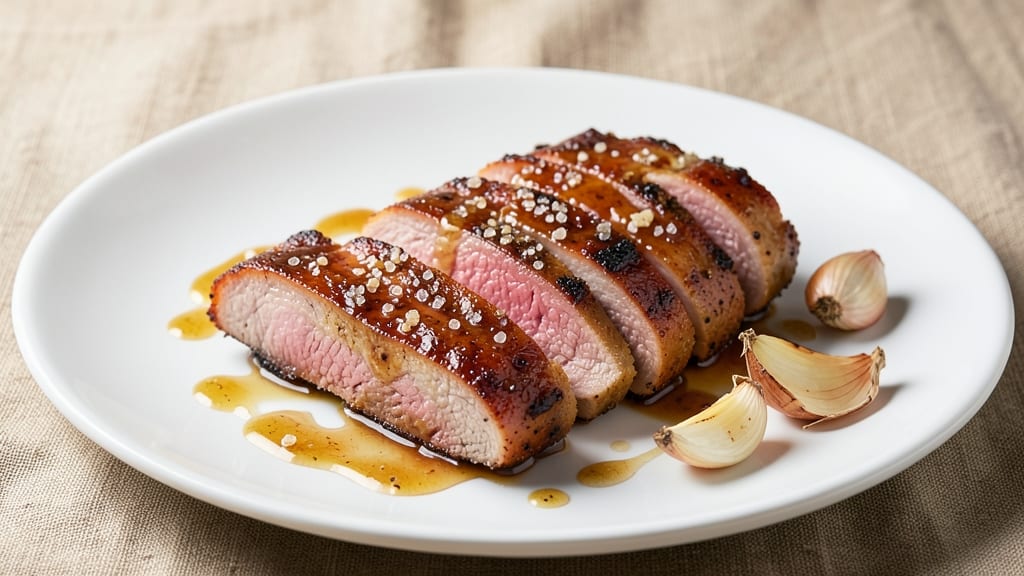
This brown sugar glazed pork tenderloin recipe delivers restaurant-quality results in just 30 minutes—tender, juicy meat with a caramelized crust that'll have everyone asking for seconds. 🔥 After years of perfecting this technique at my Atlanta restaurant, I've simplified it for home cooks without sacrificing flavor or texture.
The secret lies in the glaze: brown sugar caramelizes into a sticky, sweet-savory coating while keeping the pork impossibly tender inside.
The process is straightforward but critical: sear the tenderloin first to build flavor, then brush with the glaze in stages so it doesn't burn. I use a simple 5-ingredient glaze—brown sugar, butter, Dijon, garlic, and a splash of apple cider vinegar—that balances sweetness with tangy depth.
This isn't just another pork recipe; it's a foolproof method that transforms a simple cut into something special enough for company.
By the time you're done, you'll have perfectly juicy pork with a crispy, caramelized exterior that cracks like glass when cut. The glaze clings to every bite, offering bursts of sweetness that complement the savory meat.
This dish pairs beautifully with roasted sweet potatoes or a simple arugula salad—though I promise, you might not need anything else.
What makes this recipe truly special is how it comes together: 30 minutes from start to finish, with minimal effort but maximum impact. The glaze can be made ahead and reheated, making this perfect for weeknight dinners or last-minute gatherings.
Trust me, once you try this, pork tenderloin will never be the same.
Ingredients for brown sugar glazed pork tenderloin
Five simple ingredients transform pork tenderloin into restaurant-worthy perfection in 30 minutes.
| Ingredient | Amount | Notes |
|---|---|---|
| Pork Tenderloin 🐖 | 1 ½ lb | Center-cut, trimmed of fat |
| Light Brown Sugar 🍯 | ½ cup | Packed, not granulated |
| Unsalted Butter 🧈 | ½ cup | Cold, cubed for glaze |
| Dijon Mustard 🍯 | 1 tbsp | High-quality for tang |
| Garlic Cloves 🧄 | 4 cloves | Minced, fresh preferred |
| Apple Cider Vinegar 🍎 | 1 tbsp | Bottled, not reduced |
| Kosher Salt 🧂 | 1 ½ tsp | Diamond Crystal preferred |
| Ground Black Pepper 🌶️ | ½ tsp | Freshly cracked |
| Olive Oil 🫒 | 2 tbsp | High smoke point |
| Fresh Rosemary 🌿 | 1 tbsp | Chopped, for seasoning |
The pork tenderloin should be center-cut—thicker ends are perfect for searing and caramelizing. Whole Foods or Costco usually carry premium cuts, but any well-marbled tenderloin works. Trim any visible fat before cooking—it can burn and make the glaze uneven. The brown sugar is non-negotiable here; light brown sugar has just enough molasses for depth, while white sugar would make the crust too brittle. I always buy Domino brand because it's consistent, but any packed brown sugar will do.
No Dijon mustard? Yellow mustard at half the amount works in a pinch, though it lacks the same depth. Fresh garlic is ideal, but garlic powder at one-third the amount gets you close if you're short on time. The apple cider vinegar adds the perfect tang—Bragg is my go-to, but any bottled version works. For the butter, Plugrá or Land O'Lakes are great choices, but don't use margarine. It won't caramelize the same way. The olive oil should have a high smoke point—Avocado oil is my secret weapon for searing, but light olive oil works too.
Prep the glaze ahead if you're short on time—it keeps well in the fridge for 1 week. Store it in a sealed jar with a thin layer of olive oil on top to preserve freshness. The pork reheats beautifully; wrap it in foil and warm in a 350°F oven for 10-15 minutes. For leftovers, slice and freeze portions for up to 3 months. The glaze will thicken when cold, so give it a quick stir before reheating.
Why You'll Love This Recipe
- No-Chop Night: I swear by this recipe when I’m too tired to dice anything. Just slice the pork, mix the glaze—brown sugar, butter, mustard, and garlic—then let the oven do the work. The tenderloin stays juicy while the edges caramelize into that perfect sticky glaze.
- Sweet-Savory Magic: That first bite? The crispy caramelized crust gives way to tender pork, and the glaze—sweet brown sugar balanced by tangy Dijon—makes it taste like a restaurant dish. Honestly, my kids ask for it more than takeout.
- Leftovers That Shine: This recipe actually improves the second day. Slice the pork thin for sandwiches, or shred it into tacos—every time, the glaze adds that extra punch. I keep a jar of extra glaze in the fridge to drizzle on anything that needs flavor.
- Budget Crowd-Pleaser: Pork tenderloin is affordable, and this recipe stretches it far. A single roast feeds six, and the glaze costs pennies. Between us, it’s the dish I make for game nights when I don’t want to break the bank—but no one guesses how easy it was.
Step-by-step instructions for brown sugar glazed pork tenderloin
Here's how to transform simple ingredients into a showstopping centerpiece.
👨🍳 Step 1: Prep and Season the Pork
Pat the 1.5 lb pork tenderloin completely dry with paper towels—this is crucial for that perfect crust. You want it bone dry, not just damp. Place it on a cutting board and make a few shallow slashes about ½-inch deep along the length, being careful not to cut all the way through. These slashes help the seasoning penetrate and the glaze cling.
In a small bowl, whisk together 1.5 tsp kosher salt, 0.5 tsp ground black pepper, and 1 tbsp chopped fresh rosemary. Rub this mixture all over the pork, pressing it into the slashes and any crevices. The rosemary adds an aromatic depth that pairs beautifully with the caramelized sugar. Let the seasoned pork sit at room temperature for 15-20 minutes—this ensures even cooking from edge to center.
🔥 Step 2: Sear for Maximum Flavor
Heat 2 tbsp olive oil in a large oven-safe skillet over medium-high heat until it shimmers. Add the pork tenderloin and sear on all sides for 2-3 minutes per side until golden brown. You're looking for deep color development here—that's where all the flavor starts. Press down gently on the pork during the first minute to prevent curling, which ensures even contact with the pan.
Once seared, transfer the skillet to a 425°F oven. The residual heat will help carry the pork to the perfect internal temperature while keeping the crust intact. If your skillet isn't oven-safe, transfer the pork to a baking sheet lined with parchment paper.
🍳 Step 3: Make the Glaze
While the pork roasts, make the glaze by combining 0.5 cup light brown sugar, 0.5 cup cold cubed unsalted butter, 1 tbsp Dijon mustard, 4 minced garlic cloves, and 1 tbsp apple cider vinegar in a small bowl. The vinegar adds a bright tang that cuts through the richness of the butter and sugar. Mix until the sugar and butter form a thick paste—this ensures even coating when you brush it on later.
Real talk: don't skip the cold butter. Warm butter would melt too quickly, making the glaze runny instead of caramelized. The cold cubes melt gradually in the oven, creating that beautiful glossy finish.
🥘 Step 4: Glaze and Roast to Perfection
After 10 minutes in the oven, remove the pork and brush the glaze mixture evenly over all sides, making sure to get into those slashes. Return it to the oven and roast for another 10-12 minutes until the internal temperature reaches 145°F (use a meat thermometer for accuracy). The glaze should be bubbling and starting to caramelize—this is when the magic happens.
Here's the thing—if the glaze sets too quickly, brush on another thin layer. The goal is that perfect balance of caramelized crust with tender, juicy meat underneath. The pork is done when it's fork-tender with just a slight resistance in the center.
⏰ Step 5: Rest and Serve
Transfer the pork to a cutting board and let it rest for 5-10 minutes before slicing. This resting period is non-negotiable—it allows the juices to redistribute, ensuring each slice stays moist and flavorful. The glaze will continue to caramelize slightly during this time, deepening its flavor profile.
Slice the pork into ½-inch thick medallions and serve immediately with the pan juices spooned over the top. The combination of caramelized glaze, tender meat, and aromatic rosemary makes this dish truly unforgettable. Pair it with roasted vegetables or mashed potatoes to complete the meal.
Pro Tips For Making Brown Sugar Glazed Pork Tenderloin
- USE A THICK SKIN: Take the pork out of the fridge 30 minutes before cooking—cold meat sears poorly and steams instead of getting that golden crust. Trust me, the extra 10 minutes waiting saves you from a sad, pale cut.
- MINCE THAT GARLIC: Don’t just chop those cloves—smash them flat with the side of your knife first. You want those oils to bleed out and mingle with the butter and mustard, not sit as whole cloves that turn to mush. (Yes, even if you’re impatient like me.)
- BRUSH IN LAYERS: Apply the glaze in two stages: first after searing, then again halfway through roasting. The first coat caramelizes into flavor, while the second locks in moisture. Skip this, and you’ll end up with sticky sugar clinging to the pan instead of the meat.
- DON’T OVERMIX THE GLAZE: Whisk the brown sugar, butter, and mustard just until smooth—lumps are fine. Overworking it turns the glaze into syrup, which drips off the pork instead of clinging. (I learned this the hard way when my first batch looked more like a mess than a glaze.)
Storing and reheating this recipe
Refrigerator Storage
Let your glazed pork tenderloin cool completely before storing—this prevents condensation that can make the glaze soggy. I use glass Pyrex containers with tight-fitting lids and store it in the fridge for up to 4 days.
The glaze actually improves overnight as the flavors meld, creating even deeper caramelization when reheated. 💫
Freezer-Friendly Prep
For longer storage, slice the pork into ½-inch medallions and freeze in a single layer on a tray before transferring to a quart freezer bag with parchment paper between slices.
This prevents freezer burn and makes reheating easier. It keeps beautifully for 3 months—just thaw overnight in the fridge before reheating.
Oven Reheating
My preferred method is reheating in a 350°F oven for 10-15 minutes on a wire rack set over a baking sheet. This allows the glaze to crisp slightly while keeping the meat juicy.
Add 1 tbsp water or apple cider vinegar to the container to prevent drying. The pork is perfect when it reaches 165°F internal temperature.
Microwave Shortcut
For quick meals, microwave individual portions covered with a damp paper towel on 70% power for 1-2 minutes. Stir halfway through and add 1 tsp water if the glaze looks dry. This method works best for leftovers but won't give you that perfect caramelized crust like oven reheating.
Glaze Refresh
If the glaze looks thick or hardened after storage, revive it by warming in a small saucepan over low heat with 1 tbsp water until smooth. Brush this refreshed glaze over reheated slices for that restaurant-quality finish. The pork reheats beautifully—just don't overcook it or it'll dry out.
Serving Suggestions
Serve reheated pork with a side of roasted sweet potatoes or sautéed green beans—both complement the caramelized sweetness. For extra flair, drizzle with a little extra glaze and garnish with chopped fresh rosemary—it brings back that fresh-from-the-oven feel. 🌿
Nutrition facts
Frequently asked questions
Can I use granulated sugar instead of brown sugar in the glaze?
The brown sugar is essential for that deep caramel flavor and texture. Granulated sugar would create a harder, less flavorful crust. If you're out of brown sugar, try a mix of ½ cup granulated sugar and 1 tbsp molasses for similar results, but the texture won't be identical.
How do I prevent the pork from drying out?
Always use a meat thermometer and remove the pork when it hits 145°F—overcooking is the #1 cause of dryness. Let it rest for 5-10 minutes before slicing, and avoid cutting into it too soon. The glaze helps lock in moisture while adding sweetness.
Can I make the glaze ahead of time?
Store the glaze ingredients (except butter) in a jar for up to 1 week. When ready to cook, mix everything together and keep it cold until you're ready to brush it on. The cold butter cubes are key—they melt gradually in the oven for that perfect caramelized finish.
What's the best way to serve this dish?
Slice into ½-inch medallions and arrange on a platter with pan juices spooned over the top. Pair with roasted sweet potatoes, garlic mashed potatoes, or a simple arugula salad. The caramelized glaze works beautifully with tangy sides to balance the sweetness.
Why did my glaze burn before the pork was done?
This happens when the glaze sits too long without brushing. Brush the glaze in two stages—first after 10 minutes in the oven, then again halfway through. Keep your oven at 425°F and use cold butter cubes to prevent premature melting.