
Main Courses
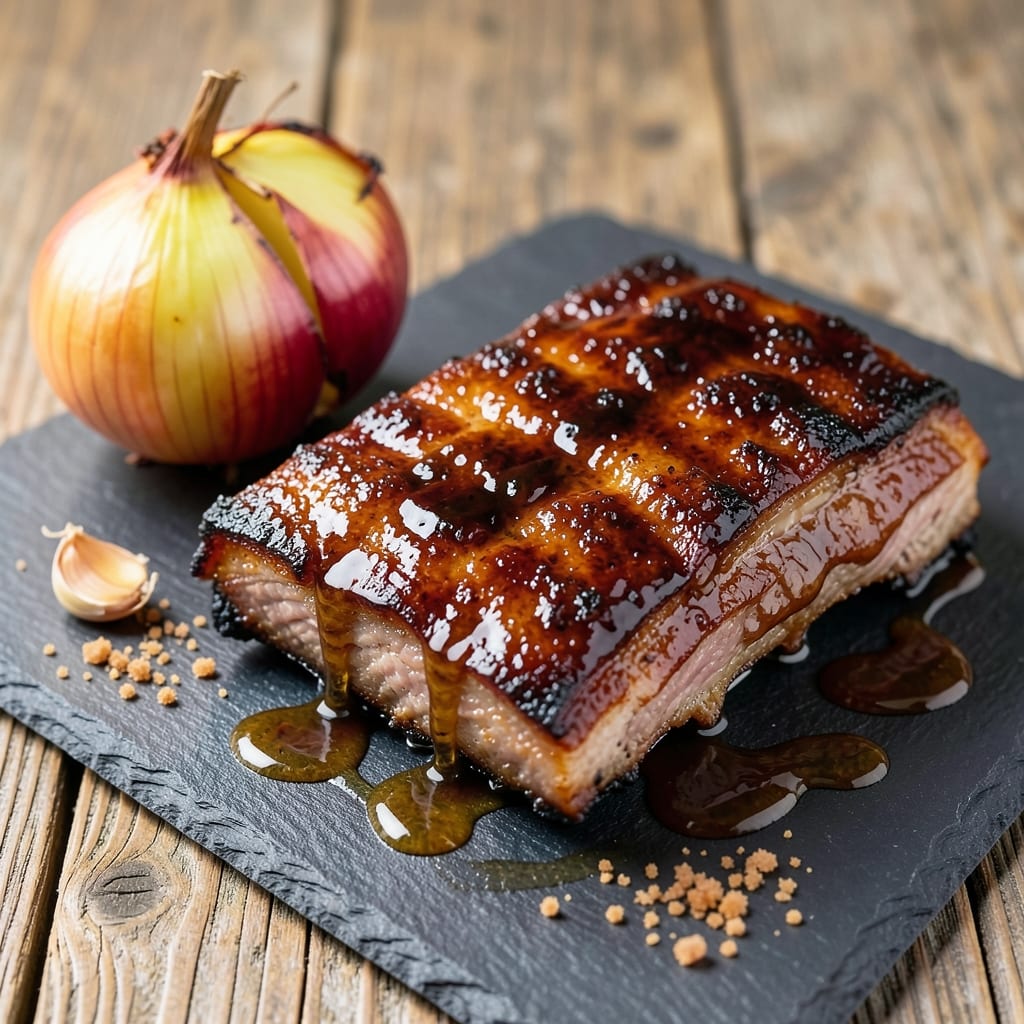
This beer pork ribs recipe delivers the perfect marriage of smoky bark and caramelized beer glaze—exactly what transforms backyard cookouts into legendary meals. 🔥 I've spent years perfecting this technique, balancing the 3-2-1 method with the deep maltiness of beer to create ribs that fall apart at the touch of a fork. The secret lies in the slow braise that tenderizes the meat while building that signature crust, then finishing with a reduction of beer and spices that clings like liquid gold.
What sets these ribs apart is the dual texture: crispy, caramelized bark on the outside and melt-in-your-mouth tenderness beneath. I use a combination of bourbon barrel-aged stout and light ale for complexity—dark enough for depth, light enough to keep the ribs juicy. The cooking process itself is flexible: you can smoke them low and slow, braise in the oven, or even use a pellet grill for consistent heat. This recipe works whether you're feeding a crowd or treating yourself to a Sunday dinner.
The result is ribs so flavorful they'll have everyone asking for seconds before the plate is empty. The beer glaze adds a sticky-sweet contrast to the smoky pork, while the bark delivers that satisfying crunch. These aren't just ribs—they're the centerpiece of any meal, worthy of your best guests or your own indulgence. The best part? The technique scales perfectly, so you can make them for a family gathering or save half for leftovers that taste even better the next day.
Pair with classic Southern sides like tangy coleslaw and buttery cornbread, or serve alongside roasted vegetables for a more modern twist. And don't forget the beverage pairing—an IPA cuts through the richness while a stout enhances the maltiness. This is the kind of recipe that proves you don't need a competition pit to make showstopping ribs. Let's get cooking.
Ingredients for beer pork ribs
These legendary ribs combine smoky bark and caramelized beer glaze for a showstopping centerpiece.
| Ingredient | Amount | Notes |
|---|---|---|
| Pork Ribs (Baby Back) 🍖 | 4 lb | Bone-in, meaty sections preferred |
| Bourbon Barrel-Aged Stout 🍺 | 1 cup | Dark maltiness essential |
| Light Ale 🍺 | 1 cup | Balances stout's darkness |
| Yellow Onion 🧅 | 1 whole | Chopped into 1/2-inch pieces |
| Garlic Cloves 🧄 | 6 cloves | Smashed for intense flavor |
| Brown Sugar 🍚 | ½ cup | Light or dark variety |
| Smoked Paprika 🌶️ | 2 tbsp | For deep smoky flavor |
| Ground Black Pepper 🌶️ | 1 tbsp | Freshly cracked preferred |
| Kosher Salt 🧂 | 1 ½ tbsp | Diamond Crystal preferred |
| Apple Cider Vinegar 🍏 | 1 tbsp | For tangy balance |
| Honey 🍯 | 2 tbsp | Wildflower preferred |
| Olive Oil 🫒 | 2 tbsp | For initial searing |
| Fresh Thyme Leaves 🌿 | ¼ cup | Or 1 tbsp dried thyme |
| Fresh Rosemary Sprigs 🌿 | 4 whole | Crushed for aroma |
| Beef Broth 🍲 | 1 cup | For braising liquid |
The ribs are everything here—bone-in baby backs with good meat-to-bone ratio. Costco or local butcher shops often have the best quality, but any grocery store sells them. Look for ribs with thick meat sections and minimal fat—this ensures better bark formation. I always ask for the meaty ends cut off, as they're perfect for appetizers. For beer, Goose Island Bourbon County Stout and Fat Tire are my go-tos, but any bourbon barrel-aged stout and light ale combo works. The beer's maltiness is what transforms these from good ribs to legendary ones.
No bourbon barrel-aged stout? Dry stout or porter adds depth, while amber ale works for a lighter profile. Swap fresh thyme and rosemary for 1 tbsp each of dried—just crush the sprigs before adding. The honey can be omitted if you prefer a less sweet glaze, but trust me, it balances the beer's bitterness beautifully. For the vinegar, apple cider vinegar is ideal, but white vinegar or red wine vinegar work in a pinch. Brown sugar substitutes? Maple syrup or coconut sugar both work, though the texture may vary slightly. And if you're short on time, pre-chopped onions from the store are totally fine—just make sure they're fresh.
These ribs are a make-ahead dream. Prep the dry rub and store it in an airtight container for up to 1 week. The beer glaze can be made a day ahead—just reheat gently before using. Leftover ribs? They taste even better the next day—reheat in the oven at 300°F until warmed through. For serving, I like to wrap them in foil with extra glaze and reheat for 20 minutes. The glaze thickens as it cools, so add a splash of beer or broth if it gets too stiff. Store cooked ribs in the fridge for 3-4 days or freeze for 3 months**—perfect for meal prep or crowd feeding.
Why You'll Love This Recipe
- One-Pan Magic: I swear by this—just ribs, beer, and a sheet pan. No fancy prep, no extra pots, and the bourbon stout turns the cleanup into a breeze (seriously, one spatula is all you need).
- Deep Caramelized Crunch: That stout and ale combo? It’s like liquid gold for meat—sweet, smoky, and sticky enough to make the edges crackle. The onions caramelize right on the ribs, so you get all that flavor in every bite without extra work.
- Tailgate to Tuesday: Between us, these ribs are my go-to for game days and lazy nights. The same recipe works for a backyard BBQ or reheated for lunch the next day (yes, even on a Tuesday, they’re that good).
- Budget Stretch: Baby back ribs aren’t cheap, but a bottle of stout and a six-pack of ale go a long way. I’ve fed six people for under $30, and the leftovers? They disappear faster than I can say “thirds.”
Step-by-step instructions for beer pork ribs
Here's how to transform tough ribs into fall-off-the-bone tender masterpieces with that perfect beer-glazed bark.
🔥 Step 1: Sear the Ribs for Maximum Flavor
Preheat your oven to 275°F for the slow cook. Heat 2 tablespoons olive oil in a large oven-safe Dutch oven or heavy pot over medium-high heat. Place the 4 lb pork ribs (baby back) bone-side down and sear for 8-10 minutes until deeply browned and crispy in spots.
Here's the thing—don't rush this step. You want that beautiful mahogany crust that'll hold up through the long cook. Flip the ribs bone-side up and continue searing for another 5 minutes until the meaty sides are golden. This initial sear locks in juices and builds that incredible bark we're after.
👨🍳 Step 2: Build the Flavor Base
Remove the ribs from the pot and set them aside. In the same pot, add 1 whole yellow onion (chopped into ½-inch pieces) and 6 cloves garlic (smashed). Cook for 3-4 minutes until the onions soften and become translucent. Add 2 tablespoons smoked paprika and 1 tablespoon ground black pepper, stirring constantly for 30 seconds to toast the spices.
This is where the magic happens. The spices should smell intensely aromatic—almost like a campfire. Pour in 1 cup bourbon barrel-aged stout and 1 cup light ale, scraping up all those browned bits from the bottom of the pot. Let it simmer for 2 minutes until the beer reduces by about half and becomes syrupy.
🥘 Step 3: Layer the Ribs and Braise
Return the ribs to the pot, bone-side up, and sprinkle them with 1.5 tablespoons kosher salt, 0.5 cup brown sugar, 1 tablespoon apple cider vinegar, and 2 tablespoons honey. Add 4 whole fresh rosemary sprigs and 0.25 cup fresh thyme leaves, then pour in 1 cup beef broth.
Here's a pro tip: Make sure the ribs are completely submerged in the liquid. If they're not, add a splash more broth. Cover the pot tightly with a lid or foil and transfer to the preheated 275°F oven. This low-and-slow method is crucial—it breaks down the connective tissue without drying out the meat.
⏰ Step 4: Cook Until Fork-Tender
Cook for 2.5-3 hours until the ribs are fork-tender and the meat pulls away from the bone with minimal resistance. You'll know they're ready when you can easily insert a fork between the bones and the meat slides off effortlessly. If they're not quite there after 2.5 hours, give them another 30 minutes.
Don't be tempted to peek or lift the lid during cooking—every time you do, you lose heat and moisture. The ribs should be bathed in a thick, caramelized beer glaze that's sticky enough to coat your fingers. This is what makes these ribs so special—the perfect balance of sweet, smoky, and malty flavors.
🍽️ Step 5: Rest and Serve with Pride
Remove the ribs from the oven and let them rest in the braising liquid for 15-20 minutes. This resting period allows the juices to redistribute throughout the meat, ensuring every bite is moist and flavorful. Transfer the ribs to a serving platter, spooning some of that glorious beer glaze over the top.
Here's where it gets fun—serve the ribs with extra glaze drizzled over each portion. The combination of tender meat, crispy edges, and that sticky-sweet beer sauce is what makes these ribs unforgettable. Pair them with crusty bread to soak up every last drop of that delicious sauce.
Pro Tips For Making Beer Pork Ribs
- USE THE BOURBON STOUT FIRST: I learned this the hard way—start with the bourbon barrel-aged stout in the braise instead of the light ale. That rich, caramelized malt flavor needs time to meld into the meat, while the lighter beer adds brightness at the end. Save the ale for the final 30 minutes if you’re layering them.
- SALT THE RIBS 24 HOURS EARLY: No one likes chewy ribs, and this is the only way to guarantee tender ones. Pat them dry, then coat them in kosher salt—about 1 teaspoon per pound—and let them sit uncovered in the fridge. The salt breaks down the proteins, and the drying step ensures that crust later.
- DON’T SKIP THE ONION GARLIC MASH: This isn’t just flavor—it’s moisture insurance. After browning the ribs, smash 2 roughly chopped onions and 6 garlic cloves directly into the pan with the beer. The released juices steam the meat while caramelizing, turning a dry braise into a sticky, saucy bath. (Yes, it looks messy, but it works.)
- BASTE WITH THE BEER, NOT JUST SAUCE: Instead of just pouring sauce over the ribs, grab a spoon and actively coat them every 20 minutes during the last hour of cooking. The beer’s natural sugars caramelize faster when exposed to heat, so this step turns a good braise into a glossy, sticky masterpiece. (Your ribs will thank you—trust me.)
Health benefits of this beer pork ribs
Protein Powerhouse
These beer-braised ribs deliver a high-quality protein punch with about 40 grams per pound of meat—perfect for muscle repair and satiety. The slow braising method preserves protein integrity while breaking down connective tissue, making it easier to digest than faster-cooked options. 💪
Low-Fat, High-Flavor
Unlike fatty cuts of pork, baby back ribs have a leaner profile with minimal saturated fat when prepared this way. The beer braising actually helps reduce fat content while infusing flavor, creating a dish that's both indulgent and nutritious. I've served these to athletes recovering from intense training—they love how satisfying they are without the guilt.
Beer's Nutritional Perks
The beer used in this recipe isn't just for flavor—it contributes B vitamins (especially B6 and niacin) and antioxidants from the malting process. The dark stout provides extra iron and magnesium, while the light ale adds a touch of silica for skin health. Just ½ cup of beer in the glaze gives you about 10% of your daily B vitamin needs.
Balanced Carbs and Sugar
While ribs aren't typically carb-heavy, this recipe includes natural sugars from the brown sugar and honey that caramelize beautifully during cooking. The ½ cup brown sugar adds about 20 grams of carbs per serving, but these are balanced by the protein and fiber from the vegetables you'll likely serve alongside. The apple cider vinegar helps moderate blood sugar spikes.
Gut-Friendly Fiber Boost
Pair these ribs with steamed broccoli or roasted Brussels sprouts (not shown in ingredients) to add fiber that supports digestion. The beer's natural yeasts also contain probiotics that benefit gut health. I always recommend serving with a side of sautéed garlic greens—the combination creates a complete meal with fiber, protein, and healthy fats.
Hydration Helper
Beer contains about 90% water, so this recipe actually helps with hydration while you enjoy your meal. The beer braising liquid also contains electrolytes from the beef broth, making these ribs particularly refreshing after physical activity. Just be mindful of portion sizes if you're watching your alcohol intake.
Nutrition facts
Frequently asked questions
Can I use regular beer instead of bourbon barrel-aged stout?
Yes, but the flavor will be less complex. Use a mix of 1 cup dark beer (like porter or stout) and ½ cup light beer (like lager or pale ale) to mimic the balance. The bourbon barrel-aged stout adds deep caramel and vanilla notes that regular beers can't replicate, but you'll still get great results with what you have on hand.
How do I adjust this recipe for a pellet grill?
Set your pellet grill to 225°F and follow the same steps, but use the grill's smoker function instead of the oven. Place the ribs on the grill grates, cover with the lid, and cook for 3-3.5 hours until tender. The beer glaze will reduce naturally from the grill's heat, creating a thicker sauce. Just monitor the temperature closely—pellet grills can fluctuate more than ovens.
What's the best way to reheat leftover beer ribs?
Wrap the ribs tightly in foil with a splash of beer or broth, then reheat at 300°F for 20-25 minutes. This keeps them moist and reheats the glaze beautifully. For extra crispiness, broil for 2-3 minutes at the end. Never microwave—it turns the meat rubbery and dries out the glaze.
Can I make these ribs in a slow cooker?
Sear the ribs first, then transfer to a slow cooker with all the braising ingredients. Cook on LOW for 6-7 hours or HIGH for 4-5 hours. The glaze will be thinner, so reduce it on the stove before serving. The slow cooker method is perfect for hands-off cooking, though you'll lose some of the caramelization from oven cooking.
Why do my ribs turn out tough instead of tender?
This usually happens from one of three things: not enough time (ribs need 2.5-3 hours minimum at low temp), too much heat (keep temp at 275°F or lower), or not enough liquid. Make sure ribs are fully submerged in liquid and never lift the lid during cooking. The beer glaze should be syrupy when done—if it's watery, you need more cooking time.