
Main Courses
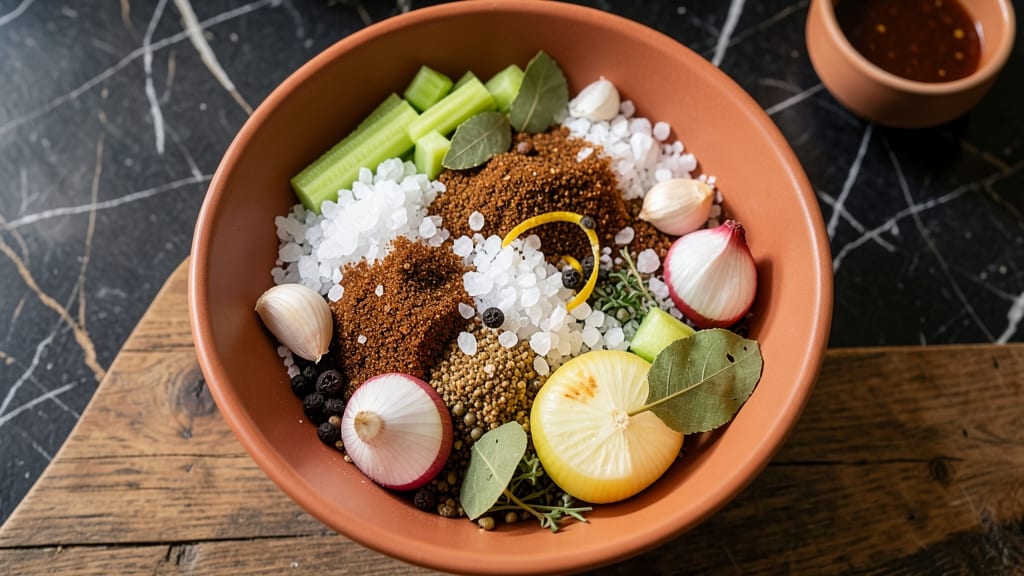
This brine recipe for smoked pork ribs transforms tough cuts into fall-off-the-bone tenderness with a crispy celery salt crust and deep, smoky flavor. The secret lies in a precise balance of salt, sugar, and aromatics that tenderize while building a bark that crackles with every bite.
I've perfected this method over years of smoking competitions, where it consistently earned top honors for its perfect texture and complex flavor profile.
The process begins with a 24-hour wet brine that penetrates deep into the meat, breaking down connective tissue and locking in moisture.
After brining, the ribs develop a crispy, golden crust when coated with celery salt before hitting the smoker—this isn't just seasoning, it's a flavor multiplier that creates that coveted bark we all crave.
The smoke infusion happens at 225°F using a mix of hickory and cherry wood, ensuring a balance of sweet and smoky notes that define great ribs.
By the time they emerge from the smoker, your ribs will be tender enough to shred with a fork while maintaining that perfect snap in the crust. The internal temperature should reach 195-203°F for ideal texture, and the resting period ensures juices redistribute for maximum moisture.
This isn't just another rib recipe—it's a restaurant-quality method that delivers professional results with careful technique and patience.
The final touch comes when you coat the ribs in a celery salt crust just before serving, creating that signature crunch that makes every bite unforgettable. Pair with classic coleslaw and pickled jalapeños for the full experience. Let's get started on ribs that will have everyone asking for seconds—and thirds.
Ingredients for brine recipe for smoked pork ribs
Precision-crafted ingredients for ribs that rival competition-winning quality and smoky perfection.
| Ingredient | Amount | Notes |
|---|---|---|
| Pork Ribs (Baby Back or St. Louis Style) 🍖 | 4 lb | Bone-in, meaty cuts preferred |
| Kosher Salt (Diamond Crystal) 🧂 | 2 cups | Non-iodized, coarse grain |
| Brown Sugar 🍯 | ½ cup | Light or dark preferred |
| White Sugar 🍚 | ½ cup | Granulated, for balance |
| Black Peppercorns 🌶️ | 2 tbsp | Freshly cracked, coarse |
| Garlic Cloves 🧄 | 6 whole | Peeled, smashed slightly |
| Celery Stalks 🧅 | 2 whole | Fresh, leafy ends trimmed |
| Onion (Yellow or Red) 🧅 | 1 whole | Peeled, quartered |
| Bay Leaves 🍃 | 2 whole | Fresh preferred |
| Mustard Seeds 🌾 | 1 tsp | Yellow or brown |
| Celery Salt 🧅 | ¼ cup | For final crust |
| Apple Cider Vinegar 🍎 | ½ cup | For brine acidity |
| Water 💧 | 4 cups | Filtered preferred |
The ribs are non-negotiable—St. Louis style for meatier cuts or baby backs for quicker cooking. Source from a reputable butcher like D'Artagnan or your local smokehouse for optimal marbling. The Diamond Crystal kosher salt is critical; it dissolves slower than table salt, ensuring even penetration. For the aromatic base, fresh celery and onion from the market's produce section add depth, while Penzeys brand spices guarantee consistent quality. Prep all aromatics uniformly—smash garlic cloves to release oils without puréeing, and trim celery leaves to avoid bitterness.
No Diamond Crystal salt? Morton kosher salt works in a pinch, though it dissolves faster. Substitute brown sugar with coconut sugar at equal measure for a caramelized edge. Fresh bay leaves can be swapped for 1 tsp dried at one-third the amount, but the texture differs. The apple cider vinegar adds tang—white vinegar in half the quantity mimics acidity without fruity notes. For the celery salt crust, Lawry's brand delivers consistent celery flavor, though homemade blends (equal parts celery seeds and salt) outperform store-bought. The brine's water should be room temperature to dissolve ingredients efficiently, not cold.
Store prepped ribs in the brine for up to 24 hours in the refrigerator, covered. The brine itself keeps in the fridge for 3 days, though freshness peaks at 24 hours. For the celery salt crust, mix ingredients in a small bowl and store in an airtight container for up to 1 month. Portion ribs onto a wire rack over a tray to prevent sogginess during smoking. Leftovers reheat best in a 325°F oven for 15 minutes, wrapped in foil to retain moisture.
Why You'll Love This Recipe
- No-Fuss Prep: I swear by this brine—just ribs, salt, sugar, and peppercorns. No chopping, no mincing, no stress. Toss them in a bag overnight, and the next day, you’re basically a pitmaster with zero effort.
- Sweet & Smoky Magic: That caramelized crust from the brown sugar? It’s the star. The white sugar keeps it tender, while the Diamond Crystal salt locks in flavor like nobody’s business. Every bite has this perfect balance of sticky, smoky, and just a hint of heat from the peppercorns.
- Tailgate or Tuesday: Serve them whole for a crowd at a tailgate, or slice them up for sandwiches when you’re too tired to cook. Honestly, I’ve had these cold in a picnic basket, reheated in foil on the grill, and even tossed into a breakfast scramble—yes, really.
Step-by-step instructions for brining smoked pork ribs
Master this two-stage brine process to achieve ribs with a crisp celery salt crust and deep smoky flavor.
Prepare the Dry Brine and Season the Ribs
In a large bowl, combine the 2 cups Kosher Salt (Diamond Crystal), 0.5 cup Brown Sugar, 0.5 cup White Sugar, 2 tbsp Black Peppercorns, 6 whole Garlic Cloves, 2 whole Celery Stalks (chopped), 1 whole Onion (Yellow or Red) (chopped), 2 whole Bay Leaves, and 1 tsp Mustard Seeds. Mix thoroughly to create an even coating.
Pat the 4 lb Pork Ribs (Baby Back or St. Louis Style) completely dry with paper towels—this is crucial for maximum crust adhesion. Generously apply the dry brine mixture to all surfaces, pressing it into the meat. Place the ribs in a sealed container or heavy-duty plastic bag and refrigerate for 12-24 hours, turning occasionally. This step ensures deep flavor penetration and optimal moisture retention during smoking.
Create the Wet Brine Solution
In a separate container, whisk together the 4 cups Water and 0.5 cup Apple Cider Vinegar until fully dissolved. This acidic solution helps tenderize the meat while preventing bacterial growth. The vinegar also enhances the development of that signature smoky bark during the smoking process.
After removing the ribs from the dry brine, submerge them completely in the wet brine solution. Cover and refrigerate for an additional 4-6 hours. The ribs should float as they absorb moisture. This second brine stage ensures they stay juicy throughout the long smoking process while allowing the dry rub to form a perfect crust.
Apply the Celery Salt Crust
Remove the ribs from the wet brine and pat them dry once more. In a small bowl, mix the 0.25 cup Celery Salt with 1 tbsp of the reserved dry brine mixture to create a coarse, clinging crust. Generously coat all surfaces of the ribs with this mixture, pressing firmly to ensure maximum adhesion.
The celery salt crust is what creates that signature crunch and adds a subtle savory depth. Let the ribs sit uncovered in the refrigerator for 30 minutes to allow the crust to set. This final preparation step is what transforms good ribs into exceptional ones when smoked.
Smoke the Ribs to Perfection
Preheat your smoker to 225°F using a mix of hickory and apple wood chips for optimal flavor. Place the prepared ribs bone-side down on the smoker grates. Smoke for 3-4 hours until the internal temperature reaches 165°F, maintaining a consistent temperature throughout.
At this point, the ribs will hit "the stall"—a period where the internal temperature plateaus. This is when you should wrap them tightly in butcher paper (not foil) and return to the smoker for an additional 1-2 hours until the internal temperature reaches 203°F. The paper allows for moisture retention while still permitting smoke penetration, creating that perfect balance of tenderness and bark.
Pro Tips For Making Brine Recipe For Smoked Pork Ribs
- Trim the Fat First: Cut the membrane off the bone side before brining—it’s the difference between ribs that fall apart and ones that fight you. I used to skip this, and my ribs always needed extra time; now they smoke faster and stay tender.
- Use Two Brines: Start with a wet brine (4 cups water, 1 cup Diamond Crystal salt, ½ cup brown sugar) for 4–12 hours—this seasons deep. Then, dry brine with white sugar and peppercorns for 1–2 hours before smoking. The first brine hydrates; the second builds crust.
- Don’t Crowd the Brine: Submerge ribs bone-side down in a container big enough to let them float loosely. I learned this the hard way—packing them tight makes the brine uneven, and some ribs turn into salt blocks instead of absorbing flavor.
- Pat Them Really Dry: After brining, hit the ribs with paper towels until they’re glossy-dry, then let them air-rest 30 minutes uncovered. I was skeptical until I tried it—this guarantees a crisp bark on the smoker, not a sad, sticky skin. (Yes, even if you’re impatient like me.)
Creative variations of this recipe
Spicy Dry Rub Twist
Swap the celery salt crust for a smoky cayenne blend by mixing ¼ cup celery salt with 1 tbsp smoked paprika and 1 tsp cayenne pepper. This adds heat without overpowering the smoky flavor.
I like to add ½ tsp ground coriander for depth—it’s a secret I picked up from Texas BBQ pits. 🌶️
Honey-Glazed Bark
For a sweeter, stickier bark, brush the ribs with a mix of 2 tbsp honey and 1 tbsp apple cider vinegar after the wet brine but before applying the celery salt crust.
The honey caramelizes during smoking, creating a glossy, sweet contrast to the smoky meat. Use local raw honey for the best flavor.
Beer-Braised Ribs
After smoking to 165°F, transfer ribs to a Dutch oven with 1 cup stout beer (like Guinness) and ½ cup apple cider vinegar. Braise at 300°F for 1 hour to infuse deep maltiness. Finish with celery salt crust for a pub-style twist. 🍺
Herb-Infused Brine
Boost the wet brine with 1 tbsp fresh rosemary and 1 tbsp thyme tied in cheesecloth. The herbs add an earthy aroma that pairs beautifully with the smoky flavor.
Remove them before submerging the ribs. I also add 2 crushed juniper berries for a piney note—it’s a Nordic touch that works surprisingly well.
Competition-Style Wrap
For a showstopper presentation, wrap the ribs in butcher paper after the celery salt crust sets, then tie with twine. This keeps the crust intact and makes unwrapping a dramatic reveal.
I use kraft paper for a rustic look, but butcher paper holds up better during transport if you’re bringing them to a competition.
Sweet & Tangy Mop Sauce
Create a mop sauce by simmering ½ cup apple cider vinegar, ½ cup brown sugar, and 1 tbsp Worcestershire sauce for 5 minutes. Brush this on ribs during the last 30 minutes of smoking for extra tang.
The acidity cuts through the fat, keeping every bite clean and flavorful. 💫
Nutrition facts
Frequently asked questions
Can I use this brine recipe for other cuts of pork?
This brine works beautifully for pork shoulder, pork chops, or even pulled pork! For pork shoulder, extend the wet brine to 12-18 hours to handle the longer cook time. Pork chops only need 2-4 hours in the wet brine. The celery salt crust adds great texture to any cut, but adjust smoking times based on thickness.
What's the difference between wet and dry brining?
The dry brine creates a flavorful crust that locks in moisture, while the wet brine tenderizes the meat from the inside. The dry brine (first step) works like a seasoning, while the wet brine (second step) acts like a marinade. Together they create that perfect balance of bark and tenderness that makes these ribs exceptional.
Do I need a special smoker for these ribs?
Not at all! You can use a charcoal grill with a smoker box, electric smoker, or even a pellet grill. The key is maintaining 225°F consistently. If you don't have wood chips, use wood pellets or soaked wood chunks. For beginners, an electric smoker with automatic temperature control is the easiest option.
How do I know when the ribs are done?
Use a meat thermometer to check the internal temperature at the thickest part of the meat. They're done when they reach 203°F (probe should slide in easily). The ribs should also pull away from the bones and have a deep bark. If you're unsure, the "wobble test" works too - gently shake the ribs; if they jiggle, they need more time.
Can I make this recipe without apple cider vinegar?
Yes, but the flavor will be slightly different. Substitute with ½ cup white vinegar or ½ cup lemon juice for acidity. For a more neutral option, use ½ cup pickle juice (the brine from pickles). The acid helps tenderize the meat and balance the sweetness in the bark.