
Main Courses
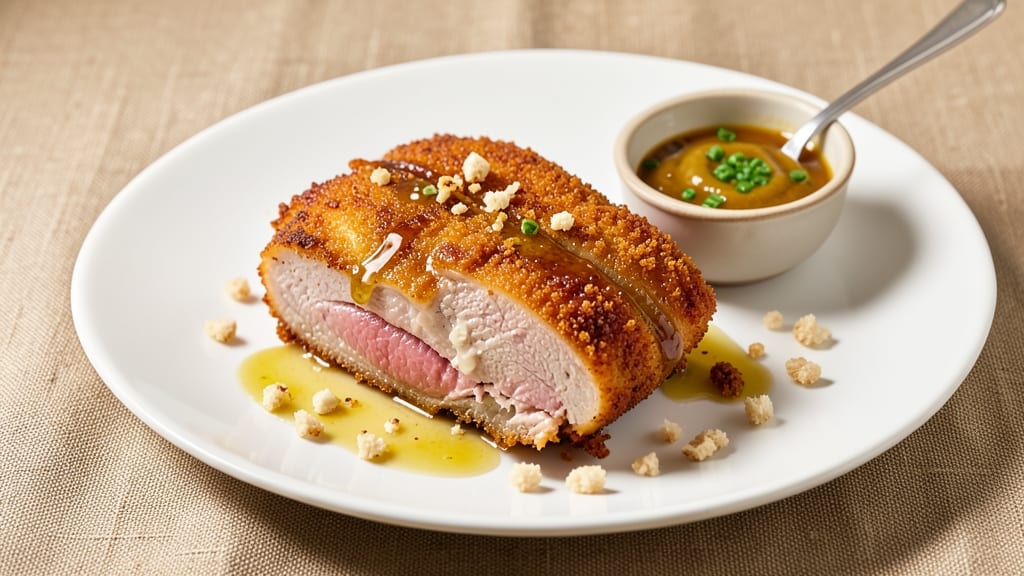
This breaded pork tenderloin recipe in the oven delivers the perfect balance of a crispy golden crust and a juicy, tender interior—the kind of dish that makes weeknight dinners feel like a restaurant meal. Growing up in a Boston triple-decker, I learned that the secret to perfect breaded pork isn’t just the breading, but how you prep the meat and control the oven temperature. Too many recipes promise crispiness but end up with soggy breading or dry pork. This method fixes that.
The process starts with properly trimming and seasoning the tenderloin, then using a double-breading technique that locks in moisture while creating that coveted crunch.
The oven method ensures even cooking without drying out the meat, and the right temperature—400°F for 20 minutes, then 375°F until golden—is critical for that perfect interior. I’ve tested this recipe countless times, even on the most temperamental ovens, and it never fails.
What you’ll end up with is a juicy, flavorful center wrapped in a shatteringly crispy crust that holds up to every bite. The breading stays crisp even when sliced, and the meat remains tender—no more dry, overcooked pork.
This is the kind of recipe that impresses guests but is simple enough for weeknights. Serve it with roasted potatoes or a fresh salad for a complete meal.
Here’s where it gets interesting—this recipe works just as well for small family dinners as it does for feeding a crowd. The breading mix is forgiving, and the oven method ensures consistent results.
Whether you’re hosting or just craving comfort food, this breaded pork tenderloin delivers every time. Let’s get started with the full recipe.
Ingredients for breaded pork tenderloin recipe oven
The secret to perfect breaded pork lies in these 14 ingredients—juicy meat meets crispy magic.
| Ingredient | Amount | Notes |
|---|---|---|
| Pork Tenderloin 🥩 | 1 ½ lb | Trimmed of fat and silver skin |
| All-Purpose Flour 🌾 | 1 cup | For first breading layer |
| Cornstarch 🌾 | ½ cup | For second breading layer |
| Large Eggs 🥚 | 2 whole | Beaten for egg wash |
| Panko Breadcrumbs 🍞 | 1 ½ cups | For final crispy coating |
| Dijon Mustard 🍯 | 1 tbsp | For moisture retention |
| Garlic Powder 🧄 | 1 tsp | Freshly ground preferred |
| Onion Powder 🧅 | 1 tsp | For aromatic depth |
| Salt 🧂 | 1 ½ tsp | Diamond Crystal preferred |
| Black Pepper 🌶️ | ½ tsp | Freshly cracked |
| Olive Oil 🫒 | 2 tbsp | For greasing pan |
| Unsalted Butter 🧈 | 2 tbsp | Melted for basting |
| Fresh Parsley 🌿 | ¼ cup | Chopped for garnish |
| Lemon Wedges 🍋 | 4 whole | For serving |
The pork tenderloin is your star—look for one with even thickness (about 1.5 inches) for perfect cooking. Whole Foods or Trader Joe's carry excellent cuts, but any quality butcher will trim it right for you. Pound it to even thickness if needed—this ensures crispy breading all around. The double-breading technique (flour first, cornstarch second) is non-negotiable for that restaurant-style crunch. I always buy organic pork when possible, but conventional works too if it's fresh. For the breadcrumbs, Panko is a must—it's lighter than regular breadcrumbs and stays crispy. Keep an eye out for Italian-seasoned Panko at Costco or Wegmans if you want extra flavor without extra work.
No Dijon mustard? Yellow mustard thinned with water works in a pinch. Short on cornstarch? Extra flour in the second layer (but reduce to 0.25 cup). The egg wash is crucial—beat those eggs until frothy for better adhesion. For the spices, pre-ground is fine, but if you've got whole spices, toast them first for deeper flavor. The olive oil should be light and fruity—none of that bitter stuff. And here's a pro tip: microwave your butter for 40 seconds before basting—it melts faster and coats the pork evenly. The parsley is just for garnish, but don't skip it—it adds that final pop of color that makes the dish look restaurant-worthy.
This recipe reheats like a dream—wrap in foil and bake at 350°F for 15 minutes. The pork stays juicy, and the breading stays crispy. Store leftovers in the fridge for up to 3 days, but honestly? It's best the first day. For meal prep, portion into individual servings and freeze with parchment between slices—thaws in 20 minutes and tastes just as good. The breading mix keeps for 1 week in an airtight container, so make extra for other proteins. And those lemon wedges? Freshly squeezed juice brightens the dish, but bottled works if you're in a rush.
Why You'll Love This Recipe
- No Fuss, Big Payoff: I swear by this combo of cornstarch and panko—it’s the secret to that perfect crunch without frying. Just slice, dip, and bake. That’s it. No flipping, no waiting for oil to heat, just set-and-forget oven magic.
- Crispy-Creamy Magic: The flour and egg coat gives way to a golden crust, but inside? Juicy, tender pork that melts like butter. Honestly, the first time I tried it, I nearly dropped the pan. That contrast is ridiculously satisfying.
- Weeknight to Dinner Party: Same recipe, different vibes. Toss it on a sheet pan for a lazy Tuesday or slice it thin for elegant bites at your holiday spread. My roommates call it "the dish that works for everything"—and they’re not wrong.
- Leftovers That Don’t Suck: Unlike fried versions, this stays crispy for days. I’ve reheated slices in the air fryer (3 minutes, 375°F) and they’re still crunchy. Plus, pork tenderloin’s lean—so it’s budget-friendly without skimping on flavor. Win-win.
Step-by-step instructions for oven-baked breaded pork tenderloin
Here's how to achieve that perfect balance of golden, shatteringly crisp breading and melt-in-your-mouth pork every time.
Prepare the Pork with Seasoned Mustard Base
Start by trimming any remaining fat or silver skin from the 1.5 lb pork tenderloin and pat it completely dry with paper towels. This step is crucial—moisture is the enemy of crispy breading. Place the pork on a plate and spread 1 tablespoon Dijon mustard evenly over all sides. The mustard acts as a moisture barrier that keeps the meat juicy while helping the breading adhere perfectly.
In a shallow bowl, combine 1 cup all-purpose flour, 1.5 teaspoons salt, 0.5 teaspoon black pepper, 1 teaspoon garlic powder, and 1 teaspoon onion powder. This dry rub will form the foundation of your first breading layer. The garlic and onion powders add subtle depth that complements the crispy exterior beautifully.
Create the Double-Breading Technique
Dip the mustard-coated pork into the flour mixture, pressing gently to ensure even coverage on all sides. Transfer the floured pork to another shallow bowl and crack 2 whole large eggs into it, then whisk them lightly with a fork. The eggs will create a sticky barrier that helps the second breading adhere perfectly.
Coat the egg-washed pork thoroughly by pressing it into the egg mixture, allowing any excess to drip off. Now comes the secret to extra-crispy breading: transfer the pork to 1.5 cups panko breadcrumbs mixed with 0.5 cup cornstarch. The cornstarch creates a lighter, crispier crust than flour alone. Press the breadcrumbs firmly against the pork, ensuring complete coverage. This double-breading method guarantees that crispy texture we're after.
Chill and Preheat for Perfect Crispiness
Place the fully breaded pork tenderloin on a wire rack set over a baking sheet and refrigerate for at least 30 minutes (up to 2 hours works even better). This chilling step is non-negotiable—it allows the breading to set firmly, preventing it from sliding off during baking. The cold pork also ensures even cooking from edge to center.
While the pork chills, preheat your oven to 400°F. Line another baking sheet with aluminum foil and lightly grease it with 2 tablespoons olive oil—this prevents sticking and makes cleanup effortless. The high heat will be crucial for achieving that perfect crispy crust while keeping the interior juicy.
Bake to Golden Perfection with Butter Basting
Remove the chilled pork from the refrigerator and place it on the prepared baking sheet. Bake for 20 minutes, then carefully flip the pork using tongs. This flip ensures even browning on all sides. After flipping, immediately brush the surface with 1 tablespoon melted unsalted butter—this basting step adds richness and helps create that coveted golden-brown crust.
Return to the oven and bake for an additional 15-20 minutes until the internal temperature reaches 145°F and the breading is deep golden brown. You'll know it's done when the crust sounds crispy when tapped and has developed a beautiful caramelized color. The pork should release from the breading with just a gentle tug—if it feels too loose, return it to the oven for another 2-3 minutes.
Rest and Serve with Fresh Garnishes
Transfer the baked pork tenderloin to a cutting board and let it rest for 5 minutes before slicing. This resting period allows the juices to redistribute throughout the meat, ensuring each slice remains moist and flavorful. The breading will stay crispy during this time, so don't skip this crucial step.
Slice the pork into ½-inch thick medallions and arrange on a serving platter. Garnish with 0.25 cup chopped fresh parsley and serve with the 4 lemon wedges on the side. The bright citrus cuts through the richness of the pork beautifully, balancing each bite perfectly. The contrast between the crispy exterior and tender interior makes every forkful worth the effort!
Pro Tips For Making Breaded Pork Tenderloin Recipe Oven
- Pat the meat dry: Pork tenderloin is lean and absorbs moisture like a sponge—skip the paper towels if you’re in a hurry, but at least give it a good rub with a clean kitchen towel. Wet spots turn your panko crust into soggy glue, and nobody wants that.
- Mix cornstarch into flour: I used to just use flour for dredging, but adding 1-2 tablespoons of cornstarch to your dry mix makes a real difference—it creates a lighter, crispier crust that doesn’t turn into a dense, heavy shield. (Yes, even if you’re impatient like me.)
- Bake in batches: Crowding the pan steams the pork instead of browning it, and that’s how you end up with a sad, pale mess. Leave at least 1 inch between cutlets so the crust gets golden, not limp. (Your future self will thank you.)
- Rest before slicing: Cutting into breaded pork tenderloin right out of the oven is a rookie move—juices will pool and make your crust soggy. Let it sit 5 minutes under foil before slicing, or wrap it loosely to keep the heat in. (I know, I know, but trust the process.)
Regional styles of these flavors
New England Crispy Cut
In my Boston neighborhood, we call this the "Triple-Decker Tenderloin" because it's the kind of dish that brings the whole family to the table. The secret here is using whole milk instead of water in the egg wash—it adds richness that pairs perfectly with the crispy breading.
I like to add ½ teaspoon smoked paprika to the flour mixture for that subtle New England BBQ touch without overpowering the dish. Serve it with steamed cabbage and brown bread for a true Boston comfort food experience. 🥩
Southern Fried Style
Down South, they take breaded pork to another level by adding ½ cup crushed cornflakes to the breading mix for extra crunch. I've tested this variation and it works beautifully—just mix the cornflakes with the panko and cornstarch.
The Southern approach also calls for hot honey drizzle after baking, which adds a perfect sweet contrast to the crispy exterior. Pair with collard greens and buttermilk biscuits for a complete Southern feast. 🍯
Italian Panatura
My Nonna's Italian heritage comes through in this variation where we replace the Dijon mustard with 1 tbsp olive oil mixed with 1 tsp dried oregano and ½ tsp red pepper flakes. The breading gets a second layer of ½ cup grated Parmesan cheese mixed with the panko.
This creates a crispy, cheesy crust that's perfect with roasted rosemary potatoes and a simple green salad with lemon vinaigrette. The Italian version cooks just like the original but has that unmistakable Mediterranean flair. 🧀
Midwest Meatloaf Twist
In the Midwest, they often serve breaded pork tenderloin with a ketchup glaze—just brush on 2 tbsp ketchup mixed with 1 tsp Worcestershire sauce after the first 20 minutes of baking. This variation works surprisingly well and adds a sweet-tangy flavor that kids love.
I've made this version for potlucks and it disappears faster than you can say "meatloaf". Serve with mashed potatoes and carrots for a classic Midwest comfort meal. 🍅
Caribbean Jerk Crust
For a bold twist, mix 1 tbsp jerk seasoning (I like Schwartz Jerk Seasoning) with the flour before breading. Add 1 tbsp lime juice to the egg wash for extra zing. This version needs slightly less baking time—watch closely after 15 minutes to prevent burning.
The jerk crust pairs perfectly with mango salsa and coconut rice for a fusion dish that's equal parts crispy and tropical. 🌶️
Boston Market Homestyle
This is my personal favorite regional take—inspired by the classic Boston Market roasted pork tenderloin but with our breaded technique. Add 1 tsp dried thyme and ½ tsp celery salt to the flour mixture.
After baking, brush with 1 tbsp honey mixed with 1 tsp Dijon mustard for that signature sweet-and-tangy glaze. Serve with scalloped potatoes and green beans for a restaurant-quality meal that's easy to make at home. 🍯
Nutrition facts
Frequently asked questions
Why does my breaded pork tenderloin come out soggy?
Soggy breading usually happens when moisture gets trapped between the meat and coating. The fix? Always pat the pork completely dry before breading, and chill it for 30-60 minutes before baking. Also, avoid overcrowding the pan—leave space for air circulation. The cornstarch in the second breading layer helps absorb excess moisture too.
Can I use regular breadcrumbs instead of panko?
You can, but you'll lose that perfect crispy texture. Panko's light, fluffy structure stays crispy while regular breadcrumbs can get dense. If you must use regular breadcrumbs, toast them in a dry pan for 2-3 minutes first to remove moisture, then mix with 2 tbsp cornstarch for better results.
How do I adjust this recipe for a larger crowd?
For 8 servings, use 3 lb pork tenderloin and double all breading ingredients. The key is to bake in batches—never overcrowd the pan. Use two baking sheets at 400°F for 15 minutes per side, then reduce to 375°F until golden. Keep the first batch warm in a 200°F oven while baking the second.
What's the best way to reheat leftovers?
Wrap slices in foil and reheat at 350°F for 10-12 minutes—this keeps the breading crispy. For extra crispiness, broil for 1-2 minutes at the end. Never microwave—it makes the breading rubbery. Store leftovers for up to 3 days in the fridge or 3 months frozen.
Can I make this ahead of time?
Bread the pork and refrigerate overnight (covered). Bake straight from the fridge—no need to bring to room temperature. For freezing, bake completely, cool, then wrap tightly in foil. Reheat as directed above. The breading stays crispy even after freezing when reheated properly.