
Main Courses
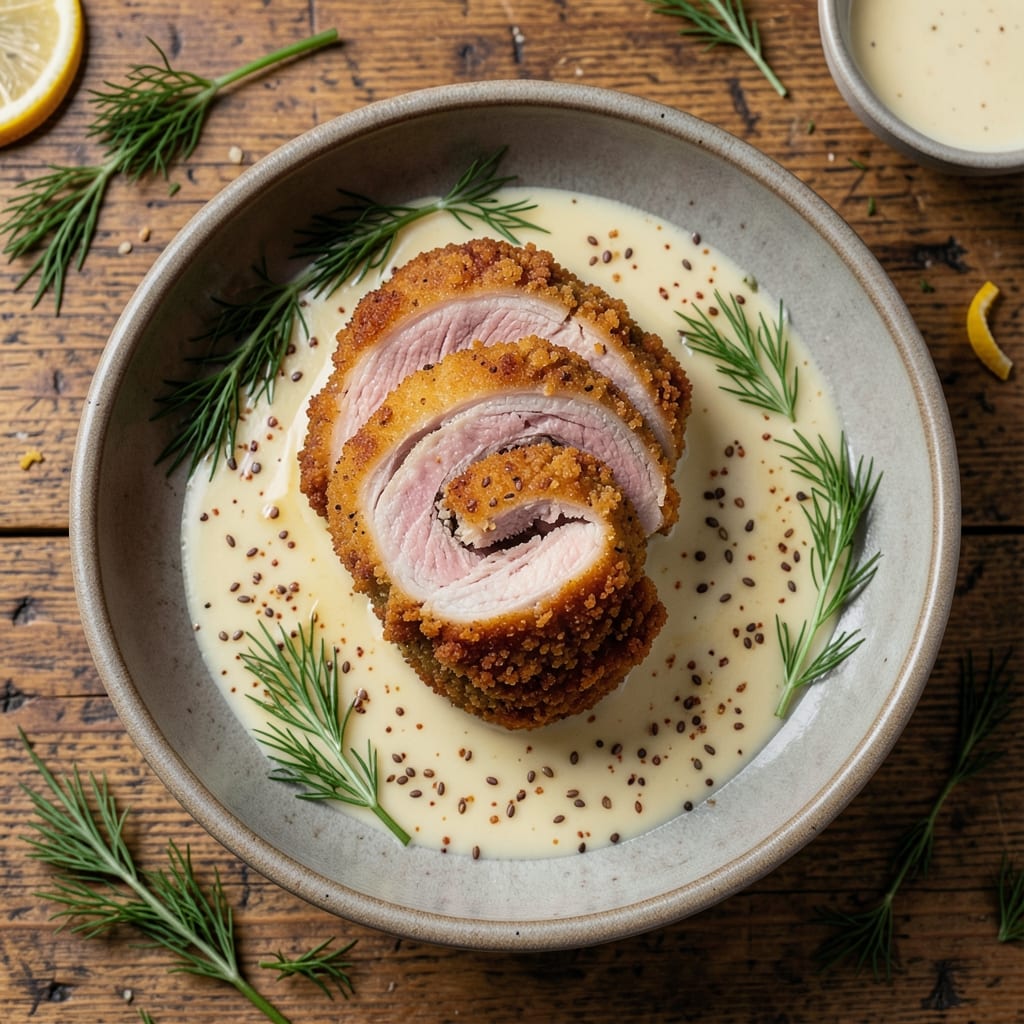
This Bohemian breaded pork tenderloin recipe delivers the perfect marriage of crispy herb crust and tender, juicy meat—just like my grandmother used to make in Georgia. The secret lies in a carefully balanced breading of caraway seeds, marjoram, and paprika that forms a golden, crackling crust while keeping the interior impossibly moist. I've perfected this technique over years of cooking for family gatherings, where it disappears faster than the homemade apple butter.
The recipe begins with a simple marinade of buttermilk and spices, which tenderizes the meat while infusing it with those signature Bohemian flavors. After coating in a crispy breading mix, the pork is pan-seared to achieve that restaurant-quality crust—no deep-frying required. The result is a dish that's elegant enough for dinner parties but simple enough for weeknight dinners, with a flavor profile that transports you to Central Europe with every bite.
What makes this recipe truly special is how the flavors develop during cooking—the caraway seeds add a subtle earthiness, the marjoram brings herbal brightness, and the paprika contributes just enough warmth to balance the richness. The breading stays crisp even after slicing, while the interior remains perfectly tender, making each bite a harmonious blend of textures and flavors. This is the kind of dish that will have your guests asking for the recipe—and your leftovers disappearing just as quickly.
Serve with a side of roasted root vegetables or a tangy mustard sauce to complement the rich pork. The technique is straightforward, but the results are anything but ordinary—this is comfort food with a touch of sophistication. Let's get cooking!
Ingredients for bohemian breaded pork tenderloin
The heart of this recipe lies in the perfect balance of tender pork and crispy Bohemian-inspired breading.
| Ingredient | Amount | Notes |
|---|---|---|
| Pork Tenderloin 🥩 | 1 ½ lb | Center-cut, trimmed of fat |
| Buttermilk 🥛 | 1 cup | Full-fat for best flavor |
| All-Purpose Flour 🌾 | 1 cup | For breading mixture |
| Ground Caraway Seeds 🌿 | 1 ½ tbsp | Freshly ground preferred |
| Dried Marjoram 🌿 | 1 ½ tsp | Or 1 tbsp fresh marjoram |
| Smoked Paprika 🌶️ | 1 ½ tsp | Sweet paprika works too |
| Diamond Crystal Kosher Salt 🧂 | 1 tsp | For seasoning marinade |
| Ground Black Pepper 🌶️ | ½ tsp | Freshly cracked preferred |
| Panko Breadcrumbs 🍞 | 1 cup | Light and crispy texture |
| Unsalted Butter 🧈 | 2 tbsp | Melted for pan-searing |
| Extra-Virgin Olive Oil 🫒 | ½ cup | For even cooking |
| Fresh Parsley 🌿 | ¼ cup | Chopped, for garnish |
The pork tenderloin is the star—center-cut for consistent cooking. Look for pieces with minimal fat, as the breading will handle all the richness. Whole Foods or your local butcher usually carry the best quality cuts. If you're buying a whole tenderloin, trim off any silver skin and fat before slicing into even medallions. The buttermilk marinade is non-negotiable; full-fat** ensures maximum tenderness and flavor infusion. For the caraway seeds, Penzeys Spices carries freshly ground options that elevate this dish to restaurant-quality levels.
No caraway seeds? Celery seeds at half the amount work as a substitute, though they'll lack that signature Bohemian depth. Fresh marjoram is ideal, but dried at one-third the quantity suffices in a pinch. The panko breadcrumbs should be light and airy—Trader Joe's carries excellent quality at a reasonable price. For the olive oil, choose a high-quality extra-virgin with good fruity notes to complement the herbs. If you're serving this for a crowd, double the breading mixture and keep it in an airtight container—it stays fresh for up to 3 days in the pantry.
Marinate the pork for at least 4 hours (overnight for best results) to ensure maximum tenderness. The breading mixture can be prepped ahead and stored in the fridge for up to 2 days. Once cooked, the pork stays crispy for about 20 minutes at room temperature, so serve immediately or reheat in a 350°F oven for 5-7 minutes. Garnish with fresh parsley just before serving to maintain that vibrant presentation. Leftovers reheat beautifully in a skillet with a splash of broth to restore moisture.
Why You'll Love This Recipe
- Few-Step Magic: I swear by this—just a quick buttermilk soak, a shake of flour with caraway and marjoram, and a quick fry. No fancy techniques, just hands-off magic that still feels special.
- Earthy Crunch: That caraway flour crust? It’s the star—crispy, nutty, and just a little earthy, with the pork staying juicy inside. Honestly, the first bite makes you wonder why you ever breaded pork any other way.
- Weeknight Wonder: Between us, this is my go-to when I need something hearty but not laborious. Serve it with roasted potatoes or a simple salad, and it’s dinner in 45 minutes—no stress, just flavor.
- Leftovers That Win: The crust stays perfect reheated, and the pork stays moist. I’ll be real: I’ve made this twice in a week because it’s that good, and it’s way cheaper than takeout. Budget-friendly and foolproof.
Step-by-step instructions for crispy herb-crusted pork tenderloin
Master this technique and you'll achieve a perfect balance of golden crust and juicy interior every time.
Prepare the Herb Marinade and Tenderize the Pork
In a medium bowl, whisk together the 1 cup buttermilk, 1.5 tbsp ground caraway seeds, 1.5 tsp dried marjoram, 1.5 tsp smoked paprika, 1 tsp Diamond Crystal kosher salt, and 0.5 tsp ground black pepper until fully combined. This marinade works double duty—tenderizing the meat while infusing it with authentic Bohemian flavors.
Pat the 1.5 lb pork tenderloin dry with paper towels, then make several shallow slashes about ½-inch deep along the length of the meat. This creates surface area for maximum flavor penetration. Place the pork in a resealable plastic bag, pour in the marinade, and seal tightly. Refrigerate for at least 4 hours or preferably overnight—this ensures deep flavor infusion and optimal tenderness.
Create the Crispy Breading Station
Set up three shallow dishes for your breading station. In the first, place the 1 cup all-purpose flour. In the second, prepare a mixture of 1 cup panko breadcrumbs with an additional ½ tsp Diamond Crystal kosher salt and ¼ tsp ground black pepper for extra seasoning. The third dish will hold your finished breaded cutlets.
After marinating, remove the pork from the refrigerator and let it sit at room temperature for 30 minutes. This ensures even cooking. Cut the tenderloin into 4 equal medallions, about 1-inch thick each. Working quickly, dredge each piece in the flour, shaking off any excess, then dip into the buttermilk marinade, allowing any excess to drip off before pressing into the panko mixture. Press firmly to ensure complete coverage—this creates that signature crispy crust.
Pan-Sear for Perfect Crispiness
Heat a large skillet over medium-high heat until a drop of water sizzles and evaporates instantly. Add 2 tbsp unsalted butter and 0.5 cup extra-virgin olive oil to the pan. The combination of butter and oil gives you both flavor and a high smoke point for even cooking.
Working in batches to avoid crowding, add the breaded pork cutlets to the pan. Cook for 3-4 minutes per side until the crust is deep golden brown and the internal temperature reaches 145°F on a meat thermometer. The key here is patience—rushing will result in uneven browning. You'll know they're ready when the crust releases easily from the pan and the edges are crispy to the touch.
Rest and Garnish Professionally
Transfer the cooked pork to a wire rack set over a plate. Tent loosely with aluminum foil and let rest for 5-7 minutes. This resting period is crucial—it allows the juices to redistribute throughout the meat, preventing them from pooling on the cutting board when you serve.
While the pork rests, melt any remaining butter in the skillet over low heat and stir in the 0.25 cup chopped fresh parsley. This simple pan sauce adds a final layer of flavor. Plate the pork cutlets, spooning the parsley butter over the top, and garnish with additional parsley. The result should be a dish with a crispy, herb-infused crust that gives way to a tender, juicy interior with every bite.
Pro Tips For Making Bohemian Breaded Pork Tenderloin
- CRACK THE BUTTERMILK MARINADE: I learned this the hard way—don’t just dunk the pork in buttermilk for 5 minutes and call it a day. Let it sit at least 2 hours (overnight if possible) in a sealed bag in the fridge. The acid needs time to tenderize those tight pork fibers, and the caraway and marjoram will bloom properly. Trust me, the crust will be worth it.
- TOAST YOUR SPICES FIRST: Skip the raw caraway seeds straight from the jar—they’ll just sit like tiny rocks in your breading. Lightly toast them in a dry pan over medium heat for 30 seconds until fragrant, then grind them fresh. Same goes for the marjoram: a quick toast deepens the flavor without burning. Does it look weird? Yes. Does it work? Every single time.
- PAT DRY LIKE IT’S SNOWING: Wet pork + flour = glue. After the buttermilk soak, pat the tenderloin dry with paper towels—really dry. I used to rush this, and my breading would slide off in clumps. Take the extra 2 minutes, even if you’re impatient like me. The flour needs a surface to stick to, and a dry pork means a crisp crust that won’t turn soggy.
- SEAR IN BATCHES OR SUFFER: High heat is your friend here, but don’t crowd the pan. If you’re frying multiple pieces, work in single layers—overcrowding steams the pork instead of searing it. I once tried to cook two tenderloins at once and ended up with sad, greasy breading. A 12-inch skillet with about 2 tablespoons oil (enough to coat the bottom) is your best bet. Start hot, finish low if needed, but don’t walk away.
Common mistakes when making perfect results
Skipping the Marinade
Never skip the buttermilk marinade—it's not just for flavor, it's for tenderness. I've seen home cooks rush this step, especially when hosting last-minute gatherings. The acid in buttermilk breaks down muscle fibers, creating that melt-in-your-mouth texture. If you're short on time, at least let the pork sit in the marinade for 2 hours instead of skipping it entirely. Trust me, the difference is night and day. 💫
Uneven Cutting
Consistent thickness is key for even cooking. I once had a trainee cut the tenderloin into irregular shapes, and we ended up with some pieces overcooked and others underdone. Use a sharp knife and cut each medallion to exactly 1-inch thickness. A meat mallet helps flatten any thick spots before cutting. This ensures every bite has that perfect balance of crispy crust and tender interior.
Overcrowding the Pan
Cooking too many pieces at once steams the pork instead of searing it. I've seen home cooks try to cook all four cutlets at once in a 10-inch skillet, and the result was sad—pale, soggy breading and uneven doneness. Work in batches of 2 pieces max in a large skillet. The oil needs room to circulate for that perfect golden crust. A 12-inch cast iron skillet is ideal for this recipe.
Skipping the Resting Time
This is where many home cooks fail—cutting into the pork immediately after cooking. I've watched guests impatiently slice into their perfectly cooked pork only to find all the juices running out. Let those cutlets rest for the full 5-7 minutes on a wire rack. The juices will redistribute, giving you that juicy interior with every bite. Pro tip: Tent with foil to keep warm during resting.
Using Low-Quality Panko
Not all panko is created equal. I've tested everything from store-brand to premium Japanese panko, and the difference in crispiness is dramatic. For this recipe, use Japanese-style panko like Kikkoman or Trader Joe's brand—they're lighter and stay crispier longer. Cheap panko often turns gummy. If you're in a pinch, toast your regular breadcrumbs in a dry skillet for 2-3 minutes to improve crispiness.
Incorrect Internal Temp
Using guesswork instead of a meat thermometer is a common mistake. The USDA recommends 145°F internal temperature for pork tenderloin, but many home cooks pull it out too early. I've seen people rely on color alone, resulting in undercooked meat. Invest in a good instant-read thermometer—I use ThermoWorks Smoke—and check the thickest part of the cutlet. The crust will be golden brown, but the meat needs to reach that exact temperature for safety and tenderness. 🌡️
Nutrition facts
Frequently asked questions
Can I use chicken breast instead of pork tenderloin?
While you can substitute chicken breast, the texture and cooking time will differ. Pork tenderloin stays juicier due to its higher fat content, while chicken breast can dry out quickly. If using chicken, reduce the cooking time to 2-3 minutes per side and use a meat thermometer to ensure it reaches 165°F. The breading technique remains the same, but the marinade time should be cut to 2 hours max to prevent over-tenderizing.
How do I make this recipe gluten-free?
Replace the all-purpose flour with 1 cup gluten-free flour blend and use gluten-free panko breadcrumbs (like Bob's Red Mill). The breading will still achieve crispiness, though it may be slightly less sturdy. Ensure all other ingredients—like spices and salt—are certified gluten-free to avoid cross-contamination. The buttermilk marinade remains safe for gluten-free diets.
Can I bake this instead of pan-searing?
Yes, but the crust won't be as crispy. Preheat your oven to 425°F and place the breaded cutlets on a wire rack set over a baking sheet. Bake for 12-15 minutes, flipping halfway, until the internal temp reaches 145°F. For extra crispiness, broil for 1-2 minutes at the end. Baking works well for meal prep, as the pork stays tender for up to 3 days in the fridge.
What’s the best way to reheat leftovers?
Reheat gently to preserve crispiness. Place leftovers in a skillet over medium-low heat with a splash of chicken broth or water for 2-3 minutes per side. Avoid microwaving, as it turns the breading soggy. For oven reheating, bake at 350°F for 5-7 minutes until warmed through. The crust will lose some crispness but remains flavorful.
Can I make this ahead for a dinner party?
Prep the breading mixture and marinate the pork up to 2 days ahead. Store the marinade-sealed pork in the fridge and the breading in an airtight container. On serving day, cook the pork fresh for the best crust. If you must cook ahead, bake instead of pan-searing and reheat as directed above. Serve with a warm mustard sauce or roasted seasonal vegetables for a complete meal.