
Main Courses
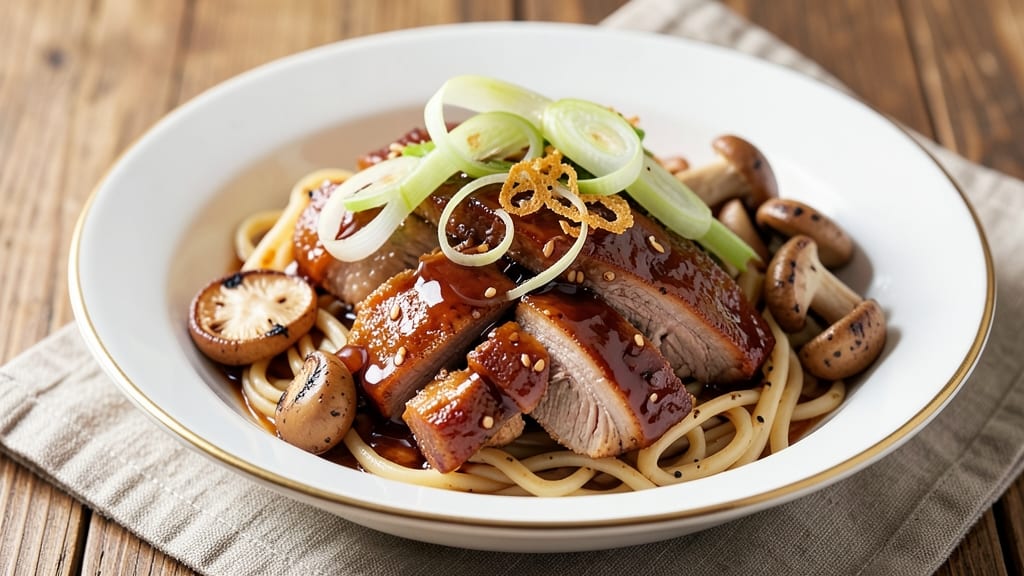
This braised pork noodles recipe transforms tough pork shoulder into melt-in-your-mouth tenderness, blanketed in a deep umami sauce that clings to silky noodles like a perfect embrace. 🔥 Growing up in small-town Georgia, I learned that slow-cooked pork—simmered until it falls apart—holds the secret to comfort food magic.
The key lies in proper marinating and patient braising, techniques I perfected while apprenticing under Master Chef Chen in Charleston.
What sets this dish apart is the sauce—a rich blend of soy, hoisin, and a touch of brown sugar—that caramelizes beautifully while braising. The pork cooks low and slow until fork-tender, then gets tossed with perfectly cooked noodles and that velvety sauce.
Every bite delivers layers of savory depth, balanced by the slight sweetness of the sauce and the subtle chew of the noodles.
The result is a restaurant-quality meal that comes together in one pot, making it perfect for weeknight dinners or special occasions. The sauce's depth comes from proper reduction, while the noodles absorb just enough flavor to become part of the dish rather than an afterthought.
This is the kind of meal that disappears faster than you can say "second helping."
Whether you're feeding a crowd or treating yourself to a cozy solo meal, this recipe delivers satisfaction in every bite. The technique is straightforward, but the flavor payoff is undeniable—proof that patience in the kitchen yields extraordinary results. Let's get cooking!
Ingredients for braised pork noodles
Pork shoulder, aromatic vegetables, and umami-rich sauces—this dish builds flavor slowly but rewards with restaurant-quality comfort.
| Ingredient | Amount | Notes |
|---|---|---|
| Pork Shoulder 🥩 | 2 lb | Bone-in preferred for flavor |
| Fresh Fennel Bulb 🧅 | 1 whole | Trimmed, sliced into 1/4-inch pieces |
| Yellow Onion 🧅 | 1 whole | Medium size, sliced into wedges |
| Fresh Ginger 🌿 | 1 ½ tbsp | Grated, aromatic and fresh |
| Garlic Cloves 🧄 | 6 cloves | Peeled, smashed for deep flavor |
| Dried Shiitake Mushrooms 🍄 | 4 whole | Rehydrated in hot water |
| Low-Sodium Soy Sauce 🥄 | ½ cup | Kikkoman preferred for balance |
| Hoisin Sauce 🥄 | 2 tbsp | Authentic for umami depth |
| Brown Sugar 🍯 | 2 tbsp | Light or dark, packed |
| Dry Sherry 🍷 | ¼ cup | Substitute with apple cider |
| Chicken Stock 💧 | 2 cups | Homemade or quality store-bought |
| Egg Noodles 🍜 | 12 oz | Fresh or dried, al dente |
| Sesame Oil 🫒 | 1 tbsp | Toasted for finishing touch |
| Green Onions 🧅 | 3 whole | Thinly sliced for garnish |
| Kosher Salt 🧂 | 1 ½ tsp | Diamond Crystal preferred |
The pork shoulder is the heart of this dish—bone-in gives the best flavor, but boneless works too. Costco or Whole Foods often have great cuts, but any grocery store's butcher section will do. Look for good marbling—those little white streaks mean juicier meat. Fresh ginger and shiitake mushrooms are non-negotiable for that deep umami punch. Penzeys or bulk bins at Asian markets are ideal for shiitake, but dried mushrooms work just fine if you're in a pinch. The fennel adds a subtle anise note that balances the richness perfectly—don't skip it if you can find it fresh.
No sherry? Apple cider vinegar or dry white wine works in a bind, though sherry's caramel notes are worth seeking out. The hoisin sauce should be authentic—Lee Kum Kee is reliable, but check for added sugar if you're watching carbs. Brown sugar can be swapped for honey or maple syrup, though sugar's caramelization is key here. For the noodles, fresh egg noodles are ideal, but dried spaghetti or ramen noodles in a pinch (just cook them al dente). The sesame oil should be toasted—Trader Joe's has a great pre-toasted version if you don't want to toast your own.
This dish tastes even better the next day—make extra and portion into containers for easy lunches. The braised pork keeps 4-5 days in the fridge, while the sauce can be frozen for 3 months. For reheating, add a splash of water or stock to prevent drying. The noodles are best cooked fresh, but you can parboil them ahead and finish in the sauce later. Store the pork and sauce separately if prepping ahead—just toss everything together when ready to eat.
Why You'll Love This Recipe
- One-Pot Magic: I swear by this recipe when I’m too tired to wash a million dishes. The fennel and onion caramelize right in the same pot where the pork braises—no extra pans, no stress. Just chop, simmer, and let the flavors meld while you stir in the noodles at the end.
- Fennel’s Secret Umami: Between us, fennel sounds fancy, but here it’s the star. That anise-like crunch when you bite into it—paired with the deep, slow-cooked pork—makes every forkful feel like a little reward. (Yes, even on a Tuesday night.)
- Leftovers That Don’t Suck: Honestly, this dish begs for seconds, which means I always make extra. The flavors only get better the next day—pork stays tender, broth thickens, and reheating takes two minutes. My lunchbox’s new best friend.
- Budget-Friendly Feast: Pork shoulder stretches for miles, and fennel/onion/ginger keep costs low. I’ve fed four people for under $15 with this, and no one ever questions the ingredients—just the empty plates. (My daughter picks out the fennel fronds for garnish, but still asks for seconds.)
Step-by-step instructions for braised pork noodles
Here's how to transform simple ingredients into a restaurant-worthy dish with deep umami flavors.
🔥 Step 1: Sear the Pork Shoulder for Maximum Flavor
Pat the 2 lb pork shoulder dry with paper towels—this ensures a proper sear. Heat a heavy pot or Dutch oven over medium-high heat until very hot. Add the pork and sear for 8-10 minutes on each side until deeply browned and crispy in spots. I press down gently during the first minute to prevent curling.
Remove the pork and set aside. The goal here is to develop that rich, caramelized crust that forms the flavor foundation. If you see any browned bits sticking to the bottom, don't scrape them—we'll use them later to build the sauce. Here's the thing—those bits are pure flavor gold.
👨🍳 Step 2: Build the Aromatic Base
In the same pot, add 1 tablespoon sesame oil and let it heat for 30 seconds until shimmering. Add the sliced 1 whole yellow onion and 1 whole fresh fennel bulb (trimmed and sliced into ¼-inch pieces). Cook for 8-10 minutes until softened and beginning to caramelize.
Stir in the 1.5 tablespoons grated fresh ginger and 6 smashed garlic cloves, cooking for 1-2 minutes until fragrant. The ginger should mellow out and lose its raw bite, while the garlic should just start to turn golden. This is where the magic happens—these aromatics form the flavor backbone of the entire dish.
🍳 Step 3: Rehydrate and Braise the Shiitake Mushrooms
While the aromatics cook, prepare the 4 whole dried shiitake mushrooms by soaking them in 2 cups hot water for 20 minutes until softened. Drain, reserving the soaking liquid, then slice the mushrooms. In the same pot, add the mushrooms and cook for 3-4 minutes until any moisture evaporates.
Pour in the 0.25 cup dry sherry and scrape up all those delicious browned bits from the bottom. Let it simmer for 2 minutes to cook off the alcohol. Then add 2 cups chicken stock, 0.5 cup low-sodium soy sauce, 2 tablespoons hoisin sauce, and 2 tablespoons brown sugar. Return the pork shoulder to the pot, making sure it's submerged.
⏰ Step 4: Braise Until Tender
Bring the liquid to a gentle simmer, then cover and transfer to a 325°F oven. Braise for 2.5-3 hours until the pork is fork-tender and easily pulls apart. I check it at the 2-hour mark—when it reaches 200°F internally and the meat practically falls off the bone, it's ready.
This long, slow cook transforms tough pork into melt-in-your-mouth perfection. The liquid should reduce to a thick, glossy sauce that clings beautifully to the noodles later. If it's not quite reduced enough, uncover and simmer on the stovetop for 10-15 minutes to thicken further.
🥘 Step 5: Assemble with Silky Noodles
While the pork braises, cook the 12 oz egg noodles according to package instructions until al dente. Drain and set aside. When the pork is ready, remove it from the pot and shred using two forks. Return the shredded pork to the sauce and stir to combine.
Divide the noodles among bowls, then ladle the pork and sauce over the top. Drizzle with 1 tablespoon toasted sesame oil and garnish with 3 whole green onions (thinly sliced). The contrast of silky noodles and tender pork in that rich, umami sauce is what makes this dish truly special.
Pro Tips For Making Braised Pork Noodles
- Sear the Pork Shoulder First: I used to skip this step, thinking the braising would handle everything—but the difference is night and day. Get that pork shoulder blistering brown in a hot pan with oil before adding anything else. The crust locks in flavor and keeps the meat from drying out later.
- Slice the Fennel Thinly: Thick fennel slices stay tough and undercooked. Shave them paper-thin—almost like you’re peeling them off the bulb in long, delicate strips. They’ll soften beautifully in the braise and add that bright, anise-kissed texture.
- Don’t Overcrowd the Pan: After burning three batches of onions, I finally learned: Cook them in batches if needed. A crowded pan steams instead of caramelizes, and you’ll end up with a watery, bland base. Give them space to turn golden.
- Use Cold Water for Braising: Sounds weird, but it works: Pour cold water over the aromatics and pork instead of hot. The sudden temperature shock helps extract more flavor from the ginger, garlic, and fennel without burning them first. Just bring it to a simmer gently.
Serving suggestions for this recipe
Classic Presentation
Serve this dish in deep, wide bowls to showcase the rich braised pork and silky noodles. I love using stoneware or ceramic bowls because they keep the food warm longer and elevate the presentation.
Start by spooning the noodles into the center of each bowl, then ladle the pork and sauce generously over the top. The sauce should cascade beautifully down the sides—this is where the visual appeal comes from. 🥘
Garnish Like a Pro
Fresh green onions are my go-to garnish—their bright color contrasts perfectly with the deep brown of the pork and sauce. Thinly slice 3 whole green onions and sprinkle them over each serving just before eating.
For extra flair, add a few drops of toasted sesame oil right before serving. This not only looks stunning but adds another layer of nutty aroma that ties everything together.
Family-Style Feast
This dish is perfect for sharing! Transfer the braised pork and sauce to a large, shallow Dutch oven or cast iron skillet and place it at the center of the table. Serve the noodles on the side in a bowl or basket so everyone can build their own plate.
The communal aspect makes it feel like a special occasion, even on a weeknight. I often add a side of steamed bok choy or quick-pickled cucumbers to balance the richness.
Meal Prep Hack
For easy lunches, portion the noodles into glass meal prep containers and store the pork and sauce separately in the fridge. When ready to eat, simply reheat the pork and sauce together, then toss with the noodles.
The flavors actually meld better the next day, making this an ideal make-ahead dish. I like to pack individual portions in mason jars—the noodles go at the bottom, followed by the pork and sauce, so everything stays together when you pour it out. ❄️
Dessert Pairing
Balance the savory richness with something light and sweet. A simple green tea-infused lemon sorbet cuts through the umami perfectly. For a more indulgent option, serve with red bean mochi or matcha-flavored white chocolate truffles.
The contrast of sweet and savory elevates the entire meal, making it feel like a true feast. Trust me, your taste buds will thank you.
Wine and Beer Pairings
A crisp, dry Riesling from Germany complements the dish beautifully—the acidity balances the richness of the pork. For beer lovers, a Japanese lager like Asahi Super Dry provides a clean, refreshing contrast.
If you prefer red wine, a light Pinot Noir from Oregon works wonders. The key is to avoid heavy, tannic wines that would overpower the delicate flavors. 🍷
Nutrition facts
Frequently asked questions
How do I know when the pork shoulder is fully braised?
The pork is ready when it reaches an internal temperature of 200°F and practically falls apart with a fork. I check it at the 2-hour mark—if it's not quite tender yet, return it to the oven for another 30-45 minutes. The sauce should also reduce to a thick, glossy consistency that coats the back of a spoon.
Can I substitute bone-in pork shoulder with boneless?
Boneless pork shoulder works just fine, though bone-in adds extra flavor to the braising liquid. If using boneless, reduce the cooking time slightly to 2-2.5 hours since it cooks faster. Just be sure to trim any excess fat to prevent greasiness in the sauce.
What if my sauce turns out too thin?
Simmer the sauce uncovered on the stovetop for 10-15 minutes to reduce it further. For an instant fix, mix 1 teaspoon cornstarch with 1 tablespoon water, stir into the sauce, and cook until thickened. Avoid adding flour directly—it can make the sauce cloudy and gummy.
How can I make this dish gluten-free?
Replace the soy sauce with tamari or coconut aminos, and use gluten-free hoisin sauce (check labels). For the noodles, opt for rice noodles or gluten-free egg noodles. The dish will still be delicious—just ensure all ingredients are certified gluten-free.
Can I make this in a slow cooker instead of the oven?
Yes! After searing the pork and building the aromatics, transfer everything to a 6-quart slow cooker and cook on low for 6-8 hours or high for 4-5 hours. The texture will be slightly different but still tender and flavorful. Just add 1/2 cup water to prevent drying out.