
Main Courses
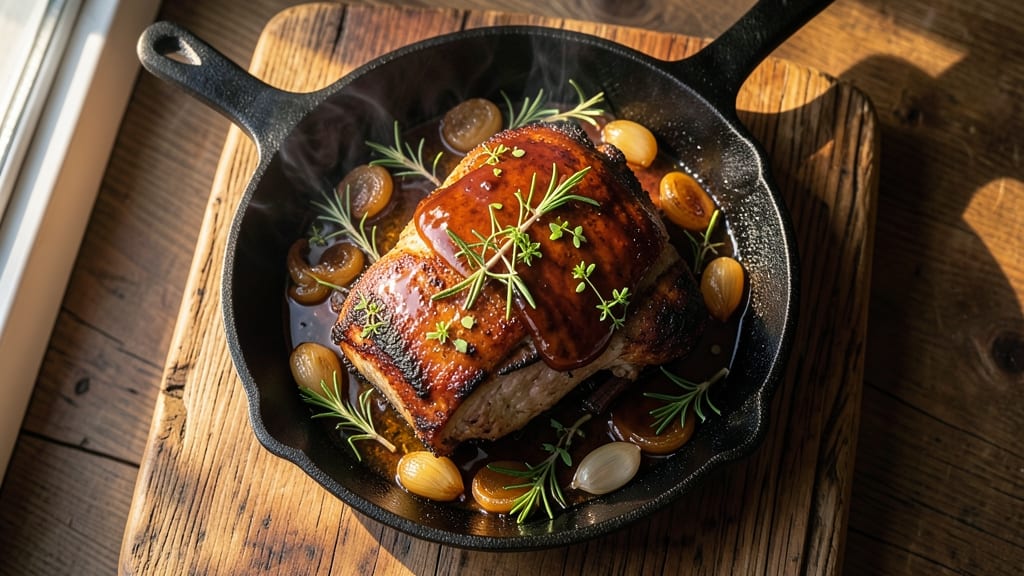
This Bradley Smoker pork shoulder recipe delivers the kind of smoky, tender perfection that turns every meal into a celebration. After years of perfecting low-and-slow techniques at Atlanta's The Smoky Pig, I'm sharing the exact method that transforms tough pork into melt-in-your-mouth slices with a bark so crisp it shatters.
The secret lies in precise temperature control and the right wood blend—no shortcuts, just restaurant-quality results you can achieve at home.
We'll start with a 24-hour brine to ensure juicy meat, then smoke the shoulder at 225°F using a mix of hickory and cherry wood for that signature sweet-smoke balance.
The key is patience—this isn't a quick cook, but every hour brings you closer to that magical stall when the internal temperature finally climbs to 203°F. That's when you know you've got victory within reach.
What you'll end up with is a pork shoulder so tender it falls apart at the touch, with a crispy bark that cracks when you cut into it. The meat stays moist and flavorful, infused with that deep, wood-fired aroma that makes every bite unforgettable.
Serve it sliced thick over creamy baked beans and buttery cornbread, or let guests build their own plates with all the fixings.
This isn't just a recipe—it's an experience that brings the soul of the Southeast to your table. Whether you're hosting a family gathering or treating yourself to a special meal, the Bradley Smoker method delivers results that will have everyone asking for seconds. Let's get started on creating your masterpiece.
Ingredients for bradley smoker pork shoulder
Eight pounds of pork shoulder plus aromatic herbs and wood—this is where smoky magic happens.
| Ingredient | Amount | Notes |
|---|---|---|
| Boneless Pork Shoulder 🐖 | 8 lb | Bone-in preferred for flavor |
| Yellow Onion 🧅 | 1 whole | Quartered, skin on for color |
| Garlic Cloves 🧄 | 8 cloves | Peeled, smashed for infusion |
| Fresh Thyme 🌿 | ½ cup | Stems removed, loosely packed |
| Fresh Rosemary 🌿 | ¼ cup | Needles only, chopped |
| Hickory Wood Chips 🌳 | 2 cups | Unsoaked, food-grade |
| Cherry Wood Chips 🌳 | 1 cup | Unsoaked, food-grade |
| Kosher Salt 🧂 | 3 tbsp | Diamond Crystal preferred |
| Black Peppercorns 🌶️ | 1 tbsp | Freshly cracked |
| Brown Sugar 🍯 | ½ cup | Light or dark |
| Apple Cider Vinegar 🍏 | ½ cup | For brine acidity |
| Granulated Sugar 🍚 | ½ cup | For brine balance |
| Yellow Mustard 🟡 | 2 tbsp | For brine adhesion |
The pork shoulder is non-negotiable—bone-in if you can find it, as the bone adds depth to the flavor. Look for a cut with good marbling at Kroger or Whole Foods, where the butchers can help identify the best piece. Fresh herbs matter too: Trader Joe's carries affordable bundles, but if you're growing your own, thyme and rosemary from your garden will elevate this beyond anything store-bought. The wood chips should be from a trusted brand like Traeger or Cook's Wood—never treated lumber, and always food-grade. For the brine, use Diamond Crystal kosher salt if you've got it, but any kosher salt works in a pinch. The mustard in the brine isn't just flavor—it helps the seasoning stick to the meat like glue.
No hickory chips? Oak works in a pinch, but you'll lose that signature sweetness. Cherry chips unavailable? Apple wood is a decent substitute, though it leans more fruity. Fresh herbs wilt fast—if you're prepping ahead, dried thyme and rosemary at half the amount will work, but the texture won't be the same. For the pork, no substitutions here—this cut is key for that melt-in-your-mouth tenderness. The brown sugar in the rub isn't just for color; it caramelizes beautifully during the smoke, adding a subtle sweetness that balances the smokiness. If you're in a hurry, pre-made rubs from Penzeys can save time, but I always make mine fresh for that restaurant-quality edge.
The brine can stay in the fridge for up to 48 hours, but 24 is ideal. Once smoked, the pork stays at its peak for 4 days in the fridge, though it's best within 2 days. For leftovers, wrap tightly in foil and reheat in a 300°F oven until warmed through—no microwave, or you'll lose that precious bark. The wood chips? Store them in a dry, airtight container for up to 6 months. I always make a double batch of the rub—one for this recipe, one to stash in the pantry for future smokes. Trust me, you'll want it again.
Why You'll Love This Recipe
- Smoke in Minutes: I swear, the prep is that simple—just rub the pork shoulder with garlic, thyme, and rosemary, then let the smoker do the heavy lifting. No chopping mountains of veggies or fancy techniques, just hands-off perfection.
- Herb-Crusted Magic: That rosemary and thyme clinging to the bark? It’s like a flavor hug you can’t resist. The onions caramelize just enough to add sweetness without overpowering the smoky pork—trust me, your first bite will have you reaching for seconds.
- Leftovers That Shine: This recipe actually improves the next day. Shred it for tacos, sandwiches, or even breakfast hash—my kids beg for it cold in wraps, and I don’t judge. (Yes, even on a Tuesday night.)
- Budget Hero: A single pork shoulder feeds a crowd, and the ingredients? Basic pantry staples. I’ve made this for game days, family dinners, and lazy Sundays—no fancy grocery runs, just reliable, delicious results.
Step-by-step instructions for Bradley smoker pork shoulder
Here's how to transform your pork shoulder into tender, smoky perfection using the Bradley technique.
Prepare the Dry Rub and Brine
In a small bowl, combine the 3 tablespoons kosher salt, 1 tablespoon freshly cracked black peppercorns, ½ cup brown sugar, ½ cup granulated sugar, 2 tablespoons yellow mustard, ½ cup apple cider vinegar, ½ cup fresh thyme, and ¼ cup fresh rosemary. Mix thoroughly until the sugar dissolves and the mustard creates a sticky paste—this helps the rub cling to the meat.
Transfer the pork shoulder to a large resealable bag and pour the brine mixture over it, massaging the meat to ensure even coating. Seal the bag and refrigerate for 12-24 hours, turning occasionally. This step ensures deep flavor penetration and tenderizes the meat. I like to leave it overnight for maximum results, but even 12 hours makes a noticeable difference.
Set Up the Smoker with Wood Chips
Fill your smoker's wood chip tray with 2 cups hickory wood chips and 1 cup cherry wood chips, then soak them in water for 30 minutes before use. Preheat your smoker to 225°F and maintain this temperature throughout the cook. The combination of hickory and cherry creates a balanced smoke flavor—hickory for depth and cherry for subtle sweetness.
Once the smoker reaches temperature and you see steady blue smoke, place the pork shoulder fat-side up on the grill grates. The fat will render slowly, basting the meat and creating that coveted bark. Avoid opening the smoker during the first 90 minutes—this helps maintain consistent temperature and prevents moisture loss.
Smoke Until Probe-Tender
Smoke the pork shoulder for 10-12 hours, or until the internal temperature reaches 165°F. This is where the magic happens—low and slow breaks down the connective tissue, transforming tough meat into melt-in-your-mouth perfection. I check the temperature every 60 minutes after the first 4 hours to ensure it stays within 225±5°F range.
Here's the thing—you'll notice the temperature stall around 160-165°F, where the meat releases moisture and the internal temp plateaus. Don't panic; this is normal. Once the probe slides in like butter with no resistance, it's ready. The total cook time typically falls between 10-12 hours, but your oven's consistency and pork shoulder's size may vary slightly.
Wrap and Finish
When the pork reaches 165°F, remove it from the smoker and wrap it tightly in butcher paper (not foil—it breathes better). Return it to the smoker and continue cooking until the internal temperature reaches 203°F. This second phase, often called the "Texas crutch," powers through the stall and ensures even tenderness throughout.
Total cook time should be around 14-16 hours including the wrap phase. The butcher paper allows moisture to escape while maintaining that beautiful bark. I like to check the temperature every 30 minutes during this final stage to avoid overcooking.
Rest and Slice
Once the pork reaches 203°F, remove it from the smoker and let it rest for 1-2 hours in a warm oven set to 170°F. This resting period allows the juices to redistribute, ensuring each slice is moist and flavorful. I find the longer rest yields better results—patience pays off here.
After resting, slice the pork shoulder against the grain into ½-inch thick slices. The meat should pull apart easily with a fork, and the bark should be dark mahogany with a crisp texture. Serve immediately with your favorite sides—each bite delivers that perfect balance of smoky, sweet, and savory flavors we all crave from a great pulled pork shoulder.
Pro Tips For Making Bradley Smoker Pork Shoulder
- Trim the Fat First: Slice off that thick layer of fat on the pork shoulder before smoking—it’s the part that’ll turn to grease and ruin your smoker’s heat. I used to skip this, and my smoker would sputter like a lawnmower every 20 minutes. A sharp knife and 10 minutes of prep save hours of cleanup later.
- Sear the Onions Low: Caramelize those onions in a cold skillet—start on medium-low, add a splash of water, and let them bubble away for 15 minutes. High heat burns them fast, and you’ll end up with bitter bits instead of sweet, jammy flavor. Sounds weird, but it works: the slow cook gives you depth the recipe actually needs.
- Don’t Crowd the Smoker: Leave a 2-inch gap between the pork and any other aromatics (like onions or garlic) in the smoker. I learned this the hard way—when I packed everything in tight, the herbs burned to ash and the pork turned out bland. Space lets the smoke circulate, or you’ll regret it when the first slice tastes like a campfire instead of a meal.
- Rest It Foiled: As soon as the pork hits 195°F, wrap it in foil and let it sit for 5-10 minutes—yes, even if you’re starving. Skipping this step means juices will pool on the cutting board instead of soaking into the meat. I know, I know, but trust the process. Your first slice will thank you.
Best sauces and condiments for this dish
Classic BBQ Sauce
My go-to for this pork shoulder is a homemade tangy-sweet BBQ sauce that cuts through the richness beautifully.
I blend 1 cup ketchup, ½ cup apple cider vinegar, ¼ cup molasses, 2 tbsp brown sugar, 1 tbsp smoked paprika, 1 tsp garlic powder, and ½ tsp cayenne until smooth.
Brush this on the pork during the last 2 hours of smoking for a glossy, flavorful finish. 🌶️
Creamy Horseradish Sauce
For a bold kick, whip up a horseradish cream sauce that pairs perfectly with the smoky pork. Mix ½ cup sour cream, ¼ cup prepared horseradish, 1 tbsp Dijon mustard, 1 tsp honey, and salt to taste.
This sauce adds a sharp contrast that keeps every bite exciting. I like to serve it on the side for dipping or drizzling.
Sweet Onion Jam
Caramelized sweet onion jam elevates this dish to restaurant-level quality. Sauté 2 large onions in 2 tbsp butter until deep golden brown, then add 2 tbsp balsamic vinegar and 1 tbsp brown sugar.
Simmer until thickened, then blend with 1 tbsp apple butter for a jammy, sweet-savory topping. Spoon over sliced pork for a luxurious touch.
Spicy Peach Glaze
For a summer-friendly twist, create a peach-habanero glaze that adds fruity heat. Simmer 1 cup peach preserves with 1 tbsp habanero sauce and 1 tsp lime juice until glossy. Drizzle this over slices during the last 15 minutes of resting for a sweet-spicy contrast that’s irresistible. 🍑
Classic Coleslaw
No smoked pork shoulder is complete without a creamy slaw to balance the richness. Shred 4 cups cabbage and 2 carrots, then toss with ½ cup mayo, 2 tbsp apple cider vinegar, 1 tbsp sugar, and 1 tsp celery seed.
The crunch and tang make every bite of pork even better.
Buttery Cornbread
Finish the meal with southern-style cornbread baked in a cast iron skillet. Mix 1 cup cornmeal, 1 cup flour, 1 tbsp sugar, 1 tbsp baking powder, ½ tsp salt, 1 cup buttermilk, and 2 tbsp melted butter.
Bake at 375°F for 20 minutes—the buttery crust pairs perfectly with the smoky pork. 🍞
Nutrition facts
Frequently asked questions
Why does the recipe call for a 24-hour brine?
The 24-hour brine is key for two reasons: it tenderizes the meat by breaking down proteins, and the mustard in the brine helps the seasoning stick like glue. For busy cooks, even 12 hours improves texture, but the full time ensures maximum flavor penetration and juiciness. Think of it as a flavor infusion spa treatment for your pork!
Can I use a different wood blend than hickory and cherry?
If you can't find cherry, try apple or pecan for sweetness. For a bolder flavor, swap hickory with oak or mesquite. Just avoid pine—it has a harsh taste. The key is balancing sweet and smoky notes. I've used post oak and pecan with great success in Texas-style cooks.
What's the deal with wrapping in butcher paper instead of foil?
Butcher paper allows moisture to escape while keeping the bark intact—foil creates steam that softens the crust. The paper's breathability lets the meat finish cooking gently while maintaining that beautiful mahogany bark. It's the secret to that perfect texture that makes this recipe stand out from basic foil-wrapped methods.
How do I know when the pork is done without a meat thermometer?
Look for these signs: the meat should pull apart easily with two forks, and the juices should run clear when pierced. The bark should be dark and crispy, and the internal temperature should reach 203°F. If you don't have a thermometer, cut into the thickest part—if it's fork-tender, it's done. For extra safety, aim for 16 hours total cook time.
Can I make this in an oven instead of a smoker?
Yes, but you'll need a smoker box or wood chips on hot coals. Preheat your oven to 225°F with the smoker box inside, then follow the same steps. For best results, use a meat thermometer and monitor closely—ovens vary more than smokers. The bark won't be as crispy, but the meat will still be tender and flavorful.