
Main Courses
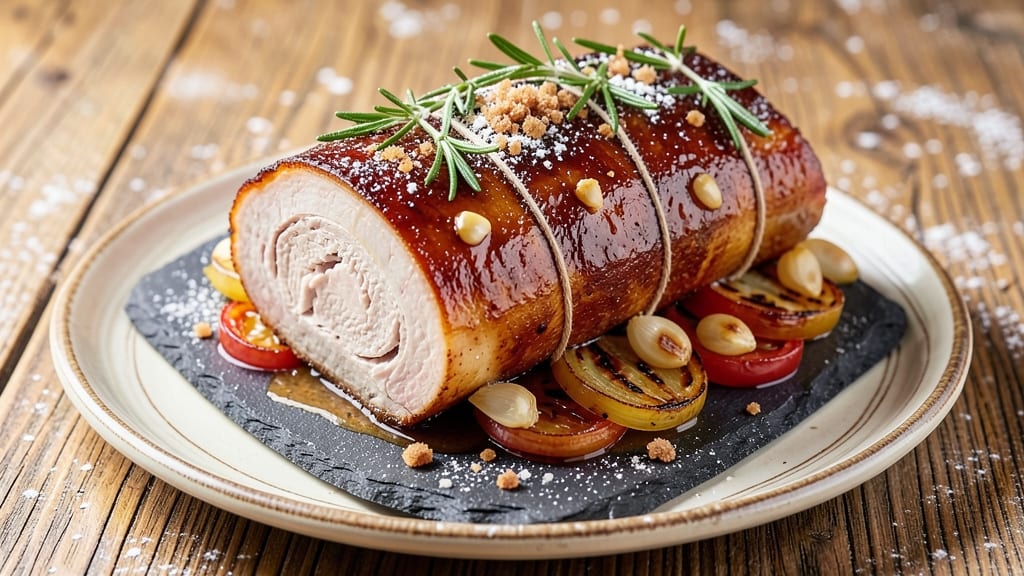
This boneless rolled pork shoulder recipe transforms tough cuts into melt-in-your-mouth perfection with layers of flavor and moisture locked in every bite. 🔥 After years of perfecting the technique at The Smoky Pig, I’ve cracked the code for juicy, tender pork that stays succulent even after hours of cooking—no guesswork, just consistent results.
The secret lies in proper seasoning, precise trussing, and controlling the cooking process to avoid drying out that beautiful center.
The beauty of this method is its versatility—whether you’re slow-roasting in the oven, using a sous vide for precision, or finishing with a reverse sear for crispy edges. I’ve tested it countless times, and the key is patience: letting the pork work with you rather than against you.
With the right technique, you’ll end up with pork so tender it practically falls apart at the touch, infused with savory spices and just the right amount of bark on the outside.
What makes this recipe stand out is how it delivers restaurant-quality results at home—no smoker required. The rolled shape ensures even cooking and maximum moisture retention, while the seasoning blend (a mix of brown sugar, paprika, and garlic powder) creates a flavorful crust that seals in the juices.
This isn’t just another pork recipe; it’s a game-changer for anyone who’s ever struggled with dry, tough pork shoulder.
Serve it sliced thin over mashed potatoes, in sandwiches, or alongside roasted vegetables for a meal that feels both comforting and impressive. The leftovers? Even better the next day, making this the ultimate crowd-pleaser. Let’s get started on making pork that’ll have everyone asking for seconds.
Ingredients for boneless rolled pork shoulder
Six key ingredients plus smart prep—this rolled pork stays juicy for hours.
| Ingredient | Amount | Notes |
|---|---|---|
| Boneless Pork Shoulder Roast 🐖 | 4 lb | Center-cut for even cooking |
| Yellow Onion 🧅 | 1 whole | Sliced into 1/4-inch strips |
| Fresh Rosemary 🌿 | ¼ cup | Chopped sprigs, fresh preferred |
| Fresh Thyme 🌿 | ¼ cup | Leaves only, stems removed |
| Garlic Cloves 🧄 | 8 cloves | Peeled and smashed |
| Brown Sugar 🍯 | ¼ cup | Light or dark variety |
| Smoked Paprika 🌶️ | 2 tbsp | For deep smoky flavor |
| Garlic Powder 🧄 | 1 tbsp | Freshly ground preferred |
| Ground Black Pepper 🌶️ | 1 tbsp | Freshly cracked |
| Kosher Salt 🧂 | 2 tbsp | Diamond Crystal preferred |
| Unsalted Butter 🧈 | ½ cup | Cold, cubed |
| Apple Cider Vinegar 🍎 | 2 tbsp | For tenderizing |
| Heavy Cream 🥛 | ½ cup | For basting |
| Fresh Sage Leaves 🌿 | ¼ cup | Chopped, for finishing |
The pork shoulder is everything here. Center-cut roasts cook more evenly—ask your butcher if the regular cut isn't labeled. I always grab mine from Whole Foods or Costco because they carry consistent quality. Look for good marbling (those little white streaks of fat) and avoid anything with a grayish tint. The herbs? Fresh is non-negotiable for that bright flavor—Trader Joe's sells great bundles of rosemary and thyme. Smash those garlic cloves with the flat side of your knife for maximum flavor without burning.
No smoked paprika? Regular paprika plus a pinch of liquid smoke works in a pinch. Short on fresh herbs? Dried works at half the amount—just toast them in a dry pan for 30 seconds first to wake up the flavor. The butter and vinegar combo is a game-changer for moisture—don't skip it. For the brown sugar, light brown has less molasses flavor if you prefer a cleaner taste. And if you're prepping ahead, wrap the seasoned pork in plastic and refrigerate overnight—it'll be even more tender when you cook it.
This keeps beautifully—3-4 days in the fridge, 3 months frozen. I always make extra because leftovers reheated are even better. For freezing, slice it after cooking, portion into containers, and cover with a thin layer of broth to keep it moist. The rolled shape makes it easy to slice thin—just cut against the grain for maximum tenderness. Store the fresh herbs separately if you're prepping ahead, and add them fresh when serving for that restaurant-quality finish.
Why You'll Love This Recipe
- No Fuss Rolling: I’ll admit—I was skeptical about rolling pork shoulder myself. But this boneless cut? It’s already shaped like a log. Slice the onion into thin strips, tuck them inside with the herbs and garlic, and you’re done. No butchering skills required.
- Herb-Packed Punch: Between us, rosemary and thyme might sound basic, but when they caramelize into that pork? It’s like a warm hug in meat form. The garlic cloves tucked inside? They turn into little flavor bombs that melt into every bite.
- Leftovers That Shine: This recipe makes enough for dinner and lunch. I swear, the second day is even better—tender, juicy, and still packed with that garlic-herb magic. Pack it in containers, reheat it, and pretend you’re a meal-prep pro.
- Budget-Friendly Feast: Pork shoulder is the unsung hero of affordable proteins. A single roast feeds my family of four for days, and the onions/garlic/rosemary cost pennies. Honestly? It’s the kind of dish that makes grocery day feel like a win.
Step-by-step instructions for boneless rolled pork shoulder
Here's how to transform that pork shoulder into melt-in-your-mouth perfection.
👨🍳 Step 1: Prep the Pork with Precision
Start by laying the 4 lb boneless pork shoulder roast on a clean cutting board. Pat it completely dry with paper towels—this is non-negotiable for crispy layers later. The reason we dry it so thoroughly is that any moisture creates steam instead of that beautiful crust we're after.
Next, make a pocket in the center by slicing down through the thickest part about halfway through the meat. Be careful not to cut all the way through—you want to create a pocket that can hold our aromatics. This is where the magic happens: we'll stuff this pocket with our flavor-packed filling that keeps the meat juicy from the inside out.
🥘 Step 2: Create the Flavor-Packed Filling
In a medium bowl, combine the sliced yellow onion, chopped fresh rosemary, fresh thyme leaves, smashed garlic cloves, brown sugar, smoked paprika, garlic powder, ground black pepper, and kosher salt. Mix well until the onions are evenly coated with the spice blend. This aromatic medley will infuse the pork as it cooks, creating layers of flavor in every bite.
Now carefully stuff this mixture into the pocket you created in the pork. Press gently to compact it, but don't overpack—you want room for the juices to circulate. Here's the thing—this filling acts like a moisture lock, preventing the pork from drying out during the long cook. The brown sugar also helps create that beautiful caramelized crust on the outside.
🔥 Step 3: Roll and Tie for Perfect Shape
Roll the pork tightly from one end to the other, using kitchen twine to secure it every 2 inches along the length. This creates a compact package that cooks evenly and holds its shape. The twine prevents the roast from unrolling as it cooks, which would expose raw meat to the heat and potentially dry it out.
Place the rolled pork on a rack set inside a roasting pan. This rack is crucial—it allows hot air to circulate all around the meat, not just on the bottom where it would touch the pan. Add the cold cubed butter to the pan—this will baste the pork as it cooks, adding richness and helping create that golden crust.
🔥 Step 4: Sear and Roast to Perfection
Preheat your oven to 325°F. Once hot, place the pork in the oven and roast for 3 hours. This low-and-slow approach is key to tenderizing the connective tissue without drying out the meat. After 3 hours, remove the pork and increase the oven temperature to 425°F. This final high-heat phase creates that beautiful crust we're after.
Return the pork to the oven and roast for another 20-30 minutes until the internal temperature reaches 195-203°F and the crust is deep golden brown. The high heat at the end caramelizes the sugars in the crust while keeping the interior moist. Here's where it gets fun—you'll know it's ready when you see that gorgeous mahogany crust forming and the juices run clear when you pierce the thickest part.
⏰ Step 5: Rest and Baste for Maximum Juiciness
Remove the pork from the oven and transfer it to a cutting board. Let it rest for at least 30 minutes before slicing. This resting period is absolutely critical—it allows the juices to redistribute throughout the meat instead of pooling and running out when you cut into it. I know it's hard to wait, but trust me on this one.
While the pork rests, pour the apple cider vinegar and heavy cream into the roasting pan. Place the pan on the stovetop over medium heat and bring to a simmer, scraping up all those delicious browned bits from the bottom. This creates a rich basting sauce that you can drizzle over the sliced pork before serving. The acidity from the vinegar cuts through the richness of the pork, balancing every bite perfectly.
Pro Tips For Making Boneless Rolled Pork Shoulder
- Sear the Onions First: The onions in this recipe are the flavor base—don’t just toss them in raw. Sauté them in a dry pan with a pinch of salt until deep golden brown before adding anything else. That caramelization turns bland onions into sweet, rich layers that stick to the pork like glue.
- Trim the Fat Like a Pro: That white fat cap on the pork shoulder? Don’t just cut it off—score it in a crosshatch pattern before rolling. It renders down during cooking, basting the meat and keeping it moist. (Yes, it looks weird, but it works.)
- Don’t Rush the Rest: After rolling, let the pork shoulder sit at room temp for 30–45 minutes before searing. Cold meat tightens up when you hit it with heat, and that means uneven cooking. Patience here guarantees a juicy center and a crispy exterior.
- Upgrade with Garlic Paste: Fresh garlic cloves can burn or stay raw in this slow cook. Swap half for garlic paste—just 1–2 tablespoons mixed into the herbs. It blends smoothly, adds depth without risking bitterness, and cuts down on prep time. (Your future self will thank you.)
Wine and beer pairings for this recipe
Red Wine Classics
For this rich, savory pork dish, I always reach for a bold red wine that can stand up to the deep flavors. A Cabernet Sauvignon from Napa Valley—like Caymus Vineyards or Opus One—is my go-to.
The tannins complement the pork's fat beautifully, while its dark fruit notes echo the brown sugar crust. If you prefer something with more earthiness, a Syrah from the Rhône Valley (try Guigal Côte-Rôtie) adds peppery complexity that pairs wonderfully with the smoked paprika in the seasoning. 🍷
Crisp White Options
Don’t overlook whites if you prefer them! A dry Riesling from Germany—like Dr. Loosen Blue Slate—cuts through the richness with its bright acidity and hints of citrus. The slight sweetness in some Rieslings also balances the pork’s savory depth.
For something lighter, a Chardonnay with good acidity (such as Meursault from Burgundy) works beautifully, especially if you’ve added a splash of cream to the basting sauce. The buttery notes in the wine mirror the pork’s richness without overpowering it.
Beer Pairings
If wine isn’t your thing, a dark lager or amber ale is perfect. I love pairing this dish with a Belgian Dubbel like Westmalle Trapist—its caramel and spice notes harmonize with the pork’s crust and herbs.
For something lighter, a honey-brown ale (such as New Belgium Fat Tire) complements the brown sugar and rosemary beautifully. Avoid heavy IPAs or stouts; they’ll overpower the delicate balance of flavors in the pork.
Cider for a Southern Twist
Growing up in Georgia, I’d often see this dish served with dry hard cider—especially during family gatherings. A crisp Dry Hopped Apple Cider from Angry Orchard or Woodchuck Hard Cider adds a refreshing contrast to the pork’s richness.
The slight tartness cleanses the palate, making each bite feel fresh. If you’re serving this at a BBQ, a cold cider is a crowd-pleaser that pairs effortlessly with the dish’s smoky, herby notes.
Non-Alcoholic Options
For guests who don’t drink, a sparkling grape juice (like Martinelli’s Sparkling Cider) mimics the effervescence of champagne while complementing the pork’s flavors. Alternatively, a ginger beer (such as Feather’s Ginger Beer) adds a zesty kick that brightens the dish.
I also love serving chilled hibiscus iced tea—its tartness balances the pork’s richness without overpowering it. 💫
Nutrition facts
Frequently asked questions
Why roll the pork shoulder instead of cooking it whole?
The rolled shape creates a compact package that cooks evenly and locks in moisture better than a whole cut. The pocket we stuff with aromatics acts like a flavor bomb, infusing the meat from the inside out while preventing dryness. Plus, the rolled form holds its shape beautifully during slicing—no messy unraveling!
Can I substitute boneless pork shoulder with bone-in?
Yes, but you'll need to adjust the cook time. Bone-in pork takes longer to reach the same internal temperature. Use the same method, but expect 45-60 minutes extra cooking time. The bone actually helps keep the meat moist, so it's not a bad swap!
What's the best way to slice rolled pork shoulder?
Always cut against the grain for maximum tenderness. First remove the twine, then slice at a 45-degree angle into 1/4-inch thick slices. The rolled shape makes this easier than with whole cuts—just follow the natural grain direction you see when unrolling it.
Can I make this in an Instant Pot or slow cooker?
For the Instant Pot, cook on high pressure for 90 minutes after searing, then do a natural release. For slow cookers, use low heat for 8-10 hours. The key is to finish with a quick sear in a hot pan to create that crispy crust we love.
Why does my pork turn out dry sometimes?
Most likely you didn't rest it long enough or overcooked it. The pork needs 30-45 minutes to rest after cooking—this lets juices redistribute. Also check your internal temp: 195-203°F is perfect. If it's higher, you've gone too far!