
Main Courses
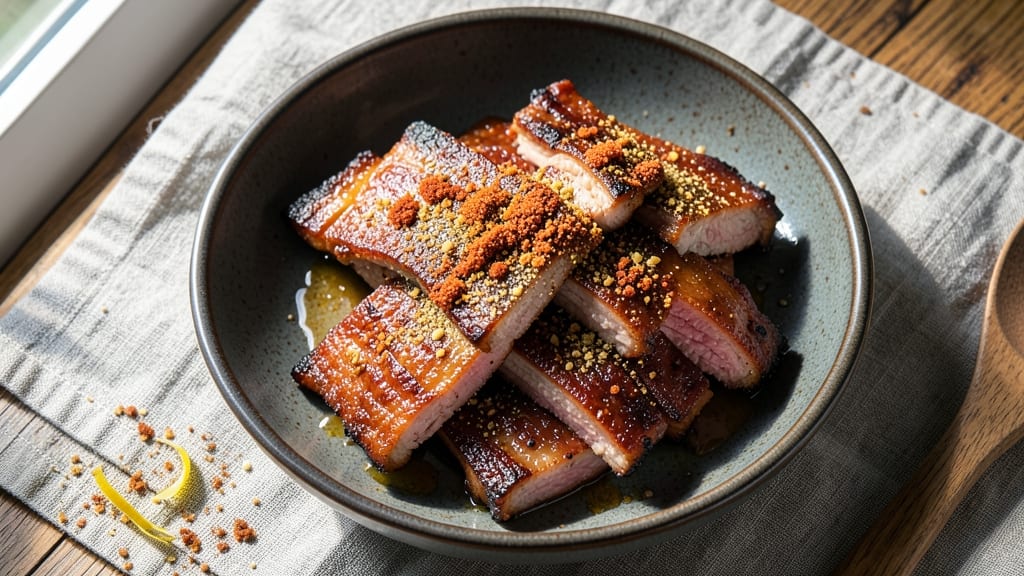
This boneless pork spare ribs oven recipe delivers the perfect balance of crispy bark and juicy hearts—no smoker required. After years of perfecting my technique at Atlanta The Smoky Pig, I've simplified the process for home cooks while maintaining that restaurant-quality texture.
The secret lies in a dry rub that develops deep flavor during the slow cook, followed by a high-heat finish to create that coveted crackling crust.
The beauty of this method is its simplicity: just one pan, minimal prep, and about 2 hours of hands-off cooking.
I use a blend of brown sugar, smoked paprika, and garlic powder for that classic BBQ flavor profile, but the real magic happens when the ribs rest after cooking—allowing the juices to redistribute for maximum tenderness.
This is the kind of recipe that transforms a weeknight dinner into a showstopper without requiring a single piece of equipment beyond your oven.
What you'll end up with is shatteringly crispy edges that give way to fork-tender meat inside, all coated in a glossy, flavorful bark.
The aroma alone will have everyone gathering around your table, and the presentation—with those beautiful caramelized ribs piled high—makes it perfect for gatherings or when you want to impress. The best part? These ribs are just as delicious cold the next day, making them ideal for meal prep.
Pair them with classic sides like creamy coleslaw or buttery cornbread to complete the meal. Here's how to achieve that perfect balance of texture and flavor every time—no pitmaster skills required.
Ingredients for boneless pork spare ribs oven
These 11 ingredients transform simple pork ribs into restaurant-quality masterpieces with crispy edges and juicy centers.
| Ingredient | Amount | Notes |
|---|---|---|
| Boneless Pork Spare Ribs 🥓 | 2 lb | Trimmed of excess fat for even cooking |
| Brown Sugar 🍚 | ½ cup | Light or dark variety preferred |
| Smoked Paprika 🌶️ | 2 tbsp | High-quality for authentic smoky flavor |
| Garlic Powder 🧄 | 1 tbsp | Freshly ground for maximum aroma |
| Onion Powder 🧅 | 1 tbsp | Enhances sweetness and depth |
| Ground Black Pepper 🌶️ | 1 tsp | Freshly cracked for bold flavor |
| Kosher Salt 🧂 | 1 tbsp | Diamond Crystal preferred for balance |
| Apple Cider Vinegar 🍎 | 2 tbsp | For tenderizing and tangy depth |
| Olive Oil 🫒 | 1 tbsp | Extra-virgin for high-heat searing |
| Fresh Rosemary 🌿 | 1 tbsp | Chopped, for aromatic complexity |
| Fresh Thyme Leaves 🌿 | 1 tbsp | Chopped, for herbal brightness |
The ribs are the star—look for thin, uniform cuts at Whole Foods or your local butcher shop. Trim any thick fat caps to ensure even cooking and maximum crispiness. Costco's pork ribs are my go-to for consistency, but any quality boneless spare ribs will work. The brown sugar isn't just for sweetness; it's the foundation of that caramelized bark. Domino or C&H brands are reliable, but organic cane sugar adds extra depth if you're feeling fancy. Fresh herbs make all the difference—Trader Joe's often has great bundles of rosemary and thyme at a fraction of the price of specialty markets.
No smoked paprika? Substitute 1 tbsp regular paprika plus 1/2 tsp liquid smoke—it's a game-changer for that smoky flavor. Out of apple cider vinegar? White vinegar or lemon juice works in a pinch, though the flavor profile shifts slightly. The garlic and onion powders can be swapped for fresh minced garlic and onion (about 2 cloves each), but dried spices are more convenient for this recipe. For a deeper rub, add 1 tsp ground coriander—it rounds out the flavors beautifully. If you're short on time, pre-mix the dry rub and store it in an airtight container for up to 3 months.
These ribs are best made fresh, but they reheat beautifully—425°F oven for 10-15 minutes with a splash of water in the pan. The leftovers keep for 4-5 days in the fridge, though I always eat them within 2 days for peak texture. For meal prep, portion the ribs into individual servings and freeze them on a tray before transferring to a bag. They'll stay crispy for up to 3 months—just thaw overnight in the fridge before reheating. The dry rub? Store it in a cool, dark place for 6 months if you make extra.
Why You'll Love This Recipe
- One-Pan Magic: I swear by this recipe when I’m too tired to scrub pots—just toss the ribs, sugar, and spices on a sheet pan, and let the oven do the work. No messy marinades or extra bowls to wash.
- Sweet-Smoky Crave: That caramelized brown sugar crust? It’s the star—deep, sticky, and balanced by the smoky paprika and warm garlic. Honestly, I’ve made it for dinner parties, and no one ever guesses it’s oven-only.
- Leftover Goldmine: These ribs reheat like a dream—crispy edges stay crispy, tender meat doesn’t turn rubbery. I’ve packed them for lunches, frozen half for lazy nights, and even served them cold in tacos. Versatile doesn’t even cover it.
- Budget Win: Pork ribs are cheaper than brisket, and you’re using every bite—no waste. Plus, the spices cost pennies, so this feeds four for under $15. My wallet thanks me every time.
Step-by-step instructions for boneless pork spare ribs oven recipe
This method delivers melt-in-your-mouth tenderness with a perfect crispy bark—no smoker needed.
Prepare the Dry Rub for Maximum Flavor
In a medium bowl, combine the 2 tablespoons smoked paprika, 1 tablespoon garlic powder, 1 tablespoon onion powder, 1 teaspoon ground black pepper, and 1 tablespoon kosher salt. This blend creates the perfect balance of smoky depth and savory warmth. I always use freshly ground spices—they make a noticeable difference in flavor intensity.
Next, add the 0.5 cup brown sugar to the dry mixture and stir until fully incorporated. The sugar will caramelize during cooking, forming that coveted crispy bark while keeping the meat tender. For best results, use light brown sugar—it has a slightly more refined sweetness that pairs beautifully with the smoky spices.
Coat and Marinate the Ribs
Pat the 2 lb boneless pork spare ribs completely dry with paper towels—this is crucial for the rub to adhere properly and for achieving that perfect crispy exterior. I like to work in batches if needed, making sure every surface is thoroughly dried. Place the ribs in a large resealable plastic bag and pour in the 2 tablespoons apple cider vinegar. The vinegar helps tenderize the meat while adding a subtle tang that balances the sweetness.
Add the dry rub mixture to the bag and seal it tightly. Massage the rub into the ribs, coating them evenly on all sides. The goal is to create a thick, flavorful crust that will stick to the meat during cooking. Let the ribs marinate in the refrigerator for at least 1 hour, but I prefer 4 hours or even overnight for maximum flavor penetration. This step is where the magic starts—don't skip it!
Sear for Color and Crispiness
Preheat your oven to 425°F for the best results. While the oven heats, place a wire rack on a rimmed baking sheet. This rack allows air to circulate underneath the ribs, ensuring even cooking and crispy skin. Heat 1 tablespoon olive oil in a large oven-safe skillet over medium-high heat. Once the oil is shimmering, carefully add the ribs in a single layer and sear for 2-3 minutes per side until deeply golden brown.
Here's the thing—this searing step isn't just about flavor; it's about building that foundational crust that will develop into the crispy bark during the oven phase. You'll know it's ready when the ribs release easily from the pan and have developed a beautiful caramelized color. Transfer the seared ribs to the prepared wire rack on the baking sheet.
Bake to Juicy Perfection
Place the baking sheet with the ribs in the preheated 425°F oven and bake for 30 minutes. After this initial baking time, reduce the oven temperature to 275°F—this lower temperature is crucial for cooking the ribs through without drying them out. Continue baking for an additional 1 hour and 30 minutes, or until the internal temperature reaches 195-203°F when measured with a meat thermometer.
During this time, the ribs will develop that perfect balance of crispy exterior and tender, juicy interior. I check the internal temperature at the 1-hour mark to ensure I don't overcook them. The ribs are done when they're fork-tender with just a slight resistance, indicating they're perfectly cooked through. The bark should be deep mahogany in color and crispy to the touch.
Rest and Serve with Fresh Herbs
Remove the ribs from the oven and let them rest on the baking sheet for 10 minutes. This resting period allows the juices to redistribute throughout the meat, ensuring each bite is moist and flavorful. While they rest, finely chop the 1 tablespoon fresh rosemary and 1 tablespoon fresh thyme leaves, then sprinkle them over the top of the ribs. This final garnish adds a bright, aromatic finish that complements the smoky, sweet flavors.
Slice the ribs between the bones into individual servings and arrange them on a platter. The contrast of the crispy bark with the tender, juicy meat is what makes this recipe truly special. Serve immediately with your favorite sides—crusty bread, coleslaw, or roasted vegetables all pair beautifully. The ribs should be so tender they practically fall apart with a gentle tug, yet still maintain that irresistible crispiness on the outside.
Pro Tips For Making Boneless Pork Spare Ribs Oven
- Sear First, Then Sweeten: Hit the ribs with a quick sear in a hot pan—no oil needed, just the natural fats—before tossing in the brown sugar mix. This locks in juices and builds a crust that won’t dissolve when you bake. (Yes, even if you’re impatient like me, resist the urge to skip this.)
- Pat Dry, Then Salt: After searing, wipe the ribs with paper towels until they’re bone-dry. Then hit them with a generous pinch of salt (about 1 tsp per pound) before adding the sugar-spice rub. Moisture is the enemy of crispy edges—this isn’t the prettiest method, but it’s the tastiest.
- Bake Low and Slow: Your oven’s actual temperature is probably 25°F cooler than it says. Set it to 275°F (not 300°F) for the last 45 minutes of cooking, and tent the ribs loosely with foil if they’re browning too fast. Undercooked ribs are sad; overcooked ribs are dry. This guarantees tender, pull-apart texture.
- Double the Spice: The sugar in your rub will caramelize, but the smoked paprika and garlic powder can get lost in the process. Add an extra ½ tsp of each after mixing—it’s the thing that makes the flavor sing, not just the sweetness. (I was skeptical until I tried it.)
Creative variations of this dish
Southern BBQ Style
For a true Carolina-inspired twist, add 1 tablespoon yellow mustard to your dry rub and increase the brown sugar to ⅔ cup. This creates a sweeter, stickier bark that's perfect for slathering on sandwiches.
I like to finish these ribs with a ½ cup BBQ sauce glaze (I use Sweet Baby Ray's) during the last 10 minutes of cooking. Brush it on generously and broil for 2-3 minutes to get that glossy finish. Serve with white bread for classic Southern-style pork sandwiches. 🌶️
Asian-Inspired Glaze
Transform your ribs into a fusion masterpiece by swapping the dry rub for a 1-inch thick mixture of 2 tablespoons hoisin sauce, 1 tablespoon soy sauce, 1 tablespoon rice vinegar, 1 tablespoon grated ginger, and 1 tablespoon sesame oil. Coat the ribs thoroughly and bake as directed.
For extra shine, brush with 2 tablespoons honey and 1 tablespoon sriracha during the last 15 minutes of cooking. Garnish with toasted sesame seeds and sliced green onions. This version pairs beautifully with steamed jasmine rice or cucumber salad.
Honey Garlic Crisp
Skip the dry rub entirely and marinate the ribs in a mixture of ¼ cup honey, 3 tablespoons soy sauce, 2 tablespoons minced garlic, 1 tablespoon grated ginger, and 1 teaspoon red pepper flakes for at least 4 hours.
After searing, bake at 350°F for 1 hour instead of the two-stage method. The result is tender, sticky ribs with a caramelized honey glaze. Finish with a sprinkle of crushed peanuts for texture and serve with steamed bok choy for a complete meal.
Breakfast Ribs
Turn your ribs into a brunch sensation by adding 1 teaspoon smoked paprika, 1 teaspoon onion powder, and ½ teaspoon cayenne to your dry rub. After baking, slice the ribs into ½-inch pieces and serve on a platter with scrambled eggs, crispy hash browns, and hot sauce for dipping.
The smoky, slightly spicy flavor makes these perfect for weekend breakfasts. I like to add a pinch of cayenne to the eggs for an extra kick. 🍳
Herb-Crusted Lemon
For a bright, Mediterranean-inspired variation, mix 2 tablespoons lemon zest, 1 tablespoon dried oregano, 1 tablespoon dried thyme, and 1 teaspoon lemon pepper into your dry rub. After baking, finish with a squeeze of fresh lemon juice and a sprinkle of flaky sea salt.
This version pairs beautifully with roasted potatoes and a simple Greek salad. The citrus notes cut through the richness of the pork beautifully, making it a refreshing twist on classic ribs.
Spicy Coffee Rub
Create a bold, complex flavor profile by combining 1 tablespoon instant coffee granules, 1 tablespoon brown sugar, 1 tablespoon smoked paprika, 1 teaspoon chili powder, and ½ teaspoon cayenne for your dry rub. The coffee adds a deep, earthy note that complements the smokiness perfectly.
After baking, serve with cooling sides like avocado slices or pickled jalapeños to balance the heat. This rub is a crowd-pleaser at my Atlanta restaurant—it's rich, smoky, and just spicy enough to wake up your taste buds. 💛
Nutrition facts
Frequently asked questions
Can I use regular pork ribs instead of boneless spare ribs?
Yes, but you'll need to adjust the cooking time and method. Bone-in ribs require 3-4 hours at 275°F with the bone side down on a rack to prevent steaming. Wrap them in foil after 2 hours to help tenderize, then unwrap for the final 30 minutes to crisp the bark. The internal temperature should reach 195-203°F in the thickest part of the meat.
How do I prevent the ribs from drying out?
Keep the oven temperature low (275°F) after the initial 30 minutes at 425°F—this slow cook ensures moisture retention. Use a wire rack to allow air circulation underneath, and never skip the 10-minute rest before slicing. For extra moisture, place a small bowl of water on the lower oven rack during cooking, though this is rarely needed with this recipe.
Can I make these ribs ahead of time?
Cook the ribs as directed, then let them cool completely. Store in an airtight container in the fridge for 4-5 days or freeze for up to 3 months. To reheat, place on a baking sheet at 425°F for 10-15 minutes until heated through. The texture stays crispy when reheated properly—just avoid microwaving.
What's the best way to slice boneless ribs?
Use a sharp boning knife to cut between the natural seams where the ribs separate. For even slices, angle the knife slightly to create ½-inch thick pieces. Work carefully to avoid tearing the meat—this is where having boneless ribs shines, as you don't need to navigate around bones. For presentation, arrange slices fanned out on a platter with the crispy bark facing up.
Why does my bark keep falling off?
This usually happens when the ribs aren't properly dried before applying the rub or if the oven temperature fluctuates too much. Pat the ribs completely dry with paper towels (even after marinating), and use a meat thermometer to monitor the oven temperature. For extra adhesion, lightly coat the ribs with 1 teaspoon olive oil before applying the dry rub. The bark should stay intact when handled gently.