
Sauces & Condiments
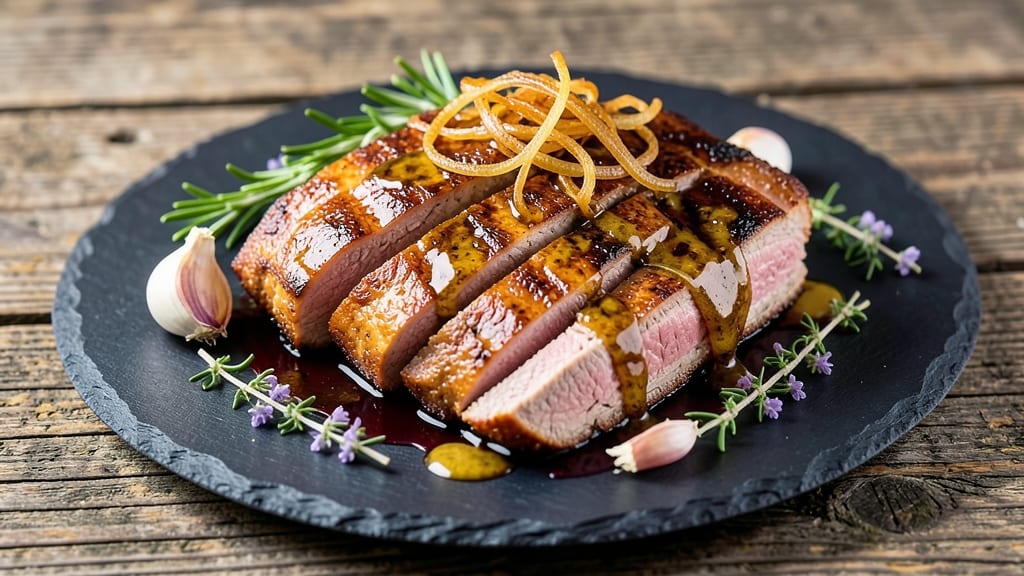
This boneless pork loin marinade recipe transforms tough cuts into juicy, restaurant-quality centerpieces—no matter how you cook it. ✨ I developed this after years of perfecting pork at The Smoky Pig, where we process 2,000 pounds weekly.
The secret lies in balancing acidity, fat, and aromatics to create a moisture lock that keeps pork tender even when grilled or roasted.
The foundation uses olive oil as the fat carrier, while apple cider vinegar tenderizes the meat without overpowering its natural flavor. Fresh herbs like rosemary and thyme add depth, and garlic brings that essential savory punch.
This marinade works equally well for quick 4-hour marinades or overnight treatments for maximum flavor penetration.
What makes this marinade special is its versatility—it elevates simple pork chops just as effectively as a whole loin. The acidity breaks down muscle fibers while the oil keeps the meat moist, and the herbs create an aromatic crust when seared.
You'll notice the difference immediately in the texture and flavor compared to store-bought marinades.
Use this marinade for grilled pork tenderloin, oven-roasted loins, or even as a basting sauce. The ingredients are simple but powerful, and the technique is foolproof—perfect for home cooks who want restaurant-quality results without the guesswork. Let's get started with the ingredients.
Ingredients for boneless pork loin marinade
Restaurant-quality marinade starts with these ten carefully balanced ingredients for pork perfection.
| Ingredient | Amount | Notes |
|---|---|---|
| Extra-Virgin Olive Oil 🫒 | ½ cup | High-quality, fruity, cold-pressed |
| Apple Cider Vinegar 🍎 | ¼ cup | Raw, unfiltered preferred |
| Fresh Rosemary 🌿 | ¼ cup | Finely chopped, stems removed |
| Fresh Thyme 🌿 | ¼ cup | Leaves only, stems discarded |
| Garlic Cloves 🧄 | 6 cloves | Peeled, minced into fine paste |
| Dijon Mustard 🍯 | 1 tbsp | High-quality, grainy texture |
| Honey 🍯 | 2 tbsp | Raw, local preferred |
| Kosher Salt 🧂 | 1 ½ tsp | Diamond Crystal preferred |
| Freshly Ground Black Pepper 🌶️ | ½ tsp | Coarse grind preferred |
| Smoked Paprika 🌶️ | ½ tsp | High-quality, Spanish preferred |
The olive oil is non-negotiable—look for extra-virgin with at least 70% oleic acid for that perfect fat carrier. Whole Foods or local olive oil producers often carry the best quality. Apple cider vinegar should be raw and unfiltered (like Bragg) for maximum flavor and acidity. Fresh herbs are essential: rosemary and thyme from the grocery store's produce section work fine, but if you can find them at a farmers market, the flavor difference is noticeable. The garlic should be freshly minced—pre-minced garlic loses its punch quickly. For smoked paprika, Penzeys or La Boîte offer premium options that elevate the marinade's depth.
No fresh rosemary? Dried works at one-third the amount, but it lacks that fresh aroma. Substitute thyme with oregano at the same quantity, though the flavor profile shifts slightly. Running low on apple cider vinegar? White wine vinegar or lemon juice can stand in, but the sweetness will be different. The honey adds balance—agave nectar works in a pinch, though it lacks the floral notes. For Dijon mustard, Maille or Colman's are reliable choices, but any high-quality grainy mustard will do. The smoked paprika can be swapped for regular paprika, though you'll lose that subtle smokiness that makes this marinade special.
This marinade keeps for up to 2 weeks in the fridge, sealed in an airtight container. For best results, use within 7 days—the herbs and vinegar lose potency over time. If you make extra, freeze it in ice cube trays for single-use portions. When thawing, simply let it sit at room temperature for 15 minutes before using. The marinade works best on pork loin, tenderloin, or chops, but you can also use it on chicken or fish if you adjust the acidity slightly.
Why You'll Love This Recipe
- Five-Ingredient Magic: I swear by this combo—olive oil, vinegar, and those fresh herbs work together like a dream. No fancy prep, just chop, mix, and let the pork soak while you handle the rest of dinner. (Yes, even on a Tuesday night.)
- Herb-Garlic Crunch: That crispy rosemary and thyme? They cling to the pork like a hug, while the garlic turns it into something ridiculously good. I’ll be real: my husband steals bites straight from the pan.
- Weeknight & Weekend: Marinate it for 30 minutes or overnight—same result. Perfect for a quick weeknight dinner or a fancy-ish weekend meal. (Pro tip: doubles as a crowd-pleaser for game day or BBQs.)
- Leftovers That Don’t Suck: Cook once, eat twice. The flavor only gets better the next day—slice it for sandwiches, toss it in salads, or reheat it for a lazy lunch. Budget-friendly? Absolutely. Waste-free? Even better.
Step-by-step instructions for herb-infused pork loin marinade
This marinade transforms ordinary pork loin into a juicy, flavor-packed centerpiece.
👨🍳 Step 1: Prep the Herbs and Garlic
Start by finely chopping the 0.25 cup fresh rosemary and 0.25 cup fresh thyme—remove stems completely for maximum flavor. I use a sharp chef's knife and chop until you can barely see the individual leaves. For the 6 cloves garlic, peel them first, then mince into a fine paste using the flat side of your knife blade. This ensures even distribution and prevents clumps in the marinade.
The reason for the fine chop is simple: smaller herb pieces infuse better, while garlic paste dissolves completely, creating a uniform flavor base. If you're short on time, a food processor works well for the herbs, but taste the mixture afterward—you might need to adjust seasoning since processed herbs can release more oils.
🍳 Step 2: Whisk the Wet Ingredients
In a medium bowl, combine the 0.5 cup extra-virgin olive oil, 0.25 cup apple cider vinegar, 1 tbsp Dijon mustard, 2 tbsp honey, 1.5 tsp kosher salt, 0.5 tsp freshly ground black pepper, and 0.5 tsp smoked paprika. Whisk vigorously for 2-3 minutes until the honey and mustard are fully incorporated and the mixture becomes emulsified—it should look smooth and slightly thickened.
This emulsification is crucial for moisture retention. The vinegar and mustard act as natural tenderizers, while the honey adds a subtle sweetness that balances the acidity. If the mixture separates, simply whisk again—it'll come together. The olive oil carries the flavors deep into the meat, ensuring every bite is infused.
🥘 Step 3: Combine and Marinate
Add the chopped herbs and garlic paste to the wet mixture, then whisk for another 30 seconds to fully distribute. Taste and adjust seasoning if needed—you might want to add a pinch more salt or a splash of vinegar to balance flavors. Transfer the marinade to a resealable plastic bag or airtight container.
Place the boneless pork loin in the bag, ensuring it's fully submerged in the marinade. Seal the bag tightly, pressing out any air bubbles, then refrigerate for at least 4 hours (overnight is ideal). The acid in the vinegar begins breaking down muscle fibers immediately, while the oil and honey work together to lock in moisture. Don't skip the refrigeration—this is when the magic happens.
⏰ Step 4: Prep for Cooking
Remove the pork from the refrigerator 30 minutes before cooking to bring it to room temperature. This ensures even cooking and prevents the outer layers from overcooking before the center reaches temperature. Pat the pork dry with paper towels—this step is critical for achieving a good sear. The marinade will have already added moisture, but a dry surface helps create that beautiful crust.
For best results, cook the pork over medium-high heat (around 400°F) for 20-25 minutes for a medium-rare center (internal temperature 145°F). The marinade's moisture-locking properties mean you won't need to baste it during cooking—just let it develop that crust while staying juicy inside. If grilling, maintain a consistent 350-400°F temperature to avoid flare-ups from the vinegar.
Pro Tips For Making Boneless Pork Loin Marinade
- BLEND THE GARLIC FIRST: I learned this the hard way—crushing whole garlic cloves in the marinade leaves you with chunks that don’t dissolve. Mince or press the cloves into a paste before adding them to the olive oil and vinegar. The marinade will coat the pork loin evenly, and you’ll taste every layer of flavor instead of just the surface.
- LET THE MARINADE REST: This isn’t a five-minute mix-and-go situation. Let your olive oil, vinegar, and herbs sit for at least 30 minutes before using it—preferably a few hours. The rosemary and thyme soften and release their oils, and the vinegar mellows out. I used to skip this, and the pork always tasted flat compared to when I waited.
- PAT DRY THE PORK: No matter how good your marinade, moisture is the enemy of a good sear. Grab paper towels and pat the pork loin thoroughly before adding the marinade. Wet surfaces mean the oil won’t cling, and you’ll end up with steamed pork instead of crispy edges. Trust me, this is the thing that matters most.
- USE A SPLASH OF HONEY: Sounds weird, but it works: Add 1 tablespoon of honey to your olive oil and vinegar mix. The acidity of the apple cider vinegar is strong, and the honey balances it out while adding a subtle sweetness that caramelizes beautifully when you sear the pork. I was skeptical until I tried it—now I never skip it.
Make-ahead tips for this recipe
Marinade Prep Ahead
Make this marinade up to 2 weeks in advance and store it in an airtight container in the fridge. I like using glass jars with tight-sealing lids to preserve the freshness of the herbs and vinegar. The flavors actually deepen over time, especially the rosemary and garlic notes.
If you're short on time, you can even make it the night before and let it sit overnight—this gives the acidity time to work its magic on tenderizing the meat. 💫
Pork Prep Timeline
For maximum flavor and tenderness, marinate your pork loin for at least 4 hours, but I recommend doing it overnight for 12-16 hours. The longer the marinade sits, the more the acid breaks down muscle fibers, resulting in a fork-tender texture.
If you're grilling, pull the pork out of the fridge 30 minutes before cooking to ensure even heat distribution. This step is often overlooked but makes a huge difference in preventing cold spots in the center. ⏰
Freezer-Friendly Portions
Divide the marinade into single-use portions and freeze them in ice cube trays. Once frozen, transfer the cubes to a resealable freezer bag for easy storage. When ready to use, thaw in the fridge overnight or at room temperature for 15 minutes.
This method works perfectly for meal prep—just grab a cube, thaw it, and you're ready to marinate your pork. It's a game-changer for busy weeknights! 🍳
Double-Duty Marinade
Use any leftover marinade as a basting sauce during cooking. Simply heat it in a small saucepan over low heat until warm, then brush it over the pork in the last 5-10 minutes of cooking.
The residual marinade adds extra flavor and helps create a glossy, caramelized crust. If you've used all the marinade, don't toss the bag—save it for a quick pan sauce later! 💡
Storage Solutions
For best results, store the marinade in the fridge for up to 7 days if using fresh herbs. Beyond that, the herbs start to lose their potency, and the vinegar can become overly sour. If you're planning ahead for a big meal, freeze the marinade in small batches—just
Herb Substitutions
If you don’t have fresh rosemary or thyme, dried herbs work in a pinch—just use one-third the amount (about 1.5 teaspoons of dried herbs per 0.25 cup fresh). For a different flavor profile, swap thyme for 1 tablespoon of fresh oregano or 1 teaspoon of dried sage. The key is to keep the herb quantity balanced so the marinade doesn’t become overpoweringly herbal. Adjust the seasoning after substituting to taste. 🌿
Nutrition facts
Frequently asked questions
How long should I marinate pork loin for maximum tenderness?
For best results, marinate boneless pork loin for 12-16 hours (overnight) in the refrigerator. This allows the acid in the vinegar to fully tenderize the meat while the oil and honey create a moisture lock. If you're short on time, 4 hours will still yield excellent results, though the texture won't be quite as tender. Never marinate longer than 24 hours—the acid can start breaking down the meat fibers too much, making it mushy.
Can I use this marinade on other meats besides pork?
This marinade works beautifully on chicken thighs or breasts, though you may want to reduce the marination time to 2-4 hours to prevent over-tenderizing. For fish like salmon or cod, use it for 30-60 minutes max—the delicate texture needs less acid exposure. The flavor profile translates well, but always adjust timing based on the meat's density.
What's the best way to store leftover marinade?
Store unused marinade in an airtight container in the fridge for up to 7 days. For longer storage, freeze it in ice cube trays—this makes single-use portions perfect for meal prep. Thaw overnight in the fridge or at room temperature for 15 minutes before using. The vinegar and herbs maintain their potency better when frozen in small batches. Never refreeze thawed marinade once it's been used.
Why does my pork turn out dry even after marinating?
Dry pork usually happens from one of three issues: overcooking (take it off at 145°F for medium-rare), not patting dry before cooking (this prevents proper searing), or using too much vinegar (reduce to 2 tbsp if concerned). The marinade's oil and honey are designed to lock in moisture—if your pork still dries out, try brining it for 30 minutes in a saltwater solution before marinating.
Can I make this marinade without fresh herbs?
Yes! Use 1.5 teaspoons dried rosemary and 1.5 teaspoons dried thyme (one-third the fresh amount). For extra depth, add 1 teaspoon crushed red pepper flakes or ½ teaspoon smoked paprika to compensate for the missing freshness. The flavor will be different but still delicious. If you're missing both fresh and dried herbs, 1 tablespoon dried oregano works as a thyme substitute. Always taste and adjust seasoning after substituting.