
Main Courses
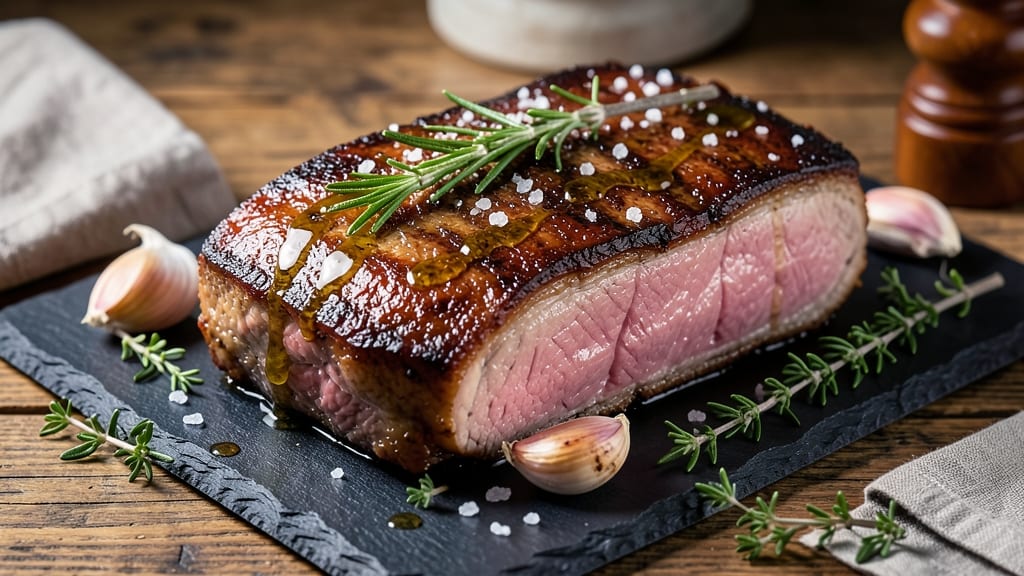
This boneless pork ribeye roast recipe oven delivers melt-in-your-mouth tenderness without the bone—perfect for Sunday dinners or special occasions. After years of perfecting oven techniques, I've cracked the code for juicy, flavorful pork that stays moist through every slice.
The secret lies in proper seasoning and precise temperature control, ensuring your roast emerges perfectly cooked every time.
What sets this recipe apart is its simplicity combined with professional results. You'll work with just a few key ingredients—quality pork, aromatic herbs, and a touch of garlic—that transform into a restaurant-worthy centerpiece.
The roast cooks at a steady 325°F to develop deep flavor while maintaining moisture, with a final sear for that coveted golden crust. This method ensures your pork reaches the ideal 145°F internal temperature without drying out.
The result is a perfectly cooked roast with a tender, juicy interior and a flavorful crust that holds every slice together. The aromas of garlic, rosemary, and thyme infuse the meat throughout, creating layers of savory depth.
It's the kind of dish that makes guests ask for seconds and leaves your kitchen smelling like a holiday feast.
Serve with classic sides like roasted potatoes, glazed carrots, or a fresh green salad to complete the meal. The roast slices beautifully and pairs well with rich gravies or simple pan sauces. Let's create a showstopping centerpiece that's easier than you think.
Ingredients for boneless pork ribeye roast recipe oven
Six simple ingredients transform into a showstopping roast with restaurant-quality tenderness.
| Ingredient | Amount | Notes |
|---|---|---|
| Boneless Pork Ribeye Roast 🥩 | 3 ½ lb | Center-cut for even cooking |
| Fresh Rosemary 🌿 | ¼ cup | Finely chopped, stems removed |
| Fresh Thyme 🌿 | 0.1 cup | Leaves only, no stems |
| Garlic Cloves 🧄 | 6 cloves | Smash lightly for flavor infusion |
| Extra-Virgin Olive Oil 🫒 | 2 tbsp | High-quality, fruity variety |
| Kosher Salt 🧂 | 1 ½ tsp | Diamond Crystal preferred |
| Freshly Ground Black Pepper 🌶️ | 1 tsp | Cracked peppercorns preferred |
| Unsalted Butter 🧈 | 2 tbsp | Cold, for crust formation |
| Fresh Parsley 🌿 | 0.1 cup | Chopped, for garnish |
| Yellow Onion 🧅 | 1 whole | Thinly sliced, for pan sear |
| Fresh Sage Leaves 🌿 | 0.1 cup | Crumbled, for herb blend |
The pork is non-negotiable—center-cut ribeye gives the best marbling and tenderness. Costco or Whole Foods carry excellent pre-trimmed roasts, but if buying whole, ask your butcher to remove the bone and fat cap. Look for vibrant color and good marbling—pale or dry-looking meat will yield a tough roast. The herbs? Fresh is essential—dried won't infuse the same depth. I always grab extra rosemary and thyme since they keep well in the fridge for up to 2 weeks when wrapped in damp paper towels.
No fresh rosemary? Dried at one-third the amount works in a pinch, but the flavor won't be as bright. Short on garlic? Garlic powder at half the amount gets you close, though fresh is always better. The olive oil matters—avoid cheap brands that taste bitter. For the final sear, I use European-style butter (like Plugrá) which has higher fat content for better browning. The onion is optional but adds incredible depth to the pan juices—caramelize it until deep golden before deglazing with a splash of red wine or beef broth.
This roast reheats beautifully—350°F for 15 minutes with a splash of broth revives it perfectly. Store leftovers in the fridge for 4 days or freeze for 3 months by wrapping tightly in butcher paper. For make-ahead convenience, prep the herb mixture and sear the onions up to 2 days ahead. The roast itself should rest at room temperature for 30 minutes before cooking to ensure even doneness. Trust me on this—skipping the rest time leads to dry slices.
Why You'll Love This Recipe
- One-Pan Magic: I swear by this recipe when I’m too tired to wash extra dishes. Just sear the roast in olive oil, toss in whole garlic cloves and sprigs of rosemary and thyme, then let the oven do the rest—no basting, no fuss, no stress.
- Herb-Crusted Perfection: That crispy rosemary-thyme crust on the outside? It’s like a hug in meat form. The garlic infuses the pork so deeply, every bite tastes like it’s been slow-cooked—even though it’s ready in under an hour.
- Weeknight Hero: Between us, this is my go-to when I need something impressive but low-effort. Serve it with roasted potatoes or crusty bread, and suddenly dinner feels special—no takeout menu required.
- Leftovers That Don’t Suck: I make this on Sundays because the leftovers reheat like a dream. Thinly slice the roast, toss it in a pan with a splash of olive oil, and boom—crispy, flavorful pork sandwiches or pasta topping for days.
Step-by-step instructions for boneless pork ribeye roast
This method delivers melt-in-your-mouth tenderness with a golden crust—no bone, no stress.
Prep the Roast for Perfect Browning
Pat the 3.5 lb boneless pork ribeye roast completely dry with paper towels—this is non-negotiable for crispy skin. Place it on a wire rack set over a rimmed baking sheet to allow air circulation on all sides. Rub the surface generously with 2 tablespoons extra-virgin olive oil, working it into the meat until it glistens evenly. This creates a barrier that locks in moisture while promoting browning.
Next, create your herb blend by combining 0.25 cup finely chopped fresh rosemary, 0.1 cup fresh thyme leaves, 0.1 cup crumbled fresh sage leaves, 1.5 teaspoons kosher salt, and 1 teaspoon freshly ground black pepper. Press this mixture firmly into every crevice of the roast, including the cut edges. The herbs will infuse the meat as it cooks, while the salt helps tenderize the protein. Let the seasoned roast sit at room temperature for 30 minutes before roasting—this ensures even cooking from edge to center.
Sear the Onion and Garlic for Deep Flavor
While the roast rests, heat a large oven-safe skillet over medium-high heat. Add 1 whole yellow onion, sliced thinly, and cook undisturbed for 5-6 minutes until the edges begin to caramelize and turn golden. Stir occasionally, but avoid overcrowding—the goal is to develop deep flavor through slow, even browning. Remove the onions and set aside on a plate.
In the same skillet, add 6 lightly smashed garlic cloves and cook for 30 seconds until fragrant but not browned. The garlic should sizzle gently—if it burns, you've gone too far. Remove the garlic and set it aside with the onions. This step builds layers of flavor that will meld beautifully with the roast during the final minutes of cooking. Wipe out any excess oil from the skillet with a paper towel, leaving just a light coating for the butter to crisp.
Roast Low and Slow for Maximum Tenderness
Preheat your oven to 325°F—this lower temperature ensures the pork cooks evenly without drying out. Place the skillet with the roast in the oven and cook for 2 hours and 15 minutes, or until the internal temperature reaches 145°F when measured with a meat thermometer in the thickest part. The roast should feel slightly firm to the touch but still yield slightly when pressed gently with your fingers.
Here's the thing—pork ribeye benefits from a long, slow cook that breaks down connective tissue without overcooking the surface. Resist the urge to check the temperature early; the roast will continue rising 5-10°F after removal from the oven. For best results, use an oven thermometer to confirm your oven's accuracy—many run hot, so adjust as needed.
Finish with Butter and Herbs for Crispy Perfection
Remove the roast from the oven and transfer it to a cutting board. Let it rest for 15 minutes before slicing—this resting period allows the juices to redistribute, ensuring every bite stays moist. Meanwhile, return the skillet to the oven on broil high for 2 minutes to crisp any residual juices.
Add 2 tablespoons cold unsalted butter to the skillet and swirl it around until melted. Immediately return the roast to the skillet, spooning the melted butter evenly over the surface. Place the reserved onions and garlic on top, then cover the skillet with a lid or foil. Return to the oven for 5-7 minutes until the butter browns and forms a golden crust. This final step creates that coveted restaurant-quality finish.
Slice and Serve with Herb Garnish
Slice the roast against the grain into ½-inch thick portions. The meat should be fork-tender with a juicy pink center, surrounded by a crispy herb-encrusted exterior. Garnish each serving with 0.1 cup chopped fresh parsley and a sprinkle of the remaining herb blend. Serve immediately with the pan juices spooned over the top—these are packed with concentrated flavor from the onions and garlic.
For an extra touch, drizzle any remaining pan juices over the sliced pork before serving. The combination of tender meat, crispy herbs, and rich juices makes this dish a showstopper. Pair with roasted potatoes or a simple green salad to complete the meal. The secret? Patience and attention to detail at every step—no shortcuts here.
Pro Tips For Making Boneless Pork Ribeye Roast Recipe Oven
- CRANK THE HEAT FIRST: Start your roast on 425°F (220°C) for the first 15 minutes—no excuses. I used to low-and-slow it from the beginning, and the crust would turn out pale and sad. High heat sears the surface fast, locking in juices while the garlic and herbs get that crispy, aromatic kick right away. After that, drop to 325°F (160°C) for even cooking.
- SMASH THOSE GARLIC CLOVES: Don’t just mince those garlic cloves—smash them with the flat side of your knife first. This releases more flavor and blends better into the olive oil. I learned this the hard way when my roast tasted like it was missing something. A quick press with the heel of your hand before chopping makes all the difference—your nose will thank you when the aroma hits the oven.
- DON’T SKIP THE DRYING: Pat that pork roast thoroughly with paper towels before seasoning. Wet meat steams instead of browning, and you’ll end up with a soggy crust. I was in a hurry once and skipped this—big mistake. The roast turned out fine inside but looked dull and lacked that golden, caramelized edge. Take the extra 30 seconds; it’s worth it.
- UPGRADE WITH A RUB: Mix 1 teaspoon of crushed black pepper with your rosemary and thyme before rubbing it on the roast. The pepper adds depth and a subtle heat that cuts through the richness of the pork. I was skeptical until I tried it—now I never go back. It’s a 2-minute fix that makes the dish feel restaurant-worthy without extra effort.
Make-ahead tips for this boneless pork ribeye roast recipe oven
Prep Ahead
Start your herb blend 2 days ahead and store it in an airtight container in the fridge. The flavors meld beautifully, and you'll save time on cooking day. I keep mine in a small mason jar with the lid slightly loose to let the aromas develop.
This roast also benefits from a dry brine—pat the pork dry and season it up to 12 hours ahead, then refrigerate uncovered on a wire rack. This creates a perfect crust without over-salting. 🌿
Oven Prep
Preheat your oven to 325°F while the roast sits at room temperature for 30 minutes. Use this time to caramelize the onions and garlic in your oven-safe skillet. I always set my oven to convection mode for even heat distribution, which cuts cooking time by about 15 minutes.
If you don't have convection, rotate the roast halfway through cooking. 🔥
Resting Strategy
Let the roast rest for 15 minutes after removing it from the oven—this is non-negotiable for juicy slices. Use this time to prepare sides or arrange your serving platter. I like to tent the roast loosely with foil to keep it warm while I finish plating.
The resting time also lets the internal temperature rise to 150°F, ensuring perfect doneness when sliced. ⏰
Freezer-Friendly
This roast freezes beautifully for up to 3 months. After resting, slice it and store in a freezer-safe bag with parchment paper between layers. When ready to eat, thaw overnight in the fridge, then reheat at 350°F for 15 minutes with a splash of beef broth.
The texture stays tender, though it won't be quite as crispy as fresh. 🧊
Make-Ahead Sides
Prep sides the day before to streamline cooking day. Roast potatoes take 45 minutes at 425°F and reheat perfectly in the oven. For a quick salad, store chopped greens and dressing separately in the fridge, then toss just before serving.
I also make a simple pan sauce ahead by deglazing the skillet with ½ cup red wine and 1 cup beef broth after searing the onions and garlic. 🥔
Herb Garnish Prep
Chop your fresh parsley and store it in a small container with a damp paper towel to keep it vibrant. I also like to make a quick herb butter by mixing 2 tbsp softened butter with 1 tbsp chopped parsley and ½ tsp lemon zest.
Store this in the fridge and spread it on warm slices before serving for extra flavor. This step takes 5 minutes but elevates the dish dramatically. ✨
Nutrition facts
Frequently asked questions
Can I use this recipe with a different cut of pork?
The recipe is designed specifically for boneless pork ribeye because of its excellent marbling and tenderness. While you could try it with boneless pork loin, it lacks the same flavor depth and may dry out more quickly. For best results, stick with ribeye—it's worth seeking out at specialty butcher shops or high-end grocery stores.
How do I know when the roast is fully cooked?
Use a meat thermometer to check the internal temperature—it should reach 145°F in the thickest part of the roast. The meat will continue rising 5-10°F after removal from the oven, so don't overcook it. If you don't have a thermometer, press the roast gently—it should feel slightly firm but still yield to gentle pressure.
What if my oven doesn't have convection mode?
No problem! Simply rotate the roast halfway through cooking (after 1 hour) to ensure even browning. The total cooking time may increase by 15-20 minutes without convection. Always use an oven thermometer to confirm your oven's accuracy—many home ovens run hotter than their set temperature.
Can I substitute any of the herbs?
If you're missing rosemary or thyme, swap them with equal amounts of fresh sage or oregano. For a different flavor profile, try fresh marjoram or tarragon. The key is to use fresh herbs—they infuse the meat much better than dried substitutes. Just remember that different herbs will change the overall flavor slightly.
What's the best way to reheat leftovers?
Slice the roast and reheat in a 350°F oven for 15 minutes with a splash of beef broth or red wine to keep it moist. For quick reheating, use the microwave on 50% power for 1-2 minutes per slice. Never reheat pork above 165°F—this ensures food safety while maintaining tenderness.