
Main Courses
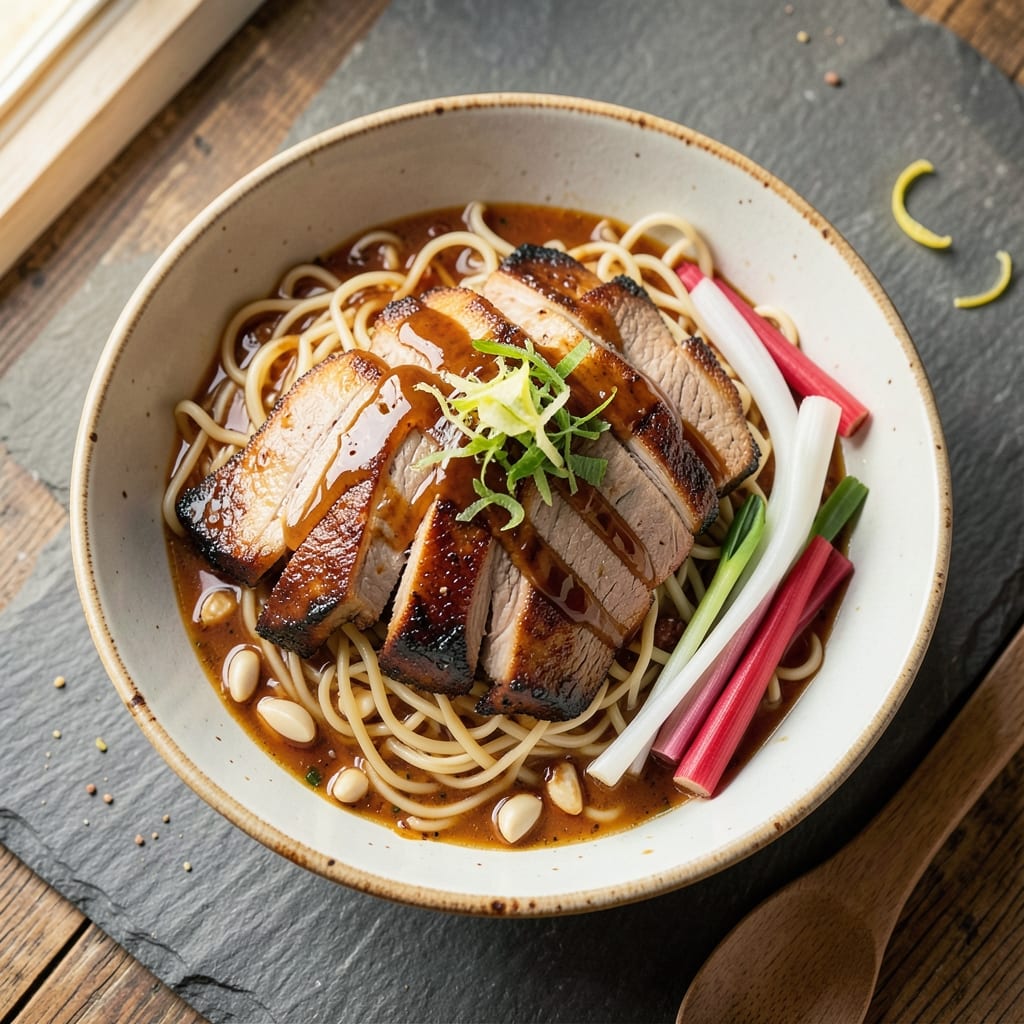
This BBQ pork ramen recipe delivers the perfect marriage of smoky, sweet glaze and tender noodles, transforming a simple bowl into a restaurant-worthy experience. 🔥 I developed this after years of perfecting both the BBQ element and the delicate balance of ramen flavors—where rich pork meets aromatic broth in every bite. The secret lies in caramelizing the pork glaze until it's sticky and deep, then using that same sauce to elevate the broth and coat the noodles.
The process starts with marinating pork shoulder in a bold BBQ rub, then slow-cooking it until it's fall-apart tender. Meanwhile, the broth simmers with garlic, ginger, and a splash of soy sauce for depth, while the noodles cook just until they're al dente—never mushy. What makes this recipe truly special is how the smoky-sweet glaze transforms the entire bowl, creating a harmony of textures and flavors that's both comforting and exciting.
By the time you assemble everything—tender pork slices, silky broth, and perfectly caramelized noodles—you'll have a dish that's rich, satisfying, and packed with layers of flavor. The glaze doesn't just coat the pork; it infuses the broth and clings to the noodles, turning a simple bowl of ramen into something extraordinary. This is the kind of meal that feels like a hug on a cold day, with every spoonful delivering that perfect balance of smoky, sweet, and savory.
The best part? You can customize it with toppings like soft-boiled eggs, quick-pickled vegetables, or a sprinkle of sesame seeds to add freshness and texture. Whether you're cooking for a weeknight dinner or a special gathering, this recipe delivers restaurant-quality results without the fuss. Let's get started on creating your own bowl of perfection.
Ingredients for bbq pork ramen
Pork shoulder, smoky-sweet glaze, and silky broth—these are the stars of your perfect bowl.
| Ingredient | Amount | Notes |
|---|---|---|
| Pork Shoulder 🐷 | 1 ½ lb | Bone-in for extra flavor |
| Ramen Noodles 🍜 | 2 packages | Fresh or dried, al dente preferred |
| BBQ Sauce 🍯 | ¾ cup | Smoky, sweet variety like Stubb's |
| Brown Sugar 🍚 | ½ cup | Light or dark, packed |
| Garlic Cloves 🧄 | 6 cloves | Minced for marinade and broth |
| Fresh Ginger 🌿 | ½ cup | Grated, peeled, fresh only |
| Soy Sauce 🥢 | ¼ cup | Kikkoman preferred |
| Chicken Broth 💧 | 4 cups | Low-sodium, homemade or store-bought |
| Sesame Oil 🫒 | 1 tbsp | Toasted, for finishing |
| Green Onions 🧅 | 4 whole | Thinly sliced, for garnish |
| Sesame Seeds 🌾 | 1 tbsp | Toasted, for garnish |
| Salt 🧂 | 1 ½ tsp | Kosher or sea salt |
| Black Pepper 🌶️ | ½ tsp | Freshly ground |
| Honey 🍯 | 1 tbsp | For glaze sweetness |
| Cornstarch 🌾 | 1 tbsp | For thickening glaze |
The pork shoulder is where all the magic starts. Bone-in is key—it adds depth to the broth, but if you can't find it, bone-in ribs work too. I always grab mine from Costco or my local butcher shop (they'll cut it for you). Look for good marbling—fat equals flavor. For the BBQ sauce, Stubb's or Sweet Baby Ray's are my go-tos, but any smoky-sweet sauce with no weird additives will work. The brown sugar? Light or dark doesn't matter—just pack it tightly into your measuring cup.
No Stubb's BBQ sauce? Mix 0.5 cup ketchup + 0.25 cup molasses + 1 tbsp apple cider vinegar + 1 tsp smoked paprika for a quick sub. Fresh ginger is non-negotiable here—dried won't give you that bright, zesty kick. For the broth, homemade is best, but Kitchen Basics or Pacific Foods low-sodium options work in a pinch. The sesame oil? Grab the toasted kind—Trader Joe's has it for cheap, and it adds that nutty aroma. Green onions can be swapped for regular onions if you're out, but they add a fresh pop that's worth having on hand.
This glaze keeps for 1 week in the fridge—double the batch, you'll want it. The pork stays tender for 3 days in the fridge, but I portion it into containers so it's ready for quick ramen assembly. Freeze the glaze separately for 3 months. Pro tip: Save the pork fat scraps—they're liquid gold for future ramen batches. And if you're making this ahead, cook the noodles last so they stay al dente.
Why You'll Love This Recipe
- One-Pot Magic: I swear by this recipe when I’m too tired to wash dishes. The pork shoulder slow-cooks right in the broth with the noodles—no extra pots, no fuss. Just dump, simmer, and call it dinner.
- Sweet-Savory Bomb: That caramelized brown sugar and smoky BBQ sauce on tender pork? It’s like a hug in a bowl. The garlic cloves roast into the broth, adding a depth that makes it impossible to stop eating.
- Leftovers That Don’t Suck: Honestly, this dish actually tastes better the next day. The pork gets even more fall-apart tender, and the noodles soak up the extra flavor. Pack it for lunch—no sad, soggy ramen here.
- Budget Feast: Pork shoulder is cheap, ramen noodles are a steal, and a bottle of BBQ sauce stretches for two meals. I feed four people for under $15, and everyone’s happy. (Yes, even my picky teen.)
Step-by-step instructions for BBQ pork ramen
Here's how to transform simple ramen into a smoky-sweet masterpiece with caramelized noodles!
🔥 Step 1: Create the Smoky BBQ Glaze
In a medium saucepan, combine 0.75 cup BBQ Sauce, 0.5 cup Brown Sugar, 0.25 cup Soy Sauce, 1 tbsp Honey, and 1 tbsp Cornstarch. Stir over medium heat until the sugar dissolves completely—this should take about 3-4 minutes. The mixture will thicken slightly as it heats.
Here's the thing—this glaze needs to reduce and develop flavor. Let it simmer for another 5-6 minutes until it coats the back of a spoon and becomes syrupy. You'll know it's ready when you see a glossy sheen and the aroma of caramelized sugar fills your kitchen. Keep this warm while you prepare the pork.
🍳 Step 2: Cook the Pork Shoulder Until Fork-Tender
In a large Dutch oven or heavy pot, combine 4 cups Chicken Broth, 6 cloves Garlic Cloves (minced), and 0.5 cup Fresh Ginger (grated). Bring to a boil, then reduce heat to medium-low and add the 1.5 lb Pork Shoulder. Cover and simmer for 2-2.5 hours until the meat is fork-tender and easily pulls apart.
Real talk: the pork should reach an internal temperature of 203°F—this is where the collagen breaks down and transforms into juicy, melt-in-your-mouth texture. Don't rush this step; patience is key. Skim off any foam that rises to the surface during cooking to keep the broth clear.
🥘 Step 3: Build the Ramen Broth
Once the pork is cooked, remove it from the broth and let it rest for 10 minutes before shredding. Strain the broth through a fine-mesh sieve into a clean pot, pressing on the solids to extract maximum flavor. Return the broth to medium heat and stir in the prepared BBQ glaze until fully incorporated.
Add the shredded pork back to the broth along with 1.5 tsp Salt and 0.5 tsp Black Pepper. Simmer for another 5 minutes to let all the flavors meld together. The broth should now have a deep, smoky sweetness with a beautiful caramelized color—this is your flavor base for the perfect ramen.
🍜 Step 4: Cook and Caramelize the Noodles
While the broth simmers, cook the 2 packages Ramen Noodles according to package instructions until al dente. Drain and rinse briefly under cold water to stop the cooking process, then drain well. Here's where the magic happens: heat a large skillet over high heat and add 1 tbsp Sesame Oil.
Toss the drained noodles in the hot oil for 2-3 minutes, stirring constantly until they develop a beautiful golden-brown caramelization. This step gives your ramen that perfect balance of textures—soft inside with crispy edges. The aroma will be incredible, so be prepared for some serious cravings!
🍽️ Step 5: Assemble and Garnish
Divide the cooked noodles among four bowls. Ladle the hot pork broth over the noodles until each bowl is filled about ¾ full. The noodles will soak up the flavorful broth as they sit. Top each serving with 1 tbsp Sesame Seeds and 1 whole Green Onion (thinly sliced), adding that final pop of color and freshness.
Serve immediately while the noodles are still hot and the broth is steaming. Each bite should deliver that perfect combination of smoky BBQ flavor, sweet caramelized glaze, and tender pork. Don't forget to taste as you go—adjust seasoning if needed with a splash more soy sauce or a pinch of salt.
Pro Tips For Making Bbq Pork Ramen
- CRANK THE HEAT FOR CRUST: That pork shoulder won’t caramelize properly if you’re playing it safe with medium heat. Start searing over high flame until the edges hit deep brown—about 3-4 minutes per side—before you even think about adding BBQ sauce. I used to rush this, and my pork ended up tasting like it was cooked in its own juices instead of a smoky, sticky glaze.
- SMASH THAT GARLIC: Whole garlic cloves in BBQ pork ramen? Skip it. Mince or crush them first—this isn’t a fancy restaurant, and you want that flavor to actually penetrate the sauce, not just sit like a decorative garnish. A quick press with the flat side of your knife works fine, and it makes a real difference when the noodles soak it up.
- SAUCE IT IN STAGES: Dumping all your BBQ sauce at once turns it into a sad, watery broth. Start with half, let it reduce for 2-3 minutes until it thickens, then add the rest. The brown sugar will caramelize better this way, and you’ll avoid that sticky, syrup-like mess that ruins the balance of flavors.
- REST THE PORK RIGHT: Cutting into that pork shoulder right after cooking? You’re just making a gravy. Tent it with foil and let it sit for at least 10 minutes—20 if you’re impatient like me—before shredding. The meat stays juicy, and you won’t end up with a bowl of pork-flavored broth. Trust me, your noodles will thank you.
Essential equipment for this recipe
Smoker or Oven?
For that authentic BBQ flavor, I recommend using a smoker if you have one—hickory or applewood chips add incredible depth. If you don't, a cast iron Dutch oven in your oven works perfectly. Preheat your oven to 275°F and smoke the pork directly in the pot using wood chips (soaked in water first) for that smoky aroma. I use Traeger wood chips because they're consistent and widely available. 🔥
Essential Tools
You'll need a few key tools to pull this off smoothly. First, a meat thermometer—I swear by the ThermoWorks Smoke—it's accurate and durable. A fine-mesh strainer is crucial for getting a clear broth without losing flavor. For the noodles, a non-stick skillet with high heat tolerance is perfect for caramelizing. Don't skip the tongs for shredding the pork—they make it effortless.
Broth Clarification
A cheesecloth or coffee filter helps clarify the broth beautifully. After straining through a fine-mesh sieve, pour the broth through the cheesecloth into a clean pot. This step removes any remaining impurities and gives you that restaurant-quality clarity. If you don't have cheesecloth, a clean kitchen towel works in a pinch—just fold it into a square and place it over a jar or bowl.
Noodle Caramelization
For that perfect caramelized texture, a wok or cast iron skillet is ideal because of its ability to handle high heat. If you don't have either, a heavy-bottomed stainless steel skillet will work. The key is to keep the heat high and stir constantly—this prevents burning while creating those delicious crispy edges. I use Mauviel M'Cook for my wok, but any high-quality pan will do. 💫
Garnish Tools
Invest in a microplane for fresh ginger and garlic—it's a game-changer for texture and flavor. For the sesame seeds, toast them in a small dry skillet over medium heat for 1-2 minutes until fragrant. A sharp chef's knife is essential for slicing green onions thinly. I also keep a small bowl of ice water nearby for rinsing the noodles—it stops them from overcooking instantly.
Nutrition facts
Frequently asked questions
Can I substitute chicken or beef for the pork shoulder?
While pork shoulder is ideal for its rich, fatty flavor that infuses the broth, you can absolutely use chicken thighs (bone-in for best results) or beef chuck. The cooking time will vary—chicken takes about 1.5 hours while beef needs 3-4 hours to become tender. Just adjust the internal temperature to 165°F for chicken or 195°F for beef to ensure tenderness.
How do I make this recipe vegetarian?
For a plant-based version, swap the pork for extra-firm tofu or mushrooms (shiitake or portobello work best). Replace the chicken broth with a vegetable broth infused with smoked paprika and liquid smoke. Use the same BBQ glaze recipe, but reduce the cooking time to 10 minutes since it won't need to break down collagen. The caramelized noodles remain the star of the dish!
Can I make this ahead of time?
Cook the pork and broth 1-2 days ahead and store them separately in the fridge. When ready to serve, simply reheat the broth and pork together. Cook the noodles fresh and caramelize them just before assembly—this ensures they stay al dente. The glaze can also be made 1 week ahead and stored in the fridge for convenience.
Why are my noodles getting mushy?
Overcooking is the most common issue. Always cook noodles until they're al dente (about 2 minutes less than package instructions), then rinse briefly in cold water to stop cooking. For extra insurance, caramelize them immediately after draining—this step adds texture and prevents sogginess. If they still seem soft, try using fresh ramen noodles or reduce the cooking time by 30 seconds.
What's the best way to reheat leftovers?
Reheat broth and pork together in a pot over medium-low heat until steaming. For noodles, add a splash of water or broth and cover to steam for 1-2 minutes. Never microwave—it makes the noodles rubbery. If the glaze thickens too much, stir in a teaspoon of water to restore its silky consistency. Always taste and adjust seasoning before serving!