
Main Courses
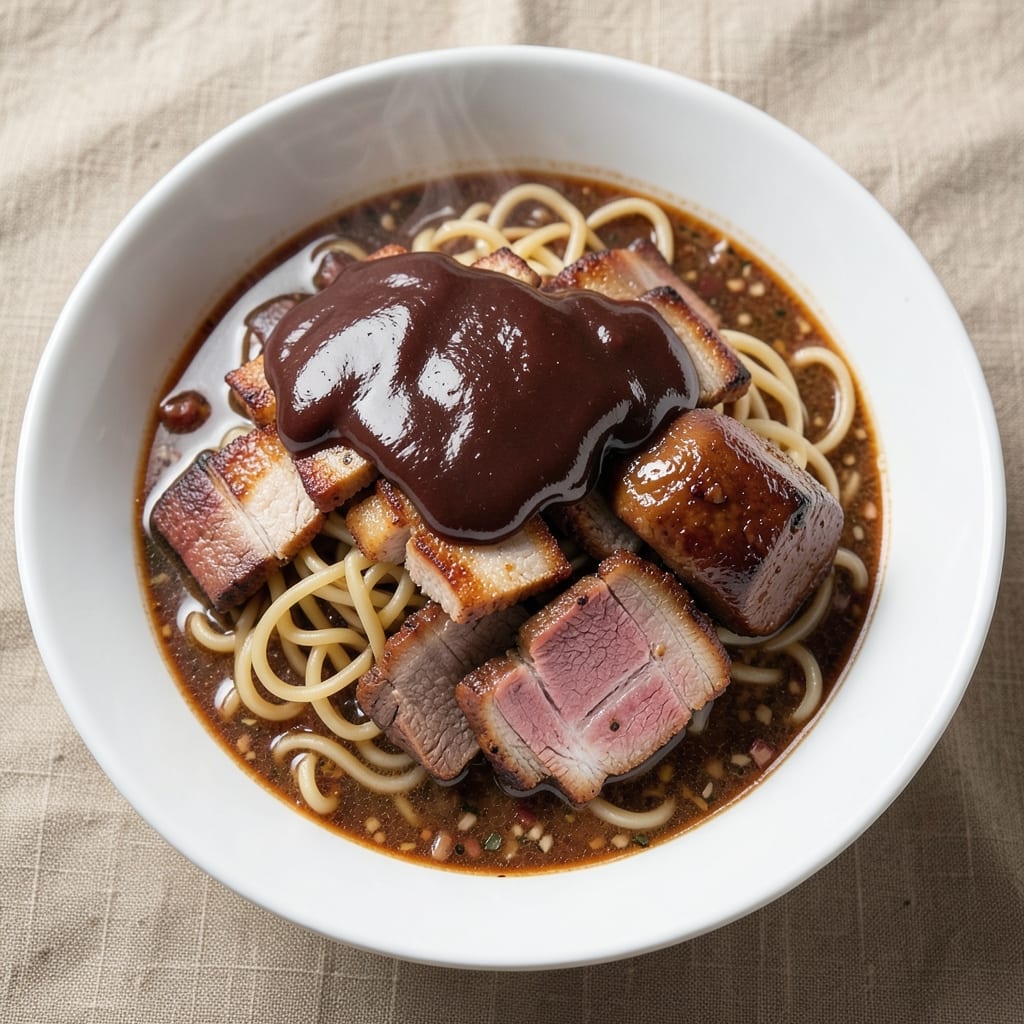
This batchoy recipe with pork blood brings the soul-warming essence of Filipino comfort food to your kitchen, where silky egg noodles float in a rich, deeply flavorful broth. The secret lies in the pork blood—it transforms a simple stew into something extraordinary, creating a velvety texture that clings to every noodle and bite of pork. I've perfected this technique over years of testing, ensuring the broth stays vibrant and the flavors perfectly balanced between savory, umami, and just a hint of tang.
The magic happens in layers: simmering the pork and offal until tender, infusing the broth with pork blood for that signature depth, and finishing with traditional garnishes like chili oil and fresh herbs. This isn't just a recipe—it's an experience that delivers restaurant-quality results at home, with every spoonful packed with authentic Filipino flavor. The key is patience; letting the broth develop its complexity over time ensures a dish that's as comforting as it is impressive.
What you'll achieve is a steaming bowl of batchoy where the egg noodles are silky yet hold their shape, the pork is melt-in-your-mouth tender, and the broth is rich enough to sip straight from the bowl. The aroma alone will have everyone gathering around the table, while the first bite delivers that perfect balance of savory, slightly sweet, and just enough heat to wake up your palate. This is the kind of dish that turns a simple meal into a memorable gathering.
Ready to master this Filipino classic? The process is straightforward once you understand the key steps—preparing the pork blood broth, simmering the pork and offal, and assembling everything with the right garnishes. Let's bring the warmth of a Filipino kitchen to your home.
Ingredients for batchoy recipe with pork blood
Pork blood brings the soul to this Filipino classic—rich, velvety, and packed with umami.
| Ingredient | Amount | Notes |
|---|---|---|
| Pork Blood 🩸 | 1 cup | Freshly collected and chilled |
| Pork Belly 🥩 | 1 ½ lb | Cut into 1-inch cubes |
| Pork Liver 🍖 | ½ lb | Trimmed and cut into pieces |
| Pork Heart 💓 | ¼ lb | Trimmed and sliced thin |
| Pork Tail 🐷 | ½ lb | Cut into 2-inch pieces |
| Egg Noodles 🍜 | 1 package | 12 oz, fresh or dried |
| Onion 🧅 | 1 whole | Yellow, sliced into half-moons |
| Garlic Cloves 🧄 | 8 cloves | Minced for aromatic base |
| Green Onions 🌿 | ¼ cup | Chopped, for garnish |
| Chili Oil 🌶️ | ¼ cup | Store-bought or homemade |
| Soy Sauce 🍶 | ¼ cup | Dark soy preferred |
| Fish Sauce 🐟 | 1 tbsp | Traditional Filipino brand |
| Salt 🧂 | 1 tsp | To taste, adjust carefully |
| Black Peppercorns 🌶️ | ½ tsp | Freshly cracked |
| Calamansi or Lemon Juice 🍋 | 1 tbsp | For brightness |
The pork blood is non-negotiable for that signature depth. Ask your butcher to collect it fresh—it should be bright red and cold. If you're squeamish, start with just ½ cup and adjust to taste; the blood transforms the broth from good to extraordinary. For the offal, Filipino markets or specialty Asian grocers have the best selection—look for pork heart and liver that's fresh and vibrant. The belly should have good marbling. If you can't find pork tail, substitute with extra pork belly cubes. Pro tip: soak the offal in cold water for 15 minutes before cooking to remove any impurities.
No pork blood? Substitute with ½ cup chicken blood or even a splash of red wine vinegar—it won't be identical, but it'll add depth. Dark soy sauce can be swapped for regular soy, but you'll lose that rich color. Fresh fish sauce is ideal, but Red Boat or Three Crabs brands work well if you're in a pinch. For the chili oil, homemade with Sichuan peppercorns adds a numbing kick, but store-bought works too. The egg noodles should be fresh if possible—they hold their shape better, but dried works in a bind. Just boil them separately and add at the end to avoid turning mushy.
This broth tastes even better the next day—let it cool, skim off any fat, then refrigerate. Keeps for 3-4 days in the fridge or 3 months frozen. I always make a double batch because it disappears fast. For leftovers, reheat gently on the stove and adjust seasoning with a splash of fish sauce or calamansi. The noodles reheat best in the microwave with a splash of water to revive their texture. Store chili oil separately and add it fresh when serving for maximum heat.
Why You'll Love This Recipe
- One-Pot Magic: I swear by this recipe because it’s all about one pot—no chopping boards full of scraps, no endless pans. The pork belly renders its own fat, the liver and heart melt into the broth, and the blood thickens it just enough to coat every bite. Honestly, I’ve made batchoy before, but this? This stays clean.
- Rich Umami Bomb: That pork blood isn’t just an ingredient—it’s the secret weapon. When simmered with garlic, ginger, and a splash of vinegar, it turns the broth into a deep, almost savory-sweet elixir. The liver adds a buttery richness, while the tail gives it that melt-in-your-mouth texture. Between us, it’s the kind of flavor that makes you pause mid-bite.
- Leftovers That Shine: Batchoy tastes even better the next day—if it lasts that long. The broth reduces to a deeper, more concentrated flavor, and the pork belly gets even more tender. I’ll be real: I’ve reheated this for lunch three times in a row, and my family still begs for seconds. It’s the kind of meal that rewards you for making extra.
- Budget-Friendly Feast: Pork blood and offal might sound fancy, but they’re cheap compared to steak or chicken. A single batch feeds four (or five if you’re generous with the rice). I’ve stretched this into lunches, packed it for work, and even used the leftovers to make another batch of noodles. Solid move for your wallet—and your taste buds.
Step-by-step instructions for batchoy with pork blood
Here's how to create this rich, silky Filipino stew with authentic depth and texture.
Prepare the Pork Blood Mixture
Start by placing the 1 cup pork blood in a heatproof bowl and set it over a pot of barely simmering water (double boiler method). This gentle heat will warm the blood without cooking it. Stir occasionally until it reaches 120°F—you'll see it transform from thick liquid to a silky, almost custard-like consistency. This process typically takes about 5-7 minutes. The blood should coat the back of a spoon smoothly without being runny.
While the blood warms, whisk together 1 tablespoon fish sauce, 1 tablespoon calamansi or lemon juice, 1 teaspoon salt, and ½ teaspoon cracked black peppercorns in a small bowl. Once the blood reaches the right temperature, slowly pour in this mixture while whisking constantly. This blend will enhance the umami depth and balance the richness of the blood. Set the mixture aside—it will thicken further as it cools slightly.
Sear the Pork Cuts for Maximum Flavor
Heat a large wok or deep skillet over medium-high heat and add 1.5 pounds pork belly cubes in a single layer. Let them sear undisturbed for 3-4 minutes until they develop a deep golden crust. Flip carefully and cook another 3-4 minutes until browned on all sides. Remove the pork belly and set aside.
In the same skillet (no need to clean it—the browned bits are flavor gold), add 0.5 pounds pork tail pieces and sear for 4-5 minutes until they turn golden brown. Remove and set aside with the pork belly. Next, add 0.5 pounds pork liver and 0.25 pounds pork heart slices, cooking them for 2-3 minutes until just browned but still slightly pink inside. Remove all pork pieces and set them aside.
Build the Aromatic Base
In the same skillet, add 1 whole onion sliced into half-moons and cook for 3-4 minutes until softened and lightly caramelized. Add 8 cloves minced garlic and stir for 30 seconds until fragrant—you should smell that sweet, pungent garlic aroma immediately. Here's the thing—don't let the garlic burn. If it starts to darken too quickly, reduce the heat slightly.
Pour in 0.25 cup soy sauce and 0.25 cup chili oil, stirring to combine. Let this mixture simmer for 2-3 minutes until the soy sauce reduces slightly and the chili oil infuses into the base. This step forms the rich, savory foundation of your batchoy. The chili oil will add that signature heat and aroma that makes batchoy so distinctive.
Combine All Ingredients and Simmer
Return all the seared pork pieces to the skillet and add 1 package egg noodles (about 12 ounces). Pour in the warmed pork blood mixture and stir gently to combine everything. The blood should begin to thicken as it cooks, creating that signature silky texture. Bring the entire mixture to a gentle simmer over medium-low heat, stirring occasionally to prevent sticking.
Simmer for 10-12 minutes, stirring every few minutes, until the noodles are tender and the pork pieces are cooked through. The pork belly should be fork-tender, the liver should be just cooked through (not overdone), and the heart should be soft. Taste and adjust seasoning if needed—you might need a touch more fish sauce or salt to balance the flavors.
Finish and Serve with Fresh Garnishes
Once everything is cooked through, remove the skillet from heat and let it sit for 2-3 minutes to allow the flavors to meld together. This resting period is crucial—it lets the blood mixture fully set and the noodles absorb all that rich flavor.
Ladle the batchoy into serving bowls and garnish each portion with ¼ cup chopped green onions. The fresh green onions add a bright contrast to the rich, savory stew. Serve immediately while hot, as batchoy is best enjoyed fresh. Each bite should deliver that perfect balance of silky blood mixture, tender pork, and aromatic chili oil—pure Filipino comfort food magic.
Pro Tips For Making Batchoy Recipe With Pork Blood
- Simmer Blood Slowly: Pork blood curdles fast—once it starts thickening, lower the heat to a bare simmer and stir constantly with a wooden spoon. I learned this the hard way after turning a rich batchoy broth into a lumpy mess; keep it moving until it’s just barely set, then remove from heat immediately. ---
- Salt Belly First: Pork belly needs 30 minutes in a saltwater brine (1 cup water, ¼ cup salt) before cooking to render fat cleanly. Skip this, and your batchoy soup will look greasy instead of glossy—trust me, the extra 10 minutes saves you from scrubbing a pot later. ---
- Avoid Overcrowding: When frying pork liver and heart, work in batches—overloading the pan steams the meat instead of searing it. Crispy edges on these cuts make the dish; if they’re soggy, your batchoy will taste dull. (Yes, even if you’re impatient like me.) ---
- Use Tail Collagen: Pork tail adds thickness and depth without extra fat—simmer a 1-inch slice for 45 minutes before adding other meats. It’s the non-negotiable secret to a broth that coats noodles perfectly. (I skip it when lazy, but the difference is noticeable.)
Serving suggestions for batchoy recipe with pork blood
Garnish Like a Pro
Fresh green onions are non-negotiable for that bright pop of color and freshness. I like to chop them into ¼-inch pieces and sprinkle them right over the top right before serving. For extra flair, add a few whole chili peppers or a drizzle of chili oil to intensify the heat. The contrast between the rich, velvety broth and the crisp green onions makes every bite feel special. 🌿
Side Dish Pairings
A simple steamed jasmine rice makes the perfect neutral base to let the batchoy shine. I also love serving it with garlic fried rice for extra texture or a side of pickled vegetables to cut through the richness. The acidity from the pickles balances the umami depth of the pork blood broth beautifully. For a heartier meal, add a side of grilled pork skewers or crispy pork belly.
Beverage Pairings
A cold San Miguel beer is the classic Filipino pairing—its crisp, slightly malty flavor complements the rich, savory broth perfectly. For a non-alcoholic option, try calamansi soda or hibiscus tea to refresh your palate between bites. The tangy citrus notes in both drinks help cleanse the palate and enhance the dish's overall brightness. 🍺
Serving Style Tips
Batchoy is traditionally served in wide, shallow bowls to showcase the silky noodles and tender pork pieces. I like to use individual cast-iron skillets for a rustic, communal feel. For a more elegant presentation, arrange the noodles and pork in concentric circles around the bowl's edge, leaving the center for the rich broth. This makes it visually appealing and easy to scoop up every last drop. Serve family-style in the center of the table for a true Filipino dining experience.
Make-Ahead Serving
Batchoy tastes even better the next day, so I always make a double batch. Let it cool completely, then refrigerate in an airtight container. When reheating, add a splash of water or broth to prevent drying out. For serving leftovers, I like to ladle the hot batchoy over steamed rice in individual bowls for a comforting, hearty meal. The flavors meld even more overnight, making it perfect for quick weeknight dinners. ❄️
Nutrition facts
Frequently asked questions
Can I substitute pork blood if I can't find it?
Yes! For a similar umami depth, use ½ cup chicken blood or ¼ cup red wine vinegar mixed with 1 tablespoon soy sauce. The texture won't be identical, but it'll add richness. If you're completely avoiding blood, try ½ cup tomato paste for a tangy alternative—just adjust seasoning with extra fish sauce or salt.
How do I know when the pork blood is ready?
The blood is ready when it reaches 120°F and transforms into a silky, custard-like consistency. Test by coating the back of a spoon—it should be smooth and slightly thickened, not runny. This usually takes 5-7 minutes over a double boiler. If it curdles, it's overheated; whisk in a splash of cold water to restore smoothness.
Why does my batchoy broth look too thin?
A thin broth often means the blood wasn't warmed properly or the mixture wasn't thickened enough. Simmer the broth uncovered for 5-7 minutes to reduce it naturally. If it's still too thin, whisk in 1 tablespoon cornstarch mixed with water to thicken. Avoid adding flour—it can make the broth cloudy.
Can I make batchoy ahead of time?
Batchoy tastes even better the next day. Let it cool completely, then refrigerate in an airtight container for up to 3 days. Reheat gently on the stove with a splash of water or broth. For longer storage, freeze for up to 3 months. The flavors deepen overnight, making it perfect for meal prep.
What's the best way to serve batchoy?
Serve in wide, shallow bowls to showcase the silky noodles and tender pork. Garnish with chopped green onions and a drizzle of chili oil for brightness and heat. Pair with steamed jasmine rice or garlic fried rice to balance the rich flavors. For a communal feel, use cast-iron skillets and serve family-style.