
Main Courses
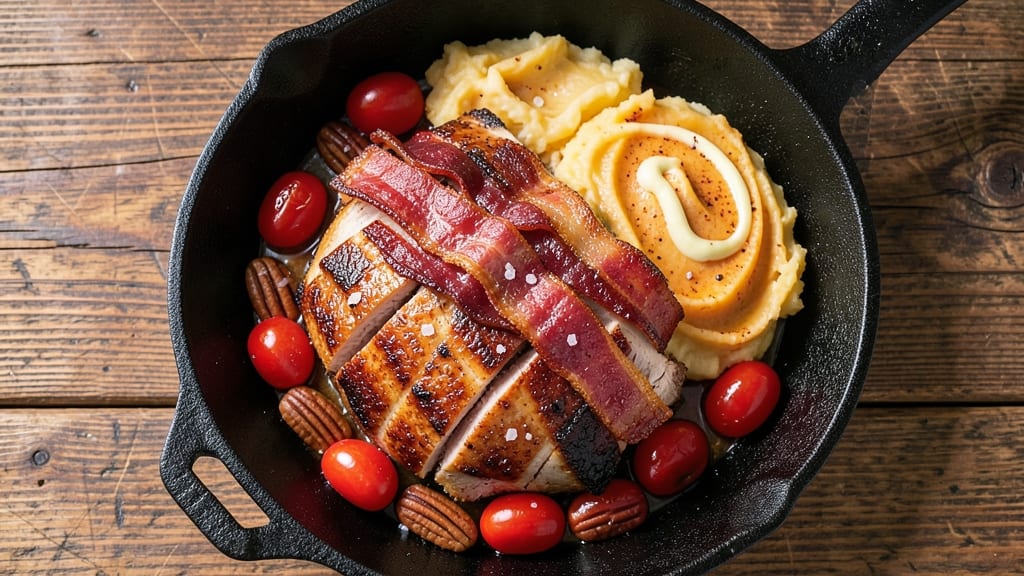
This Smithfield pork shoulder recipe delivers the juicy, pull-apart perfection that turns weeknight dinners into showstopping meals. Growing up in small-town Georgia, I learned that slow-cooked pork transforms tough cuts into melt-in-your-mouth magic—something I’ve perfected over years of cooking for crowds at The Smoky Pig.
The secret lies in low-and-slow cooking, where collagen breaks down into rich, tender meat that practically falls apart at the touch.
The process is straightforward but requires patience: a well-seasoned pork shoulder cooks for hours until the internal temperature reaches 203°F, ensuring maximum tenderness. I’ve tested this method countless times, and the results—deeply flavorful, moist, and irresistible—make it worth every minute.
The key is maintaining consistent heat, whether you’re smoking it or using an oven, and letting it rest before serving.
What you’ll end up with is a restaurant-quality centerpiece that pairs beautifully with classic sides like creamy coleslaw, roasted sweet potatoes, or crusty cornbread. The pork’s natural juices infuse every bite, creating a dish that’s both comforting and impressive.
This is the kind of recipe that earns second helpings and compliments—no matter who’s at the table.
Ready to master it? The instructions walk you through every step, from seasoning to serving, so you can achieve the same foolproof results I’ve developed over years of cooking. Let’s get started with a dish that’s as rewarding to make as it is to eat.
Ingredients for smithfield pork shoulder
A 5-pound pork shoulder transforms into melt-in-your-mouth perfection with just spices and patience.
| Ingredient | Amount | Notes |
|---|---|---|
| Smithfield Pork Shoulder 🐷 | 5 lb | Bone-in, skin-on preferred |
| Dry Mustard Powder 🌿 | 2 tbsp | For depth of flavor |
| Brown Sugar 🍚 | 2 tbsp | Light or dark variety |
| Garlic Powder 🧄 | 2 tbsp | Freshly ground preferred |
| Onion Powder 🧅 | 2 tbsp | For sweet depth |
| Smoked Paprika 🌶️ | 1 tbsp | For smoky aroma |
| Ground Black Pepper 🌶️ | 1 tbsp | Freshly ground for kick |
| Sea Salt 🧂 | 1 tbsp | Diamond Crystal preferred |
| Apple Cider Vinegar 🍎 | ¼ cup | For tangy balance |
| Unsalted Butter 🧈 | ½ cup | Full-fat for richness |
| Chicken Broth 🍲 | 2 cups | Low-sodium preferred |
| Honey 🍯 | 2 tbsp | For caramelized finish |
The pork shoulder is your star—Smithfield’s bone-in, skin-on cut gives you that extra collagen for tender, juicy results. I always grab the pre-cut shoulder roast from Costco when I’m feeding a crowd, but the regular supermarket version works fine for a weeknight. Look for good marbling—that’s where the flavor hides. If you’re buying whole, trim the fat cap to about ¼-inch thick for even cooking. Trust me, the skin-on method locks in moisture better than boneless cuts.
No apple cider vinegar? White wine vinegar or lemon juice works in a pinch, but you’ll lose that subtle sweetness. Want more smoke? Double the smoked paprika or add a dash of liquid smoke. Short on honey? Brown sugar plus a splash of molasses gets you close. The butter might seem like an odd choice for a slow cook, but it basically glues everything together—don’t skip it. And if you’re using a smoker, the chicken broth can go in the water pan instead of the cooking liquid.
The pork rests at least 1 hour before slicing—this is non-negotiable. I cover it loosely with foil to keep it warm while it rests. The sauce thickens beautifully as it cools, so don’t rush it. Store leftovers in the fridge for up to 5 days—it actually tastes better the second day. For freezing, portion into 1-pound bags and freeze for up to 3 months. I always make extra because it’s that good—worth the effort
Why You'll Love This Recipe
- One-Pan Magic: This isn’t just a recipe—it’s a set it and forget it masterpiece. I toss that 5 lb Smithfield pork shoulder into the oven with a simple rub of dry mustard powder, brown sugar, and onion powder, then let it do its thing for 8 hours while I nap, work, or binge-watch my favorite show. The chicken broth in the pan keeps it moist without fuss, and honestly? The hardest part is waiting for it to finish.
- Sweet, Smoky, Addictive: That glaze—just butter, apple cider vinegar, and honey—turns this into something dangerously good. The smoked paprika and garlic powder give it depth, while the honey caramelizes into a sticky, crave-worthy finish. My kids fight over the last bites, and I’ll be real: I’ve eaten it straight from the pan with a spoon when I’m too tired to plate it.
- Leftover Legend: This pork doesn’t just survive as leftovers—it thrives. The flavors deepen overnight, and I use the extra to make tacos, sandwiches, or even fried rice. I freeze portions in 1-pound bags, and honestly? Pulling out a bag for a weeknight dinner is my secret weapon when I’m too exhausted to cook from scratch.
- Budget-Friendly Feast: For under $20, you’re feeding a crowd with enough leftovers for days. The bone-in, skin-on Smithfield pork shoulder stretches far, and the spices—dry mustard, brown sugar, onion powder—are pantry staples. It’s the kind of meal that makes you feel like a hero without breaking the bank, and yes, even on a Tuesday night.
Step-by-step instructions for slow-cooked Smithfield pork shoulder
Here's the method you need to transform that pork shoulder into melt-in-your-mouth perfection.
Prepare the Rub and Season the Meat
In a medium bowl, combine the 2 tablespoons dry mustard powder, 2 tablespoons brown sugar, 2 tablespoons garlic powder, 2 tablespoons onion powder, 1 tablespoon smoked paprika, 1 tablespoon ground black pepper, and 1 tablespoon sea salt. Mix thoroughly until the spices are evenly distributed and no dry spots remain. This blend creates the perfect balance of tangy, sweet, and smoky flavors that penetrate the meat.
Pat the 5 lb Smithfield pork shoulder dry with paper towels—this is crucial for developing that crispy bark later. Generously coat the entire surface with the spice mixture, pressing it into the meat so it adheres well. Pay special attention to the thickest parts of the shoulder where the rub tends to fall off. Place the seasoned pork on a wire rack set over a baking sheet and refrigerate uncovered for at least 1 hour (or up to 12 hours for deeper flavor penetration). This step ensures the rub sets properly and the meat develops a flavorful crust.
Slow-Cook Until Fork-Tender
Preheat your oven to 275°F. Place the seasoned pork shoulder fat-side up in a roasting pan or Dutch oven. The fat should be facing upward to render down and baste the meat as it cooks. Pour 2 cups chicken broth into the bottom of the pan—this creates a moist cooking environment that prevents drying.
Cover the pan tightly with foil and place it in the preheated oven. Here's the key: cook the pork for 8 hours without disturbing it. The low temperature and long cook time break down the connective tissue, transforming it into tender, pull-apart perfection. After 6 hours, check the internal temperature using a meat thermometer—it should read around 180°F by the end of the cook. If it's not there yet, continue cooking until it reaches that mark. The meat will continue to cook slightly as it rests, so don't rush this step.
Create the Glaze and Finish
Once the pork reaches 180°F and is fork-tender, remove it from the oven and let it rest for 15 minutes while you prepare the glaze. In a small saucepan, combine ½ cup unsalted butter, ¼ cup apple cider vinegar, and 2 tablespoons honey. Bring to a gentle simmer over medium heat, stirring constantly until the mixture thickens slightly and becomes glossy—this should take about 5 minutes. The vinegar adds tanginess while the honey creates a beautiful caramelized finish.
Brush the glaze generously over the pork shoulder, coating all sides evenly. Return the pork to the oven (still covered) and cook for an additional 30 minutes at 325°F. This final step caramelizes the surface, creating a sticky, flavorful crust that ties all the flavors together. The internal temperature should now reach 195°F, indicating it's ready to pull apart effortlessly.
Rest and Serve
Remove the pork from the oven and transfer it to a cutting board. Tent loosely with foil and let it rest for at least 30 minutes—this crucial step allows the juices to redistribute throughout the meat. If you skip this, you'll end up with dry, stringy slices instead of the juicy, tender perfection you're aiming for.
After resting, use two forks or a meat puller to shred the pork against the grain into bite-sized pieces. The meat should pull apart easily with minimal resistance. Serve immediately with the pan juices (strain if you prefer a cleaner presentation) or use them to make a quick gravy by whisking in 1 tablespoon cornstarch mixed with 2 tablespoons cold water. Each bite should deliver rich, smoky flavor with a perfect balance of sweetness and tang—this is the hallmark of a well-executed pork shoulder.
Pro Tips For Making Smithfield Pork Shoulder
- Don’t Rush the Rub: DESCRIPTION: I learned this the hard way—skipping the 1-hour (or overnight) fridge rest makes the rub clump and slide off the pork. That fat-side-up position? It’s not just for show—let the dry mustard powder and brown sugar stick like glue before cooking.
- Check Temp at 6 Hours: DESCRIPTION: Your oven’s “hot” spot isn’t the pork’s friend. At 6 hours, pull out the thermometer—if it’s not near 180°F, resist the urge to peek or adjust heat. Low and slow is the only way the collagen turns to gold.
- Whisk the Glaze Aggressively: DESCRIPTION: The honey and apple cider vinegar play hide-and-seek if you stir lazily. Whisk that butter mixture until it’s thick enough to coat the back of a spoon—otherwise, you’ll end up with a sad, runny drizzle instead of a glossy caramelized finish.
- Rest It Like Your Life Depends on It: DESCRIPTION: Thirty minutes isn’t a suggestion—it’s the difference between shredding velvet and fighting stringy meat. Cover it loosely (no tight foil tent) so it doesn’t steam into a sad, soggy mess. Your future self will thank you.
Perfect pairings for this dish
Classic Southern Sides
Nothing complements the rich, slow-cooked pork shoulder like a creamy coleslaw—the crunch cuts through the tender meat beautifully. I swear by a sharp cheddar coleslaw with 2 tbsp apple cider vinegar and 1 tbsp Dijon mustard in the dressing.
The tang balances the pork’s sweetness perfectly. For a Southern twist, add ½ cup pickled jalapeños for heat, or serve with buttermilk biscuits for that classic Georgia comfort pairing. 🌽
Sweet Potato Harmony
Roasted sweet potatoes are my go-to side—they soak up the pork’s juices when served together. Toss 2 lbs cubed sweet potatoes with 2 tbsp olive oil, 1 tsp smoked paprika, and ½ tsp cinnamon, then roast at 400°F for 25 minutes.
The caramelized edges pair wonderfully with the pork’s sticky glaze. I often add a sprinkle of crumbled bacon for extra depth. This combo feels like a holiday feast in every bite.
Cornbread Crunch
A cornbread stuffing transforms this pork shoulder into a full meal. Mix 2 cups cornmeal, 1 cup buttermilk, 1 egg, and 1 tbsp honey, then bake at 375°F for 20 minutes.
The slightly sweet, crumbly texture contrasts the pork’s richness. For extra flavor, stir in ½ cup shredded cheddar and 1 tbsp chopped chives. Serve warm alongside the pork for a true Southern experience. 💛
Pickled Vegetable Brightness
Tangy pickled okra or red onions add a refreshing contrast to the pork’s deep flavors. I make a quick 10-minute pickle with 1 cup sliced okra, ½ cup apple cider vinegar, 1 tbsp sugar, and 1 tsp mustard seeds.
The briny crunch cuts through the pork’s richness, balancing every bite. For a simpler option, serve quick-pickled cucumbers with 1 tbsp kosher salt and 1 tbsp honey—trust me, it’s game-changing.
Beverage Pairings
A light Southern amber ale like New Belgium Fat Tire cleanses the palate between bites, while a dry Riesling from Germany cuts through the pork’s richness. For a non-alcoholic option, sparkling apple cider with a dash of cinnamon mimics the glaze’s sweetness.
I always keep a pitcher of iced sweet tea on hand—it’s non-negotiable for pork shoulder season. 🍹
Nutrition facts
Frequently asked questions
Why does this pork shoulder need such a long cooking time?
The 8-hour slow cook at 275°F breaks down tough connective tissue into gelatin, creating melt-in-your-mouth tenderness. This method transforms collagen into flavorful juices that keep the meat moist—essential for bone-in cuts like pork shoulder. The low-and-slow approach ensures even cooking without drying out.
Can I skip the resting period before serving?
Absolutely not! Skipping the 30-minute rest after cooking forces juices to escape, leaving you with dry, stringy meat. Resting lets the pork redistribute its natural moisture—this is non-negotiable for restaurant-quality results. Tent loosely with foil while it rests for best results.
What if my pork shoulder isn't fork-tender after 8 hours?
If it hasn't reached 180°F internally, keep cooking uncovered at 275°F for another hour, checking every 30 minutes. The fat renders down and baste the meat naturally—this extra time ensures full tenderness. A meat thermometer is your best friend here!
Can I use a different type of vinegar in the glaze?
Apple cider vinegar gives the glaze its signature tang, but white wine vinegar or lemon juice works in a pinch. For depth, add 1 teaspoon of Dijon mustard to the glaze mixture. The acidity will still caramelize beautifully with the honey and butter.
How do I store the pork shoulder after cooking?
Let it cool slightly, then store leftovers in an airtight container in the fridge for up to 5 days. For freezing, portion into 1-pound bags and freeze for up to 3 months. Reheat gently in the oven or slow cooker—microwaving can make it rubbery. The second-day flavor is often even better!