
Main Courses
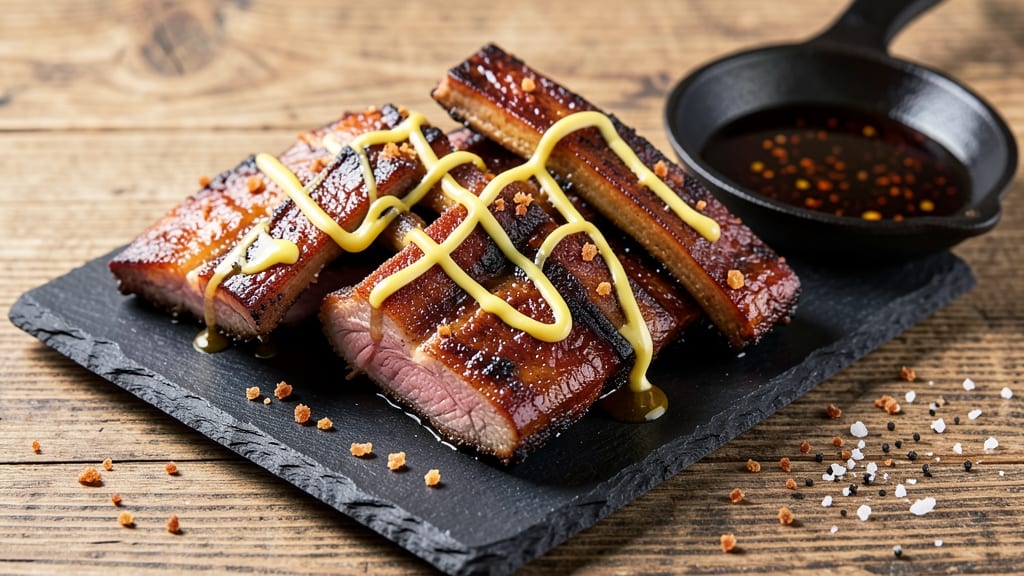
This pork St. Louis spare ribs recipe delivers the perfect balance of slow-smoked tenderness and crispy bark that rivals any competition-style pitmaster. 🔥 Growing up in small-town Georgia, I learned that great ribs start with patience—letting the smoke work its magic while the meat transforms into melt-in-your-mouth perfection.
The key lies in a dry rub that develops a deep, caramelized crust and a low-and-slow cook that renders fat without drying out the meat.
The secret to these ribs isn't just time—it's technique. I use a reverse sear approach, starting with a long smoke at 225°F to break down collagen, then finishing with a high-heat char to lock in juices and create that coveted bark.
The result? Ribs that are tender enough to fall off the bone but with a crisp exterior that adds texture with every bite. This method ensures restaurant-quality results every time, even in your home smoker or grill.
What makes these ribs truly special is the balance of flavors—a sweet and smoky profile that lets the pork shine while the rub adds depth. The bark develops a rich, amber hue that signals perfect doneness, and the meat pulls cleanly from the bone when you're ready to serve.
These ribs are worth the wait, transforming a simple meal into a showstopping centerpiece for any gathering.
Serve with classic Southern sides like creamy coleslaw and buttery cornbread to complete the experience. The slow-smoked sweetness pairs beautifully with tangy vinegar-based sauces or a drizzle of honey for extra richness. Let's get smoking—your taste buds will thank you.
Ingredients for pork st louis spare ribs
Sweet, smoky, and crispy—just the right ingredients to make competition-worthy ribs at home.
| Ingredient | Amount | Notes |
|---|---|---|
| Pork St. Louis Spare Ribs 🍖 | 4 lb | Bone-in, meaty ends preferred |
| Yellow Mustard 🍯 | ¼ cup | For sticky bark adhesion |
| Brown Sugar 🍚 | ½ cup | Light or dark preferred |
| Smoked Paprika 🌶️ | 2 tbsp | For deep smoky flavor |
| Kosher Salt 🧂 | 1 ½ tbsp | Diamond Crystal preferred |
| Black Pepper 🌶️ | 1 tbsp | Freshly ground for best flavor |
| Garlic Powder 🧄 | 1 tbsp | Not garlic salt |
| Onion Powder 🧅 | 1 tbsp | For sweet depth |
| Ground Cumin 🌿 | 1 tsp | Toasted for warmth |
| Apple Cider Vinegar 🍎 | 2 tbsp | For tangy balance |
| Wood Chips 🌳 | 2 cups | Hickory or cherry preferred |
| Apple Juice 🍏 | 1 cup | For spritzing during smoke |
| Honey 🍯 | 2 tbsp | For final glaze |
The ribs are the star here, so pick meaty St. Louis style—the ones with the thick, meaty ends. Costco or Butcher shops usually carry the best quality, but check your local grocery store's meat department too. Look for ribs with good marbling—they'll stay juicier during the long smoke. If you can't find St. Louis style, baby back ribs work too, but they'll have less meat on the ends. The key is to get ribs that are fresh, not frozen, for the best texture and flavor. And trust me, skip the pre-marinated ones—you want full control over that flavor profile.
No smoked paprika? Regular paprika plus a dash of liquid smoke gets you close. Running out of apple cider vinegar? White vinegar or lemon juice works in a pinch—just adjust to taste. The brown sugar can be swapped for turbinado sugar if you prefer a coarser texture. For the wood chips, hickory is classic, but cherry or pecan adds a fruity note that pairs beautifully with pork. If you're short on time, wood pellets from Traeger or Green Mountain work perfectly too. And don't skip the apple juice spritz—it keeps the bark from getting too dry during that long smoke.
These ribs are worth the wait, but they reheat beautifully too—350°F for 10-15 minutes wrapped in foil. Store leftovers in the fridge for up to 4 days, or freeze for 3 months if you're planning ahead. I always make a double batch because they disappear fast. The rub keeps well in an airtight container for up to 2 weeks, so you can mix it ahead of time. And if you've got extra bark from the first batch, crush it up and save it—it's perfect for topping burgers or mixing into sauces later.
Why You'll Love This Recipe
- No-Fuss Masterpiece: Honestly, this isn’t one of those recipes that requires a 10-step prep dance. Just dry those ribs thoroughly, slather on that brown sugar and smoked paprika mix, and let them sit while you soak your wood chips. The real magic happens on the smoker—low and slow, no fiddling needed. I’ve made it on a Tuesday night after work and still felt like a pro.
- Sweet, Smoky Perfection: That combo of brown sugar and smoked paprika? Chef’s kiss. The mustard glaze locks in moisture while creating that sticky bark you can’t resist, and the apple juice spritz keeps everything from drying out. The final honey glaze ties it all together—sweet, tangy, and just enough smokiness to make your taste buds dance. It’s the kind of flavor that makes you want to eat the plate.
- Crowd-Pleaser Any Day: These ribs aren’t just for BBQ shows—they’re my secret weapon for game days, potlucks, or even a fancy dinner when I want to impress without stressing. They reheat beautifully (up to 4 days in the fridge, or freeze for months), so you can prep ahead and still serve something restaurant-worthy. My daughter picks out the honey glaze every time, but she never complains when seconds are involved.
- Budget-Friendly Bang for Your Buck: Forget pricey cuts—St. Louis spare ribs are lean, flavorful, and way cheaper than prime rib. The ingredients? Most of them are pantry staples, and the dry rub alone keeps for weeks. Plus, leftovers make killer sandwiches or tacos the next day. It’s the kind of recipe that doesn’t break the bank but still feels like a splurge.
Step-by-step instructions for pork St. louis spare ribs
Here's how to nail that perfect balance of smoky depth and sticky-sweet bark every time.
👨🍳 Step 1: Build the Dry Rub and Prep the Ribs
In a medium bowl, combine the ½ cup brown sugar, 2 tbsp smoked paprika, 1½ tbsp kosher salt, 1 tbsp black pepper, 1 tbsp garlic powder, 1 tbsp onion powder, and 1 tsp ground cumin. Mix until the sugar is evenly coated with spices—this ensures maximum flavor adhesion.
Pat the 4 lb pork St. Louis spare ribs completely dry with paper towels. I can't stress this enough—dry ribs develop that perfect bark. Generously coat both sides of the ribs with the dry rub, pressing it into the meat so it sticks. This isn't just seasoning; it's flavor insurance. Let the rubbed ribs sit at room temperature for 30 minutes while you prep the smoker.
🔥 Step 2: Smoke the Ribs Low and Slow
Soak the 2 cups wood chips in water for 30 minutes before using. Set up your smoker for 225°F using hickory or cherry wood—these woods complement the sweet profile without overpowering it. Place the ribs bone-side down on the smoker grate and close the lid.
Here's the thing—don't peek! Every time you open the smoker, you lose heat and moisture. Instead, trust the process. After 2 hours, check the internal temperature with a meat thermometer. It should read 165°F in the thickest part of the meat. If not, keep smoking. The ribs are ready when they're tender enough to pull apart with minimal resistance.
🍳 Step 3: Apply the Mustard Glaze and Spritz
Mix the ¼ cup yellow mustard with 1 cup apple juice in a small bowl. This glaze isn't just sticky—it creates that signature bark while keeping the meat moist. Using a pastry brush, apply a thin layer of the mustard mixture all over the ribs, including the bones. Return them to the smoker.
Every 30-45 minutes after glazing, spritz the ribs with more apple juice. This keeps them from drying out and adds a subtle sweetness that plays off the smoky flavors. The ribs should develop a glossy, sticky exterior as they smoke—this is your visual cue that everything's working. Keep smoking until the internal temperature reaches 203°F (about 4-5 hours total).
🥘 Step 4: Finish with the Honey Glaze
Remove the ribs from the smoker and transfer them to a baking sheet. In a small saucepan, combine the 2 tbsp honey and 2 tbsp apple cider vinegar over medium heat. Simmer for 2-3 minutes until the honey dissolves and the mixture thickens slightly. Brush this glaze generously over the ribs, letting it drip into the crevices.
Return the ribs to the smoker (or transfer to a 300°F oven if you're finishing indoors) for 10-15 minutes. Watch closely—the honey will caramelize into a glossy, amber finish. The ribs are done when the glaze is set but still sticky to the touch. Let them rest for 10 minutes before serving—this ensures clean slices and maximum juiciness.
🍽️ Step 5: Serve and Slice with Confidence
Slice the ribs between each bone, cutting through the meat but leaving the bones intact. Arrange them on a platter with the bone-side up—this makes for impressive presentation and easy serving. The meat should pull apart easily, revealing tender, juicy pieces with a dark mahogany bark that's crispy yet sticky.
Serve immediately with extra glaze drizzled over the top. Pair with classic sides like baked beans, coleslaw, or cornbread to soak up every bit of that smoky-sweet goodness. The ribs should be sweet, smoky, and perfectly balanced—no one flavor overpowering the others. That's the mark of a truly perfect pork St. Louis spare rib!
Pro Tips For Making Pork St Louis Spare Ribs
- Soak Wood Chips Properly: I learned this the hard way—dry wood chips burn too fast and choke your smoker. Soak those 2 cups in water for the full 30 minutes before using. The slow release of steam keeps your 225°F temperature steady, which is non-negotiable for tender ribs that don’t dry out.
- Don’t Rush the Mustard Glaze: That ¼ cup yellow mustard isn’t just for flavor—it’s the glue that makes the bark stick. Apply it after the ribs hit 165°F, not at the start. Too early, and the mustard burns before the meat’s ready; too late, and you miss the window for that perfect crispy-sticky crust.
- Spritz Like a Pro: The apple juice spritz isn’t just about moisture—it’s about balance. Use a spray bottle (not a cup) so the ribs stay glossy, not soggy. Every 30-45 minutes after glazing, give them a light mist. Skip this, and you’ll end up with dry edges that fight the sweetness.
- Rest Before Slicing: I know, you’re hungry. But those ribs need that 10-minute rest after the honey glaze—no excuses. Cutting too soon sends juices pooling on the plate instead of staying where they belong: inside the meat. Trust me, the wait makes the difference between "good" and "showstopper."
Dietary considerations for this pork st louis spare ribs
Gluten-Free Adaptation
If you're watching gluten levels, skip the yellow mustard glaze entirely—it contains barley. Instead, mix 2 tbsp apple cider vinegar with 1 tbsp honey and 1 tsp Dijon mustard (ensure it's gluten-free) for a tangy-sweet alternative.
This keeps the same sticky bark while avoiding gluten. The dry rub itself is naturally gluten-free, so no adjustments needed there! 💛
Lower-Sugar Options
For a less sweet profile, reduce the ½ cup brown sugar to ¼ cup and add 1 tsp liquid smoke to the dry rub for extra smokiness. The apple juice spritzes will still add subtle sweetness, but the overall flavor leans toward savory.
I like this version when serving with tangy sides like coleslaw. 🍯
Dairy-Free Considerations
This recipe is already dairy-free, but if you're avoiding all animal products, ensure your honey is certified vegan (some conventional honeys contain trace bee products). The apple cider vinegar and mustard are naturally dairy-free, so no substitutions needed—just double-check labels on pre-made rubs if using store-bought. 🥛
Keto-Friendly Adjustments
Swap the ½ cup brown sugar for 2 tbsp erythritol or 1 tbsp monk fruit sweetener to keep carbs low. Skip the honey glaze entirely and use 1 tbsp olive oil mixed with 1 tsp apple cider vinegar for a keto-friendly finish.
The ribs will still develop that sticky bark, just with fewer carbs. 🍽️
Allergy-Friendly Swaps
If someone has a nut allergy, skip the honey glaze and use 2 tbsp maple syrup instead—it's nut-free and adds similar sweetness. For those avoiding sulfites, opt for organic apple juice and ensure your smoked paprika is sulfite-free. Always check labels on spices and rubs for hidden allergens. 🌟
Nutrition facts
Frequently asked questions
Why is it important to let the ribs sit at room temperature after applying the rub?
Letting the rubbed ribs sit for 30 minutes at room temperature helps the spices adhere better and ensures even cooking. This step also prevents temperature shock when you place them in the smoker, keeping the bark crispy and the meat juicy throughout the long cook.
What should I do if my smoker temperature fluctuates during cooking?
Fluctuations are normal, but keep the average around 225°F by adjusting the vent or adding more wood chips. If the temperature drops too low, the ribs may take longer to cook evenly. Use a digital probe thermometer to track internal temps—this is the best way to ensure perfect doneness without overcooking.
Can I use an oven instead of a smoker for this recipe?
Yes! For an oven method, wrap the ribs in foil with 1 cup apple juice and bake at 275°F for 3-4 hours, flipping halfway. The mustard glaze and honey finish can still be applied afterward for that sticky bark. Just expect slightly less smoky depth than a traditional smoke.
How do I know when the ribs are done without cutting into them?
Look for a dark mahogany bark and check the internal temperature—203°F in the thickest part of the meat indicates perfect tenderness. The meat should also pull away easily from the bone when you gently test a few pieces. If unsure, trust the thermometer over visual cues alone.
What’s the best way to reheat leftover ribs?
Wrap ribs tightly in foil with a splash of apple juice and reheat at 350°F for 10-15 minutes. This keeps them moist and maintains that sticky bark. Avoid dry heat like broiling, which can make the edges too crispy. Serve with extra glaze for maximum flavor!