
Sauces & Condiments
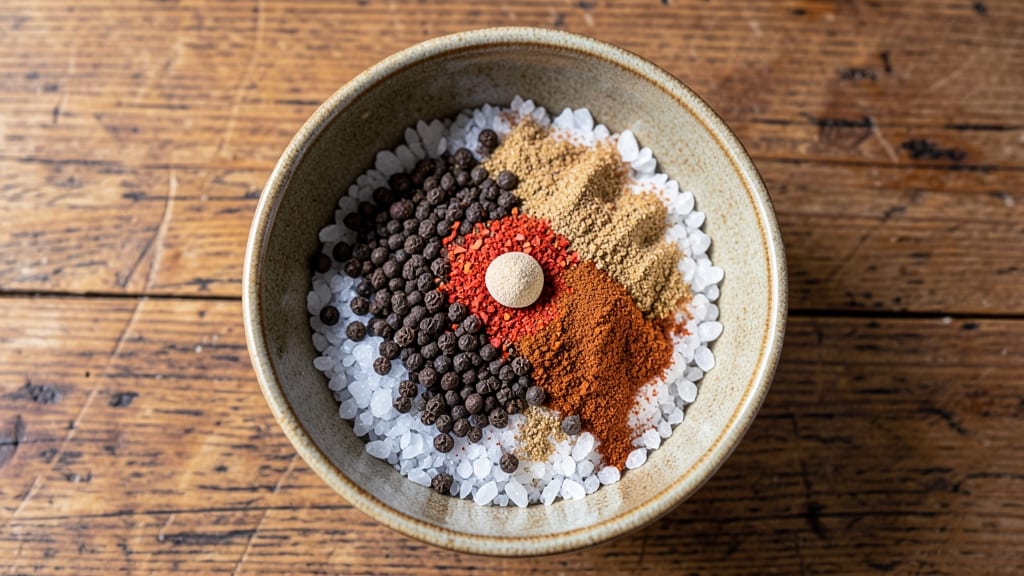
This pork belly spice rub recipe transforms simple pork into a smoky-sweet masterpiece with a crispy, caramelized crust that’s impossible to resist. Growing up in small-town Georgia, I learned that the secret to unforgettable pork wasn’t just the meat—it was the rub.
A perfect balance of spices and sugar creates that coveted bark, turning every bite into a flavor explosion.
The blend is simple but powerful: coarse salt, black pepper, smoked paprika, garlic powder, brown sugar, and a touch of cayenne for heat. These pantry staples come together in minutes, yet they deliver restaurant-quality results every time.
The key is applying it generously—don’t skimp, or you’ll miss out on that deep, caramelized flavor that makes pork belly legendary.
What you’ll get is a crispy, crackling crust with layers of smoky, slightly sweet heat that pairs perfectly with anything from roasted pork belly to pulled pork sandwiches.
The rub keeps well in an airtight container for up to three months, so you can stock up and always have that professional touch ready when inspiration—or cravings—strike.
Whether you’re slow-roasting a whole cut or searing thick slices, this rub elevates pork belly to new heights. Let’s get started—your next meal is about to become the star of the table.
Ingredients for pork belly spice rub
Pantry staples that turn pork belly into crispy, smoky perfection with every bite.
| Ingredient | Amount | Notes |
|---|---|---|
| Coarse Kosher Salt 🧂 | 3 tbsp | Diamond Crystal preferred for texture |
| Freshly Ground Black Pepper 🌶️ | 2 tbsp | Freshly cracked for maximum aroma |
| Smoked Paprika 🌶️ | 2 tbsp | High-quality Spanish smoked paprika |
| Garlic Powder 🧄 | 1 tbsp | Non-iodized preferred |
| Light Brown Sugar 🍚 | 2 tbsp | Packed firmly for consistency |
| Cayenne Pepper 🔥 | ½ tbsp | Adjust for desired heat level |
| Ground Cumin 🌿 | 1 tsp | Toasted for deeper flavor |
| Onion Powder 🧅 | 1 tsp | Freshly ground preferred |
The salt is non-negotiable here—Diamond Crystal gives that perfect grainy texture that sticks to the pork and caramelizes beautifully. Penzeys or bulk bins at natural food stores are great for quality spices, but honestly, the regular grocery store stuff works if it's fresh. Smoked paprika makes or breaks this rub, so grab a small jar from Trader Joe's or Whole Foods—their Spanish smoked paprika has the best depth. Brown sugar should be packed firmly in the spoon; don't tap it loose. That extra density helps create that coveted bark. For the cayenne, I always grab the McCormick brand—it's consistent and not too overpowering.
No smoked paprika? Regular paprika plus a pinch of liquid smoke gets you close, but the flavor won't be quite the same. Freshly ground spices make a difference—if you've got whole cumin seeds, toast and grind them fresh (30 seconds in a dry pan). Short on brown sugar? White sugar plus a dash of molasses mimics the depth. The garlic powder can be swapped for 1/2 tsp granulated garlic if you're feeling fancy, but it's not necessary. For heat, red pepper flakes at half the amount works in a pinch, but cayenne gives that clean, sharp kick that pairs perfectly with the smokiness.
This rub keeps for 3-6 months in an airtight container in a cool, dark place. I always make a double batch—one for immediate use, one to store. The spices get stronger over time, so if you notice it losing punch after a few months, just add a pinch more cayenne or smoked paprika when using. For extra crispiness, let the pork sit at room temperature for 30 minutes before applying the rub. And trust me, don't skip the 24-hour dry brine before cooking—it makes all the difference in that crackling crust.
Why You'll Love This Recipe
- No-Fuss Flavor Bomb: Honestly, this rub takes less than 10 minutes to toss together—just dump everything in a bowl, rub your hands together like you’re making a snowball, and boom. No fancy equipment, no measuring madness. The spices blend so effortlessly that you’ll forget you’re even cooking. I’ve made it while waiting for my coffee to brew.
- Crispy, Caramelized Magic: That light brown sugar isn’t just for sweetness—it’s what turns your pork belly into golden, crackling perfection. Pair it with the smoky paprika and a hint of cayenne, and you’ve got that irresistible bark that’s crispy on the outside and juicy on the inside. Trust me, the first bite will make you forget all about sad, dry pork belly.
- Versatile for Any Occasion: This rub isn’t just for Sunday dinners. Slather it on pork belly for a weeknight sheet-pan meal, or use it to season ribs for your next BBQ showdown. Even my picky teen eats it—just don’t tell her I added cayenne. It’s that good. And if you’re feeling fancy, mix it with a little oil for a wet rub that sticks like glue to grilled pork chops.
- Budget-Friendly Treasure: You already have most of these spices sitting in your pantry, and the rest? A dollar’s worth of cayenne and cumin. This isn’t one of those recipes that requires a grocery haul. Plus, it makes enough for multiple meals, so you’ll have leftovers to toss on tacos, stir-fries, or even popcorn for a spicy snack. My secret weapon for feeding a crowd without breaking the bank.
Step-by-step instructions for pork belly spice rub
This blend delivers that perfect balance of smoky-sweet heat for irresistible crispy pork belly.
Combine Dry Ingredients in a Bowl
In a medium bowl, add the 3 tablespoons coarse kosher salt, 2 tablespoons freshly ground black pepper, and 2 tablespoons smoked paprika. These three form the flavor foundation—salt for depth, pepper for sharpness, and smoked paprika for that unmistakable smoky aroma. Use your hands or a whisk to break up any clumps in the smoked paprika, ensuring it disperses evenly throughout the mix.
Next, add the 1 tablespoon garlic powder and 1 teaspoon onion powder. These two work together to create a subtle, savory backbone that complements the bold flavors. Sprinkle the 2 tablespoons light brown sugar over the mixture—this isn't just for sweetness, but also helps create that beautiful caramelized crust on the pork belly. Finally, add the ½ tablespoon cayenne pepper and 1 teaspoon ground cumin. The cayenne brings heat, while the cumin adds earthy warmth that ties everything together.
Mix Thoroughly Until Uniform
Using your hands, rub the ingredients together between your palms until you achieve a fine, even consistency. You're looking for a texture that's neither too coarse nor too powdery—think of it like wet sand that clings together when pressed. This step is crucial because any uneven distribution will create hot spots on your pork belly, leading to inconsistent flavor and texture.
I like to press the mixture firmly between my fingers to ensure every particle is coated. You'll notice the colors begin to blend beautifully—deep reds from the smoked paprika, golden hues from the brown sugar, and earthy tones from the cumin. This visual cue tells you the spices are properly integrated. If you're using this for a large cut of pork belly, you might want to double the recipe to ensure you have enough for complete coverage.
Apply Generously to Pork Belly
Pat the pork belly completely dry with paper towels—this is non-negotiable for achieving that perfect crispy crust. The rub needs direct contact with the meat, and any moisture will prevent proper adhesion. Once dry, apply the spice rub generously to all sides of the pork belly, pressing it firmly into the surface. Don't be shy—you want a thick, even coating that will create that coveted bark when cooked.
Pay special attention to the edges and any thick fat areas. The fat will render down during cooking, creating additional flavor and moisture, but you still want the rub to adhere well. For best results, let the rubbed pork belly sit at room temperature for 30 to 60 minutes before cooking. This allows the spices to penetrate slightly into the meat and creates a more flavorful crust. If you're short on time, even 15 minutes will make a noticeable difference.
Optional - Create a Wet Rub Version
For an extra-sticky rub that clings even better, you can create a wet version by mixing the dry ingredients with 1 to 2 tablespoons of oil (like vegetable or avocado oil) until it forms a paste. This works particularly well if you're cooking the pork belly in a pan or on the grill where you want maximum flavor transfer. The oil helps the spices adhere more tenaciously and creates additional opportunities for caramelization during cooking.
When using the wet rub version, apply it in the same generous fashion as the dry rub. The oil will help the spices stick to the meat even better, especially in humid conditions. However, be cautious not to add too much oil—you're aiming for a paste-like consistency, not a soupy one. This version is particularly useful if you're cooking the pork belly in a smoker where you want to maximize surface area contact with the wood smoke.
Pro Tips For Making Pork Belly Spice Rub
- Break Up That Paprika: Smoked paprika clumps like a stubborn guest at a party—don’t let it ruin your rub. Use your fingers or a whisk to smash those lumps before mixing, or you’ll end up with uneven smoky pockets on your pork belly. I learned this the hard way when my first batch tasted like a patchwork quilt of flavor.
- Press the Rub Like You Mean It: The rub needs to stick like glue to the pork belly, so don’t just sprinkle—press it in with your palms. Focus on the thick fat layers and edges, where the crust forms. If you’re lazy (like I used to be), the rub will slide off mid-cook, and you’ll wonder why your pork tastes like it’s missing something.
- Don’t Skip the Sugar Packing: That 2 tbsp light brown sugar is packed firmly for a reason—it’s not just sweetness, it’s the caramelized crust. If you scoop it loosely, you’ll get half the sugar and a rub that clumps like sand. Use a spoon to press it down in the measuring cup, or your pork belly’s bark will be more sad than spectacular.
- Wet Rub for Humid Days: If your kitchen feels like a swamp, skip the dry rub and mix in 1-2 tbsp oil to turn it into a paste. The wet version clings better, especially on the grill or smoker, and won’t fly off in sticky conditions. Just don’t drown it—you’re aiming for playdough, not soup.
Troubleshooting perfect results
Uneven Spice Distribution
If your rub clumps or separates after mixing, it’s likely due to inconsistent texture. I’ve seen home cooks make this mistake—especially with smoked paprika—where clumps form and don’t distribute evenly. To fix it, sift the 2 tbsp smoked paprika through a fine-mesh sieve before adding it to the bowl.
This breaks up any lumps and ensures it blends smoothly with the 3 tbsp coarse salt and 2 tbsp black pepper. If you’re short on time, rub the mixture between your palms firmly for 30 seconds until it looks like fine sand. 💫
Rub Won’t Stick to Meat
Moisture is the enemy of a perfect rub adhesion. If your pork belly feels slippery after applying the rub, pat it dry with paper towels—twice if needed. I always use a clean, dry towel and press firmly to absorb any lingering moisture.
For extra grip, let the pork sit uncovered in the fridge for 1 hour before cooking to evaporate any remaining dampness. Trust me, that 30-minute room temp rest mentioned in the instructions makes a world of difference.
Burnt or Overly Bitter Flavor
If your pork belly tastes burnt or overly bitter, you likely cooked it at too high a temperature. The light brown sugar in this rub caramelizes beautifully at 300-325°F, but cranking your oven or grill to 400°F will scorch it instead.
Use a meat thermometer to monitor internal temp—aim for 145°F for medium-rare pork belly. If the crust is already browned at 130°F internal, pull it out to rest. Patience here prevents bitter results.
Rub Loses Flavor Over Time
Spices lose potency when exposed to air or light, which is why I always store my rubs in glass jars with rubber seals (like Ball Mason jars). If your rub tastes flat after 3 months, it’s time to refresh it.
Sprinkle ½ tsp cayenne pepper or 1 tsp smoked paprika into the jar and shake well. The extra spices will revive the blend. For a stronger kick, toast the 1 tsp ground cumin in a dry pan for 30 seconds before mixing it back in.
Fat Rendering Too Fast
If the fat renders away too quickly and leaves the meat dry, you’re likely cooking at too high a temperature. For slow-roasted pork belly, maintain 275°F in the oven or smoker.
If using a Lodge cast iron skillet on the stovetop, reduce heat to medium-low once the fat starts rendering. I’ve learned the hard way—overcooking the fat means overcooking the meat, and that’s a flavor killer. Let the pork rest for 20 minutes before slicing to redistribute juices.
Nutrition facts
Frequently asked questions
How long should I let the pork belly rest after applying the rub?
For best results, let the rubbed pork belly sit at room temperature for 30 to 60 minutes before cooking. This allows the spices to penetrate the meat and creates a more flavorful crust. Even 15 minutes will make a noticeable difference if you're short on time.
Can I use this rub on other meats besides pork belly?
This versatile spice blend works beautifully on chicken thighs, duck, or even beef brisket. The smoky-sweet heat pairs perfectly with fatty cuts that benefit from a crispy crust. Just adjust cooking times for your chosen meat.
What's the best way to store leftover spice rub?
Store your rub in an airtight container like a glass jar with a rubber seal. Keep it in a cool, dark place where it'll stay fresh for 3-6 months. If it starts losing potency after a few months, just add a pinch of cayenne pepper or smoked paprika to revive it.
Why does my rub keep clumping together?
Clumping usually happens with smoked paprika or brown sugar. To fix it, sift the paprika through a fine-mesh sieve before mixing, then rub all ingredients between your palms for 30 seconds until you get a fine, even texture—like wet sand that sticks together.
Can I make a wet version of this rub for better adhesion?
Yes! Mix the dry rub with 1-2 tablespoons of oil (like avocado oil) to create a paste. This works especially well for grilling or pan-searing, as the oil helps the spices cling to the meat even better in humid conditions. Just don't overdo it—aim for a thick paste, not a soupy mix.