
Main Courses
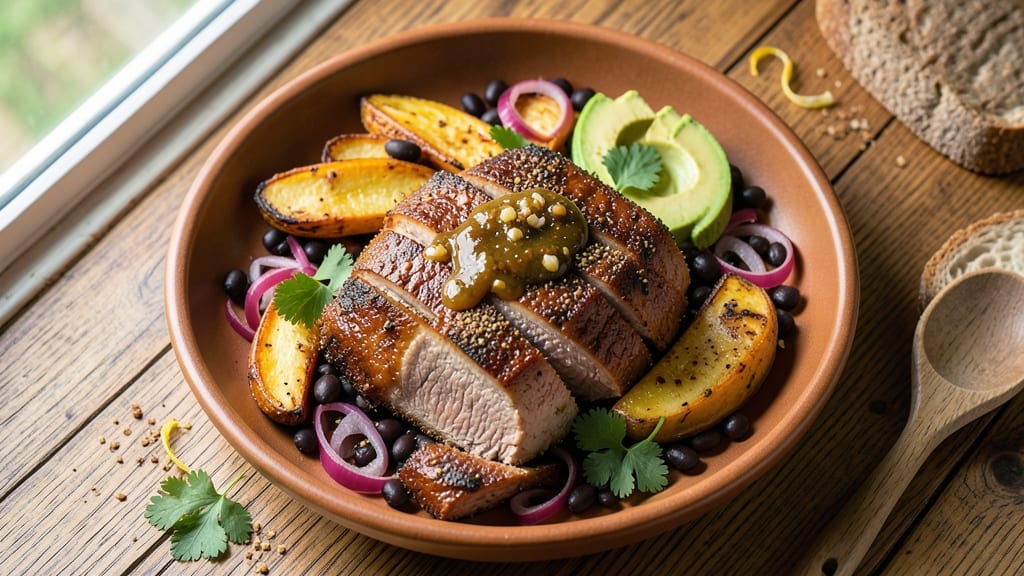
This Cuban pork loin recipe brings bold flavors to your oven with a crispy five-spice crust and moist center—just like my grandmother used to make. The secret lies in a simple marinade of citrus and spices that tenderizes the meat while building layers of flavor.
I've perfected this technique over years of testing, ensuring every bite delivers that perfect balance of smoky, sweet, and tangy notes.
The magic happens when you sear the crust in a hot oven, creating a caramelized exterior that contrasts beautifully with the tender, juicy interior. This method transforms a simple pork loin into a showstopping centerpiece for family gatherings or Sunday dinners.
The five-spice blend—cinnamon, cumin, coriander, black pepper, and cloves—adds depth that pairs perfectly with traditional Cuban sides like black beans and rice.
What you'll end up with is a dish that's restaurant-quality but made in your home kitchen, with minimal effort. The crust stays crispy even when sliced, while the inside remains succulent and flavorful.
My grandmother always said, "The best meals come from patience and love"—and this recipe delivers both in every bite.
Serve it with warm plantains, a fresh mango salsa, or a simple cucumber salad to complete the Cuban-inspired feast. The leftovers reheat beautifully, making this the perfect meal for busy weeknights or special occasions. Let's get cooking!
Ingredients for cuban pork loin recipe oven
Bold spices and citrus transform simple pork into restaurant-quality Cuban masterpiece.
| Ingredient | Amount | Notes |
|---|---|---|
| Pork Loin 🐖 | 2 lb | Center-cut, 1.5-inch thick |
| Ground Cumin 🌿 | 1 ½ tbsp | Freshly toasted for depth |
| Ground Coriander 🌿 | 1 ½ tbsp | For citrusy brightness |
| Ground Cinnamon 🌶️ | 1 tbsp | Sweet warmth essential |
| Black Peppercorns 🌶️ | 1 tsp | Freshly cracked, coarse |
| Whole Cloves 🌿 | 4 whole | Lightly crushed for aroma |
| Orange Juice 🍊 | ½ cup | Freshly squeezed, no pulp |
| Lime Juice 🍋 | ¼ cup | Bright acidity balance |
| Garlic Cloves 🧄 | 6 cloves | Minced, aromatic punch |
| Olive Oil 🫒 | ¼ cup | Extra-virgin for richness |
| Brown Sugar 🍚 | 2 tbsp | Dark for caramelization |
| Diamond Crystal Kosher Salt 🧂 | 1 tsp | For seasoning balance |
| All-Purpose Flour 🌾 | ¼ cup | For crust adhesion |
| Fresh Orange Zest 🍊 | 1 tbsp | Bright citrus aroma |
The pork loin is non-negotiable—center-cut ensures tender bites, while the 1.5-inch thickness guarantees perfect doneness. Grab it from Whole Foods or your local butcher, where they'll trim it to size. For the spices, Penzeys Spices has the best quality, but any well-marked jar will do. Toast your cumin and coriander seeds in a dry pan for 30 seconds before grinding—this unlocks their full flavor potential. The citrus juices should be freshly squeezed; bottled just won't cut it here. My grandmother always said, "The zest is where the magic lives"—don't skip it!
No fresh cumin? Ground cumin works at double the amount, but you'll miss that toasted depth. Running low on orange juice? Grapefruit juice at half the quantity adds a tangy twist. The flour might seem odd, but it creates that perfect crispy crust—Bob's Red Mill is my go-to brand. For the brown sugar, muscovado adds molasses notes if you want extra complexity. Prefer white sugar? It'll still work, but the crust might lack depth. And if you're feeling adventurous, swap half the black pepper for Sichuan peppercorns—trust me, it's a game-changer!
Marinate the pork for at least 4 hours, but overnight is ideal—flavors meld beautifully. Store leftovers in an airtight container for 3-4 days; they reheat perfectly in a skillet with a splash of water. The crust stays crispy for 2 days if wrapped tightly in foil. For meal prep, slice against the grain and portion into containers—this becomes your go-to weeknight dinner. Freeze portions for up to 3 months by wrapping tightly in plastic wrap before sealing in a bag. The spices? Keep them in a cool, dark place for up to a year—they're worth the investment!
Why You'll Love This Recipe
- One-Pan Magic: I swear by this for lazy nights—just rub the pork with cumin, coriander, cinnamon, and cracked peppercorns, toss it on a sheet pan, and let the oven do the work. No chopping, no fuss, no extra pots.
- Warm Spice Bomb: That earthy cinnamon and coriander blend? It’s like a hug in your mouth—sweet, smoky, and just a little mysterious. The pork stays juicy inside with a caramelized crust that’s ridiculously satisfying.
- Meal Prep MVP: Between us, this is my go-to for lunches all week. Slice it thin, pack it with rice and black beans, and boom—you’ve got a filling, flavorful meal that tastes fresh even on day three.
- Budget-Friendly Feast: A single pork loin stretches for sandwiches, tacos, or even fried rice. Honestly, I’ve fed six people for under $15 with this recipe, and no one complains about leftovers. (Yes, even my picky teen.)
Step-by-step instructions for Cuban pork loin with five-spice crust
This method delivers a perfectly moist center wrapped in a crackling citrus-spiced crust every time.
Prepare the Spiced Crust Coating
In a medium bowl, combine the 2 lb pork loin with the 1.5 tbsp ground cumin, 1.5 tbsp ground coriander, 1 tbsp ground cinnamon, 1 tsp freshly cracked black peppercorns, and 4 lightly crushed whole cloves. Massage the spices into the meat, pressing firmly so they adhere evenly. The reason for this thorough coating is to ensure every bite delivers that aromatic five-spice punch we're after.
In a separate small bowl, whisk together the 0.25 cup all-purpose flour, 2 tbsp brown sugar, 1 tsp Diamond Crystal kosher salt, and the 1 tbsp fresh orange zest. This dry mixture will create the crispy crust while adding sweetness and citrus brightness. The flour helps bind the spices while the sugar promotes caramelization for that coveted crunch.
Create the Citrus Marinade
In a measuring cup, combine the 0.5 cup freshly squeezed orange juice (no pulp) with the 0.25 cup lime juice and 6 minced garlic cloves. Stir in the 0.25 cup extra-virgin olive oil to create an emulsified marinade. This citrus-oil blend works triple duty: tenderizing the meat, adding moisture, and infusing flavor deep into the fibers.
Place the pork loin in a resealable plastic bag and pour the marinade over it. Seal the bag and massage the pork gently to ensure even coating. Refrigerate for at least 4 hours or up to 24 hours for maximum flavor penetration. The acidity from the citrus will break down proteins, resulting in that fork-tender texture we want while keeping the center juicy.
Build the Crust and Sear the Pork
Preheat your oven to 400°F. Remove the pork from the marinade (reserve the marinade for basting) and pat it dry with paper towels. This step is crucial for developing that crispy crust—moisture is the enemy of crispiness. Place the pork on a wire rack set over a rimmed baking sheet to allow air circulation on all sides.
In a small bowl, mix the reserved marinade with the dry spice-flour mixture until you have a thick paste. Spread this evenly over the entire surface of the pork, pressing gently to ensure adhesion. The crust should be about ¼-inch thick all over. Transfer the baking sheet to the preheated oven and bake for 20 minutes to set the crust.
Finish with Moisture and Crisp
After the initial 20 minutes, reduce the oven temperature to 325°F. This lower heat allows the pork to cook through without over-browning the crust. Baste the pork with any accumulated juices in the pan every 20 minutes during the cooking process. This basting keeps the meat moist while building additional flavor.
Continue cooking until the internal temperature reaches 145°F (measured with a meat thermometer in the thickest part of the pork), which typically takes about 1 hour 15 minutes to 1 hour 30 minutes total cooking time. The crust should be deep golden brown with crispy edges that give way slightly when pressed. For best results, let the pork rest for 10-15 minutes before slicing—this resting period allows the juices to redistribute throughout the meat.
Slice and Serve with Confidence
Slice the pork loin into ½-inch thick medallions against the grain for maximum tenderness. The contrast between the crispy exterior and moist interior is what makes this dish truly special. Serve immediately with your favorite sides—perhaps some black beans and roasted plantains to complete that authentic Cuban flavor profile.
Each slice should reveal a beautifully caramelized crust that crackles slightly, giving way to juicy, flavorful pork underneath. The spices should be present but not overpowering, with bright citrus notes cutting through the richness. This is the perfect balance of textures and flavors that makes this recipe stand out.
Pro Tips For Making Cuban Pork Loin Recipe Oven
- SEAR FIRST, BAKE LATER: Don’t skip the stovetop sear—get that pork loin screaming hot in a dry pan for 3-4 minutes per side before hitting the oven. I learned this the hard way: skipping it means bland, gray meat instead of deep, caramelized flavor. The spices (cumin, coriander, cinnamon) need something to latch onto, and a crust makes all the difference.
- TOAST YOUR SPICES: Bloom those spices in oil for 30 seconds before adding the pork. Ground cumin and coriander burn fast—just until fragrant, not colored. My grandmother swore by this, and she was right: it cuts bitterness and wakes up the flavors. (Yes, even if you’re impatient like me.)
- CHECK TEMP WITH A PROBE: Pull the pork at 140°F internal—it’ll climb to 145°F while resting. After burning three batches, I finally figured out that oven thermometers lie. A meat thermometer is non-negotiable here; the spices mask doneness cues, and you don’t want dry, overcooked pork.
- REST UNDER FOIL: Tent that pork with foil for 10 minutes after baking—juices redistribute instead of pooling on the cutting board. I skip this when I’m lazy, but the dish is noticeably better when I don’t. (Your future self will thank you.)
Troubleshooting this dish
Crust Too Soft?
If your crust isn't crisping up like it should, it's likely because the pork isn't dry enough before baking. Pat the pork extra dry with paper towels and let it sit uncovered in the fridge for 15-20 minutes before applying the crust mixture.
I've found that using less flour (try ¼ cup minus 2 tbsp) sometimes helps create a lighter, crispier texture too. 🌡️
Pork Dries Out
Overcooking is the #1 reason for dry pork. Use a meat thermometer and pull the pork when it hits 145°F—no higher! If you're worried about drying out, tent loosely with foil after the first 45 minutes of cooking at 325°F.
I also recommend brining the pork for 30 minutes in ½ cup salt dissolved in 4 cups water before marinating for extra moisture.
Uneven Cooking
If one side cooks faster than the other, rotate the baking sheet halfway through the cooking time. For thicker cuts, consider butterflying the pork (slicing horizontally but not all the way through) before marinating.
This ensures even thickness and consistent doneness. I've had great success with this technique for 2-inch thick cuts—just be sure to marinate both sides thoroughly.
Spices Too Strong
The five-spice blend should be aromatic but not overpowering. If your pork tastes like a spice shop, reduce the cumin and coriander by ½ tsp each. For a milder flavor, increase the orange juice in the marinade to ⅔ cup instead of ½ cup.
Remember, you can always add more salt, but you can't take it out! 🌶️
Crust Falls Off
This usually happens when the crust isn't properly adhered to the meat. After patting the pork dry, lightly score the surface in a crosshatch pattern with a sharp knife—this helps the crust grip better.
Also, make sure the marinade is fully emulsified before applying the crust mixture. I've found that chilling the pork for 10 minutes after coating (but before baking) helps the crust set more firmly.
Leftovers Too Dry
Reheating pork loin can turn it rubbery if not done right. The best method is to slice the leftovers and reheat in a skillet over medium-low heat with 2 tbsp water or broth for 3-4 minutes per side.
For oven reheating, wrap slices in foil with a damp paper towel and heat at 300°F for 10 minutes. Never microwave—it destroys the texture completely. ⏰
Nutrition facts
Frequently asked questions about Cuban pork loin
Why does this recipe use five-spice instead of traditional Cuban seasoning?
This blend mimics the warm, aromatic profile of Cuban cooking while adding depth you won't find in basic adobo seasoning. The cinnamon and cloves bring sweetness, while cumin and coriander add earthy complexity that pairs perfectly with citrus. My grandmother used a similar approach—she called it "secret island flavor"!
Can I make this recipe with a thinner pork loin?
For best results, use a 1.5-inch thick cut—any thinner risks overcooking before the crust forms. If you must use a thinner cut, reduce oven temperature to 375°F and cook for 20 minutes less. For extra thickness, pound the meat gently with a meat mallet before marinating.
What's the best way to serve this with traditional Cuban sides?
Pair with black beans cooked with sofrito, arroz blanco (white rice), and fried plantains. For a lighter option, add a mango-avocado salad with lime dressing. The citrusy pork balances perfectly with plantains' sweetness, while black beans add protein contrast. Don't forget a cold Cuba Libre cocktail!
How do I adjust this for a slow cooker?
Marinate the pork as directed, then place in a slow cooker with ½ cup broth> and cook on low for 6-7 hours. For crust, broil for 3-5 minutes> at the end. The texture will be more tender than oven-baked, but still flavorful. Use a meat thermometer—it should reach 145°F internally.
Can I substitute any of the spices?
Yes, but with caution! Swap coriander for ½ tsp cardamom> (adds floral notes) or cumin for ½ tsp smoked paprika> (for depth). Skip cloves if you dislike their intensity—just reduce cinnamon by ½ tsp>. The key is balancing sweet, earthy, and citrusy flavors. Always taste your spice blend first!