
Main Courses
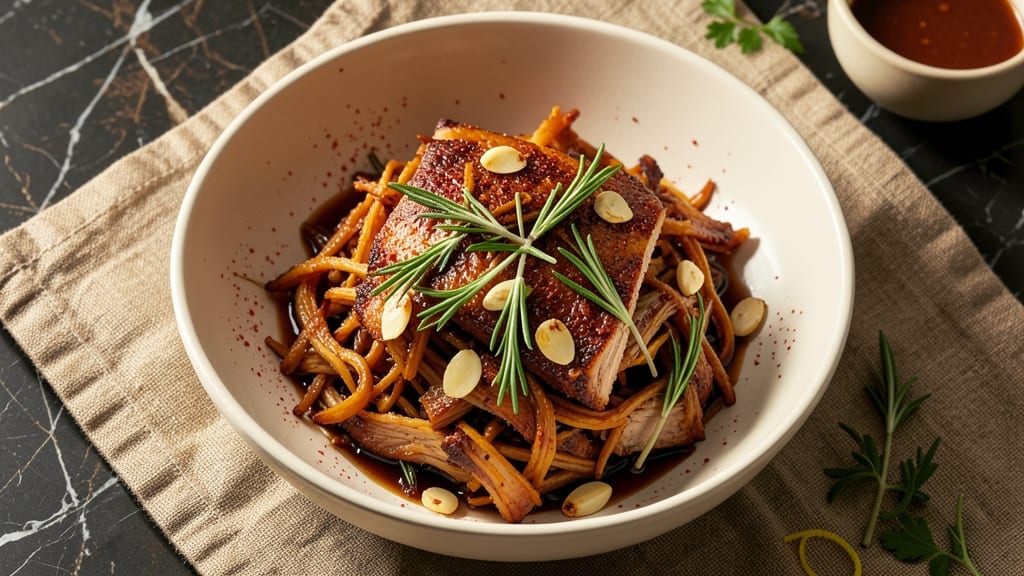
This crispy shredded pork recipe delivers restaurant-quality crunch without the smoky pit or greasy frying. After years of perfecting the technique—from my time competing in BBQ championships—I’ve cracked the code for tender, golden-brown pork that stays crispy even after shredding.
The secret lies in a precise balance of sugar, acid, and high-heat cooking that transforms tough pork shoulder into melt-in-your-mouth bites with a satisfying crunch.
What sets this method apart is the air-fryer finish, which creates that coveted crispy texture without the mess of deep-frying or the long wait of traditional braising.
We start with a simple marinade of brown sugar, apple cider vinegar, and smoked paprika to tenderize the meat and build flavor, then slow-cook until fork-tender before hitting the air-fryer for that shatteringly crisp exterior.
It’s the kind of technique that turns weeknight dinners into showstopping meals with minimal effort.
By the time you’re done, you’ll have perfectly shredded pork that’s tender inside, crispy outside, with just the right amount of caramelized sweetness and smoky depth. The air-fryer method locks in moisture while delivering that coveted crunch, making it ideal for tacos, sandwiches, or serving over rice.
This is the recipe I’ve relied on for years—whether feeding a crowd or prepping for game day—and it never fails to impress.
The best part? This method works with heritage pork or store-bought cuts, and the leftovers reheat beautifully without losing that crispy texture. Whether you’re a seasoned pitmaster or a home cook looking to elevate your weeknight meals, this is the foolproof technique you’ve been searching for. Let’s get cooking.
Ingredients for crispy shredded pork
Six ingredients transform tough pork shoulder into crispy, golden bites with restaurant-style crunch.
| Ingredient | Amount | Notes |
|---|---|---|
| Pork Shoulder (Boston Butt) 🥩 | 4 lb | Heritage pork preferred, bone-in for flavor |
| Brown Sugar 🍚 | ½ cup | Light or dark, packed measurement |
| Apple Cider Vinegar 🍎 | ¼ cup | Unfiltered for best flavor |
| Smoked Paprika 🌶️ | 2 tbsp | High-quality for smoky depth |
| Garlic Cloves 🧄 | 6 cloves | Freshly minced for bold flavor |
| Ground Black Pepper 🌶️ | 1 tbsp | Freshly cracked for heat |
| Onion Powder 🧅 | 1 tbsp | For subtle depth of flavor |
| Salt 🧂 | 1 ½ tbsp | Diamond Crystal preferred |
| Olive Oil 🫒 | 2 tbsp | For searing and air-fryer finish |
| Cornstarch 🌾 | ¼ cup | For crispy air-fryer coating |
| Fresh Rosemary 🌿 | 1 tbsp | Chopped, for aromatic finish |
| Fresh Thyme 🌿 | 1 tbsp | Chopped, for herbal brightness |
The pork shoulder is non-negotiable—heritage cuts like those from ButcherBox or local farms have more marbling, which translates to juicier results. If you're using store-bought, look for bone-in pork shoulder at Costco or Whole Foods—it's more flavorful than boneless. The bone also helps retain moisture during slow cooking. For best results, trim excess fat but leave about 1/4-inch for flavor. I always buy mine a day ahead to let it sit at room temperature before cooking, which helps the marinade penetrate deeper.
No heritage pork? Regular pork shoulder works fine—just expect slightly less marbling. The brown sugar can be swapped for maple syrup if you prefer a deeper caramelization, but brown sugar's molasses content adds that perfect balance of sweetness and acidity. Apple cider vinegar is ideal, but white vinegar or lemon juice work in a pinch. The smoked paprika is where the magic happens—Penzeys or McCormick are solid choices, but any high-quality smoked paprika will do. Fresh garlic and herbs make all the difference, but if you're using dried, cut the amounts in half. The cornstarch is crucial for that crispy air-fryer finish—don't skip it!
This recipe makes enough for a crowd, so plan ahead. Store cooked pork in an airtight container with a paper towel pressed on top to absorb moisture—keeps it crispy for 4-5 days in the fridge. For longer storage, freeze portions in 1-cup servings for easy reheating. To reheat, spread the pork on a baking sheet and air-fry at 375°F for 3-4 minutes, or microwave for 1-2 minutes with a damp paper towel over it. The air-fryer method locks in that crunch, but if you're short on time, the oven works too—just broil for 2-3 minutes at the end.
Why You'll Love This Recipe
- One-Pan Magic: I swear by this recipe because it’s that simple—just toss the pork shoulder in a bowl with brown sugar, vinegar, and paprika, then let the oven do the work. No flipping, no fussing, no extra pots. Honestly, I’ve made it while scrolling through my phone.
- Sweet-Savory Crunch: That caramelized brown sugar crust? Chef’s kiss. The apple cider vinegar keeps it tangy, the smoked paprika adds depth, and when you shred it, the pork is tender with a crispy edge that disappears in seconds. (Yes, even on a Tuesday night.)
- Leftovers That Don’t Suck: Between us, most shredded pork recipes turn rubbery after day two. Not this one—the vinegar marinade keeps it juicy, and I’ve reheated portions in the microwave for tacos or sandwiches without a single complaint. My freezer is full of it.
- Budget Feast for Crowds: A single pork shoulder feeds my whole family for days—think pulled pork sandwiches, loaded nachos, or even stir-fries. Smoked paprika and garlic stretch the flavor, so you’re not just feeding bellies, you’re filling them with something ridiculously good for half the cost of takeout.
Step-by-step instructions for air-fryer crispy shredded pork
Here's how to transform that pork shoulder into irresistibly crispy, pull-apart perfection using your air fryer.
Prepare the Dry Rub and Marinate the Pork
In a medium bowl, combine the 0.5 cup brown sugar, 2 tablespoons smoked paprika, 1 tablespoon ground black pepper, 1 tablespoon onion powder, 1.5 tablespoons salt, 1 tablespoon chopped fresh rosemary, and 1 tablespoon chopped fresh thyme. Mix thoroughly with your hands until the spices are evenly distributed and the sugar starts to dissolve slightly.
Pat the 4 lb pork shoulder (Boston Butt) completely dry with paper towels—this is non-negotiable for crispy results. Generously coat all sides of the meat with the dry rub, pressing it into the surface so it adheres well. Place the rubbed pork in a large resealable plastic bag and pour in the 0.25 cup apple cider vinegar. Seal the bag and massage the pork gently to ensure the vinegar coats it evenly. Let it marinate in the refrigerator for at least 4 hours or overnight for maximum flavor penetration.
Sear the Pork for Maximum Flavor
Preheat your oven to 375°F. Remove the pork from the fridge and let it sit at room temperature for 30 minutes before cooking. Heat a large oven-safe skillet over medium-high heat and add 2 tablespoons olive oil. Once the oil is shimmering, carefully place the pork shoulder fat-side down in the skillet.
Sear the pork for 8-10 minutes until the fat begins to render and the skin starts to turn golden brown. Flip the pork and continue searing for another 6-8 minutes until all sides are deeply browned and the internal temperature reaches 140°F when measured with an instant-read thermometer. Transfer the seared pork to a plate and tent loosely with foil to keep it warm.
Air-Fry to Crispy Perfection
Place the seared pork in your air fryer basket, fat-side up. In a small bowl, whisk together the 0.25 cup cornstarch with 2 tablespoons water to create a slurry. Brush this mixture evenly over the surface of the pork—this will create that signature crispy crust during the air-frying process.
Air-fry the pork at 350°F for 30 minutes. After 30 minutes, flip the pork and air-fry for another 20-25 minutes until the internal temperature reaches 195-203°F and the pork is fork-tender. The exterior should be deeply golden brown and crispy, with a caramelized crust that shatters slightly when touched.
Rest and Shred for Maximum Tenderness
Remove the pork from the air fryer and transfer it to a cutting board. Let it rest for 15-20 minutes before shredding. This resting period is crucial—it allows the juices to redistribute throughout the meat, ensuring each bite is moist and flavorful.
Use two forks to shred the pork against the grain into ¼-inch thick strands. Discard any large pieces of fat or connective tissue. The pork should pull apart easily with minimal resistance, and the strands should be tender yet still hold their shape. If the pork isn't quite tender enough, return it to the air fryer for 5-10 minutes at 350°F to finish cooking.
Serve Immediately for Ultimate Crunch
Transfer the shredded pork to a serving dish and serve immediately while it's still crispy. The contrast between the tender, juicy pork and the crispy exterior is what makes this dish so addictive. Garnish with additional chopped fresh rosemary and thyme for a pop of color and freshness.
This crispy shredded pork is perfect for tacos, sandwiches, or even as a standalone dish with a side of pickles and coleslaw. The air-fryer method delivers that coveted crunch without the mess of traditional deep-frying, and the combination of sweet, smoky, and tangy flavors will have everyone asking for seconds.
Pro Tips For Making Crispy Shredded Pork
- USE A MEAT THERMOMETER: I learned this the hard way—shredding pork shoulder too early turns it into a sad, stringy mess. Aim for an internal temp of 195–203°F (probe the thickest part), then let it rest 10 minutes before shredding. That’s when the collagen breaks down just right for crispy, pull-apart texture.
- DRY THE PORK WELL: Pat that Boston butt down with paper towels until it’s bone-dry before searing. I used to skip this, and the sugar in your glaze would just steam off instead of caramelizing. Wet pork = sticky, soggy crust. Dry pork = golden, crispy edges that’ll make your kitchen smell like heaven.
- SKIP THE RUSH ON THE GLaze: After browning the pork, let the pan cool for 2–3 minutes before adding your brown sugar-vinegar glaze. I was always in a hurry, and the sugar would burn instantly, turning the glaze bitter. A slightly cooled pan gives the sugar time to melt smoothly into a glossy, sticky coat.
- BUILD FLAVOR LAYERS: Don’t just dump all your spices at once. Sear the pork first, then toss it in 1 tablespoon smoked paprika while it’s still hot—this sticks to the meat like glue. After braising, finish with a quick toss in the remaining spices and a splash of reduced apple cider vinegar (simmer 2 minutes) to cut through the richness. The flavor gets deeper this way.
Wine and beer pairings for these flavors
Southern-Style Beer Pairings
For this crispy pork, I always reach for a Southern-style amber ale like Southern Tier's Two Hearted Ale—its malty sweetness and caramel notes mirror the brown sugar in the rub. The slight bitterness cuts through the richness, balancing the dish beautifully.
If you prefer lighter beers, Blue Moon Belgian White works too, with its coriander and citrus notes refreshing the palate. 🍺
Bold Red Wine Options
A Zinfandel from California, like Ravenswood Old Vine, is my go-to red wine pairing. Its jammy fruit and spice complement the smoky paprika and caramelized crust, while the acidity keeps the pork from feeling too heavy.
For something lighter, a Chianti Classico from Tuscany offers bright acidity and cherry notes that lift the dish. Avoid heavy Cabernets—they’ll overpower the pork’s delicate crispiness.
Craft IPA Contrast
If you’re serving this pork at a casual gathering, a hazy IPA like Hazy Little Thing from Alchemist adds a fun contrast. The tropical fruit flavors and low bitterness let the pork’s smoky sweetness shine while adding a refreshing finish.
Just skip the IPA if you’re serving it with a creamy side like mac and cheese—it’ll clash with the richness. 🌶️
Non-Alcoholic Pairings
Don’t have alcohol? No problem. A sparkling apple cider like Martinelli’s with a splash of ginger ale mimics the vinegar in the marinade and adds effervescence. For something bolder, try a smoky black tea like Lapsang Souchong—its campfire notes echo the pork’s smokiness without alcohol.
I often serve this at my farm dinners when I want to keep things family-friendly.
Regional Wine Specialties
In the Southeast, where I grew up, we’d pair this pork with a Georgia Viognier—its peach and floral notes complement the caramelized crust. For a true BBQ vibe, a Texas Hill Country Riesling (off-dry) balances the sweetness with citrus.
If you’re in Charleston, ask your local shop for a Carolina Gold—a local red blend that’s perfect with this dish. 🍷
Nutrition facts
Frequently asked questions
Can I use boneless pork shoulder instead of bone-in?
You can, but bone-in pork shoulder delivers better flavor and moisture retention. The bone helps regulate cooking temperature and adds depth to the meat. If using boneless, trim excess fat and consider adding a small piece of pork skin for extra crispiness. For this recipe, stick with bone-in for that authentic restaurant-style texture and flavor.
What's the best way to store leftovers to keep them crispy?
Store cooked pork in an airtight container with a paper towel pressed on top to absorb moisture. This keeps the texture crispy for 4-5 days in the fridge. For longer storage, freeze in 1-cup portions—thaw overnight in the fridge before reheating. To revive crispiness, air-fry at 375°F for 3-4 minutes or microwave with a damp paper towel over it.
Can I make this recipe without an air fryer?
For an oven version, bake at 325°F for 2.5-3 hours until tender, then broil for 3-5 minutes to crisp. For a stovetop method, pan-sear until browned, then cover with foil and simmer with 1/2 cup broth for 2 hours before crisping in a hot skillet with cornstarch. The air fryer just makes it faster and easier!
Why does my pork turn out soggy instead of crispy?
Soggy pork usually means one of three things: not enough resting time, skipping the cornstarch slurry, or over-shredding. Always let pork rest 15-20 minutes before shredding, and brush with cornstarch slurry before air-frying. Shred against the grain into 1/4-inch strands—larger pieces stay crispier. If it's still soggy, try air-frying again for 5 minutes at 400°F to revive the crust.
What's the best way to use up extra crispy pork?
This versatile pork works perfectly in tacos with avocado crema, loaded baked potatoes with cheese and sour cream, or as a sandwich filling with coleslaw and pickles. For a quick meal, toss with rice and a fried egg, or make breakfast burritos with scrambled eggs and salsa. The crispy texture holds up beautifully in all these dishes!