
Main Courses
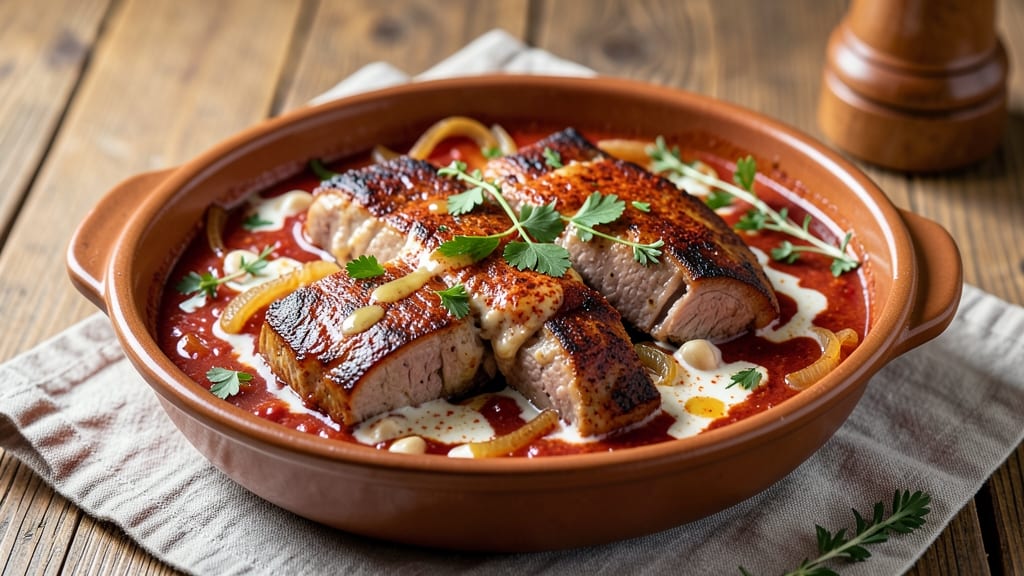
This creamy pork goulash recipe transforms traditional Hungarian comfort into a rich, velvety stew that feels like a warm embrace after a long day. 💛 I developed it during a particularly chilly Atlanta winter when I wanted to recreate the hearty flavors of my childhood but with a modern twist—silky smooth without sacrificing that deep paprika character.
The secret lies in slow-cooked pork shoulder that practically melts in your mouth, paired with a sauce thickened just enough to coat every bite. We're talking tender meat, caramelized onions, and a spiced paprika base that builds layers of flavor over hours of simmering.
The addition of cream at the end creates that luxurious mouthfeel while keeping the dish balanced with tangy tomato and smoky aromatics.
What you'll end up with is a restaurant-quality stew that's perfect for feeding a crowd or meal prepping for the week. The dumplings I include are optional but add that classic goulash touch—soft, pillowy, and soaking up every last bit of that rich sauce.
This is the kind of dish that disappears faster than you can say "second helping."
Serve with crusty bread for dipping or alongside roasted vegetables to round out the meal. The leftovers actually taste better the next day as the flavors meld even more. Let's get cooking—your taste buds will thank you.
Ingredients for creamy pork goulash
Pantry staples plus a few specialty items for that velvety, paprika-rich goulash embrace.
| Ingredient | Amount | Notes |
|---|---|---|
| Pork Shoulder 🍖 | 3 lb | Bone-in for flavor, cut into 2-inch cubes |
| Yellow Onions 🧅 | 2 large | Peeled and sliced into half-moons |
| Garlic Cloves 🧄 | 6 cloves | Peeled and smashed |
| Sweet Paprika 🌶️ | 3 tbsp | Hungarian or smoked variety preferred |
| Tomato Paste 🍅 | ½ cup | San Marzano preferred |
| Heavy Cream 🥛 | 1 cup | Full-fat for richness |
| Beef Broth 💧 | 4 cups | Low-sodium preferred |
| All-Purpose Flour 🌾 | 2 cups | For dumpling dough |
| Baking Powder 🍞 | 1 tsp | For dumpling rise |
| Salt 🧂 | 2 tsp | Diamond Crystal preferred |
| Black Pepper 🌶️ | 1 tsp | Freshly ground |
| Carrots 🥕 | 3 medium | Peeled and sliced into rounds |
| Bay Leaves 🌿 | 2 whole | For aromatic depth |
| Sour Cream 🥛 | ½ cup | For garnish and serving |
| Fresh Parsley 🌿 | ¼ cup | Chopped for garnish |
The pork shoulder is non-negotiable here—bone-in and fatty gives you that melt-in-your-mouth texture and rich flavor. Costco or local butchers usually have the best cuts, but any grocery store with a meat counter works. Look for good marbling and avoid anything that looks dry. For the paprika, Hungarian sweet or smoked makes all the difference—Penzeys or Kalustyan's carry excellent varieties. The carrots can be baby carrots if you're in a hurry, but medium-sized ones caramelize better. Onions are your flavor base, so don't skimp—yellow or red both work, but yellow has that classic goulash sweetness.
No sweet paprika? Smoked paprika plus a pinch of sugar gets you close. Out of sour cream? Greek yogurt works too, though it's tangier. The beef broth can be subbed with vegetable broth plus a bouillon cube, but you'll lose some depth. For the dumplings, all-purpose flour is key—bread flour makes them denser. Want to skip the dumplings? Serve with crusty bread or egg noodles instead. The carrots can be swapped for celery or bell peppers if you prefer different textures, though they won't caramelize the same way.
This stew tastes even better the next day—3-4 days in the fridge, 3 months frozen. For freezing, portion into containers with dumplings on top to soak up sauce. The dumpling dough can be made ahead and refrigerated for 2 days or frozen for 1 month. To reheat, warm slowly on the stove with a splash of broth—never microwave, or the dumplings get rubbery. Garnish with fresh parsley and a dollop of sour cream right before serving for that restaurant-quality touch.
Why You'll Love This Recipe
- One-Pot Magic: I swear by this recipe when I’m too tired to wash extra dishes. The pork shoulder practically melts into the sauce, and you’re left with one pot—no fuss, no stress, just flavor.
- Sweet Heat Payoff: That sweet paprika and tomato paste combo? It’s where the magic happens. The onions caramelize just enough to balance the richness, and the garlic? Oh, it lingers in the best way—like a warm hug for your taste buds.
- Leftover Legend: Make a big batch on Sunday, and you’ve got dinner covered for days. The sauce thickens beautifully when reheated, and my kids actually ask for it—yes, even over rice or mashed potatoes.
- Budget-Friendly Feast: Pork shoulder is cheap, but it feels like a splurge. A single cut feeds four, and the paprika and onions stretch every ingredient to its fullest. Honestly, this is the kind of meal that makes grocery night feel like a win.
Step-by-step instructions for velvety paprika-rich stew with dumplings
Here's how to craft a rich, creamy goulash where tender pork melts in a paprika-kissed sauce—perfectly balanced with fluffy dumplings.
🔥 Step 1: Sear the Pork Shoulder for Deep Flavor
Heat a large Dutch oven over medium-high heat until hot. Working in batches, add the 3 lb pork shoulder cut into 2-inch cubes, leaving space between pieces. Sear undisturbed for 3-4 minutes until deep golden brown on all sides—this builds flavor through the Maillard reaction.
Real talk: Don't crowd the pan or the pork will steam instead of sear. If needed, work in two batches. Remove the seared pork and set aside. You'll want to keep those browned bits in the pot—they're packed with flavor.
🍳 Step 2: Build the Paprika-Rich Base
In the same Dutch oven, add 2 tablespoons olive oil (not listed but essential) and reduce heat to medium. Add the 2 large yellow onions sliced into half-moons and cook for 5 minutes until softened. Add the 6 cloves garlic cloves and cook for 30 seconds until fragrant.
Here's where the magic happens: Stir in the 3 tablespoons sweet paprika and cook for 1 minute until the aroma fills your kitchen. Add the 0.5 cup tomato paste and stir to combine. Pour in the 4 cups beef broth and scrape up any browned bits from the bottom—this is flavor you don't want to miss.
🥘 Step 3: Simmer the Pork Until Fork-Tender
Return the seared pork to the pot along with the 3 medium carrots sliced into rounds and the 2 whole bay leaves. Bring to a gentle boil, then reduce heat to low, cover, and simmer for 1 hour 30 minutes or until the pork is fork-tender and easily pulls apart.
I know it seems like a long time, but patience pays off here. The pork should feel like butter when pierced with a fork. If the liquid reduces too much before the pork is tender, add ½ cup water to maintain the proper consistency.
🍳 Step 4: Finish with Cream for Velvety Texture
Once the pork is tender, remove it from the broth and set aside. Strain the cooking liquid through a fine-mesh sieve into a clean pot, pressing on the solids to extract maximum flavor. Return the strained broth to the Dutch oven and add the 1 cup heavy cream.
Bring to a gentle simmer and cook for 5 minutes until slightly thickened. Season with 2 teaspoons salt and 1 teaspoon black pepper. Taste and adjust—you want the flavors to be rich but balanced, not overwhelming. Return the pork to the pot and let it soak up the creamy sauce for 5 minutes.
👨🍳 Step 5: Make and Add Fluffy Dumplings
In a medium bowl, whisk together the 2 cups all-purpose flour, 1 teaspoon baking powder, and 1 teaspoon salt. Stir in ½ cup cold water until a soft dough forms. Roll the dough into 12 equal balls (about 1 tablespoon each).
Drop the dumpling balls into the simmering goulash and cook for 10-12 minutes until they float to the surface and are cooked through. The dumplings should be light and tender inside with a slight crust on the outside. Remove from heat and let the goulash rest for 5 minutes.
🍽️ Step 6: Serve with Fresh Garnishes
Ladle the creamy goulash into bowls, dividing the dumplings evenly. Garnish each serving with 2 tablespoons sour cream and 1 tablespoon chopped fresh parsley. The contrast of cool sour cream and bright parsley against the warm, creamy stew makes this dish truly special.
Serve immediately with crusty bread to soak up every last bit of that velvety sauce. The combination of tender pork, rich paprika flavors, and fluffy dumplings creates a comforting meal that's perfect for any occasion.
Pro Tips For Making Creamy Pork Goulash
- CRUST THE PAPRIKA: Bloom your sweet paprika in fat—about 2 tablespoons of oil or rendered pork fat—over medium heat for 30 seconds before adding onions. I learned this the hard way: skipping this step means you’re just stirring powder into the sauce, not building flavor. The paprika’s oils release first, and that’s when the magic starts.
- SWEAT ONIONS LOW: Cook your onions until they’re translucent but not brown—about 8-10 minutes on low heat. I was impatient and rushed this, and the goulash ended up tasting bitter. If they start to stick, add a splash of water and keep stirring. Patience here makes the sauce silky.
- SKIP THE BOIL: Once the pork shoulder is shredded, reduce heat to a simmer and let the sauce thicken naturally—no need to boil vigorously. I used to crank the heat, and the sauce would split or turn grainy. A gentle simmer keeps the creaminess intact and lets the flavors meld.
- ADD SOUR CREAM LAST: Stir in sour cream (or cream, if using) only in the final 5 minutes, off direct heat. I was skeptical until I tried it—adding it too early can make the sauce break or taste raw. Let it warm through gently, and it’ll give that rich, velvety finish without curdling.
Best sauces and condiments for creamy pork goulash
Creamy Sauce Upgrade
This goulash gets its signature velvety texture from 1 cup heavy cream added at the end. I recommend using full-fat cream for maximum richness—it creates that luxurious mouthfeel while keeping the dish balanced.
For a lighter option, substitute with ½ cup cream and ½ cup whole milk, though the texture will be slightly thinner. Add the cream only after the pork is fully tender to prevent curdling from the acidic tomato base. 🥛
Sour Cream Swap
While traditional goulash often uses sour cream as a garnish, you can also stir in ½ cup sour cream during the final 5 minutes of simmering for an even creamier sauce.
I prefer keeping it separate as a garnish to maintain the dish's balance, but this works beautifully if you want extra richness. For a tangy twist, mix the sour cream with 1 teaspoon Dijon mustard before adding it to the stew.
Paprika Variations
The 3 tablespoons sweet paprika is non-negotiable for authentic flavor, but you can experiment with variations. For a smoky depth, replace 1 tablespoon of sweet paprika with 1 teaspoon smoked paprika. If you prefer heat, add ½ teaspoon cayenne pepper along with the paprika.
For a sweeter profile, mix in 1 teaspoon sugar—this balances the acidity beautifully. Always toast the paprika in the pot for 1 minute to release its full aroma. 🌶️
Tomato Paste Alternatives
The ½ cup tomato paste adds depth to the sauce, but you can substitute with 1 cup crushed tomatoes for a slightly tangier flavor. For a smoother texture, blend the tomatoes first.
If you're avoiding tomatoes entirely, use ½ cup tomato-free pasta sauce or even ¼ cup apple butter for a sweet-savory twist. The key is maintaining that base flavor complexity that complements the paprika and cream.
Dumpling Variations
While the classic dumplings are made with 2 cups all-purpose flour, you can experiment with other textures. For a heartier bite, make ½ cup cornmeal dumplings by replacing ½ cup flour with cornmeal. For gluten-free options, use 2 cups gluten-free flour blend plus 1 teaspoon xanthan gum.
You can also skip dumplings entirely and serve with egg noodles or crusty bread for dipping. The dumplings are optional but add that classic goulash comfort.
Acid Balance
To enhance the sauce's complexity, add a splash of acidity. A 1 tablespoon balsamic vinegar or ½ teaspoon apple cider vinegar brightens the flavors beautifully. For a tangy finish, stir in 1 teaspoon lemon juice during the last 2 minutes of cooking.
This balances the richness of the cream and deepens the overall flavor profile. Taste as you go—acidity preferences vary! 💡
Nutrition facts
Frequently asked questions
Can I make this creamy pork stew without dumplings?
The dumplings are optional but add that classic goulash texture. For a heartier meal, serve with crusty bread, egg noodles, or roasted potatoes. The creamy sauce will still coat everything beautifully—just add extra bread on the side for dipping. This works especially well if you're feeding a crowd.
How do I adjust this recipe for a slow cooker?
Transfer all ingredients except the dumplings to your slow cooker after searing the pork. Cook on low for 6-7 hours or high for 3-4 hours until the pork is fork-tender. For the dumplings, make them fresh and add them during the last 30 minutes of cooking on high heat. The cream should still be added at the end to prevent curdling.
What's the best way to store and reheat leftovers?
Store in an airtight container for up to 4 days in the fridge or 3 months in the freezer. To reheat, warm on the stove over medium-low heat with a splash of broth or water until bubbling. For frozen leftovers, thaw overnight in the fridge first. Never microwave—it makes the dumplings rubbery and the sauce grainy.
Why did my sauce turn grainy when I added the cream?
This usually happens when the sauce is too acidic or the cream is added too early. Always strain the broth first to remove any bits, and add the cream only after the pork is fully tender. For extra insurance, whisk the cream into the warm sauce gradually. If it still separates, stir in 1 teaspoon cornstarch mixed with 1 tablespoon water to stabilize it.
Can I use chicken or beef instead of pork?
You can substitute, but the flavor will differ significantly. Chicken breasts cook faster and may dry out—use bone-in thighs instead. For beef, choose chuck roast and increase cooking time to 2 hours. The pork's fat content creates that signature richness, so beef works best with extra broth. Chicken would need more cream to compensate for its leaner texture.