
Main Courses
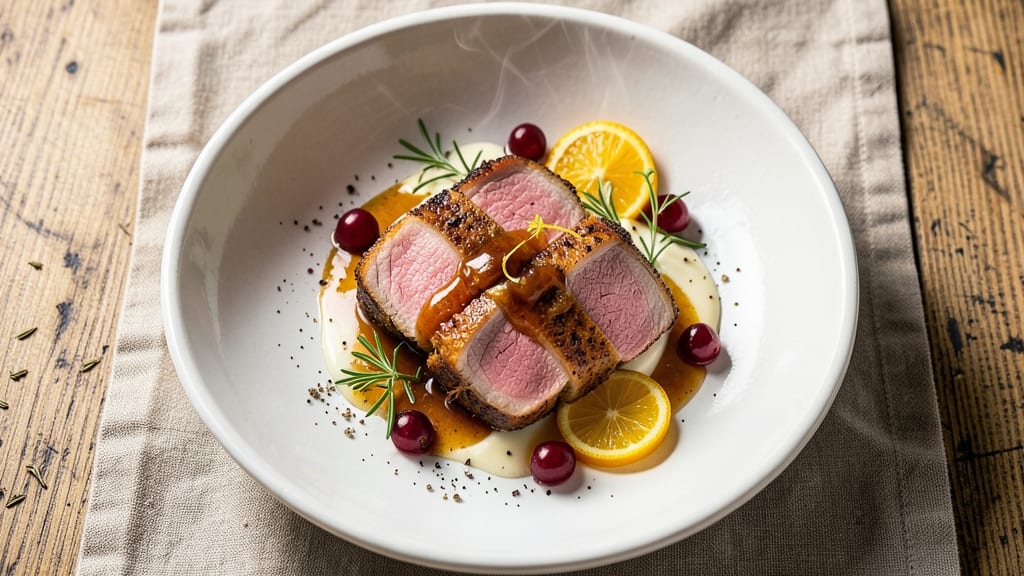
This cranberry orange pork tenderloin recipe transforms simple ingredients into a showstopping centerpiece that balances sweet, tart, and savory flavors. The secret lies in a bright glaze that caramelizes beautifully while keeping the pork tender and juicy—no dry, overcooked meat here.
I developed this after perfecting the balance between cranberry's bold acidity and orange's citrus brightness, a technique I've refined over years of holiday feasts and weeknight dinners alike.
The magic happens in the marinade, where fresh cranberry juice and orange zest infuse the pork with vibrant flavor while tenderizing it perfectly. Roasting the tenderloin at high heat ensures a caramelized crust that locks in moisture, while the glaze adds a glossy finish that makes every bite sing.
This isn't your grandmother's pork roast—it's restaurant-quality with a fraction of the effort, and it pairs beautifully with mashed sweet potatoes or roasted Brussels sprouts.
What you'll end up with is a dish that looks as impressive as it tastes: golden-brown pork with a sticky-sweet glaze flecked with cranberry jewels. The contrast of tender meat against the bright, tangy sauce creates a harmony that's both comforting and exciting.
It's the kind of recipe that elevates ordinary weeknights into special occasions, whether you're serving it to family or impressing guests.
For those who love leftovers, this recipe makes even better the next day as the flavors deepen. The glaze thickens slightly, intensifying the cranberry-orange notes. Serve with a crisp white wine or sparkling cider to complement the dish's vibrant flavors—this is pork tenderloin reimagined for modern palates.
Ingredients for cranberry orange pork tenderloin
Bright glaze ingredients that transform simple pork into a showstopper—just 14 ingredients for restaurant-quality flavor.
| Ingredient | Amount | Notes |
|---|---|---|
| Pork Tenderloin 🥩 | 1 ½ lb | Center-cut, trimmed of fat |
| Fresh Cranberries 🍇 | ½ cup | Or 1/4 cup dried cranberries |
| Fresh Orange Juice 🍊 | ½ cup | From 1 large orange, freshly squeezed |
| Orange Zest 🍊 | 1 tbsp | From 1 large orange, finely grated |
| Honey 🍯 | 3 tbsp | Wildflower preferred for depth |
| Balsamic Vinegar 🍷 | 2 tbsp | Aged 25 years for richness |
| Dijon Mustard 🥫 | 1 tbsp | High-quality for tangy depth |
| Garlic Cloves 🧄 | 3 cloves | Minced, for marinade |
| Fresh Rosemary 🌿 | 1 tbsp | Finely chopped, fresh preferred |
| Olive Oil 🫒 | 2 tbsp | Extra-virgin for high heat |
| Salt 🧂 | 1 ½ tsp | Diamond Crystal kosher salt |
| Ground Black Pepper 🌶️ | ½ tsp | Freshly cracked |
| Brown Sugar 🍚 | 2 tbsp | Light or dark, packed |
| Cornstarch 🌾 | 1 tbsp | For glaze thickening |
The pork tenderloin is your canvas here—look for center-cut pieces at Whole Foods or your butcher counter, as they're more uniform in shape. Fresh cranberries are ideal (the tartness cuts through the sweetness), but Trader Joe's dried cranberries work in a pinch. For the orange juice, freshly squeezed is non-negotiable—the bottled stuff lacks the bright acidity that balances the honey. The zest should be vibrant, not dried out (rub it between your fingers—it should smell citrusy, not bitter). If you're using dried cranberries, soak them in warm water for 10 minutes to rehydrate before blending.
No fresh rosemary? Dried works at half the amount, but trust me on the fresh version—it adds an aromatic depth. Running short on honey? Maple syrup is a 1:1 swap, though it leans earthier. The balsamic vinegar should be aged—25 years or more if you can find it, but regular aged balsamic still works. For the glaze, if you're worried about the cornstarch thickening too much, whisk it into the warm glaze mixture slowly (it dissolves better that way). The Dijon mustard is key—it adds that subtle tang that keeps the glaze from tasting cloyingly sweet. And if you're feeling fancy, swap the brown sugar for turbinado—it caramelizes with a deeper, crunchier texture.
This glaze is a game-changer for leftovers—it actually improves overnight as the flavors meld. Store the pork in an airtight container with any leftover glaze spooned over the top; it keeps for 4-5 days in the fridge. For freezing, portion the glaze separately (it thickens when reheated) and store the pork and glaze in separate containers for up to 3 months. Reheat gently in a saucepan with a splash of water to loosen the glaze, or microwave in 30-second bursts, stirring in between. The glaze reheats beautifully, so don't skip saving leftovers—it's even better the second day.
Why You'll Love This Recipe
- I swear by this combo: pork, cranberries, and orange juice. No fancy pantry staples—just what’s in your fridge and a handful of fresh stuff. The honey ties it all together without extra effort.
- Fewer Ingredients, Same Magic: I swear by this combo: pork, cranberries, and orange juice. No fancy pantry staples—just what’s in your fridge and a handful of fresh stuff. The honey ties it all together without extra effort.
- Sweet-Tart Balance: That first bite? Juicy pork with cranberries popping like candy, brightened by orange zest. It’s the kind of dish where every flavor plays its part—no overpowering one note here.
- Weeknight or Holiday: Make it for Tuesday dinner or double the batch for Thanksgiving. The glaze keeps well, and the leftovers reheat like a dream. (Yes, even my picky teenagers ask for seconds.)
Step-by-step instructions for cranberry orange pork tenderloin
This bright, balanced dish delivers melt-in-your-mouth pork with a vibrant glaze that sings with citrus and berry notes.
Marinate the Pork for Maximum Flavor
In a medium bowl, combine the 0.5 cup fresh orange juice, 1 tbsp orange zest, 3 tbsp honey, 2 tbsp balsamic vinegar, 1 tbsp Dijon mustard, 3 minced garlic cloves, 1 tbsp chopped fresh rosemary, 1.5 tsp salt, and 0.5 tsp ground black pepper. Whisk until the honey and sugar dissolve completely—this ensures even distribution of flavors.
Place the 1.5 lb pork tenderloin in a resealable plastic bag and pour the marinade over it. Gently massage the marinade into the meat, coating all sides thoroughly. Seal the bag and refrigerate for at least 4 hours (overnight is ideal). The acidity in the orange juice and balsamic vinegar will tenderize the pork while infusing it with bright, complex flavors. For best results, turn the bag occasionally to ensure even marinating.
Sear the Pork for a Perfect Crust
Remove the pork from the refrigerator and let it sit at room temperature for 30 minutes before cooking. This step ensures even cooking throughout. Heat 2 tbsp olive oil in a large skillet over medium-high heat until shimmering. Place the pork tenderloin in the skillet and sear on all sides for 2-3 minutes per side until deeply golden brown.
Here's the thing—don't rush the searing. You want that beautiful crust to form, which locks in juices and adds texture contrast. Once the pork is browned on all sides, transfer it to a plate and let it rest while you prepare the glaze. The residual heat will continue cooking the pork slightly as it rests, preventing it from drying out.
Simmer the Glaze to Perfection
In the same skillet (no need to clean it—the browned bits add depth), add the 0.5 cup fresh cranberries, 2 tbsp brown sugar, and the remaining marinade from the bag. Bring the mixture to a simmer over medium heat and cook for 5-7 minutes, stirring occasionally, until the cranberries begin to burst and the liquid reduces by about half.
In a small bowl, whisk together 1 tbsp cornstarch with 1 tablespoon of water to create a slurry. Slowly pour this into the simmering glaze while stirring constantly. The glaze should thicken noticeably within 1-2 minutes—it should coat the back of a spoon but still be pourable. If it thickens too quickly, add 1 tablespoon of water to adjust the consistency. The glaze should be glossy and slightly syrupy, ready to coat the pork beautifully.
Glaze and Rest for Juicy Results
Return the seared pork tenderloin to the skillet and spoon the glaze evenly over the top. Increase the heat to medium-high and cook for 2-3 minutes, basting the pork with the glaze continuously. This step ensures the pork is fully cooked to an internal temperature of 145°F (use a meat thermometer for accuracy) and develops a glossy, caramelized finish.
Transfer the pork to a cutting board and let it rest for 10-15 minutes before slicing. This resting period is crucial—it allows the juices to redistribute throughout the meat, ensuring each slice is tender and moist. While it rests, tent loosely with foil to keep it warm. The glaze will continue to set slightly, creating that perfect balance of sweet, tangy, and slightly tart flavors in every bite.
Pro Tips For Making Cranberry Orange Pork Tenderloin
- USE A MEAT THERMOMETER: Pork tenderloin shuts down faster than you think. Pull it at 140°F—any hotter and it’ll dry out before the sauce can catch up. I learned this the hard way when my first batch turned out chewy, no matter how long I basted.
- ZEST FIRST, JUICE LATER: Fresh orange zest packs way more flavor than bottled, but it loses potency fast. Grate it right before mixing with honey and cranberries—don’t store it in the fridge overnight. And for juice, roll the oranges first to break up fibers; that way, your sauce won’t turn into a pulp slurry.
- DON’T BOIL THE CRANBERRIES: Simmer them gently—low and slow—until they pop and soften. A rolling boil turns them mushy and dulls the bright acidity you’re paying for. Cover the pan for the first 5 minutes to keep them intact, then uncover to reduce the sauce properly.
- SAVE TIME WITH FROZEN CRANBERRIES: Yes, even if you’re using fresh for the zest, toss in a handful of frozen cranberries at the end. They’ll burst and thicken the sauce faster than fresh ones, cutting your cooking time by half without sacrificing texture. Just drain them first—no one wants soggy sauce.
Essential equipment for great cranberry orange pork tenderloin
Skillet Essentials
You’ll need a heavy-bottomed cast iron skillet—like my vintage Lodge 10.25-inch—for searing the pork. Cast iron retains heat beautifully and creates that perfect crust. If you don’t have cast iron, a stainless steel skillet with a heavy base works too, but avoid nonstick—it won’t brown the pork properly.
Preheat your skillet over medium-high heat until it’s smoking hot before adding the oil. 🔥
Precision Tools
A meat thermometer is non-negotiable for this recipe. I swear by the Thermoworks Smoke—it’s fast and accurate. Insert the probe into the thickest part of the pork tenderloin to check for 145°F internal temperature.
Without one, you risk overcooking or undercooking the meat. For marinating, a resealable plastic bag (like Glad Gallon Freezer Bags) works best—it’s easy to massage the marinade into the meat.
Glaze Thickening
For the glaze, a whisk is your best friend—it helps dissolve the cornstarch slurry smoothly. I use a French-style whisk from OXO because it’s sturdy and gets into corners easily. If your glaze thickens too quickly, have a small bowl nearby to mix in extra water.
A fine-mesh strainer (like OXO Good Grips) also comes in handy if you want to strain the glaze for a silky texture before serving.
Marinade Mixing
Combine the marinade ingredients in a medium mixing bowl—I prefer stainless steel for durability. A wooden spoon or silicon spatula works well for stirring, but avoid metal if you’re worried about scratching the bowl.
For zesting the orange, a microplane (like Mincing Microplane) gives you the finest, most flavorful zest. If you don’t have one, a zester or even a chef’s knife will do in a pinch.
Resting and Serving
After cooking, let the pork rest on a cutting board—I love my Maplewood boards for their durability. A kitchen timer (like the OXO Good Grips) ensures you don’t forget the 10-15 minute rest time.
For serving, a tongs (like Mercer Culinary) helps transfer the pork to plates without tearing the meat. A small offset spatula also comes in handy for spreading any extra glaze over the top before serving.
Nutrition facts
Frequently asked questions
Can I use dried cranberries instead of fresh in this recipe?
Yes, but with a key adjustment! Use ¼ cup dried cranberries and soak them in warm water for 10 minutes before blending into the glaze. Dried cranberries lack moisture, so this step rehydrates them for better texture. The flavor will be slightly more concentrated, so you might reduce the honey by 1 teaspoon to balance sweetness.
What's the best way to store leftovers?
Store the pork in an airtight container with leftover glaze spooned over the top. It keeps for 4-5 days in the fridge. For freezing, separate the pork and glaze (the glaze thickens when reheated) and store in individual containers for up to 3 months. Reheat gently in a saucepan with a splash of water or microwave in 30-second bursts, stirring between each.
How do I adjust this for a larger crowd?
Double the marinade and glaze ingredients for 3 pounds of pork, but keep the cooking time the same. For 6+ servings, use two 1.5 lb tenderloins and divide the glaze between them. Increase oven temperature by 25°F if roasting, and sear in batches to avoid crowding the pan. The key is maintaining high heat for that perfect crust!
Can I grill this instead of pan-searing?
Grill the pork over medium-high heat for 12-15 minutes, turning occasionally, until it reaches 145°F internal temperature. Brush with the glaze during the last 3 minutes of cooking. For extra flavor, add 1 tbsp chopped rosemary to the grill grates before cooking. Just be sure to use a meat thermometer—grill temperatures fluctuate more than stovetop heat.
Why does my glaze turn out too thick or too thin?
Thick glaze? You likely added the cornstarch too quickly. Next time, whisk it into the warm glaze mixture slowly while stirring constantly. Too thin? The cornstarch didn't activate properly—simmer the glaze longer or add ½ teaspoon cornstarch mixed with 1 tsp water. Always adjust heat to a gentle simmer when thickening, never a boil!