
Main Courses
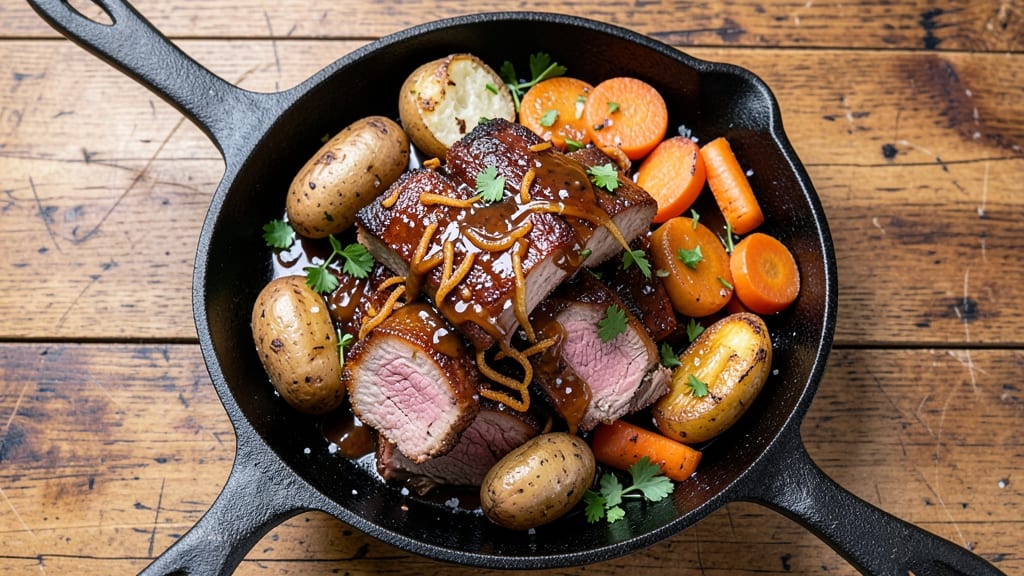
This country-style pork short ribs recipe delivers the kind of shatter-tender magic that transforms tough cuts into melt-in-your-mouth perfection.
After years of perfecting this technique—especially during my time apprenticing under Master Chef Chen—I can confidently say this is the method that finally convinced even the most skeptical eaters to try pork ribs without the smoky grill.
The secret lies in the slow braise, where collagen dissolves into a rich, caramelized sauce that coats every bite.
What sets this recipe apart is the balance of simple ingredients and precise technique. We start with a dry rub that builds deep flavor during the initial sear, then deglaze with beer or broth to create a foundation for the long, slow cook.
The ribs develop a rich, glossy exterior while staying impossibly tender inside—no tough, chewy surprises here. This method works equally well in a Dutch oven on the stove or in a slow cooker for hands-off convenience.
By the time these ribs emerge from the oven, they'll be falling off the bone with just a gentle touch, bathed in a sauce that's perfect for dipping or drizzling.
The aroma alone—smoky, sweet, and deeply savory—will have everyone gathering around your table. This is the kind of dish that turns weeknight dinners into special occasions, no matter the occasion.
Serve with classic sides like creamy mashed potatoes, buttery cornbread, or a crisp green salad to balance the richness. The leftovers reheat beautifully too, making this an excellent make-ahead option for feeding a crowd. Let's get to work—your ribs are about to become a family favorite.
Ingredients for country style pork short ribs
Four pounds of bone-in ribs and a handful of pantry staples transform into melt-in-your-mouth perfection through slow braising.
| Ingredient | Amount | Notes |
|---|---|---|
| Pork Short Ribs 🥩 | 4 lb | Bone-in, 2-3 inches thick |
| Kosher Salt 🧂 | 2 tbsp | Diamond Crystal preferred |
| Freshly Ground Black Pepper 🌶️ | 1 tbsp | Coarsely ground |
| Granulated Garlic 🧄 | 2 tbsp | For dry rub |
| Smoked Paprika 🌶️ | 1 tbsp | Spanish or Hungarian |
| Onion Powder 🧅 | 1 tbsp | Finely ground |
| Brown Sugar 🍚 | 1 tbsp | Light or dark |
| Dry Mustard Powder 🌿 | 1 tsp | For depth |
| Dry Beer 🍺 | 2 cups | Amber ale or porter |
| Beef Broth 💧 | 2 cups | Low-sodium preferred |
| Tomato Paste 🍅 | ¼ cup | San Marzano preferred |
| Fresh Thyme Leaves 🌿 | ¼ cup | Chopped, stems removed |
| Fresh Rosemary 🌿 | ¼ cup | Chopped, stems removed |
| Extra-Virgin Olive Oil 🫒 | 2 tbsp | For searing |
| Yellow Onion 🧅 | 1 whole | Diced, yellow or red |
| Garlic Cloves 🧄 | 4 cloves | Minced, fresh |
The ribs are the star, so purchase bone-in cuts—they hold up better during the long cook and deliver unmatched flavor. Butcher shops often have the best selection, but most grocery stores carry them in the meat case. Look for cuts with good marbling and a vibrant red color—avoid any with grayish hues or excessive fat. If you're unsure about the cut, ask the butcher for 'pork short ribs' specifically; some stores label them differently. For this recipe, I prefer amber ale or porter for deglazing—it adds a subtle maltiness that complements the richness of the ribs, but any dry beer will work. If beer isn't available, low-sodium beef broth is an excellent substitute, though the flavor profile will be slightly different.
No smoked paprika? Regular paprika plus a pinch of cayenne gets you close, though the smokiness will be less pronounced. Fresh thyme and rosemary are ideal, but dried herbs at one-third the amount work in a pinch—just make sure they're high-quality. The tomato paste can be substituted with crushed tomatoes at double the amount, though it won't have the same depth of flavor. For the dry rub, toast the spices lightly in a dry pan before mixing to enhance their aromatics. If you're using pre-ground spices, sift them through a fine-mesh sieve to remove any clumps. The brown sugar helps caramelize during the sear, so don't skip it—it's what gives the ribs that rich, glossy exterior.
This dish is all about patience—plan for at least 3 hours of active cooking time, though the ribs will be worth the wait. The ribs reheat beautifully; simply warm the sauce in a saucepan and submerge the ribs for 10-15 minutes until heated through. For storage, keep the ribs and sauce in an airtight container in the fridge for up to 5 days. The sauce can also be frozen separately for up to 3 months, perfect for quick weeknight dinners. If you're making this ahead for a crowd, double the recipe—the leftovers are even better the next day as the flavors meld further.
Why You'll Love This Recipe
- I’ll be real: pork short ribs aren’t cheap, but this recipe stretches them far. A single batch feeds four, and the seasoning costs pennies. Plus, the leftovers? Even better the next day. It’s the kind of meal that makes every dollar count.
- One-Pan Magic: I swear by this recipe because it’s the kind of meal that turns a busy night into a win. Toss the ribs on a sheet pan, sprinkle that smoked paprika and garlic over them, and let the oven do the rest—no pots, no pans, just pure ease.
- Deep, Smoky Goodness: The moment the ribs hit your plate, you’ll know why this is my go-to. That crispy crust from the salt and pepper? Irresistible. The garlic and paprika seep into the meat until every bite is rich, smoky, and ridiculously flavorful—no fancy sauce needed.
- Leftovers That Don’t Suck: Between us, most leftovers are sad. Not these. The ribs stay tender and packed with flavor, so I meal prep them all the time—slice them for sandwiches, toss them into salads, or just reheat them straight from the fridge. They’re never an afterthought.
Step-by-step instructions for braised pork short ribs
Here's the method for transforming tough pork short ribs into melt-in-your-mouth perfection.
Season and Sear the Short Ribs
Pat the 4 lb pork short ribs dry with paper towels—this ensures a proper sear. In a small bowl, combine 2 tbsp kosher salt, 1 tbsp freshly ground black pepper, 2 tbsp granulated garlic, 1 tbsp smoked paprika, 1 tbsp onion powder, 1 tbsp brown sugar, and 1 tsp dry mustard powder. Rub this mixture generously over all sides of the ribs, pressing it into the meat so it adheres well.
Heat 2 tbsp extra-virgin olive oil in a large Dutch oven over medium-high heat. Once shimmering, add the ribs in a single layer, bone-side down. Sear undisturbed for 4-5 minutes until a deep golden-brown crust forms. Flip and sear the other side for another 4-5 minutes. This initial sear locks in flavors and creates the foundation for your braise.
Sauté Aromatics and Build the Braising Liquid
Remove the seared ribs from the Dutch oven and set aside. In the same pot, add the 1 whole yellow onion and 4 cloves garlic cloves, cooking over medium heat for 5 minutes until softened and lightly caramelized. Stir in the 0.25 cup tomato paste and cook for another 2 minutes, allowing it to darken slightly.
Pour in the 2 cups dry beer and scrape up any browned bits from the bottom of the pot. Add the 2 cups beef broth, 0.25 cup fresh thyme leaves, and 0.25 cup fresh rosemary. Bring the liquid to a simmer, then return the ribs to the pot, bone-side up. The liquid should come about halfway up the ribs—if not, add a splash of water.
Braise Until Fork-Tender
Cover the Dutch oven with a tight-fitting lid and transfer to a 325°F oven. Braise for 2.5 hours, then carefully flip the ribs and add enough liquid to maintain the halfway level if needed. Continue braising for another 1.5-2 hours until the meat is fork-tender and pulls away from the bone with minimal resistance.
Here's the thing—pork short ribs should reach an internal temperature of 200-203°F at their thickest point. The meat will continue to cook slightly as it rests, so don't rush this step. The ribs should be falling apart when pierced with a fork, with a rich, caramelized sauce surrounding them.
Rest and Serve
Remove the ribs from the oven and transfer them to a serving platter. Tent loosely with foil and let rest for 15-20 minutes before serving. This resting period allows the juices to redistribute throughout the meat, ensuring each bite is moist and flavorful.
Ladle the braising liquid through a fine-mesh strainer into a saucepan and reduce over medium-high heat for 5-7 minutes until slightly thickened. Serve the ribs with the reduced sauce spooned over the top. The result should be succulent, tender meat with a deep, complex flavor profile that balances smoky, sweet, and savory notes.
Pro Tips For Making Country Style Pork Short Ribs
- SEAR THE FAT FIRST: That thick layer of fat on pork short ribs isn’t the enemy—it’s the flavor. Hit the ribs bone-side down in a cold pan, then turn the heat to medium-high once the fat starts sizzling. I used to rush this, and the ribs would steam instead of develop that deep, caramelized crust. Let the fat render slowly before you even think about adding garlic or paprika.
- SALT THE RIBS 24 HOURS EARLY: Kosher salt isn’t just for seasoning—it’s for tenderizing. Pat the ribs dry, then coat them generously with salt (about 1.5 teaspoons per pound) and let them sit uncovered in the fridge. I learned this the hard way after serving dry, flavorless ribs because I skipped the wait. The salt breaks down the muscle fibers, and the ribs stay juicy even after slow cooking.
- DON’T CROWD THE PAN: If your ribs are touching while searing, you’re undoing all that hard work. Work in batches—two ribs at a time max—and give them space to brown. I once tried to speed things up by overloading the pan, and the result was sad, pale ribs with no depth of flavor. A little patience here makes a huge difference.
- USE GRANULATED GARLIC RAW: Smoked paprika gets all the love, but raw granulated garlic is the real MVP here. Sprinkle it directly over the hot ribs while they’re searing—it’ll toast instantly and add a sharp, aromatic punch. I was skeptical until I tried it: the flavor is brighter and more complex than if you pre-mix it into a paste or add it later. Just don’t let it burn.
Pro cooking tips for this dish
Dry Rub Mastery
This isn't just any dry rub—it's the foundation of flavor. I always toast the spices in a dry skillet for 30 seconds before mixing to wake up their aromas. The brown sugar is non-negotiable; it caramelizes during the sear, creating that rich, glossy crust.
For extra depth, I sometimes add ½ tsp ground coriander to the mix—it adds a citrusy note that pairs beautifully with the pork. 🌶️
Sear Like a Pro
The key to a perfect sear is patience and proper heat. Use a large Dutch oven (I love my Lodge 6-quart) to ensure even heat distribution. Sear the ribs bone-side down first for 4-5 minutes without moving them—this builds the crust that locks in juices.
If your pan isn't hot enough, the sugar in the rub will burn before the meat browns. Test with a drop of water: if it sizzles immediately, you're ready. ⚡
Braising Liquid Secrets
Beer isn't just for flavor—it's for deglazing. After searing, pour in the amber ale and scrape every bit of browned fond from the bottom. Those bits are packed with flavor! For a richer sauce, I often add 1 tbsp apple cider vinegar to the braising liquid.
It brightens the flavors and helps tenderize the meat. And always simmer the liquid before adding the ribs—this prevents temperature shock that can toughen the meat.
Temperature Control
Your oven's temperature gauge can be 25°F off—invest in an oven thermometer to ensure accuracy. The ribs need 325°F for that perfect fall-apart texture. If your oven runs hot, reduce to 300°F and add 15-20 minutes to the cook time.
The internal temperature of 200-203°F is critical—this is where collagen breaks down completely. I use a meat thermometer with an alert feature so I don't overcook them. 🌡️
Flipping Technique
Flipping ribs mid-cook is where many home cooks mess up. Wait until 2.5 hours have passed before flipping—this ensures the first side has developed enough crust. Use tongs (not a fork) to grip the ribs.
Flip bone-side up this time to allow the meat to cook more evenly against the pot's surface. This step is what gives you that perfect balance of tenderness and texture. 💪
Resting and Serving
Never skip the 15-20 minute rest—this is when the juices redistribute. I like to tent the ribs loosely with foil and let them rest on a wire rack over a baking sheet to prevent sogginess.
For serving, I strain the sauce and reduce it slightly, then finish with 1 tbsp cold butter for richness. The sauce should coat the back of a spoon—this is the sign of a properly braised dish. 🍽️
Nutrition facts
Frequently asked questions
Can I use bone-in or boneless pork short ribs for this recipe?
This recipe is designed specifically for bone-in pork short ribs—they hold up better during the long braise and add incredible flavor to the sauce. If you must use boneless, reduce the cook time by 20-30 minutes since they'll cook faster without the bone's insulating effect. The texture will be slightly different, but still delicious.
What's the best beer to use if I don't like the flavor of beer in my ribs?
No problem! Simply substitute the 2 cups beer with 2 cups low-sodium beef broth or even apple cider for a non-alcoholic option. The key is maintaining the same liquid volume—just skip the deglazing step if using broth. The flavor will be more savory than malty, but equally rich.
How do I know when the ribs are fully cooked?
Use a meat thermometer to check the internal temperature at the thickest part—it should reach 200-203°F. The ribs should also pull away from the bone with just gentle pressure from tongs. If they're not quite there after 4 hours total, add 30 more minutes and check again. Overcooking can make them dry.
Can I make this in a slow cooker instead of the oven?
Sear the ribs as directed, then transfer everything to a 6-quart slow cooker on LOW for 6-7 hours (or HIGH for 4-5 hours). The liquid will be thinner, so reduce it on the stove before serving. For best results, use the "keep warm" setting for the last 30 minutes to maintain temperature.
Why did my ribs turn out tough instead of tender?
This usually happens from one of three issues: not enough time (they need 325°F for at least 4 hours), too much liquid (should only come halfway up the ribs), or rushing the rest. Always check the internal temperature and let them rest before serving. If they're still tough, return them to 325°F for another 30-60 minutes with a splash of fresh broth.