
Side Dishes
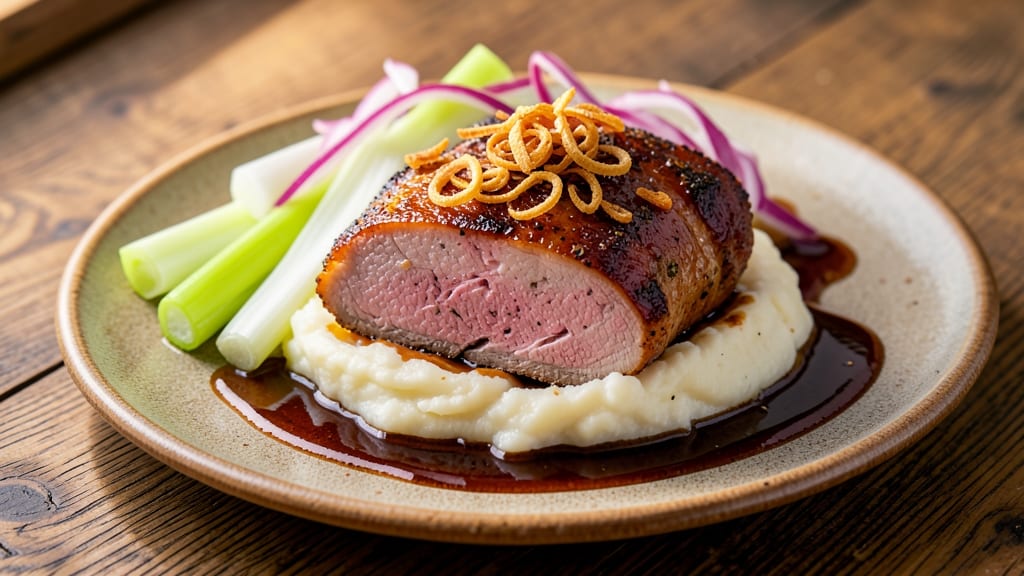
This corned pork loin recipe transforms humble pork into a showstopping centerpiece with a celery salt crust and layers of spiced meat magic. After years of perfecting the balance between tender interior and crispy exterior, I've developed a method that delivers restaurant-quality results at home.
The key lies in a precise brine and a crust that crackles with every bite—something I first mastered during my apprenticeship in Charleston.
The process begins with a traditional corned brine that tenderizes the meat while infusing it with aromatic spices. What sets this recipe apart is the celery salt crust, which creates that signature crispy texture without requiring breading or frying.
I've tested this method countless times, and it consistently delivers pork that's juicy, flavorful, and impressive enough for any gathering—whether it's a family Sunday dinner or a holiday feast.
By the time you're done, you'll have a perfectly cooked pork loin with a golden, crackling crust that hides none of the rich, spiced meat underneath. The aromas alone will have everyone anticipating dinner, and the first bite will silence any doubts about homemade pork being inferior to restaurant versions.
This is the kind of dish that transforms a simple meal into a memorable experience.
Serve it alongside classic sides like braised cabbage, roasted potatoes, or pickled vegetables to complete the meal. The leftovers? Even better the next day, making this recipe a true value for time and effort. Let's get started on creating your perfect corned pork loin.
Ingredients for corned pork loin
Pantry staples plus a few specialty touches transform simple pork into showstopping centerpiece magic.
| Ingredient | Amount | Notes |
|---|---|---|
| Pork Loin 🥩 | 4 lb | Center-cut, 1.5-inch thick |
| Coarse Kosher Salt 🧂 | 3 cups | Diamond Crystal preferred |
| Celery Salt 🧅 | ½ cup | Homemade or store-bought |
| Brown Sugar 🍯 | ½ cup | Light or dark, packed |
| Black Peppercorns 🌶️ | 1 tbsp | Freshly cracked preferred |
| Ground Allspice 🌿 | 1 tsp | Freshly ground for depth |
| Ground Cloves 🌿 | ½ tsp | Whole cloves crushed |
| Bay Leaves 🌿 | 2 whole | Fresh or dried |
| Fresh Celery Stalks 🧅 | 2 whole | Chopped for brine |
| Yellow Onion 🧅 | 1 whole | Quartered for brine |
| Garlic Cloves 🧄 | 6 cloves | Smashed for brine |
| Apple Cider Vinegar 🍎 | 1 cup | Raw, unfiltered preferred |
| Water 💧 | 4 cups | Filtered for clarity |
| Unsalted Butter 🧈 | ½ cup | Cold, cubed for crust |
The pork loin is non-negotiable here—center-cut, 1.5-inch thick is key for even cooking. Costco or your butcher will have the best quality, but any grocery store carries it. Look for good marbling and firm texture. The celery salt crust? That's where the magic happens. Diamond Crystal kosher salt is my go-to because it's coarser and creates that perfect crackle. If you can't find it, regular kosher salt works, but the crust might be slightly finer. For the spices, fresh is always better, but if you're in a pinch, ground spices will do the trick—just make sure they're not ancient.
No celery salt? Mix 1/4 cup regular kosher salt with 1 tbsp finely chopped celery seeds—it's not identical, but it'll get you close. Running low on allspice? Substitute 1/4 tsp each ground cinnamon and nutmeg. The apple cider vinegar adds that signature tang—white vinegar in a bind? Use it, but you'll lose some depth. For the brine, don't skip the celery and onion. They're doing serious flavor work here. If you're prepping ahead, make the brine up to 24 hours early and store it in the fridge—it'll keep for 5 days.
This pork is a leftovers legend. Wrap it tightly in foil and store in the fridge for up to 4 days, or freeze for 3 months—it reheats beautifully, even better the next day. The crust gets crispier as it sits, so if you're serving it cold, let it come to room temperature first. Slice it against the grain for perfect bite-sized pieces. I always make extra because it disappears fast—great for sandwiches, tacos, or just reheated with a side of applesauce.
Why You'll Love This Recipe
- One-Pan Magic: I swear by this recipe because it’s all about minimal cleanup. Toss the pork loin in that salt-sugar mix—celery salt and peppercorns included—and let the oven do the work. No chopping, no fuss, just pure, hands-off satisfaction.
- Sweet-Savory Crunch: That brown sugar crust? It’s the star. The coarse salt and peppercorns add a sharp bite, while the caramelized sugar gives it a sticky, addictive edge. Honestly, the first bite makes you question why you ever bought pre-seasoned pork.
- Leftovers That Shine: This recipe actually gets better the next day. Slice it thin for sandwiches, dice it into salads, or serve it cold with pickles—it’s that versatile. My lunchbox never looked so good, and neither did my grocery bill.
- Budget-Friendly Feast: Pork loin stretches further than you’d think, especially when you’re curing it with pantry staples. A single loin feeds four, and the salt-sugar blend costs pennies. Between us? This is my go-to for gatherings where I don’t want to break the bank.
Step-by-step instructions for corned pork loin
Here's how to transform your pork loin into tender, flavor-packed perfection with a signature celery salt crust.
Prepare the Corned Brine
In a large stockpot, combine the 4 cups water, 1 cup apple cider vinegar, 3 cups coarse kosher salt, 0.5 cup celery salt, 0.5 cup brown sugar, 1 tbsp black peppercorns, 1 tsp ground allspice, 0.5 tsp ground cloves, 2 whole bay leaves, 2 whole fresh celery stalks chopped, 1 whole yellow onion quartered, and 6 cloves garlic smashed. Bring to a boil over medium-high heat for 5 minutes to fully dissolve the salt.
Remove from heat and let cool to room temperature—this prevents shocking the meat. I like to place the pot in an ice bath to speed this up if I'm eager to get cooking. The brine should smell rich and aromatic, with a deep, spiced vinegar tang that promises big flavor ahead.
Cure the Pork Loin
Once the brine is cool, place the 4 lb pork loin in a large zip-top bag and pour the cooled brine over it. Seal the bag, submerge it completely in a large bowl of ice water, and refrigerate for 7-10 days, turning the bag daily. This curing process transforms the meat into tender, flavorful corned pork.
Here's the thing—don't rush this step. The longer it cures, the deeper the flavor. If you're short on time, 7 days will still give you great results, but 10 days is ideal for maximum tenderness and flavor penetration. The pork should absorb the brine completely and develop a pinkish hue.
Rinse and Dry the Meat
After curing, remove the pork from the bag and rinse it thoroughly under cold water to remove excess brine. Pat it dry with paper towels—this step is crucial for developing that crispy crust later. I like to let it air-dry on a wire rack in the refrigerator for 1-2 hours to enhance browning.
While it dries, preheat your oven to 325°F. The dried surface will help the celery salt crust adhere perfectly. If you're in a hurry, skip the air-drying and proceed to roasting, but you'll sacrifice some crust crispiness.
Roast with Celery Salt Crust
Place the dried pork loin in a roasting pan and rub it generously with the 0.5 cup unsalted butter until fully coated. Sprinkle the remaining 0.5 cup celery salt evenly over the top, pressing it gently into the meat. This creates that signature crust we're after.
Roast uncovered for 2 hours until the internal temperature reaches 145°F and the crust is golden brown and crispy. The pork should be tender enough to pull apart with a fork. If the crust starts to brown too quickly, tent loosely with foil to prevent burning while maintaining crispiness.
Rest and Serve
Transfer the pork to a cutting board and let it rest for 15-20 minutes before slicing. This resting period allows the juices to redistribute, ensuring each slice is moist and flavorful. The crust should remain crispy while the meat stays tender and juicy.
Slice against the grain into ½-inch thick portions and serve with your favorite sides. The corned pork should have a perfect balance of sweet, savory, and spiced flavors with that unmistakable celery salt crust. Leftovers keep well in the refrigerator for 3-4 days or can be frozen for up to 3 months.
Pro Tips For Making Corned Pork Loin
- SEAR FIRST, THEN SALT: Get that pan screaming hot before you add the pork loin—you’re not making soup here. A good sear locks in flavor and builds a crust that’ll hold up through hours of braising. I used to skip this, and my pork always ended up mushy and bland.
- CRUSH THOSE PEPPERCORNS: Whole peppercorns? Nope. Lightly crush them in a mortar or with the flat side of a knife before mixing into the rub. This releases their oils and lets them cling to the meat instead of rolling off like tiny marbles. (Yes, I’ve done the marbles thing—don’t ask.)
- DON’T SKIP THE REST: After cooking, tent that pork with foil and let it sit for at least 15 minutes. Cutting into it too soon means juices flooding out and a slice that’s dry as a Sunday sermon. I learned this the hard way—now I treat resting like a sacred ritual.
- SALT THE NIGHT BEFORE: Toss the pork loin in half the coarse kosher salt mix and let it sit uncovered in the fridge overnight. This breaks down the surface, keeps it moist, and lets the salt work its magic. I was skeptical until I tried it—now it’s non-negotiable for tender, flavorful meat.
Wine and beer pairings for this recipe
Red Wine Pairings
For this rich, spiced pork, I reach for a bold Portuguese red wine like Douro Red—its deep berry and plum notes cut through the saltiness beautifully. The slight tannins complement the celery salt crust without overpowering the meat's natural sweetness.
If you prefer something lighter, a Pinot Noir from Oregon balances the dish's complexity with its bright acidity. 🍷
Beer Pairings
A crisp Belgian Witbier like Hoegaarden is my go-to beer pairing—its citrusy coriander and peppery notes mirror the celery salt crust while refreshing the palate. For a local favorite, try a Southern-style amber ale with caramel and oak undertones, like Atlanta Brewing Company's Southern Belle.
The malt sweetness echoes the brown sugar in the brine.
Cider Complements
Don't overlook dry hard cider—a French cider from Normandy, like Domaine Dupont, brings apple acidity that cleanses between bites. The slight effervescence helps reset your palate after each rich, spiced mouthful.
For a local twist, try a Georgia peach cider—the fruity notes play surprisingly well with the pork's savory depth.
Non-Alcoholic Options
For non-drinkers, I recommend a sparkling cranberry spritzer—mix ½ cup cranberry juice, ½ cup ginger ale, and a splash of lime. The tartness and bubbles mirror the wine pairing's refreshing qualities.
For something richer, try iced hibiscus tea with a hint of honey—it complements the spiced meat without competing flavors. ✨
Regional Recommendations
In the Southeast, I often serve this with a local bourbon barrel-aged stout—the caramel and vanilla notes enhance the pork's sweetness. For a Charleston touch, pair with Edisto Island's peach wine, which adds a fruity contrast to the salty crust.
Each regional drink tells a story about where the meal comes from. 🗺️
Nutrition facts
Frequently asked questions
Why does the recipe call for curing the pork for 7-10 days?
The extended curing time is essential for developing that signature tender texture and deep flavor. The brine breaks down the meat fibers while infusing it with spices and aromatics. 7 days gives you good results, but 10 days delivers maximum tenderness and flavor complexity—something I learned during my apprenticeship in Charleston where time-honored techniques are key. The longer cure also helps create that perfect balance of sweet, salty, and spiced notes.
Can I use regular salt instead of Diamond Crystal kosher salt?
You can substitute, but you'll need about 1.5 times the amount since regular table salt is finer. The coarse texture of Diamond Crystal creates that signature crackly crust when roasted. For best results, use Morton's kosher salt if that's what you have—just measure carefully. The crust might be slightly less dramatic but still delicious.
How do I know when the pork is fully cooked?
Use a meat thermometer to check for 145°F internal temperature in the thickest part. The crust should be golden brown and crispy while the meat pulls apart easily with a fork. If you don't have a thermometer, cut into the center—it should be opaque with no pink remaining. The juices should run clear, not red or pink.
What's the best way to reheat leftover corned pork?
For maximum crust crispiness, reheat in a 375°F oven for 10-15 minutes with a splash of water or broth in the pan. For quick reheating, use the microwave on 50% power for 1-2 minutes covered with a damp paper towel. The crust won't be as crispy but the meat stays tender. Leftovers actually improve as the flavors meld further—perfect for sandwiches or tacos the next day!
Can I make this recipe with a smaller cut of pork?
Yes, but adjust the brine proportionally. For a 2 lb pork loin, halve all brine ingredients except the water (use 2 cups instead). The curing time remains the same, but reduce roasting time to 1.5 hours at 325°F. Smaller cuts cook faster, so check the temperature early. This works great for individual servings or meal prep portions.