
Main Courses
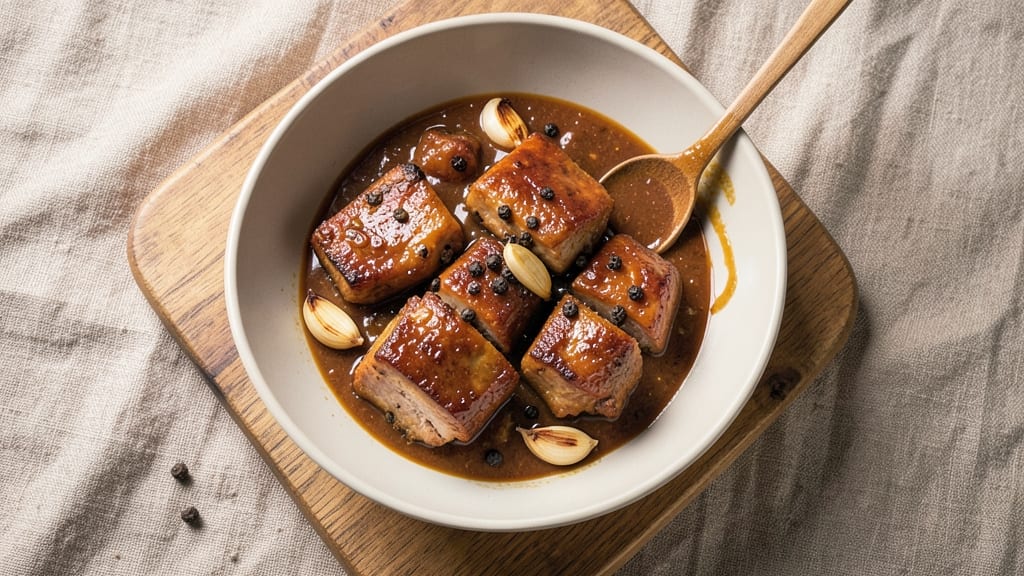
This Coke Pork Adobo recipe transforms humble pork into a symphony of smoky-sweet flavors that carry deep umami heat—just like my grandmother used to make, but with a modern twist.
The secret lies in Coca-Cola's caramelized depth, which balances the tangy vinegar and rich soy sauce for a sauce that's both familiar and unforgettable.
What sets this dish apart is the slow braising process, where pork shoulder becomes fork-tender while absorbing the complex flavors. We'll start with a simple marinade of garlic, black peppercorns, and bay leaves, then let the Coca-Cola work its magic during hours of simmering.
This isn't just a recipe—it's a celebration of Filipino comfort food.
The result is melt-in-your-mouth pork with a sauce that's perfectly balanced—sweet from the Coke, tangy from the vinegar, and savory from the soy. The aroma alone will have everyone gathering around the table, and each bite delivers that perfect harmony of flavors.
Serve with steamed rice to soak up every last drop of that irresistible sauce.
This dish scales beautifully for gatherings, and the leftovers only get better as the flavors meld. Trust me, once you try this version, you'll never go back to the traditional adobo again. Let's get cooking!
Ingredients for coke pork adobo
Six core ingredients and a few pantry staples create this unforgettable Filipino comfort dish.
| Ingredient | Amount | Notes |
|---|---|---|
| Pork Shoulder 🥩 | 3 lb | Bone-in for best flavor |
| Coca-Cola Classic 🥤 | 2 cups | Regular, not diet |
| White Vinegar 🍶 | ½ cup | White or apple cider |
| Soy Sauce 🥢 | ¼ cup | Light or dark preferred |
| Garlic Cloves 🧄 | 6 cloves | Peeled and smashed |
| Black Peppercorns 🌶️ | 1 tbsp | Whole, lightly crushed |
| Bay Leaves 🌿 | 2 whole | Fresh if available |
| Ginger Root 🌿 | 2 tbsp | Freshly grated |
| Brown Sugar 🍚 | ¼ cup | Packed, light brown |
| Olive Oil 🫒 | 2 tbsp | Extra-virgin preferred |
| Salt 🧂 | 1 ½ tsp | Kosher or sea salt |
| Green Onions 🧅 | 3 whole | For garnish, sliced |
| Cooked White Rice 🍚 | 3 cups | For serving, long grain |
The pork shoulder is where all the magic happens—look for a piece with good marbling for juiciness. Costco or local butchers often have great cuts, but the regular supermarket pork shoulder works too. If you can't find bone-in, bone-out is fine, but bone-in stays juicier. The Coca-Cola is non-negotiable here—regular Coke, not diet. The caramelized sweetness is essential for that perfect balance. Fresh ginger and garlic make all the difference, so don't skip the fresh varieties if possible. I always grab extra garlic because it gets used in almost everything.
No Coca-Cola? Cola syrup or even a mix of apple juice and vinegar can work in a pinch, but it won't be the same. Short on soy sauce? Coconut aminos or tamari are great substitutes. The brown sugar adds depth, but if you've only got white, don't stress—it'll still taste amazing. For the vinegar, white or apple cider both work, but avoid balsamic—it's too strong. The green onions are just for garnish, so if you're out, skip it entirely. The dish will still be delicious without them. If you want extra richness, add a splash of coconut milk at the end of cooking.
This dish tastes even better the next day as the flavors meld together. Store leftovers in the fridge for up to 5 days or freeze for 3 months. I always make extra because it disappears fast. The sauce thickens as it cools, so you might want to add a splash of water or broth when reheating. Serve it over steamed rice—it soaks up all that irresistible sauce. If you're serving a crowd, double the recipe—it scales beautifully without any adjustments.
Why You'll Love This Recipe
- Pantry Magic: I swear by this one—no fancy ingredients, just what’s already lurking in your cupboard. That can of Coke doesn’t have to stay sweet; it’s the secret weapon here, balancing the tangy vinegar and salty soy sauce like a flavor conductor.
- Crispy-Tender Payoff: The pork shoulder gets that perfect chewy-yet-melty texture, while the sauce clings like a cozy blanket. Honestly, the first bite makes me forget about takeout menus entirely—it’s that good.
- Leftovers That Beg: This dish tastes even better the next day, which is huge when I’m prepping for work lunches. I’ll be real: I’ve reheated this cold, straight from the fridge, and it still delivers.
- Budget Booster: Pork shoulder is affordable, and Coke? Cheaper than wine. Between us, this feeds four for under $15, and the leftovers stretch into sandwiches or fried rice without breaking the bank.
Step-by-step instructions for Coke pork adobo
Here's how to create this smoky-sweet masterpiece that balances tangy, sweet, and savory notes perfectly.
Prepare the Pork Shoulder for Braising
Pat the 3 lb pork shoulder dry with paper towels—this helps the seasoning stick and creates a better sear. In a large bowl, combine the 2 tbsp olive oil, 1.5 tsp salt, and 1 tbsp lightly crushed black peppercorns. Rub this mixture all over the pork, including the crevices. Let it sit at room temperature for 30 minutes while you prep the rest of the ingredients.
The pork should feel evenly coated with oil and seasoning. This step ensures maximum flavor penetration and helps develop that beautiful caramelized crust during cooking. Don't skip the room temperature prep—cold meat takes longer to cook evenly and can lead to uneven browning.
Sear the Pork for Deep Flavor
Heat a large Dutch oven over medium-high heat. Add the pork shoulder and sear on all sides until deeply browned—about 5-7 minutes per side. You're looking for a rich, dark crust that develops from the Maillard reaction. Once browned, remove the pork and set it aside.
This searing step is crucial—it builds layers of flavor that will infuse into the braising liquid. If your pan gets too crowded, work in batches. The browned bits left in the pan (fond) will dissolve into your sauce later, adding even more depth of flavor. Don't rush this step; patience here pays off in the final result.
Build the Braising Liquid
In the same Dutch oven, add 2 tbsp freshly grated ginger root, 6 smashed garlic cloves, 2 whole bay leaves, 0.25 cup brown sugar, and 0.25 cup soy sauce. Cook for 2 minutes until fragrant, stirring constantly to prevent burning. This aromatic base forms the flavor foundation of your adobo.
Next, carefully pour in 2 cups Coca-Cola Classic and 0.5 cup white vinegar. The vinegar will create a tangy contrast to the sweetness of the cola and sugar. Bring the mixture to a gentle simmer, scraping up any browned bits from the bottom of the pan with a wooden spoon. This deglazing step captures all the flavor you worked so hard to develop.
Braise Until Tender
Return the pork shoulder to the Dutch oven, along with any accumulated juices. Bring the liquid to a boil, then reduce heat to low, cover tightly, and transfer to a 325°F oven. Braise for 2.5-3 hours, turning the pork occasionally, until it's fork-tender and easily pulls apart. The internal temperature should reach 195-200°F—this is when the collagen breaks down into gelatin, creating that signature tender texture.
Here's the thing—don't peek or lift the lid during cooking. Every time you open it, you release steam and increase cooking time. The pork will develop a rich, caramelized sauce that coats it beautifully. If the liquid reduces too much before the pork is tender, add ¼ cup water to maintain moisture.
Finish and Serve
Once the pork is tender, remove it from the oven and let it rest for 15 minutes in the braising liquid. This resting period allows the juices to redistribute throughout the meat. Meanwhile, strain the braising liquid through a fine-mesh sieve into a saucepan and simmer over medium heat for 5-7 minutes until slightly thickened.
Slice the pork against the grain into ½-inch thick pieces and arrange it on a platter. Spoon the reduced sauce over the top and garnish with sliced green onions. Serve immediately over 3 cups cooked white rice for the perfect balance of flavors and textures. The combination of tender pork, smoky-sweet sauce, and fluffy rice makes this dish truly unforgettable.
Pro Tips For Making Coke Pork Adobo
- Brown the Pork First: Skip the slow start—sear the pork shoulder in a hot pan with oil until it’s deep golden on all sides. This locks in flavor and keeps the meat from turning into mush later, especially when the Coke and vinegar start breaking it down.
- Use Full-Strength Vinegar: Don’t water down the white vinegar—it’s the sharp edge that cuts through the sweetness of the Coke and balances the soy. If the acidity feels too harsh, add a splash of Coke after the pork’s cooked, not before.
- Simmer, Don’t Boil: Keep the heat low enough that the liquid barely bubbles, or you’ll end up with gray, rubbery pork. After the first 30 minutes, reduce to a gentle simmer and let it work its magic—patience here makes the difference between tough and tender.
- Toast the Garlic: Mince the garlic and fry it in oil until it’s golden and fragrant before adding it to the pot. Raw garlic just sits there; toasted garlic adds a nutty depth that turns this dish from good to unforgettable. (Yes, even if you’re impatient like me.)
Storing and reheating your leftovers
Refrigerator Storage
Let your Coke Pork Adobo cool completely before storing—about 2 hours at room temperature. Transfer to airtight containers with tight-fitting lids, leaving ½ inch headspace for expansion. Store in the fridge at 40°F or below for up to 5 days.
The flavors actually deepen overnight as the sauce reduces and melds. I always double-check my containers are sealed properly to prevent any vinegar or Coke aromas from escaping. 🥬
Freezer Storage
For longer storage, freeze your adobo in quart-sized freezer bags or airtight containers. Portion into single-serving containers if you plan to reheat individual meals. The sauce will thicken significantly when frozen, so add 2-3 tablespoons of water or broth before reheating.
This dish freezes beautifully for up to 3 months without losing its signature smoky-sweet balance. I label everything with dates because, honestly, it's easy to forget what's in your freezer! ❄️
Stovetop Reheating
My preferred method is stovetop reheating because it gives you complete control over the sauce consistency. Transfer the pork and sauce to a pot and heat over medium-low heat for 10-15 minutes, stirring occasionally. Add ¼ cup water or broth if the sauce has thickened too much.
The gentle heat helps restore the sauce's glossy texture without overcooking the pork. This method preserves all those beautiful caramelized flavors you worked so hard to develop. 🔥
Microwave Reheating
For quick meals, use the microwave with caution. Cover the dish with a microwave-safe lid or damp paper towel and heat on 50% power for 3-4 minutes, stirring halfway. The lower power prevents the sauce from becoming rubbery.
If the pork seems dry, add a splash of water or the reserved braising liquid. I find this works best for individual portions rather than the whole dish. The texture won't be quite as perfect as stovetop, but it's still delicious in a pinch. ⚡
Sauce Adjustments
The sauce often thickens when reheated, so always taste and adjust before serving. A splash of water or broth can restore the perfect consistency. If you want extra richness, add 1 teaspoon of soy sauce or a pinch of brown sugar to enhance the umami-sweet balance.
I've found that reheating in batches gives the best results—never overcrowd your pan. The key is patience and attention to detail. 💡
Serving Suggestions
Serve your reheated Coke Pork Adobo over steamed white rice to soak up all that irresistible sauce. For extra flair, garnish with sliced green onions and a sprinkle of toasted sesame seeds. I love pairing it with garlic fried rice or pickled papaya (atchara) to cut through the richness.
The contrast of textures and flavors makes every bite more exciting. Leftovers make fantastic sandwiches the next day—just pile it high on a soft bun with some fresh lettuce. 🍚
Nutrition facts
Frequently asked questions
Why does this recipe use Coca-Cola instead of traditional adobo ingredients?
The Coca-Cola adds a unique caramelized depth that balances the tangy vinegar and savory soy sauce, creating a richer, more complex flavor profile. The carbonation helps tenderize the pork while the sugar content enhances the umami-sweet balance. Many Filipino chefs use it as a modern twist on classic adobo.
Can I substitute regular cola for Coca-Cola in this recipe?
While any regular cola will work, Coca-Cola's specific caramel flavor and carbonation levels create the perfect balance. For a close substitute, use cola syrup mixed with water to mimic the sweetness and body. Diet or light colas won't provide the same rich flavor profile.
How do I know when the pork is fully tender?
The pork is done when it reaches an internal temperature of 195-200°F and easily pulls apart with two forks. You'll also see the meat separate cleanly from the bone. For extra assurance, press a knife into the thickest part—if it slides in effortlessly, it's perfectly tender.
What's the best way to serve this dish for a crowd?
Double the recipe and serve family-style with steamed jasmine rice in a large bowl at the center. Add garlic fried rice and pickled papaya (atchara) as sides. For easy serving, slice the pork into bite-sized pieces and let guests assemble their own plates. The sauce will thicken as it sits, so keep a small pot of water nearby to thin it if needed.
Can I make this recipe in a slow cooker?
Brown the pork first, then transfer everything to a slow cooker and cook on low for 6-8 hours or high for 3-4 hours. The slow cooking enhances the tenderness. Just